SALTWATER & COASTAL · SPECIES
Offshore and deep-water species.
The inshore list is a different job. These are the fish you meet past the breakers, on hard bottom, along a temperature edge, or four hundred feet down. Fifty-nine profiles, grouped by where you actually run into them instead of by taxonomy. Pick the group first, then the fish. Inshore and coastal species → · Saltwater & Coastal → · Freshwater field guide →
Species · offshore and deep water
Offshore is four fisheries stacked on top of each other
- temperature break
- structure
Bluewater and pelagic
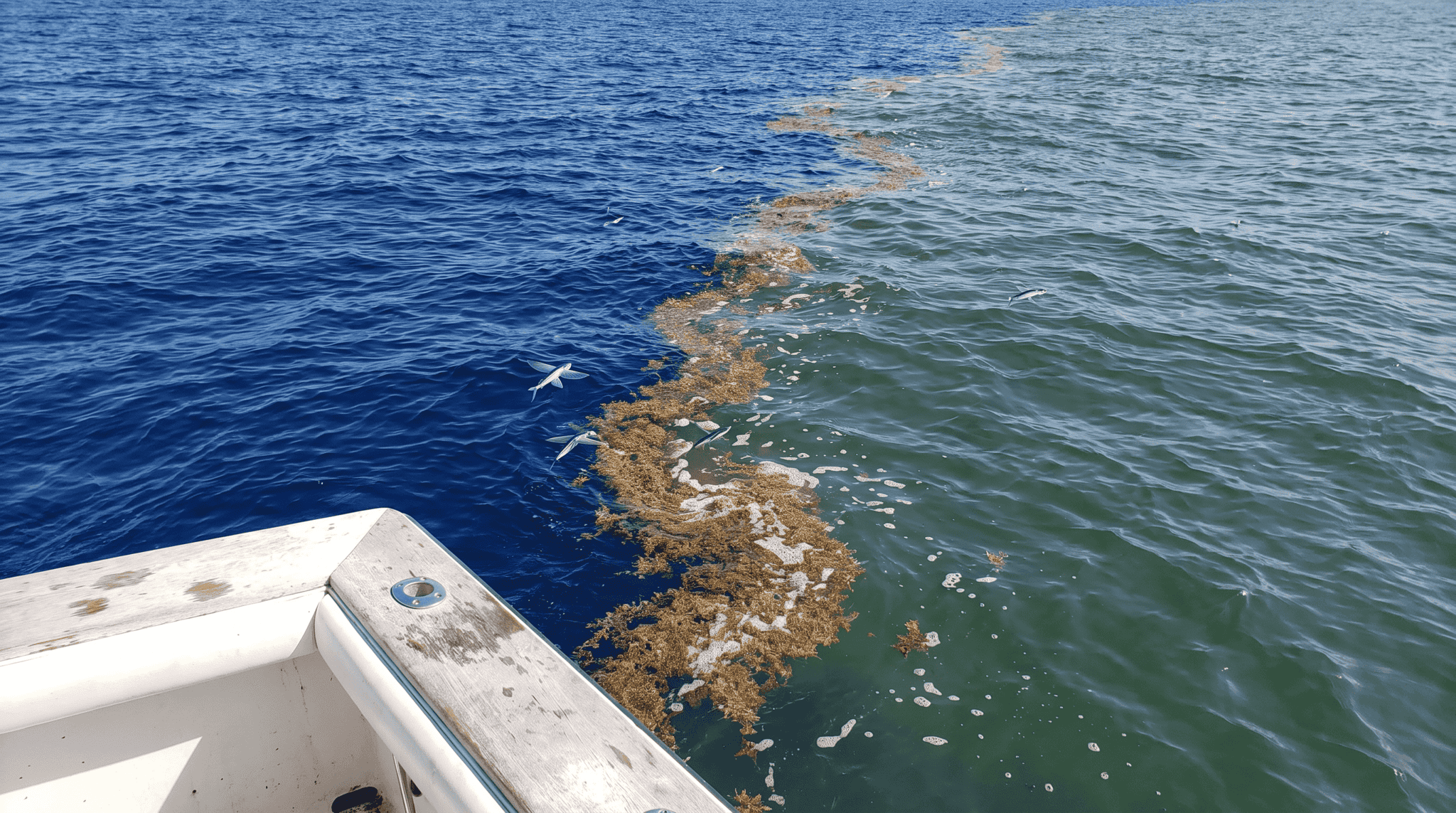
Nothing in this group holds still. You find them by reading water instead of structure — a temperature break, a color change, a bait school, birds working. Speed ties all of them together, and it’s what decides your leader material, your drag setting, and how fast a bait has to get in front of something that’s already leaving.
Reading a temperature break → · Reading working birds → · Building a trolling spread →
Reef, wreck and hard bottom
Structure fish, and the fight is usually decided in the first three seconds. Every one of them is trying to get back into something that will cut you off, which is why the gear conversation here is about stopping power rather than finesse. Know the release rules before you go — several of these need help getting back down.
Pacific rockfish
One name covering a lot of genuinely different fish. Rockfish are long-lived and slow to replace, so the regulations move and getting the ID right actually matters — “a rockfish” isn’t a legal category you can fish by. Several of these live long enough that one fish can be older than the boat you’re standing on.
Cold water and the North Pacific
Deep, cold, and mostly caught a long way from the ramp. The fishing is less about finesse than about handling weight, depth and a boat ride, and the rules here are federally managed in places where a mistake is expensive.
Nearshore sharks
Common, legal in most places, and the reason surf gear gets heavier than the fish you were aiming at would suggest. Handling matters more here than anywhere else on this page — for the shark and for your hands. Check the rules first; several species that look alike are managed very differently.
Surf and bait species
Small fish that either fill the cooler or fill the bait tank, and often decide whether anything bigger shows up. Worth knowing on their own terms rather than as a consolation prize.
Before you go
Saltwater regulations change faster than just about anything else in fishing, and several species here are actively managed with seasons, size slots and descending-device requirements. Confirm the current rules with the responsible state agency or NOAA Fisheries for the water you’re actually fishing — a general list like this can’t keep up with that.
Reading a marine forecast → · Safety and access → · Stewardship →