Category
Saltwater & Coastal
The ocean gets a vote. Surf, jetties, inlets, flats, nearshore and offshore water all change the scale, the tackle and the safety margin. This is the saltwater side from the beach out to water where Montana feels very far away.
Want the short version first? Start with the Saltwater & Coastal Fishing guide →
Everything filed under this heading, newest first.
Worth opening first
- Redfish or Black Drum? One Look at the Barbels Settles ItBarbels, spot, tail. Get the identification wrong and the regulation still applies.

Atlantic Bluefin Tuna Run Warm Where It Counts
Bluefin tuna warm their own swimming muscles and can top 13 feet. Here’s what NOAA says about size, range and the stock, plus the permit rules anglers face.
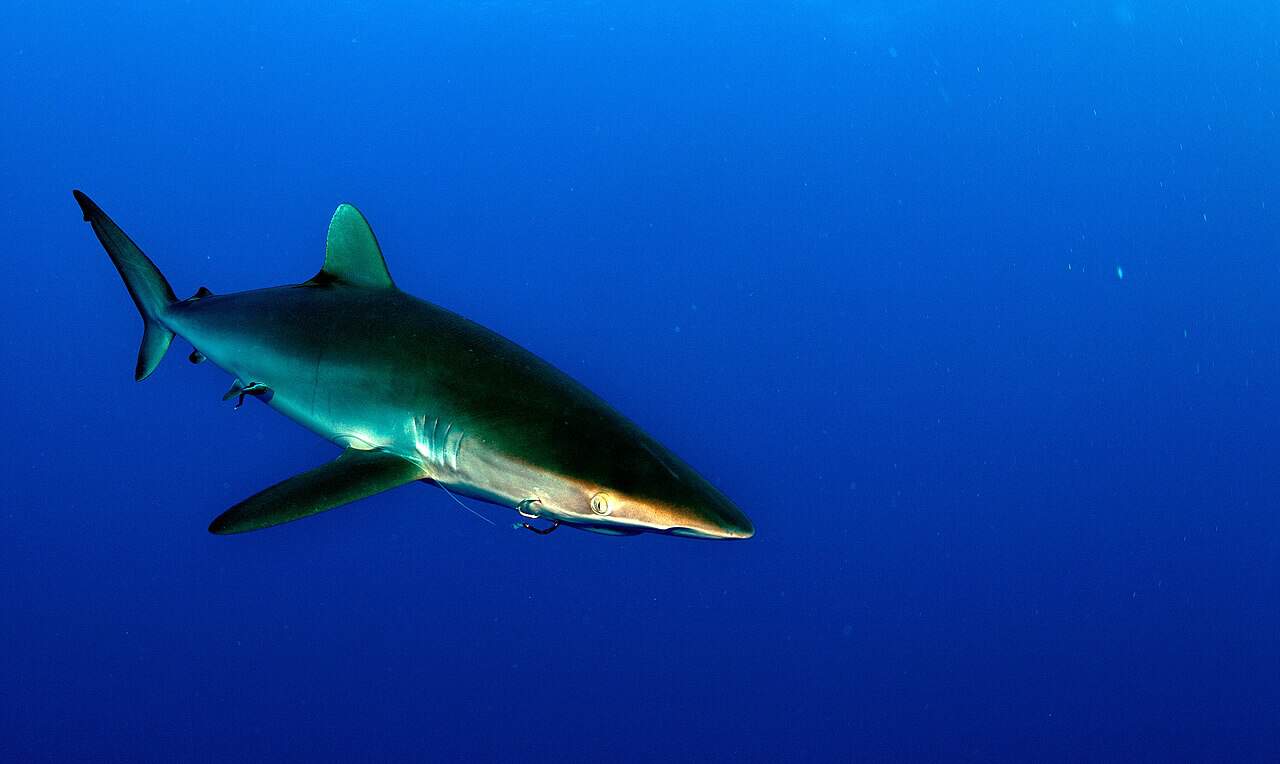
Silky Sharks Hide Their Strongest Clue Behind the Second Dorsal
Silky Shark identification uses a rearward first dorsal and the long free rear tip of the second dorsal. Compare Sandbar and Dusky Sharks and release the fish in the water.
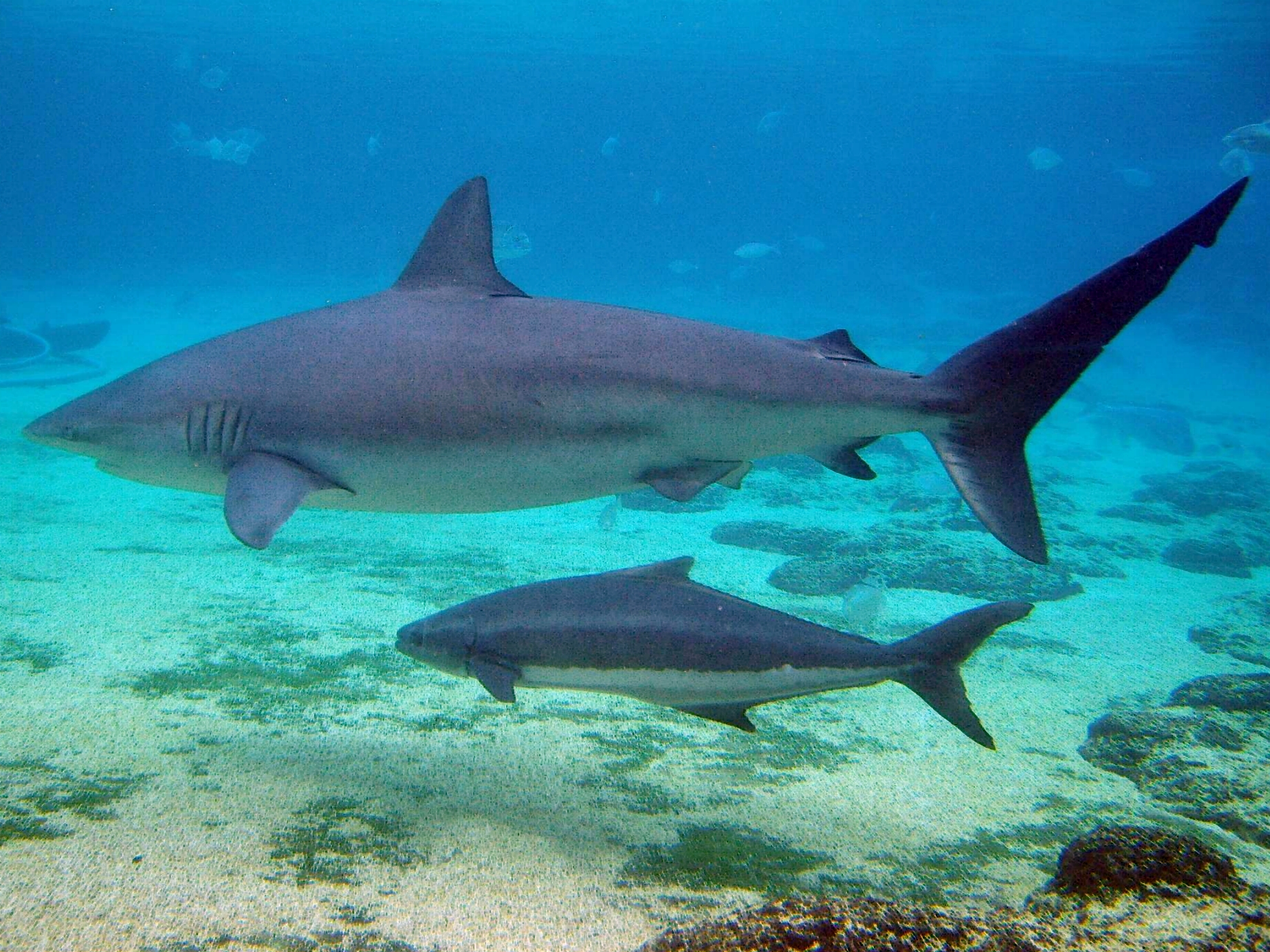
Dusky Sharks Make the Dorsal Origin Do the Identification
Dusky Shark identification rests on the first dorsal origin over the pectoral free rear tip, backed by a moderate dorsal and shorter second-dorsal tip. Retention is prohibited.

Sandbar Sharks Put the First Dorsal Where You Can Test It
A sandbar shark has an interdorsal ridge and a tall first dorsal set over the pectoral base. How to rule out dusky and silky sharks, and why it goes back.

Smooth Hammerheads Make an Absent Notch Carry the Identification
Smooth Hammerhead identification depends on seeing the entire unnotched front edge. Compare range, fins, handling risk, and current Atlantic rules.
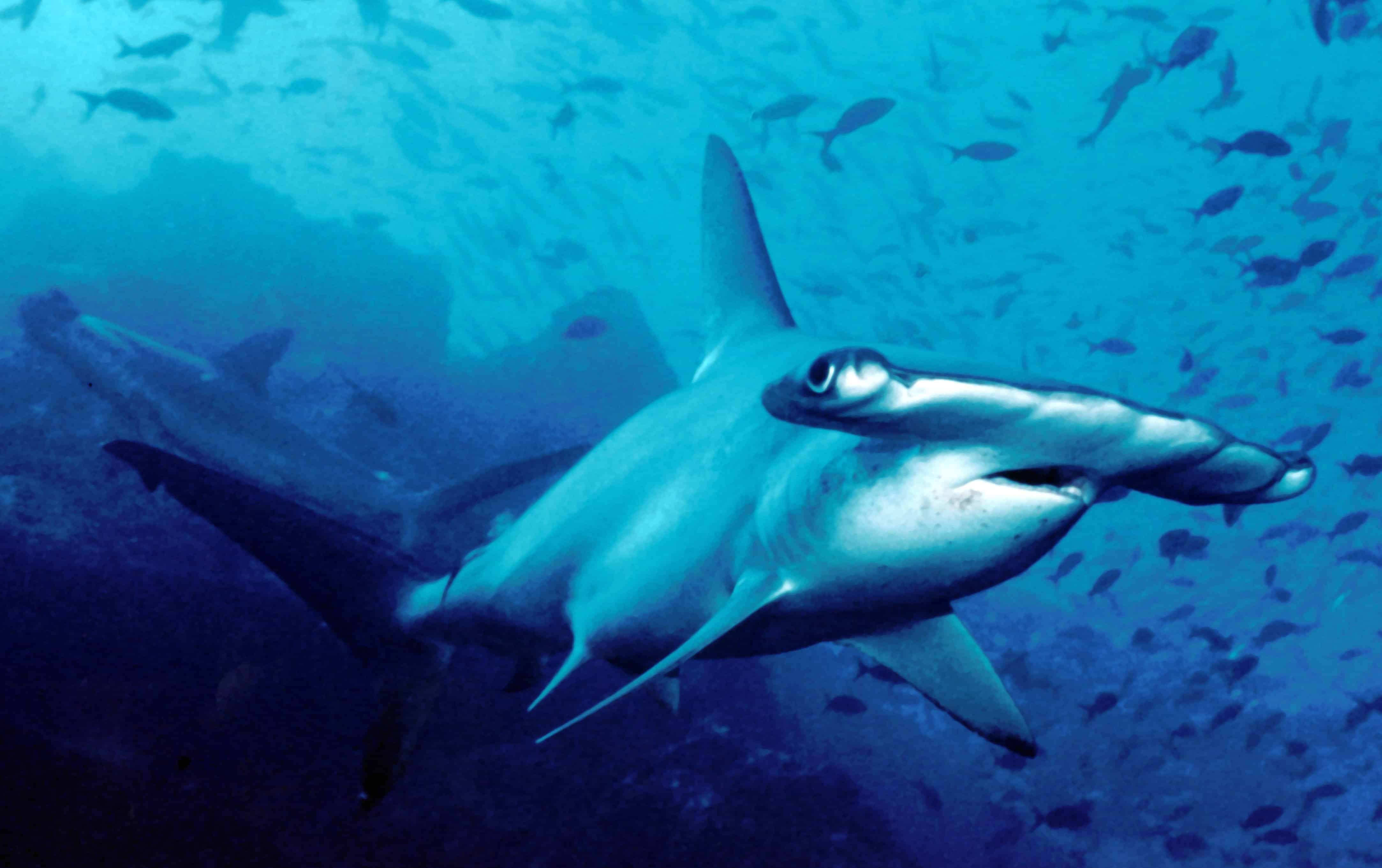
The Scalloped Hammerhead Is Named for the Line You Need to See
Read the scalloped head margin, dark pectoral undersides, nursery pattern, population-specific ESA status, and current federal-versus-Florida rules.

The Great Hammerhead Gives You Two Clues, Then Makes You Prove Both
Great Hammerhead identification depends on a straight, center-notched head plus the towering first dorsal. Compare the three large hammerheads, then check current Atlantic and Florida rules.

Lemon Sharks Hide in Plain Sight Between Mangrove and Sand
A lemon shark’s second dorsal is nearly as big as its first. A bull shark’s isn’t. Where lemons live in mangrove and sand, and Florida’s no-harvest rule.
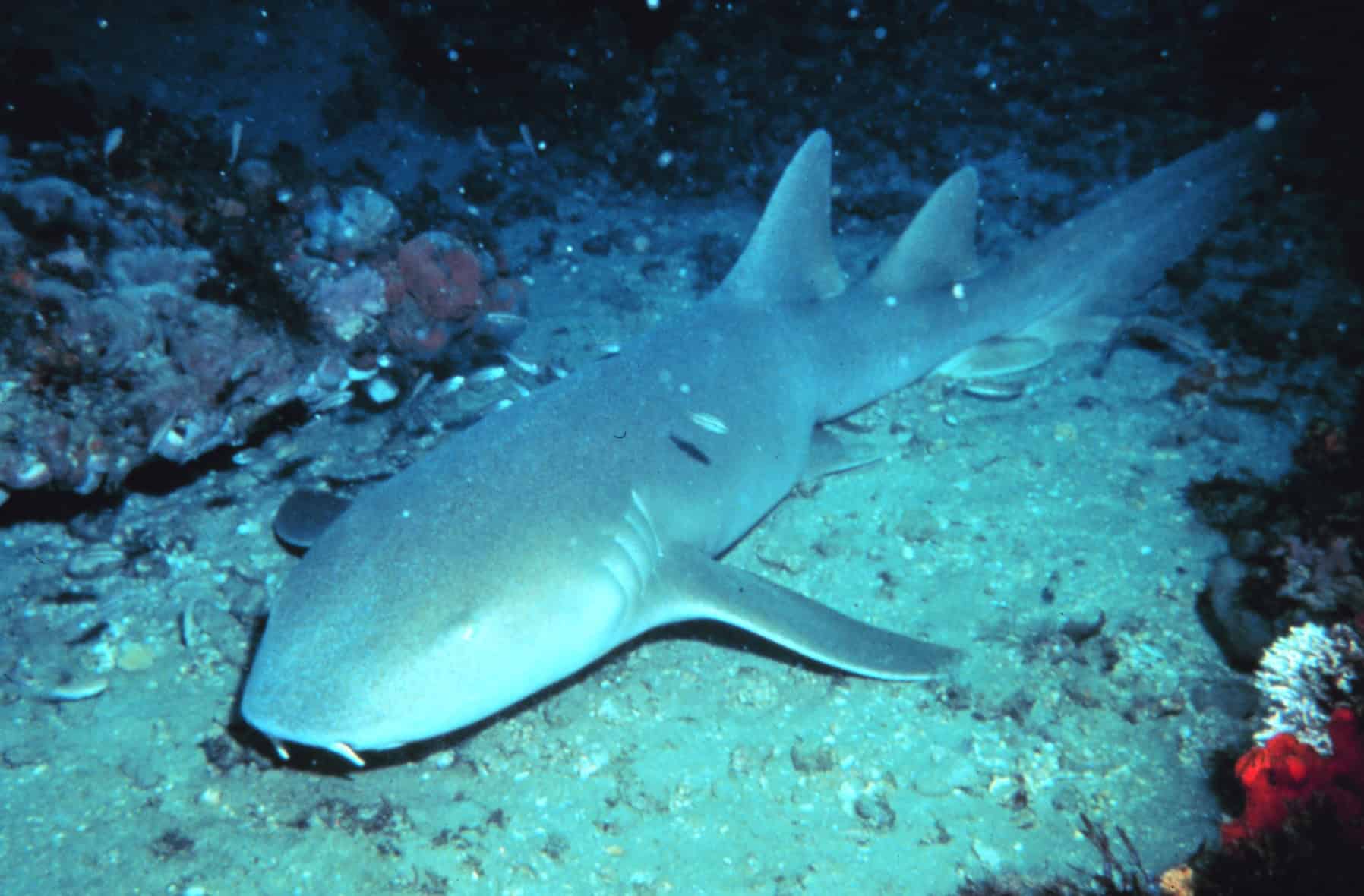
Nurse Sharks Stop Moving Without Stopping the Water
Nurse sharks pump water over their gills, so they can lie still on the bottom. Barbels help them find food and tell them apart from lemon sharks.

Bull Sharks Treat the River Mouth as a Two-Way Door
Bull sharks cross the salt line between coastal water and rivers. Learn the blunt snout, stocky body, unequal dorsals, estuary pattern, and current Atlantic HMS handling rules.
