GEAR · COMPATIBILITY BEFORE PURCHASE
Nothing is broken and it still doesn’t work.
Every piece can be good on its own and the setup can still fight you. Work out what the tackle has to do, then follow the load down the chain until you find the link that can’t do it.
First spinning setup — you don’t need more → Check the system in Tackle Link →
START WITH THE JOB
What’s the tackle actually being asked to do?
Water & cover
Current, depth, weeds, wood, rock, how much room you’ve got behind you, where the boat sits. A rig that’s a pleasure in open water turns into a liability the first time you have to pull a fish out of a laydown.
Presentation load
Lure or rig weight, resistance, hook gauge, depth, retrieve, casting distance, contact. The number stamped on the package is a fraction of what the rod and line actually feel.
Fish & landing plan
Fish size, drag demand, abrasion, whether there’s a net, what sits between you and the water. The fight isn’t over when the fish reaches your boots. Plenty of them come off right there.
Answer those three before you start comparing product categories. When the job stays vague every specification looks equally important, and the package with the biggest font on it tends to win.
FOLLOW THE LOAD
Everything between your hand and the hook gets a vote.
Rod
Power, action, length, guide condition, how the grip sits in your hand, and the printed lure and line ratings. It decides how the cast loads, how much you feel, and whether a hookset at distance goes anywhere.
Reel
Capacity, spool behavior, line recovery, drag, balance, and whether anything inside it has been cleaned this season. A reel that feels smooth in your hand on the couch can feel like something else with a fish on it.
Main line
Diameter, stretch, visibility, abrasion resistance, buoyancy, stiffness, how it behaves coming off the spool. Stretch is the quiet one. It decides how much of what happens down there ever reaches your hand.
Leader
Material, diameter, length, the knot holding it on, and whatever it has to rub against. Leader choice changes lure action more than most people expect it to.
Terminal tackle
Knots, hardware, hook gauge, weight, split rings, snaps, swivels, and how the connection sits. Last link before the fish, and usually the cheapest thing in the system.
Presentation
Depth, speed, resistance, angle, contact, the pause. A setup can be technically compatible and still be unable to put the lure where the fish is, which is a strange kind of compatible.
What a rating won’t tell you.
The numbers printed on rods, reels, line and hook packs are useful, and worth checking against the manufacturer’s current documentation instead of whatever the retail listing copied. They still describe a lure hanging still in a store, which is not a thing lures do on the water.
A spinnerbait pulls harder than a compact jig of the same listed weight. A deep-diving crankbait loads the rod through the whole retrieve, not just the cast. A large swimbait can sit comfortably inside a weight rating while the casting motion, the hook style, and the fish you expect around heavy cover all ask for more margin than the number suggests. Two lines labeled at the same breaking strength can differ enough in diameter and stiffness to change casting and lure behavior outright.
Use the rating to throw out the obvious mismatches. After that it’s between you and the water.
Diagnose before you buy.

Repair the weak link first
Fill the spool properly. Retie the connection. Look hard at the guides, cut back damaged line, reset the drag, change leader length, change the angle, shorten the cast, clean the reel, or hand the setup a job it can actually do. A lot of bad-gear stories end somewhere in that list.
Replace only with a reason
A new part should fix a named limitation that setup, maintenance, technique or a different assignment can’t. “This feels bad” is a clue. “The rod can’t cast this load accurately without going past its rating” is a reason.
Keep the no-purchase answer
If the gear you already own does the job after a sensible adjustment, that’s the answer and it’s a real one. Nobody’s grading your tackle box.
Work backward from the symptom.
Lure won’t reach depth? Start at the presentation end — retrieve, current, line angle, buoyancy, weight, cast distance. Line keeps breaking? Find out where it’s breaking before you replace anything: the knot, an abrasion point, a chipped guide, the drag, the leader connection, the main line itself. Casting gone inconsistent? Check lure weight, spool fill, line condition, how the rod is loading, brakes or spool tension where relevant, wind, and your own technique before declaring the reel defective.
Working backward keeps the diagnosis attached to the symptom. It also cuts off the spiral where every disappointing cast becomes one more argument for replacing the entire setup.
Which link can’t do the job, and what shows that it can’t. That’s the whole question.
Everything costs something.
Heavier line buys abrasion resistance and control, then charges you casting distance and changes how deep the lure runs. A longer rod improves line control and reach and gets awkward the moment you’re in brush or sitting low in a kayak. A faster reel picks up slack quickly and makes it easy to over-speed a presentation if handle cadence is your only cue.
There’s rarely one specification that improves everything. A useful setup picks which tradeoffs matter for the job in front of it and keeps enough margin for the fish, the cover, and the landing.
Which is why “best rod,” “best line” and “best reel” are weak questions on their own. Best for what job, under what constraints, and compared with what you already own?
Gear drifts out of its own spec.
A setup that matched perfectly when it was new goes unreliable through damaged guides, nicked line, corroded hooks, loose hardware, worn drag washers, dirty bearings, cracked leader material, or a spool filled far below the lip. Once gear has been fished, condition is part of the specification.
Inspect the system before you solve a performance problem with a purchase. Run a cotton swab carefully around each guide, since it catches on the damage you can’t see. Check knots and leader after anything abrasive. Retire hooks that won’t come back to safe condition. Clean and maintain reels the way the manufacturer says to. Get rid of line that has lost the property the job depends on.
Nobody makes a launch video about cleaning a reel. It’s still the cheapest performance change most people have available.
Back to the water.
Conditions
Wind, current, clarity, temperature and access can make a setup that looked fine on the garage floor much less useful once you’re standing in it. Read the day before you blame the rod.
System fit
Once Species & Presentation has settled what you’re throwing and how, the tackle’s job is just to pull that off. Tackle Link checks whether the rod, reel, line, leader and terminal stuff actually fit it. If everything fits except the knot you’re nervous about, that’s a Knot Analyst question.
Check system fit in Tackle Link → Take the connection to Knot Analyst →
Evidence
Manufacturer ratings are inputs. They aren’t proof that a setup will feel or perform the same on every job. Keep what you watched happen separate from what the brochure said would happen.
Six pieces this page keeps pointing at
Rod power is the specification most often mistaken for strength. More Rod Power Can Make the Whole Setup Worse follows what happens to the line and the hookset once the blank stops giving, and What Actually Matters When You’re Buying a Rod sorts the numbers that change how a blank loads from the ones printed for the shelf. If the rod already in your hand is wrong for the water in front of you, The Wrong Rod Day is about salvage rather than shopping.
Electronics get the same treatment in How to Read a Fish Finder Without Chasing Every Arc, which spends most of its length on bottom composition and very little on the arcs everybody photographs.
Two smaller pieces are worth the detour. Pack Less Tackle. Bring More Answers. is about choosing a box by the decisions you expect to make. Why a Four-Dollar Spinner Still Earns Space Beside Expensive Gear is about the lure that keeps embarrassing its price.
A cart full of new parts can’t fix a bad match.
Somewhere in the chain there’s one link that can’t do the job. Find that one first, and check whether it’s the spec or just the condition it’s in. Try the cheap fix before the expensive one. When you’ve done all that and the evidence still points at a part, buy the part — and enjoy it, honestly.
Six links plus a job to match them to is a lot to keep in your head the first season. You don’t have to. Most people learn this chain one snapped line and one sticky drag at a time, and every one of those teaches you exactly which link to look at next time.
Open Tackle Link → Back to Field Ops → Browse gear and field guides →
On the shelf: Equipment Systems
All 41 pieces on Equipment Systems → What Can Stay Home
 The Device Isn’t the Measurement
 Bench Test Your Line Before a Fish Does It for You
 Seven Lures Doing One Job
 Set the Drag Before a Fish Tests It for You
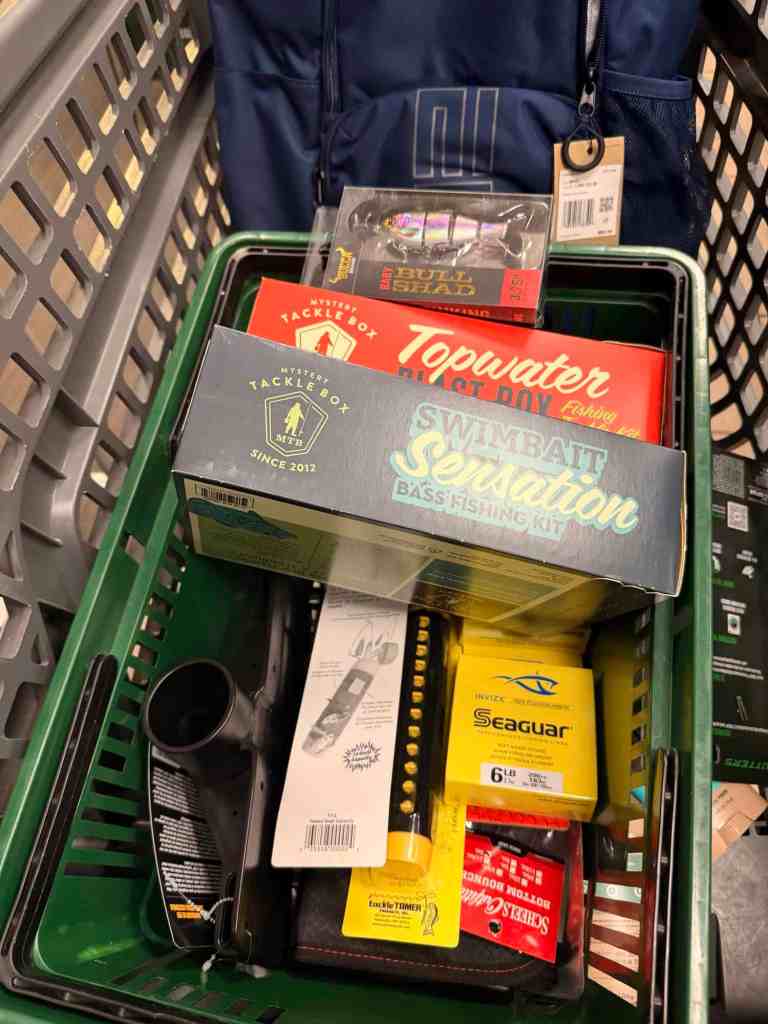 A Tackle Shop Is Basically a Museum Where Everything Has a Price Tag
 The Tackle Box You Can Carry Without Hating It by Noon
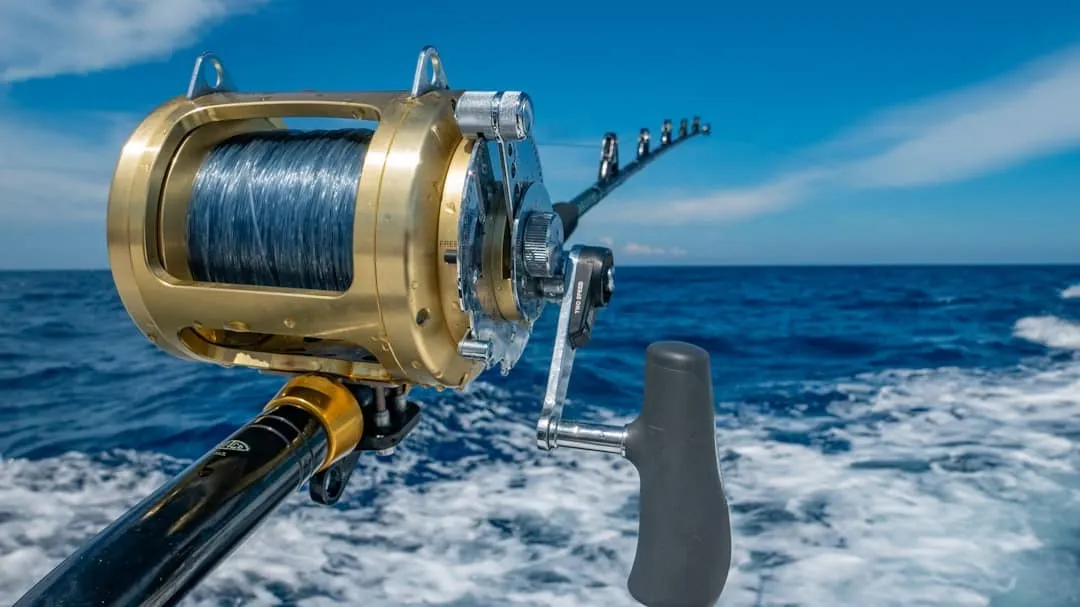
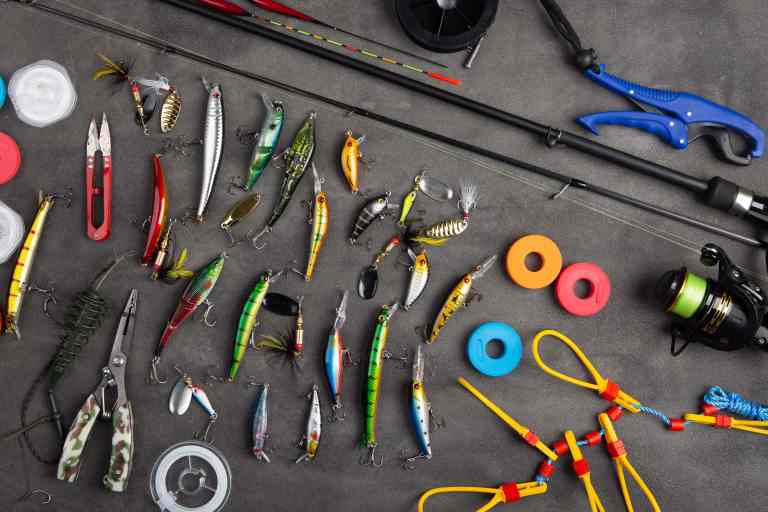 What Matters When You’re Buying a Rod, and What’s Just MarketingField Note: When the Chain Fails at the Leader
 Tackle as a Chain
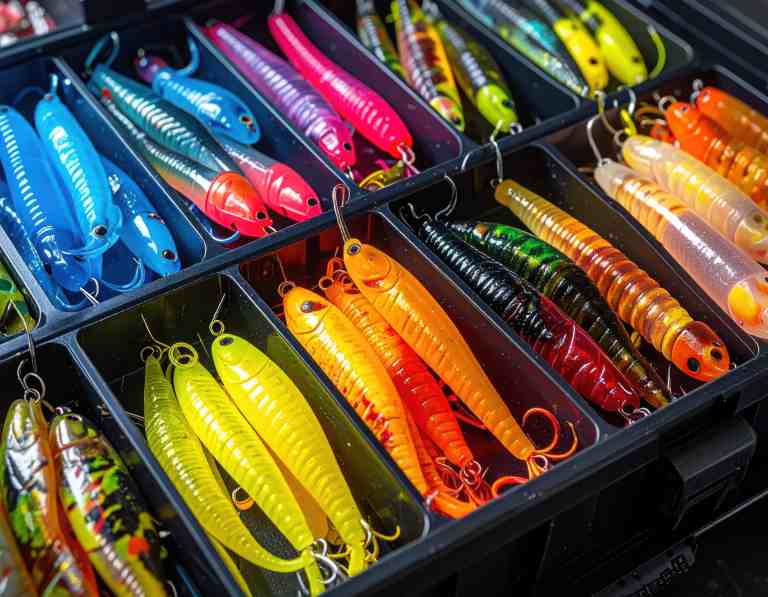 You Don’t Need Seven Fishing Tools at Once
FIELD OBJECT
This one should leave the page.
The article is the long version. These are the pieces worth carrying into the next trip.
The 30-second version
Every part in a setup can be good and the whole thing can still fight you. Figure out what the tackle has to do, then find the one link that can't do it before you go shopping.
What to watch
- Nothing is broken and it still doesn't work.
- What's the tackle actually being asked to do?
- Water & cover
- Presentation load
Field card
- Nothing is broken and it still doesn't work.
- What's the tackle actually being asked to do?
- Water & cover
- Presentation load
- Fish & landing plan
RIGHT TOOL, NEXT
Tackle Link Analyst
Follow the load path and find the part of the setup that actually limits the rest.