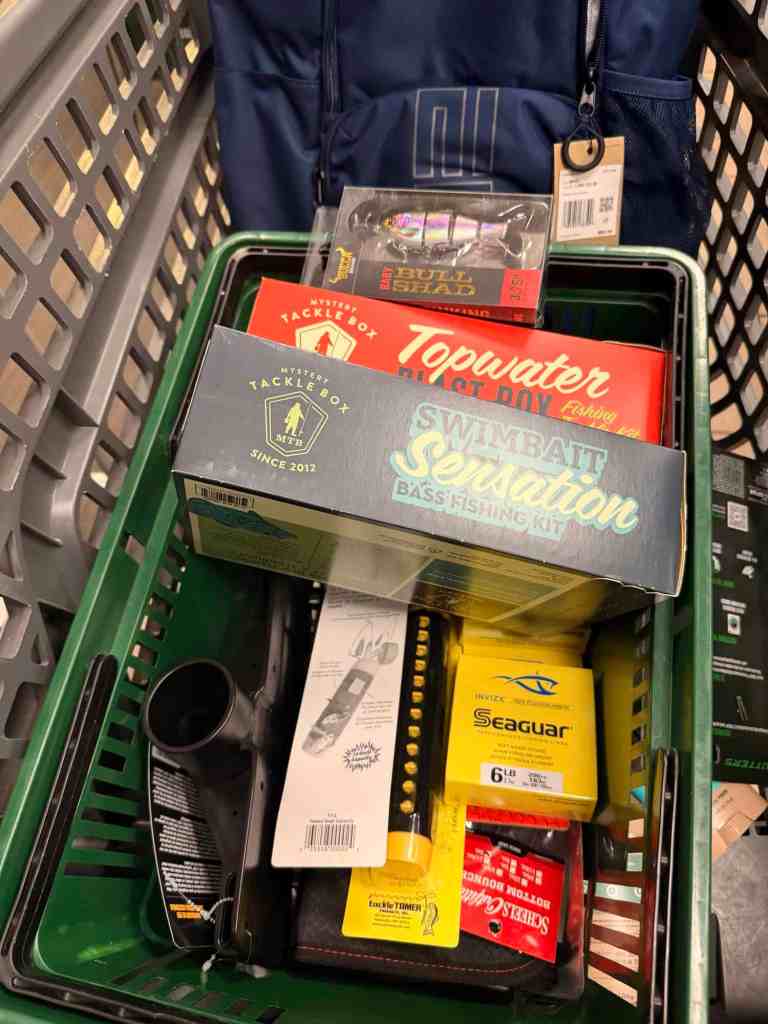
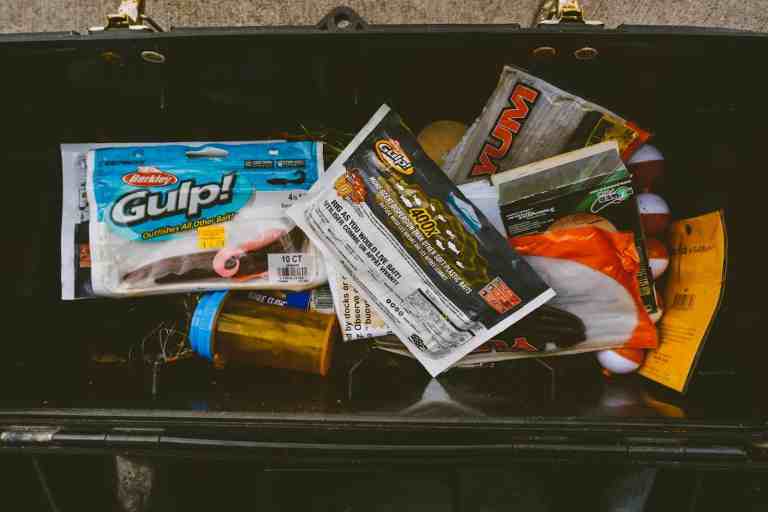
A four-dollar spinner has an awkward spot in a modern tackle box.
It hangs next to reels with carbon parts, rods described in aerospace vocabulary, and lures sold in packaging elaborate enough to suggest they have a publicist. The spinner is a wire shaft with a blade, a body and a hook on it, and it has no interest in explaining itself to anybody.
Which is most of the reason it’s still in there.
It has one clear job
A spinner is a small moving lure with flash and vibration that can cover water at a bunch of different speeds and depths.
That doesn’t make it magic. It makes its purpose easy to understand, and I’ll take that over a list of features I can’t feel.
I can run it across a small river, down a weed edge, over a shallow flat, or through open pockets where the blade stays clean. Change the retrieve speed, the rod position, or how long I let it sink, and it goes somewhere else.
I cast it, feel the blade thump, and know right away whether it’s running right. Try that with half the stuff in a modern box.
Simple tackle makes a good baseline
On water I don’t know, a lure I already understand works like a measuring stick.
I know about how it casts on my setup and how hard the blade normally pulls. So when weeds stop the blade, when current speeds it up, or when it starts riding too shallow, I feel it.
That’s what lets me separate a tackle problem from a water problem. When a brand-new lure feels strange, I can’t tell whether it’s the water, the setup, or the lure. With the spinner, one of those is already off the list.
Cheap doesn’t mean disposable
A low price isn’t a reason to fish damaged tackle.
Check the hook point, the wire, the blade and its clevis if it has one, the body, the eye, and any split ring or swivel. A spinner that’s been bent badly won’t track straight. A dull hook gets fixed right then, not after the next missed fish. A blade that won’t start reliably might need cleaning, a little adjusting, or replacing, depending on how it’s built.
Rinse and dry tackle after a trip, especially after salt or anything else that eats metal fast, and store hooks so one rusty lure doesn’t quietly volunteer the rest of the box for the same project.
Four dollars is still four dollars I’ll spend again if I let it rust shut.
It’s cheap enough to fish where lures get lost
Everybody babies expensive tackle.
Sometimes that’s sensible. Sometimes it just means the nice lure never gets near the wood, rock, or current edge where the fish actually are.
A cheaper lure makes it easier to fish like you mean it — run it tight to cover, test a depth you’re not sure about, make the cast where a snag is possible but not reckless.
That’s not a license to fire tackle into obvious hazards or leave line and hooks behind. Get a snag back when you can do it legally and safely. The advantage is psychological margin, not permission to litter underwater.
Expensive tackle can’t fix the wrong presentation
A beautifully engineered lure at the wrong depth is still at the wrong depth.
A premium finish doesn’t make up for a retrieve that rolls the lure, a cast angle that pulls it out of the lane, or line too heavy for the lure to move right.
The spinner makes you ask better questions because there’s less to blame. Is the blade turning? Is it in the right layer, or is current pushing it somewhere else? Is the hook fouled?
Those same questions carry straight over to more complicated tackle later.
Match it to the rod and line
The cheap lure still belongs to a whole setup, same as anything else in the box.
The rod needs to cast that weight under control and have enough backbone for the fish and cover you expect. Line type and diameter change casting, abrasion, stretch, visibility, and how the lure moves, so pick with all of that in mind. Inline spinners can twist line, and if a particular one or a particular retrieve is doing it, check the rigging and add hardware that actually fixes it, like a good swivel, instead of living with a spool that gets worse every cast.
And don’t hang a tiny spinner off a rod so heavy the lure can’t load it or move naturally, then decide the lure’s the problem.
The hook may be where the price shows
Cheap lures sometimes save money on components, finish, consistency, or hardware. Not every inexpensive lure is badly built, but that’s why you look.
Check whether the hook is sharp and strong enough for your line, rod, fish, and cover. If it needs replacing and the lure allows it, pick a hook that keeps the balance and action, not automatically the heaviest one on the wall.
A heavier hook can take more force to set and can change how a small lure swims. An upgrade should fix a problem you can actually name, not just make the parts more expensive.
Why it’s good for teaching
A spinner gives somebody newer a lure they can actually feel working. The blade pulls when it’s spinning and goes dead when it isn’t, and nobody has to learn an elaborate retrieve to see that reeling faster brings it up, weeds kill the action, and current shoves it around.
That’s cause and effect you can show somebody without a lecture attached.
When every lure in the store seems to come with its own instruction manual, this one’s a forgiving place to start. You’ll feel it doing its job before you know the names for half the stuff hanging beside it. It doesn’t have to be the beginner lure forever — it’s just simple enough that the lesson stays about the water.
Sometimes the expensive one earns it
Cheap tackle shouldn’t turn into a moral position for me, and I try not to let it.
Pricier lures can have better components, more consistent action, specialized buoyancy, tougher finishes, specific hook systems, better casting, or a design that solves one narrow problem really well. If that difference matters where I’m fishing, I pay for it on purpose.
A forty-dollar swimbait that does something the four-dollar spinner genuinely can’t is worth forty dollars to me. A forty-dollar spinner that does what the four-dollar one does is just a more expensive way to catch the same fish.
I judge tackle by the problem it solves
The spinner survives in my box because it’s so easy to test.
I cast it on the setup I’ve got and watch whether it runs clean, whether I can hold it at a depth and speed I chose, and whether the hook comes back from the cover in a shape I’d still trust. Then I see whether I can repeat whatever got a response.
If it passes that, it’s earned the space. Fish come off because of a knot nobody checked or a hook nobody sharpened, and I’ve never heard of one coming off because the spinner only cost four dollars.
FIELD OBJECT
This one should leave the page.
The article is the long version. These are the pieces worth carrying into the next trip.
The 30-second version
A four-dollar spinner keeps its spot in my box because I can feel exactly what it’s doing on every cast, though a cheap price is still no excuse for fishing a dull hook.
What to watch
- It has one clear job
- Simple tackle makes a good baseline
- Cheap doesn't mean disposable
- It's cheap enough to fish where lures get lost
Field card
- It has one clear job
- Simple tackle makes a good baseline
- Cheap doesn't mean disposable
- It's cheap enough to fish where lures get lost
- Expensive tackle can't fix the wrong presentation
RIGHT TOOL, NEXT
Tackle Link Analyst
Follow the load path and find the part of the setup that actually limits the rest.