Category
Technique & Presentation
Presentation is the part the fish actually experiences: depth, speed, angle, drift, retrieve and whether the lure went through the water you meant to fish. Start with Depth, Speed, Angle and Control.
Want the short version first? Start with the Why Fish Stop Biting guide →
Everything filed under this heading, newest first.
Worth opening first
- One Hookset Doesn’t Fit Every RigSweep, snap, or nothing at all, depending on what’s between you and the hook.
- The Pause Does More Than the Retrieve on TopwaterMost topwater fish are earned in the seconds when nothing is happening.
- Skipping a Bait Under Cover Most Anglers Never ReachThe water almost nobody presents to, because getting under it is a cast they never learned.
- Working a Jig Is Mostly About What You Feel on the FallThe bite you’re waiting for shows up as an absence.
- Why an Ugly Cast Can Fish Better Than a Perfect OneAccuracy buys an angle. The angle is the part the fish reacts to.
- Topwater Bass Fishing Doesn’t Run on a Dawn ScheduleRead the surface before you start making noise on it.
- Ned Rig Fishing Is Mostly Learning to Leave It AloneA small bait doing less, deliberately.
- How a Drop-Shot Rig Controls Depth Without Pinning the Bait to the BottomDepth control without pinning the bait to the bottom.
- Right Angle Rig: Build an Indicator System That Sinks Fast and Breaks Where You ExpectAn indicator system that sinks fast and breaks where you expect it to.

Cold Water Rewards a Bait That Falls on a Tight Line
When the water drops and fish stop chasing, most of the box gets useless. A thin piece of metal that vibrates hard on the lift and falls fast on a controlled line is the exception.

Nobody Knows What Speed They’re Actually Trolling
Speed decides how deep a lure runs and whether it swims right, yet most people set it once by feel and never measure it. Every other adjustment ends up a guess built on a guess.
Weedless Is a Trade, Not a Free Upgrade
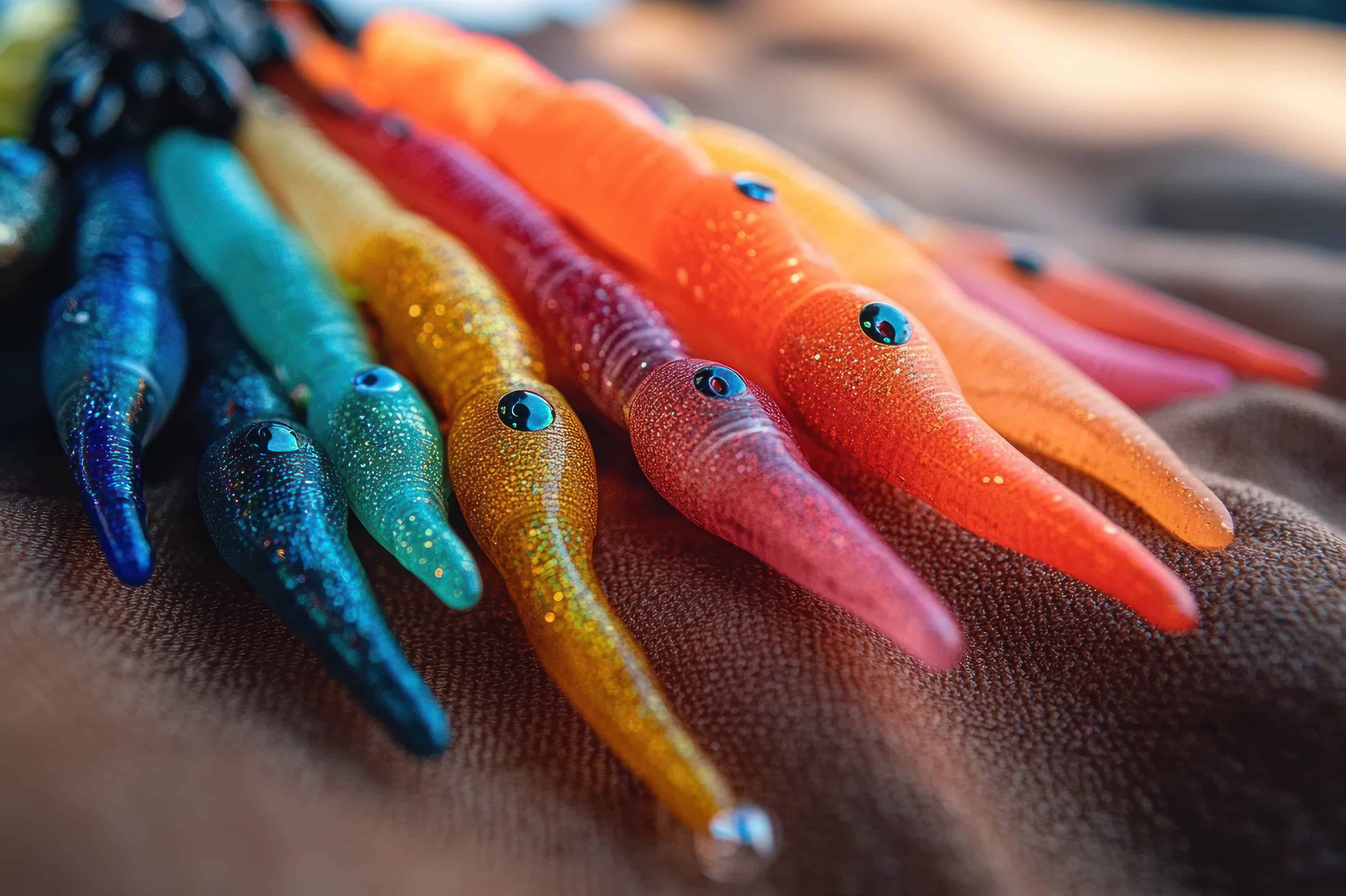
Burying the hook point gets you into cover you couldn’t fish otherwise, but it also puts plastic between the point and the fish. Whether that trade is worth it depends on the cover.

The Pause Is Where the Jerkbait Decision Gets Made
Twitching a jerkbait gets a fish’s attention, but the bite usually comes while it’s sitting still. Most people just don’t leave it still long enough for a cold fish to finish thinking.
A Spoon Does One Thing Well and Fails in an Obvious Way
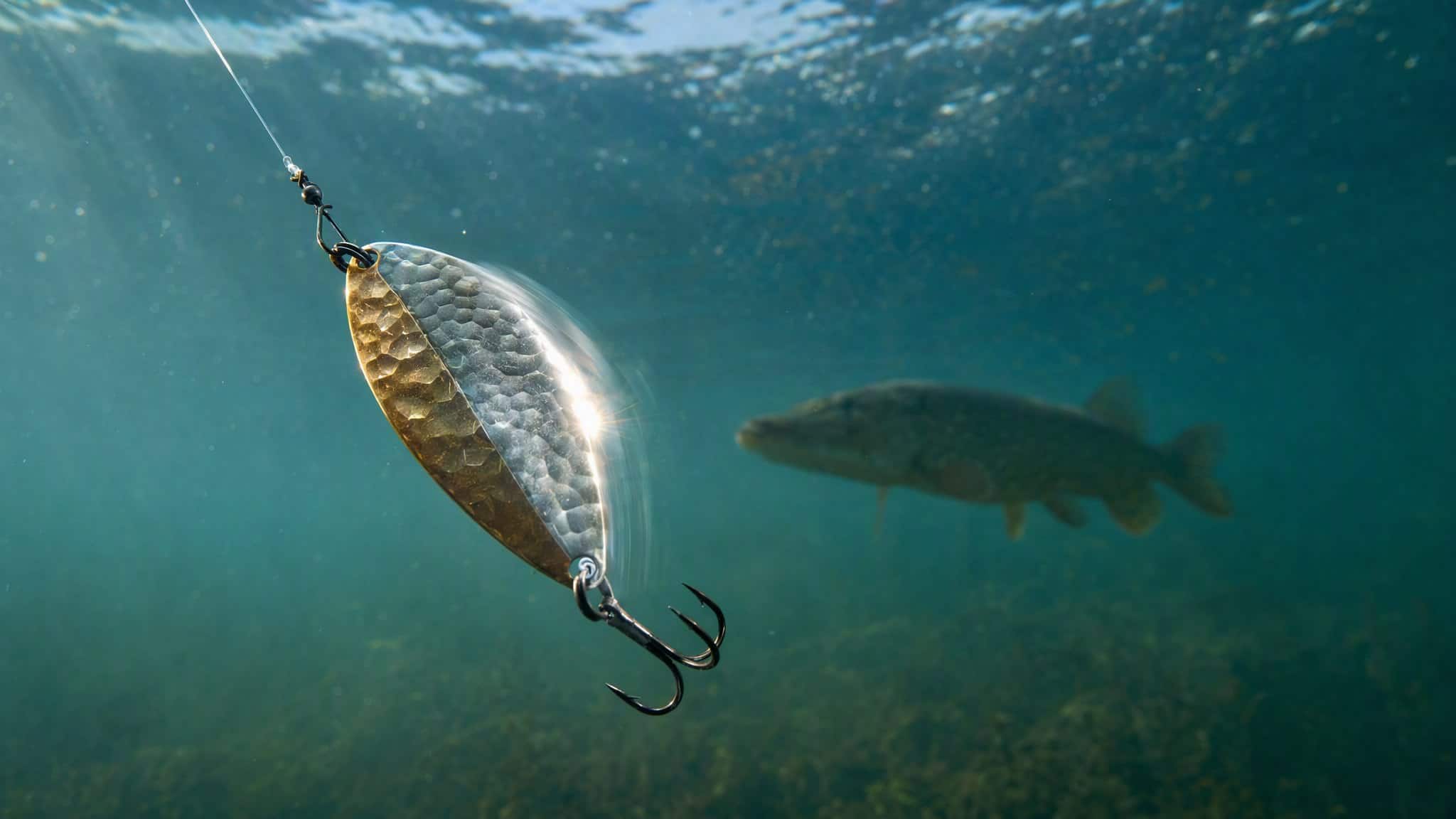
A spoon is a bent piece of metal with a hook on it. It flashes and wobbles beautifully, right up until you get the speed wrong and it starts spinning.

Size, Then Silhouette, Then Behavior, and Color Somewhere After That
The fly box invites you to solve every refusal with a different color. Most refusals aren’t about color, and trying changes in the wrong order is why the box keeps growing.

A Slip Bobber Is a Depth Argument You Can Actually Win
Most bait fishing fails at depth, not at bait. A slip float lets you set an exact depth and still cast it, and moving that number takes about fifteen seconds.
Most Streamer Retrieves Are Too Even to Be Believed
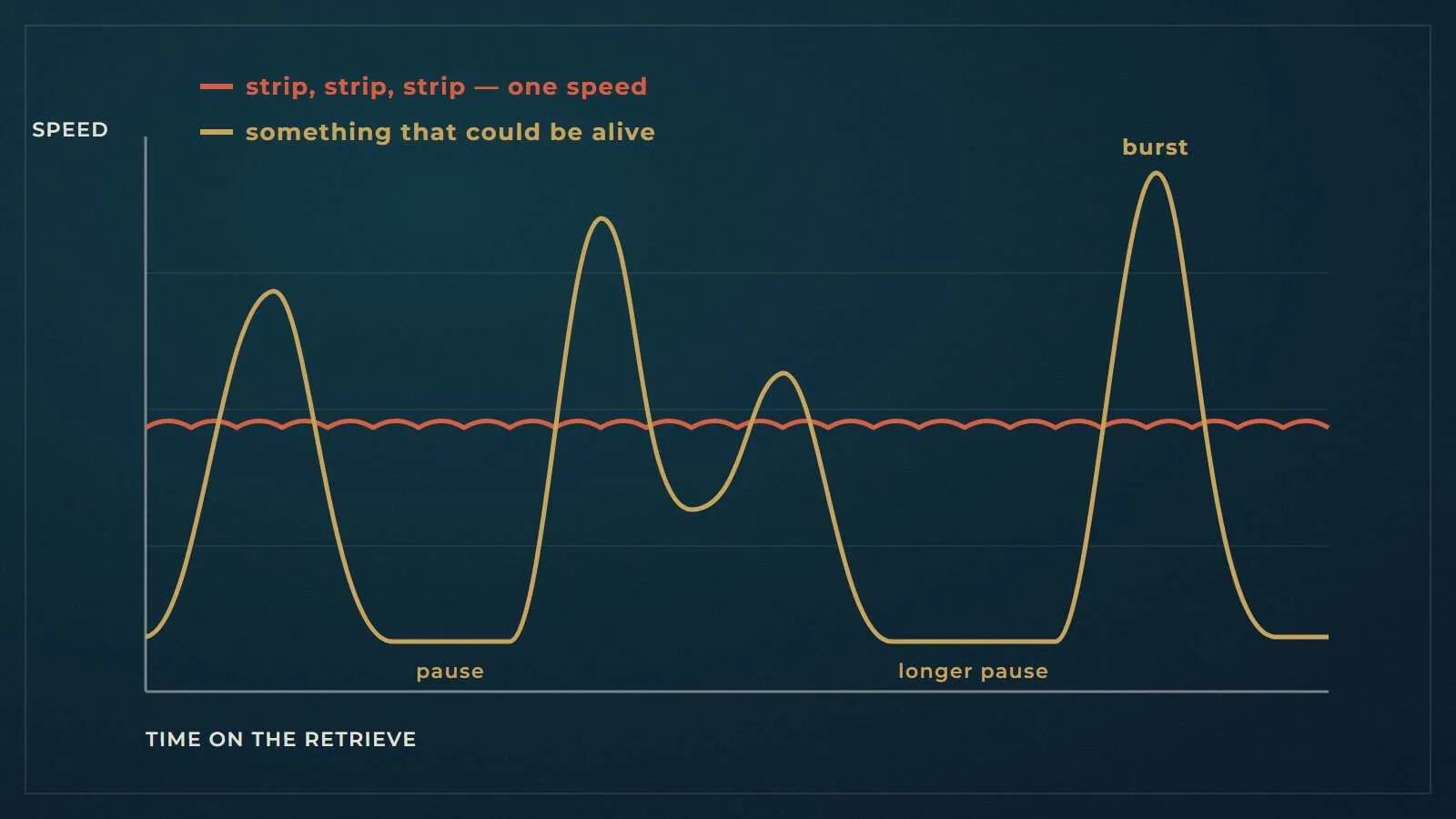
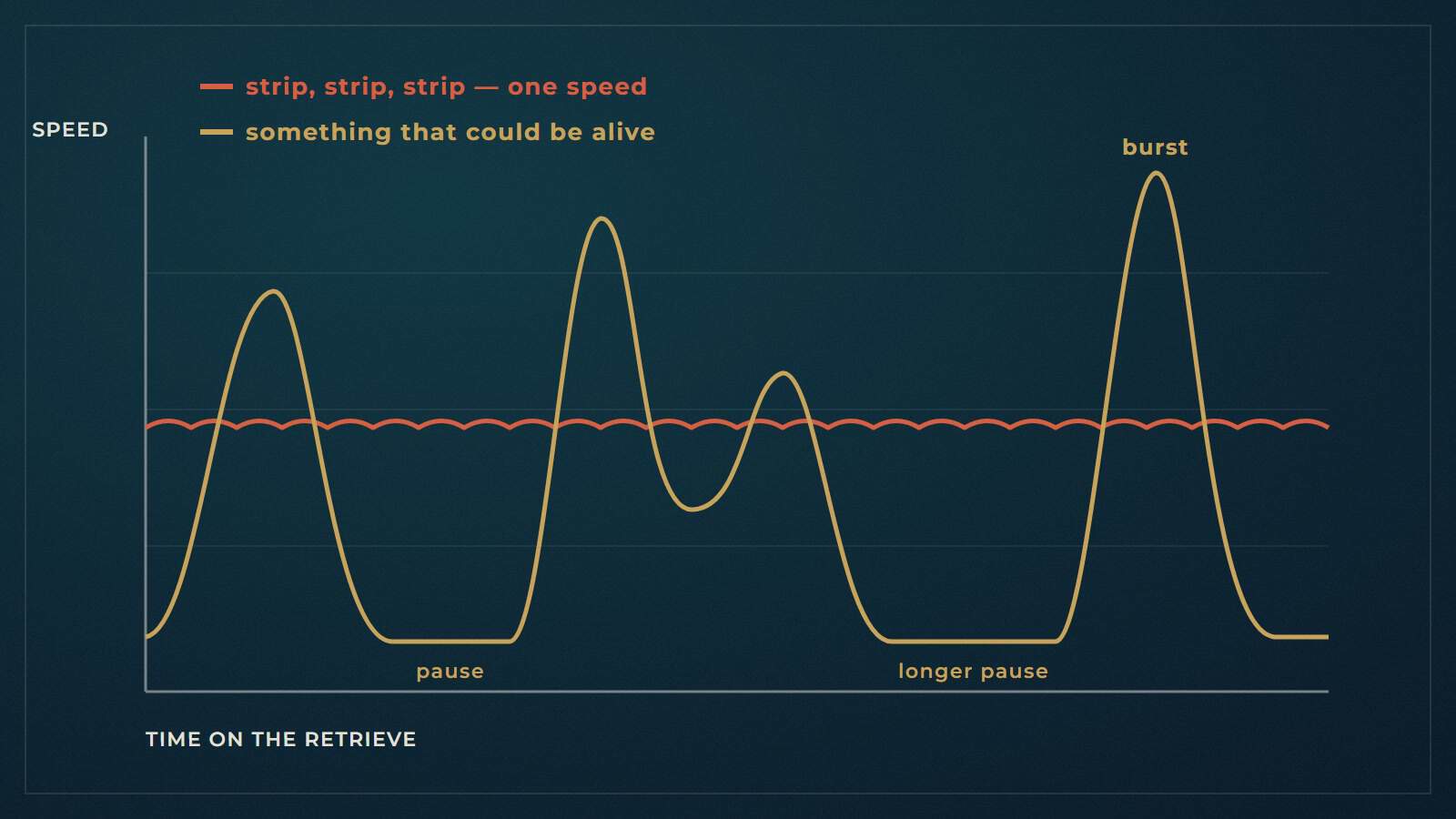
Strip, strip, strip, all the way back at one speed. Nothing in a river moves like that, and a big fish has spent years watching things that don’t.
The Carolina Rig Puts Three Feet Between the Weight and the Bait
A heavy weight drags the bottom and tells you what’s down there, while the bait drifts three feet behind it doing something no jig can. That gap is the whole idea.
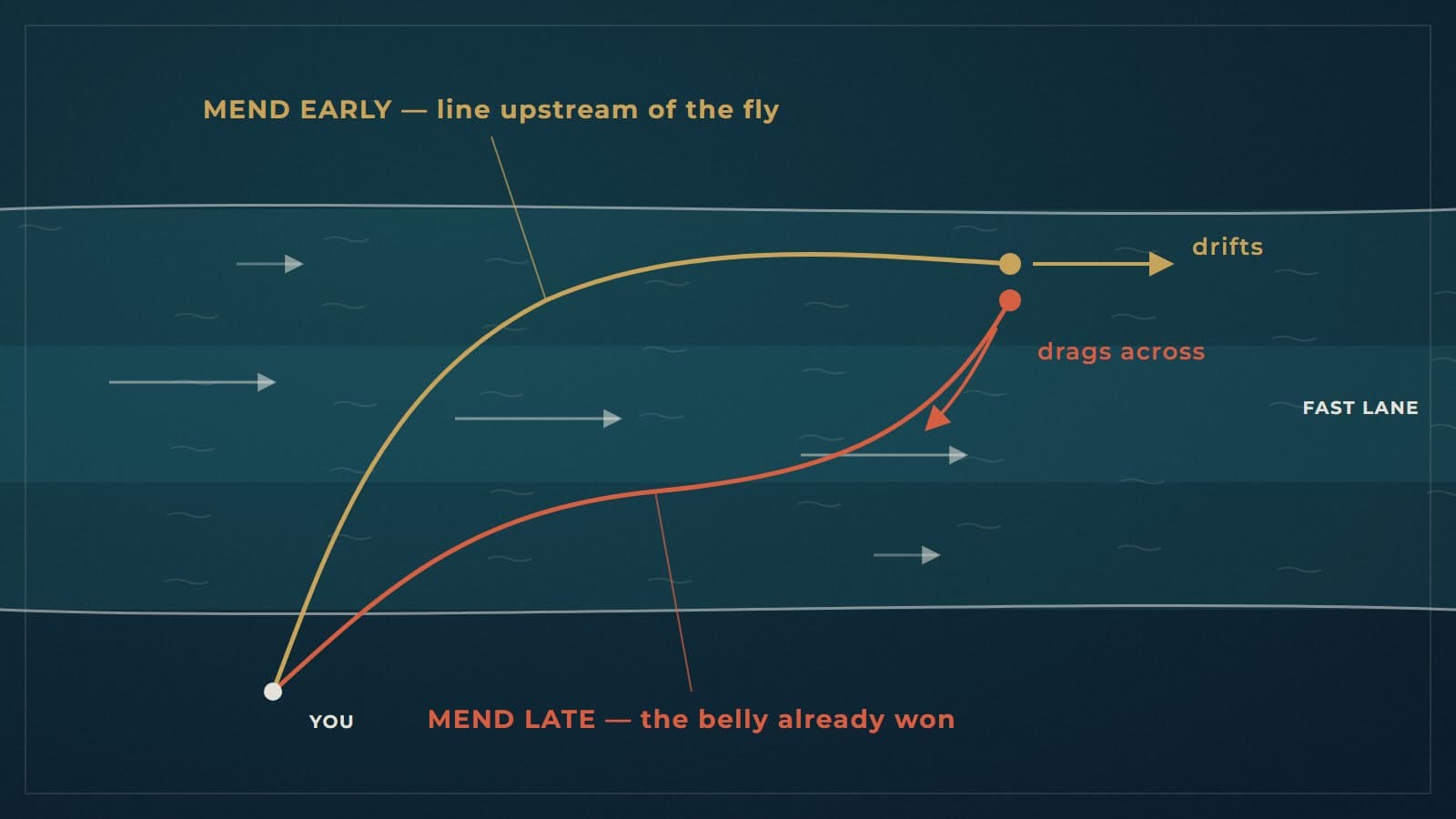
A Late Mend Is Worse Than No Mend
Mending isn’t something you do after every cast just because somebody showed you the motion. It fixes one problem, and doing it at the wrong moment drags your fly across the lane.