Every dock on a busy lake has a front edge that everybody has already thrown at, and a dark pocket way back underneath that hardly any lure has seen. The water furthest back under a dock, an overhanging tree or a low bridge usually gets the least fishing pressure on the whole lake, just because most people can’t get a bait back there. Skipping is how you get it there.
Stone skipping, with a hook in it
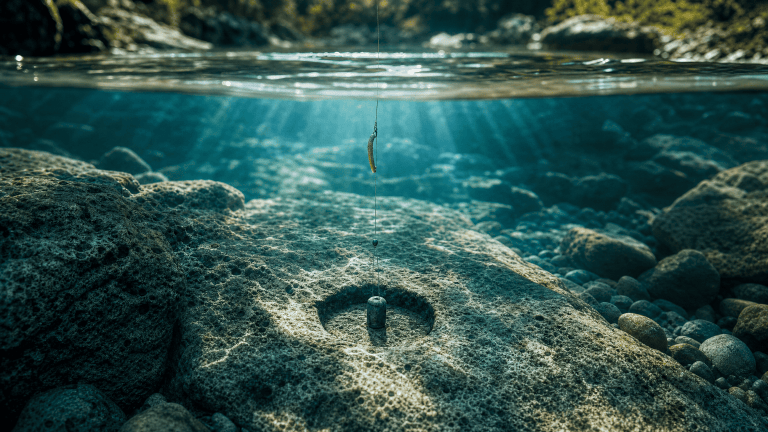
A skipped cast sends the lure across the surface on a low, flat path so it bounces — same idea as skipping a rock — up under cover that a normal overhand cast would just snag on the way in. It’s the difference between fishing the front edge of a dock and fishing the shaded water six feet back under it, where a normal cast physically can’t go.
The cast is sidearm, not overhand
A skip starts with a low sidearm or underhand motion that keeps the lure traveling close to the water and parallel with it, instead of arcing down into it. Keep the rod tip low through the whole cast. Aim for the lure to hit the water at a shallow, glancing angle several feet in front of the target, so it has room to skip forward on its own momentum instead of plunking down on the first touch.
The lure does more of the work than your arm
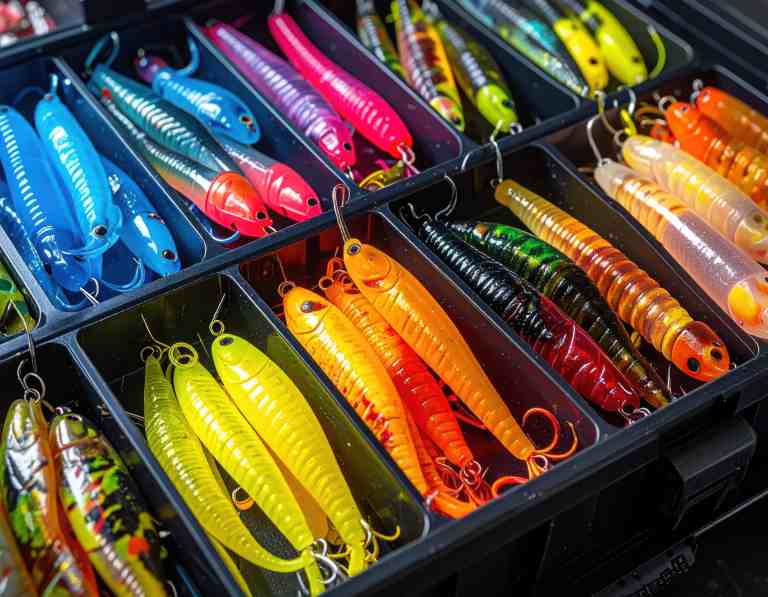
Flat, compact lures skip more reliably than bulky or heavily hooked ones. A soft plastic rigged weedless, with the hook point tucked against the body, skips clean and doesn’t hang up on the first bounce. Lures with exposed trebles or a lot of surface area tend to dig in instead of skipping across, and no amount of good casting talks them out of it.
Line
Line is the other half. Lighter, lower-diameter line skips easier because it comes off the reel with less resistance, and heavy, stiff line can kill a skip’s distance and consistency even when the cast behind it is good. If your skips keep falling short, checking line diameter and condition is usually a faster fix than rebuilding the whole cast.
Three feet clean beats ten feet stuck
A skip that travels three feet under a dock and lands clean beats one that was supposed to go ten and hangs up on the second bounce. Build the skip at short range first, until the low path and the clean bounce show up every time, then stretch the distance once the mechanics are actually reliable.
The retrieve starts the instant it lands
Fish holding tight in shaded cover tend to react fast, and a skipped bait that sits dead still after it lands can get looked over and ignored before you’re even ready. Be set to work the lure, even subtly, almost right after the skip settles. The skip is just the delivery. What the bait does once it’s back there comes down to angle and line path, which is what fishing presentation gets into.
Practice where a bad skip is free
Skipping comes along a lot faster on open water than around real cover. A bad skip near a dock or a laydown can cost you a lure you’re not getting back, and there’s no reason to pay that while you’re still building the motion.
Your first batch of skips is going to do some strange things — plunk straight down, or hop off sideways like they have somewhere better to be. That’s the motion still being built, not a sign it isn’t clicking. Out in open water it’s just funny instead of expensive.

FIELD OBJECT
This one should leave the page.
The article is the long version. These are the pieces worth carrying into the next trip.
The 30-second version
The shady pocket way back under a dock barely gets fished, mostly because a normal cast can't reach it. A low sidearm skip with a flat lure can.
What to watch
- Stone skipping, with a hook in it
- The cast is sidearm, not overhand
- The lure does more of the work than your arm
- Line
Field card
- Stone skipping, with a hook in it
- The cast is sidearm, not overhand
- The lure does more of the work than your arm
- Line
- Three feet clean beats ten feet stuck
RIGHT TOOL, NEXT
Species & Presentation
Carry the species behavior and presentation question into a narrower water-to-fish-to-presentation handoff.