Category
Safety & Stewardship
Fishing advice stops being useful if the access is illegal, the water is unsafe, or the fish should not be handled in the conditions you found. Start with Safety and Access, check the exact rule before you cast, and let conservation change the plan when it needs to.
Want the short version first? Start with the Safety and Access guide →
Everything filed under this heading, newest first.
Worth opening first
- Fishhook Removal in the Field: When to Stop, String-Yank, Advance-and-Cut, and AftercareWhen to stop, when to cut, and what the aftercare actually involves.
- Pike Handling Starts Before the CastThe damage happens in the four seconds after the net, by which point the decision is already made.
- Fog Changes the Fishing Plan Before It Changes the FishingVisibility drops and the plan changes well before the fishing does.
- Two Anglers in Fast Water Need One Positioning PlanOne positioning plan, agreed on the bank, before either of you is standing in current.
- Kayak Fishing Safety for Beginners Starts With the Paddle BackSettle the safety question first. The tackle question will still be there afterward.
- Fishing in the Rain Without Becoming a Miserable PuddleRain is a clothing problem for several hours before it becomes a fishing problem.
- When a Formerly Quiet Fishing Spot Gets CrowdedWhat to do about the crowd that isn’t passive aggression from thirty yards.
- A Fishing Plan Needs a Reason to LeaveDecide when you’ll quit while you’re still dry and reasonable.

Getting Out of the Ice Is a Plan, Not a Reaction
Cold water takes your breath and then your hands, in that order, on a clock measured in minutes. What you do in that first minute gets decided long before you go through.
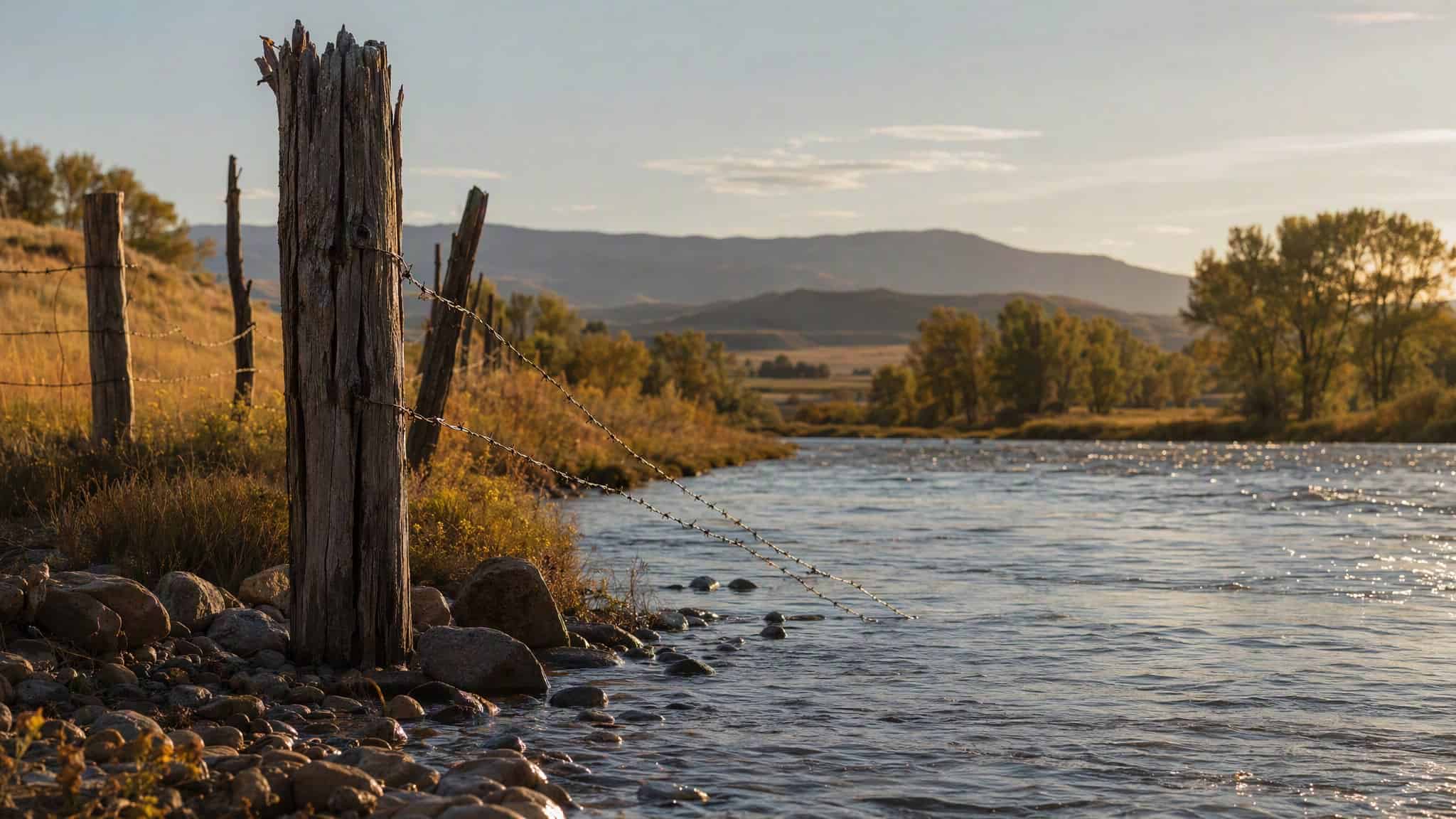
The Water Is Public. The Ground Under It Might Not Be.
Wading a river through private land is a legal right in Montana and a trespass in Wyoming. The federal rules don’t change at the border, but state law does, and that’s the whole difference.
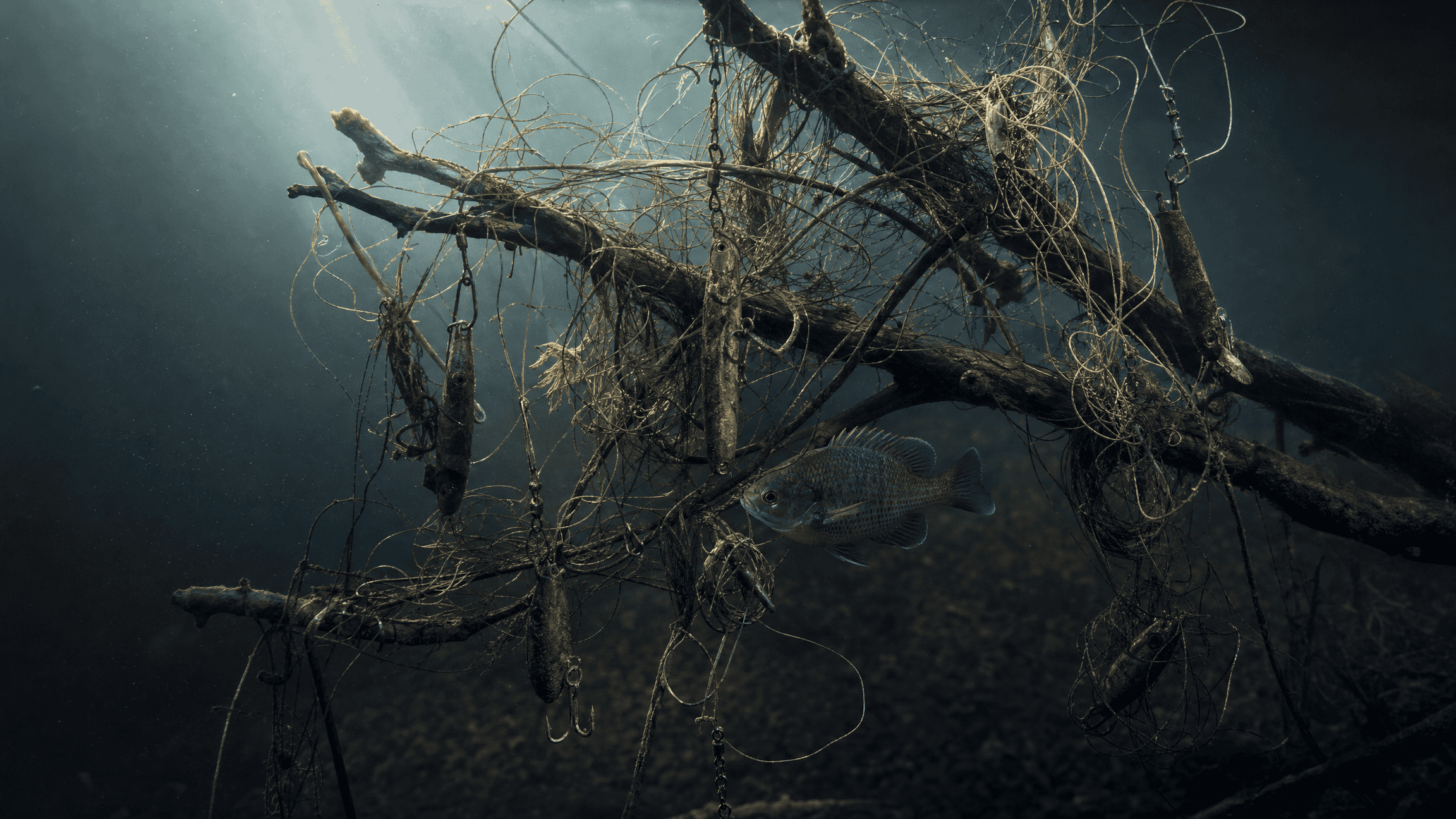
There Is No Dignified Way to Get a Lure Out of a Tree
Every angler eventually makes a cast that turns into a forestry problem. Getting the lure back has less to do with dignity than knowing when to stop making it worse.
Wind Is a Route Problem Before It’s a Casting Problem
In a kayak, wind decides how hard the trip home is before it decides anything about lures. Plan the route around getting back, then worry about the fish.

The Best First Kayak Fishing Trip Might Not Include a Fishing Rod
Before you add hooks and rod holders, spend a day just paddling. Learn how the kayak moves when you shift your weight, and how you get back in when it doesn’t cooperate.
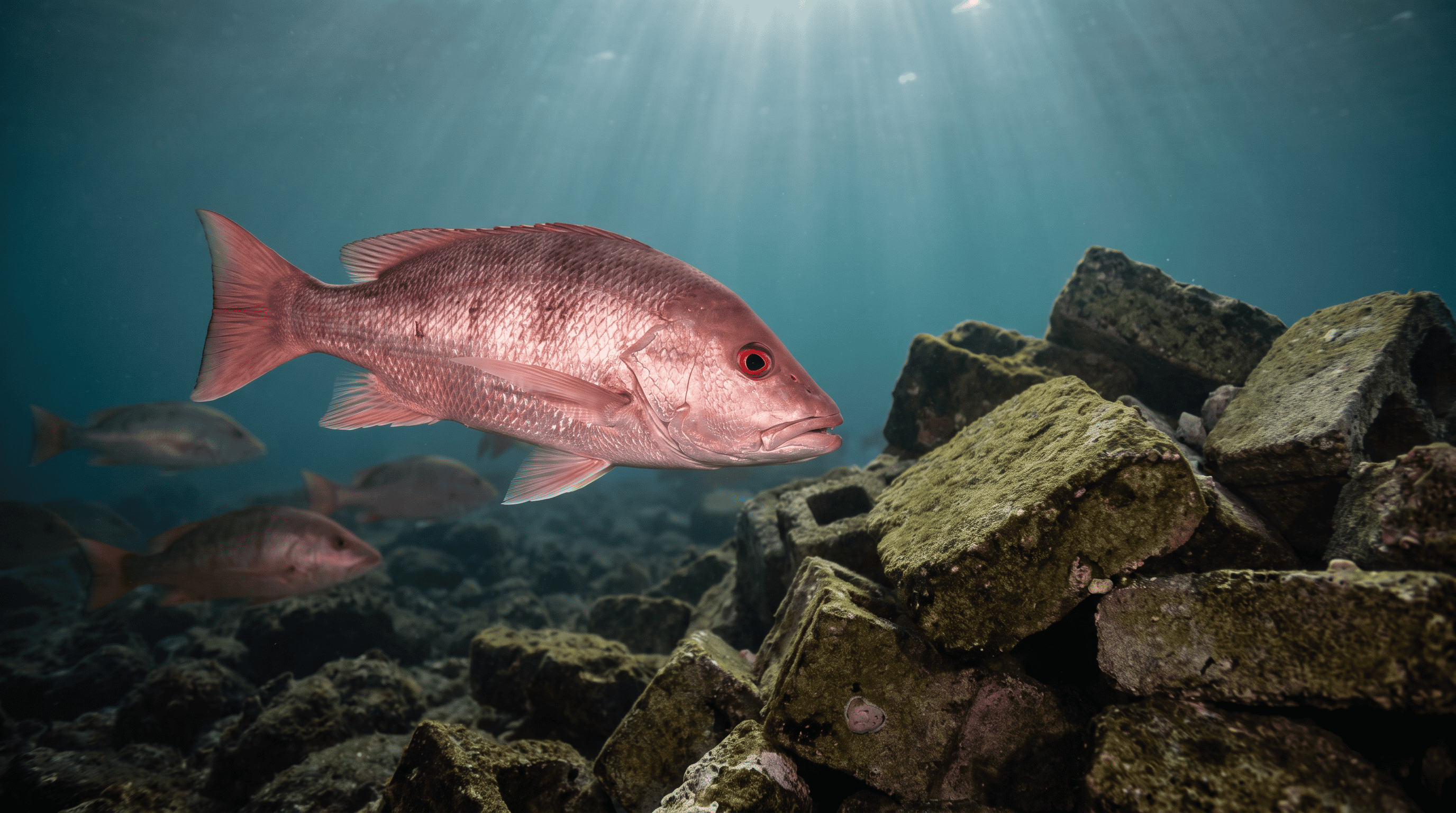
A Fish That Floats Back Up Needs More Than a Gentle Release
A fish that floats right back up after release probably has barotrauma. It needs to get back to depth, using the method the agency recommends for that species and water.
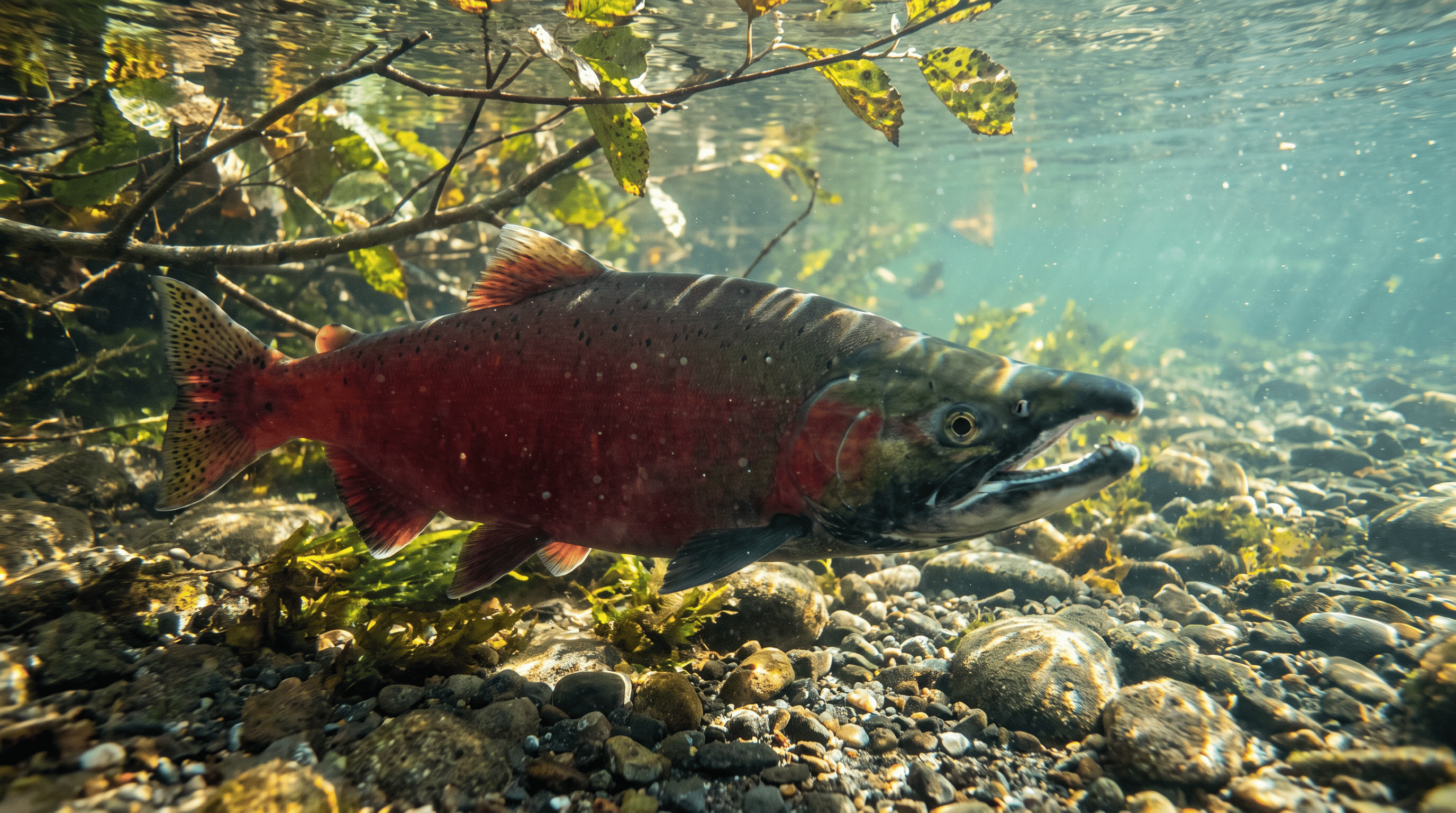
That Clean Patch of Gravel Might Be a Trout Nursery
In fall, a clean patch of lighter gravel can be a trout redd with eggs buried in it. Walk around it, and fish the water that isn’t a nursery.

Circle Hooks Work Better When You Stop Trying to Set Them
With a circle hook, a hard swing is what pulls it back out. Let the line come tight, keep reeling, and let the hook turn and find the corner of the jaw.

Fishing Licenses and Regulations: The Water-Specific Check Before You Cast
Your license only settles whether you can fish in that state. Whether this river is open today, or those minnows in your bucket are legal here, is a whole separate check.

Ice Thickness Isn’t a Safety Verdict
A tape measure beats a hunch on hard water, and even the right number is only a floor. Run yours against the published guidance, then read what thickness can’t tell you.