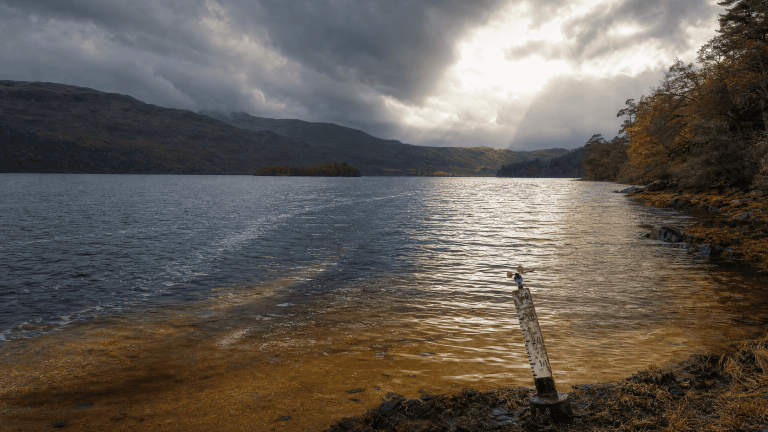
A mild wind beside the truck can feel very different once the kayak keeps sliding away from the launch.
From shore, wind is mostly a casting and presentation problem.
From a kayak, it’s also transportation, which is the part of kayak fishing nobody prints on the box.
Before you decide which bank the wind might improve, figure out what that wind does to the trip home.
The easy outbound leg can lie to you
A tailwind makes a kayak feel efficient. You cover water fast, and the next point always looks close enough.
Then you turn around.
The return may mean paddling nonstop into wind and waves for a lot longer than the way out took. If you’re tired, cold, or hauling extra fishing gear, that difference matters.
Build the route so the hardest leg you expect is within your actual paddling ability. Don’t use the easy half of the trip to estimate the hard half.
Check the forecast and keep checking the water
Look at the current forecast before launching, including wind direction, speed, gusts, storms, and any marine or small-craft information that applies to that water.
Then keep watching. A forecast doesn’t excuse you from noticing whitecaps building, weather lining up on the horizon, or the wind swinging around until the protected shore isn’t protected anymore.
The National Park Service’s kayak safety guidance tells paddlers to check the forecast, watch conditions while they’re on the water, wear a life jacket, and be capable of self-rescue. For route planning, the forecast gets you started, but the water in front of you can still change the decision.
That applies on any lake.
Wind direction changes which shore is protected
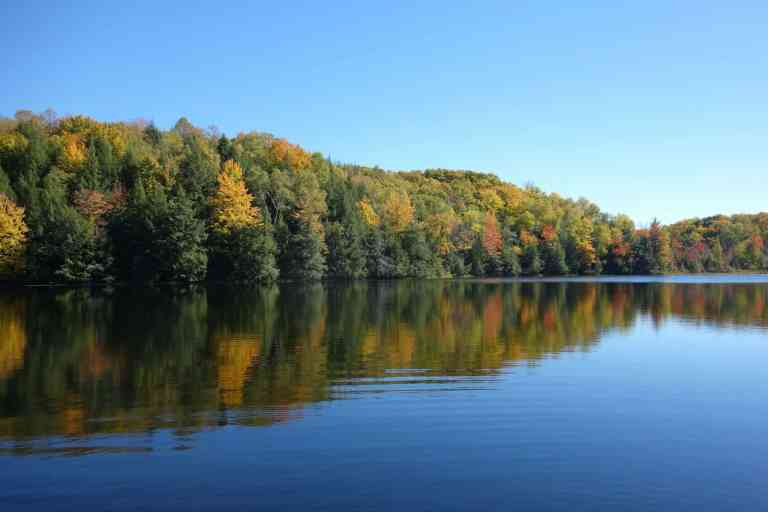
A shoreline can feel calm just because it’s on the lee side, the side sheltered from the wind.
Cross an open bay and the same wind may have a lot more room to build waves.
Look at the map before you launch. Which banks give you shelter if the wind picks up? Where are the legal landing spots? Are there stretches of cliffs, private property, marsh, or anything else that makes getting off the water hard?
A route with several safe ways off the water is a different trip from one where the next usable bank is two miles away.
Fishing drift can quietly spend your return energy
You stop paddling to fish a point for ten minutes, and the wind moves the kayak a hundred yards.
You fish another bank. It happens again.
After a few hours, the boat has traveled a lot farther downwind than your casts made obvious.
Check your position regularly, with landmarks or GPS if that makes sense. If every fishing drift is carrying you away from the takeout, that movement belongs in the trip plan.
A good bite is great. Just don’t let it keep turning return distance into a future problem.
Anchors don’t make wind harmless
Anchoring a kayak adds its own hazards, especially in current, waves, and changing wind. An anchor line can change how the boat sits against that force, and it can create an entanglement risk.
If kayak anchoring is new to you, strong wind or current isn’t the place to learn it. Use only a system you understand on that boat, with a release you can operate immediately, and skip the anchor entirely when conditions are beyond the setup or your experience. Drifting off a good spot is cheaper than creating a boat-control problem to stay on it.
Sometimes the safer answer is to leave the spot.
The PFD is already on
Wear a properly fitted PFD while paddling.
Carry the safety equipment required for that water and those conditions, and dress for the water temperature, not just the air. File a float plan with someone who knows where you’re going and when you should be back.
The American Canoe Association’s Smart Start course covers weather, trip planning, hazards, temperature, and rescue priorities. NPS kayaking guidance makes the same core point: being able to rescue yourself and paying attention to weather are essential, not extras you think about after the fishing gear’s packed. If boat control itself is still the new part, start with the first kayak practice piece before you add a fishing route, and the rest of the fishing-without-a-boat section is there after that.
Know the turn-around signal before you need it
Pick your reason to head back while you’re still making good decisions.
That could be a forecast change, waves visibly building, a wind shift that takes away your protected way home, fatigue, cold, equipment trouble, or just reaching the farthest point you planned.
The signal shouldn’t be “when I get scared enough.”
If conditions are moving toward the edge of what you can handle, go back early.
The landing deserves its own wind check
Getting back to the launch isn’t the same as getting out of the kayak cleanly. A crosswind can shove the boat sideways while you’re trying to step onto a ramp or beach, and waves can make a rocky landing a lot harder than it looked when you left.
Come in slowly. Secure loose rods and tackle before the last few yards. If the original launch has gotten exposed and your plan includes a safer legal landing, use it instead of forcing the boat back onto the exact same patch of shoreline. The day isn’t over until you and the kayak are both out of the water.
Fishing comes after the route works
Once the trip home is accounted for, wind turns back into useful fishing information. It can move surface water, pile up food, change clarity, shift bait around, and set up different conditions on opposite sides of the same lake.
The wind-direction piece covers that side of it.
In a kayak there’s just one step before that. Before you ask what the wind does to the fish, make sure you know what it does to you.
FIELD OBJECT
This one should leave the page.
The article is the long version. These are the pieces worth carrying into the next trip.
The 30-second version
In a kayak, wind decides how hard the trip home is before it decides anything about lures. Plan the route around getting back, then worry about the fish.
What to watch
- The easy outbound leg can lie to you
- Check the forecast and keep checking the water
- Wind direction changes which shore is protected
- Fishing drift can quietly spend your return energy
Field card
- The easy outbound leg can lie to you
- Check the forecast and keep checking the water
- Wind direction changes which shore is protected
- Fishing drift can quietly spend your return energy
- Anchors don't make wind harmless
RIGHT TOOL, NEXT
Field Sense Navigator
Take the article’s water or access question into a place-specific conditions and route check.