Category
Hatch, Forage & Fly
Fly fishing, forage, insect stages, hatch clues, and what fish can actually reach. Start with Hatch Match and its observation guides.
Everything filed under this heading, newest first.
Worth opening first
- A Rise Doesn’t Automatically Mean Dry FlyWhat the rise form is telling you, and how often it is telling you something else entirely.
- You Can Match the Forage Without Naming ItSize and silhouette get you there. Latin is optional and usually late.
- One Bug Isn’t a Hatch ReportThe distance between an observation and a conclusion, measured on the water.
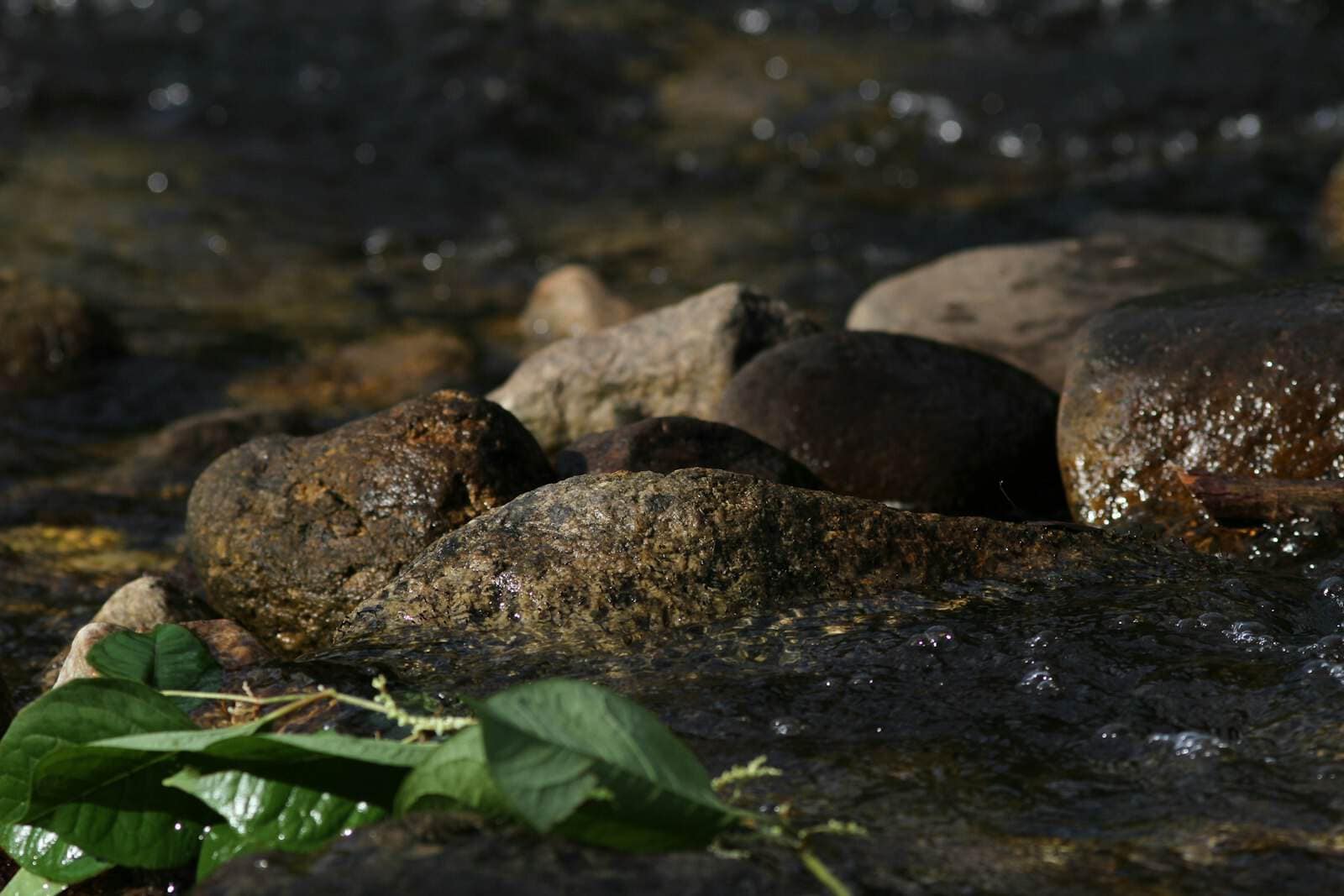
Stoneflies Walk Out. That Changes Where You Should Look.
Many stonefly nymphs crawl toward shore before they emerge, so the bank is part of the hatch. Check the rocks by your boots for empty shucks before you pick a fly.
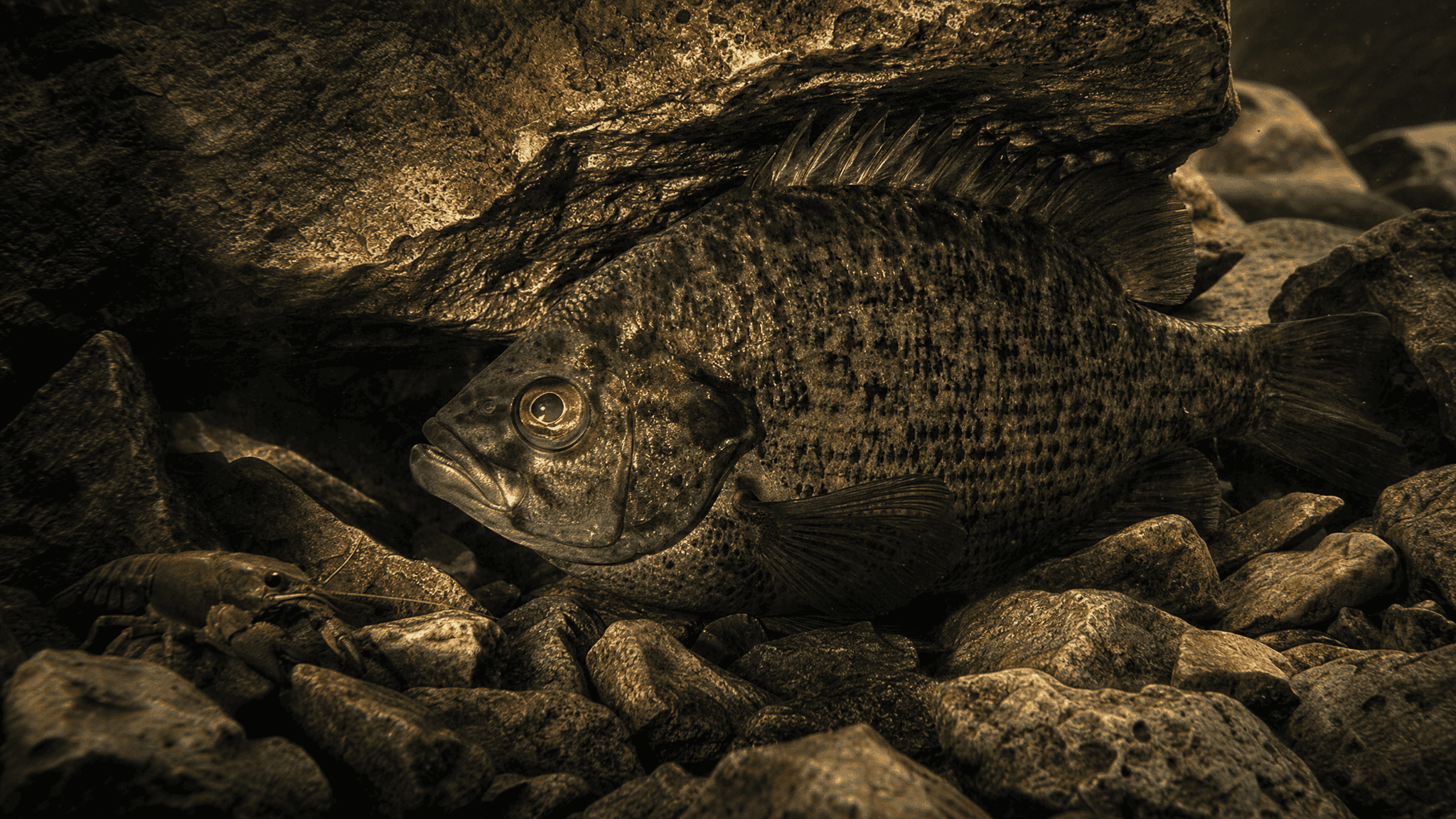
If the Bottom Has Crayfish, Fish Notice
Crayfish turn rocky, woody bottoms into food. Figuring out where they live tells you more than carrying another dozen craw colors.
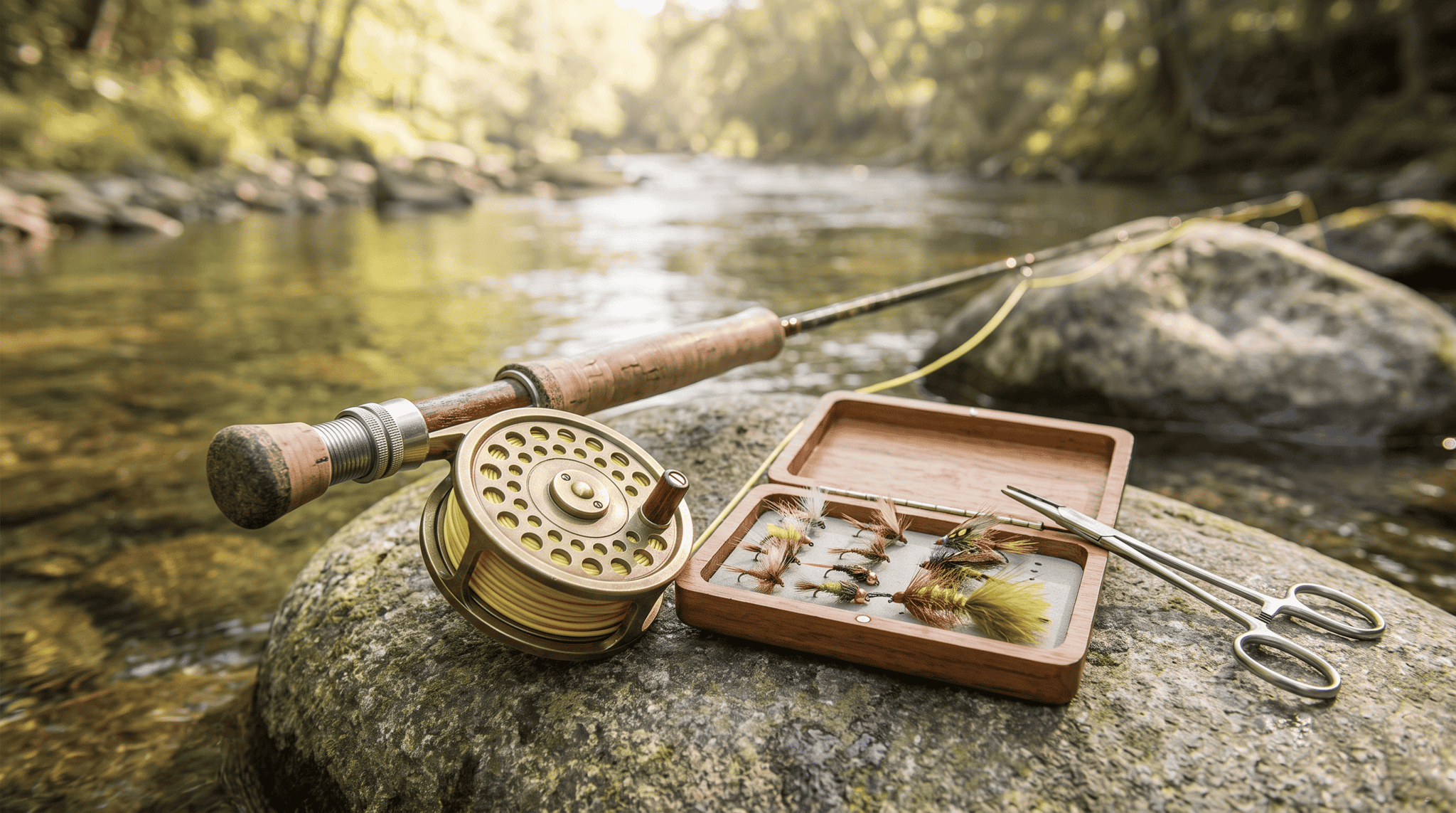
Dry-Dropper Rigs: Two Flies, One Useful Question
A dry-dropper lets one cast check whether fish are coming up or eating underneath. That’s the real reason to fish two flies, not some promise of doubling your catch.
The Mayfly Hatch Can Be Over Before the Best Dry-Fly Fishing Starts
When trout start rising steadily after the hatch looks finished, the food is often spent mayfly spinners lying so flat in the film you can’t see them from standing height.
Caddis Are Not Just Little Moths Over the River
Caddis in the air, quiet water, no fish. A lot of the time the trout are eating a stage you can’t see, down on the bottom or on the way up.
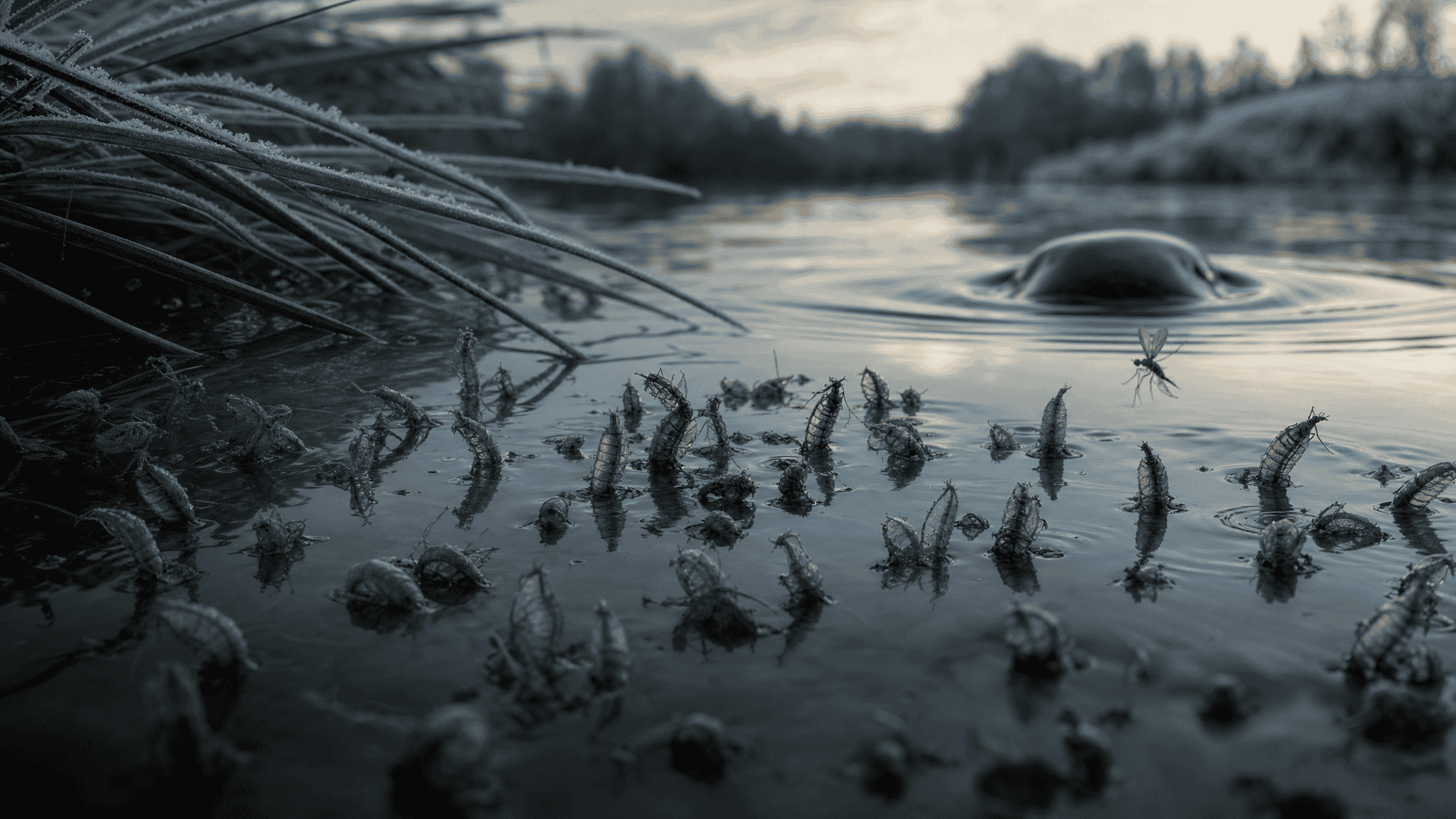
Midges: The Smallest Hatch That Still Moves Big Fish
A trout sipping in cold, slow water with nothing on the surface may well be eating midges, the hatch almost everybody walks past because each bug can be smaller than a grain of rice.

Terrestrials: When the Real Hatch Is Falling Out of the Grass
A lot of summer trout food never hatched out of the river at all. It fell off the grassy bank, and a breezy afternoon knocks more of it in than a still one.
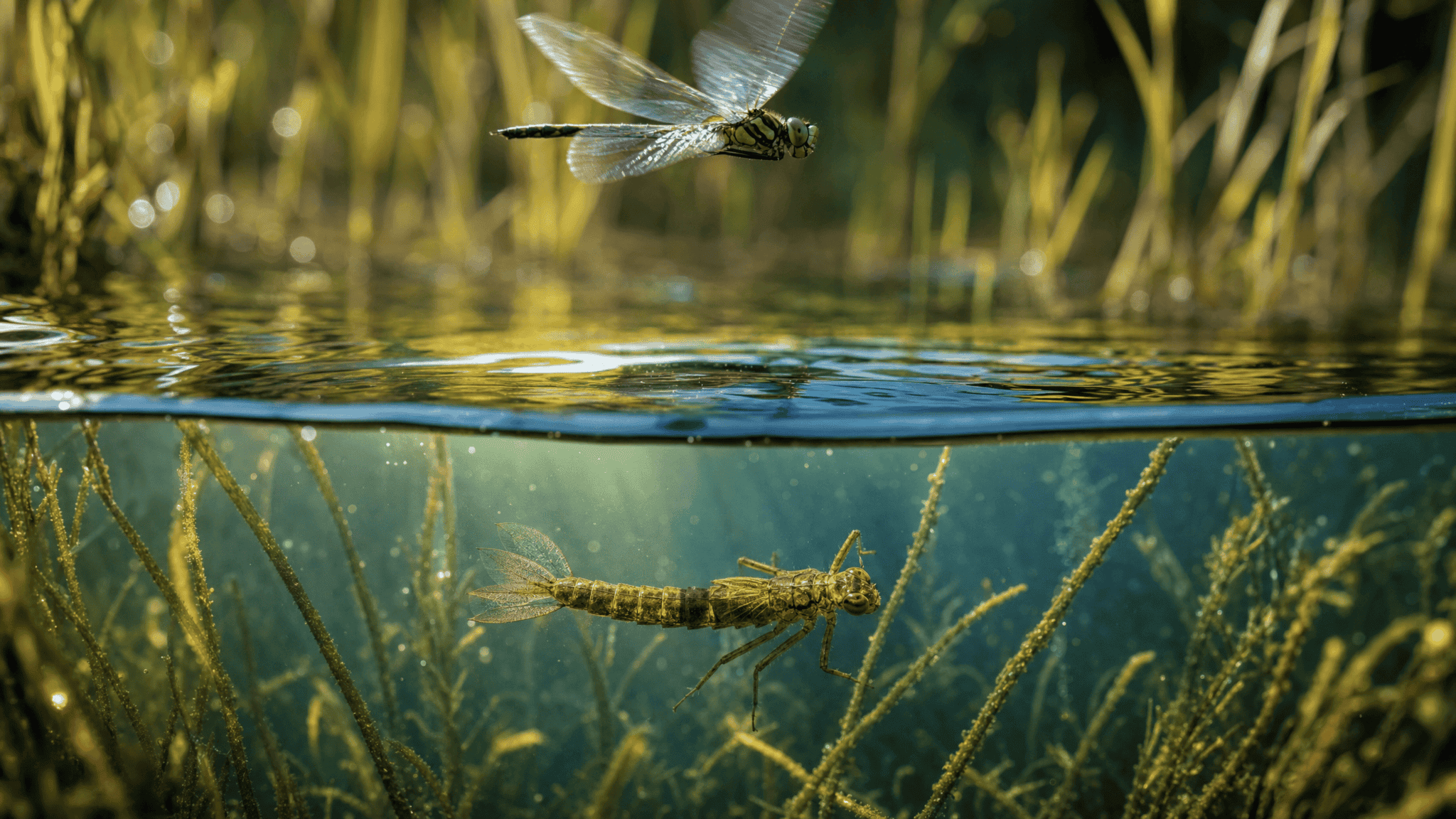
Damselflies and Dragonflies: One Forage Category, Two Very Different Fish
Damselfly and dragonfly nymphs live in the same weedy water and swim nothing alike, which means the retrieve can be wrong even when the fly looks right.

You Can Match the Forage Without Naming It
You don’t need a species name to pick a good first lure or fly. How big the food is and where it’s riding in the water usually get you closer than the Latin does.
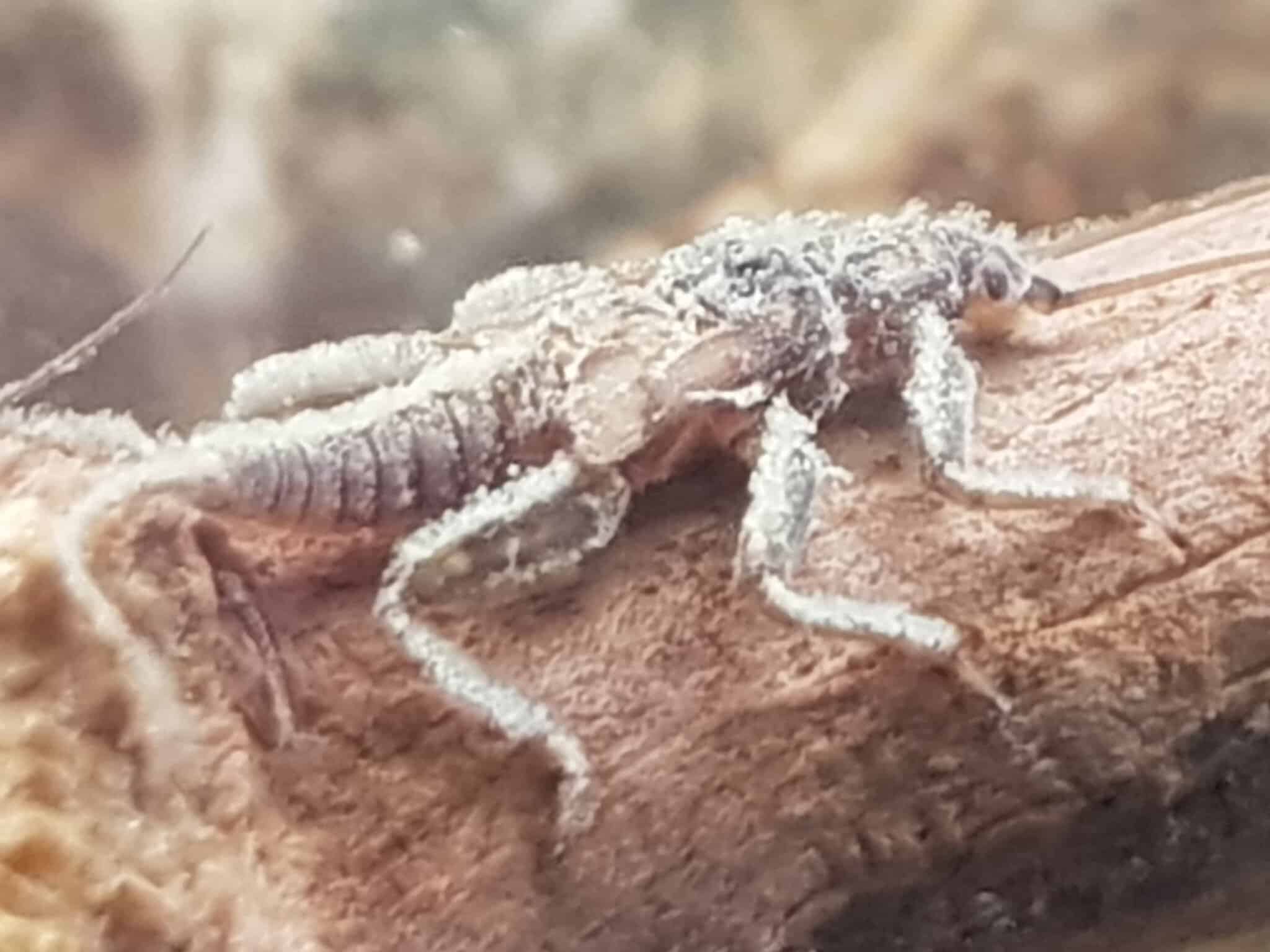
One Bug Isn’t a Hatch Report
One bug on the water is one bug on the water. Before naming a hatch, I watch which lane keeps producing rises and what layer the fish are actually eating in.