

HATCH MATCH · WHAT ARE THEY EATING?
The thing you saw never looks exactly like the picture.
Tell it where the bug or baitfish was, what stage it seems to be in, and what you can honestly make out. Hatch Match checks that against a reviewed set of reference descriptions and hands back the kinds of food worth considering, whether that’s an insect, a hopper off the bank or a baitfish. It shortens the list. Deciding whether your fish cares, and what to tie on because of it, still happens over in Species & Presentation.
THE FIRST LOOK
Six clues, and “not sure” counts as an answer.
Water
River, stream, lake margin, spring, or not sure. Where it was narrows the list faster than what color it is.
Position
Under the surface, coming up through it, riding on top, dropping back into it, drifting, swimming, crawling.
Life stage or form
Nymph or larva, pupa, emerger, adult, terrestrial, baitfish — or unknown. Unknown is real data and the tool takes it.
Size
Length and bulk can matter more to the next presentation decision than the exact name. A fingernail works fine as a rough field ruler. The how-to on matching the hatch explains why size and depth come before the name.
Silhouette
Body shape, tails, wings, antennae, legs, fins. Record what you can genuinely see and skip what you can’t.
Movement
Drifting, pulsing, swimming, skating, crawling, fluttering, schooling, sitting still. How it moves is a clue about what it is. It isn’t a lure recommendation.
FIELD GUIDES
Use the guides to check a clue, not to force a name on it.
Observation Guide
Start here when you can’t tell which group you’re looking at. If the app and the field guide give you two different answers, leave the ID open and write down the clue you actually saw. “Not sure” is allowed to come along to the next step.

Caddisflies
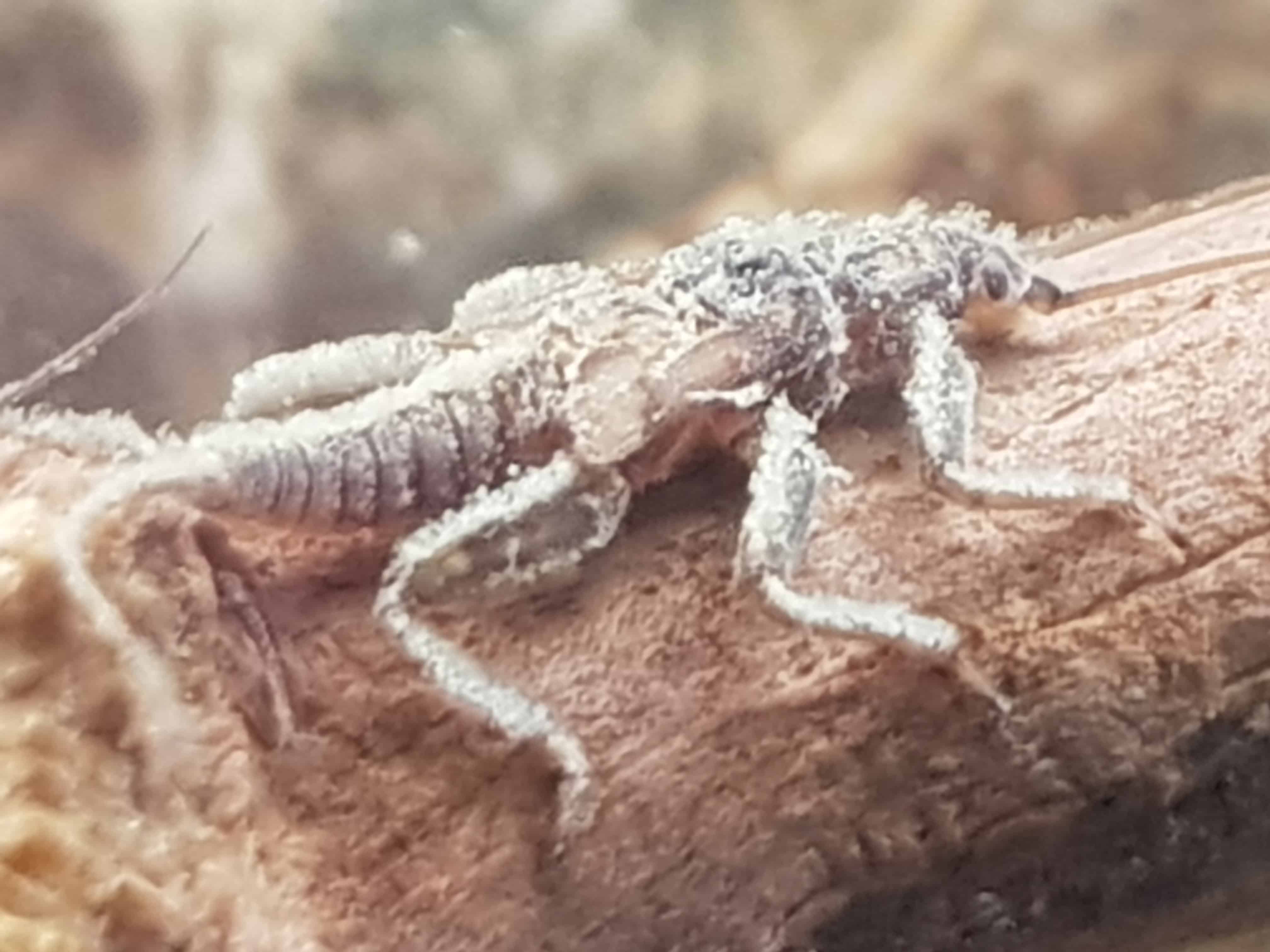
Case shape, how the larva moves, what the pupa does on the way up, and the adult’s profile at rest.
Baitfish and forage
Shad, silversides, cisco, juvenile sunfish. If the fish eats fish, match the observed size, silhouette and behavior before the exact name.
Crayfish
Rock, riprap, crawl, hop and settle. Use the movement and the habitat you can see as clues; don’t turn one sighting into a rule about what everything in that water eats.
Midges
The most dependable food on a lot of water, and the hatch most people walk straight past.
Terrestrials
Ants, beetles and hoppers coming out of the streamside grass. Mid-to-late summer, that’s often worth checking before assuming an aquatic hatch.
Damselflies & Dragonflies
Two nymphs that behave differently, so the movement cue matters. Most of the useful observation is down in the nymph stage, not up top with the adults.
A shortlist isn’t an ID, and it won’t pick your fly.
The comparison narrows down what kind of food you’re probably looking at and hangs on to the clues worth keeping, like size, stage, silhouette, position and movement. It isn’t a hatch report or a record of what lives where, it says nothing about regulations, and it has no idea whether the fish you’re after even care. Something showing up as possible in the reference set doesn’t mean it’s on the water today.
Take what you found back to Species
Species & Presentation is where you decide whether your target fish would realistically eat that and whether it changes how you fish. Hatch Match helps with that call. It doesn’t make it.
Tackle comes after
Only once the presentation’s settled: if what’s left is whether your rod, line, leader and terminal tackle can actually fish it, take that to Tackle Link.
Keep the trip in Field Ops
Field Ops holds the active trip and the debrief later. Send what you confirmed about the food and the presentation back there instead of starting a second trip record inside Hatch Match.
A sample size of one bug.
You caught or saw one thing, in one place, in one minute. That’s a sample of one. Look at a few more before you decide the whole water is doing something, and if you still can’t tell, say you can’t tell.
Three pieces behind the tool
Hatch Match assumes you’ve already looked at the water and aren’t sure what you saw. A Rise Doesn’t Automatically Mean Dry Fly works through the rise itself, and how often it’s really telling you about something happening several inches under the surface.
You Can Match the Forage Without Naming It makes the case that size and silhouette do most of the work, and the Latin shows up late if it shows up at all. One Bug Isn’t a Hatch Report is about the gap between seeing something and deciding what it means.
Match what’s actually there, not what you packed for.
Start broad. Look longer than feels necessary — the second observation usually tells you more than the first. Then carry the useful cues forward without carrying fake certainty with them.
On the shelf: Hatch, Forage & Fly
All 24 pieces on Hatch, Forage & Fly → The Worm Isn’t a Cheat Code. It’s a Real Animal That Lives There.
 A Leech Swims Badly, and That’s the Whole Presentation
 Size, Then Silhouette, Then Behavior, and Color Somewhere After That
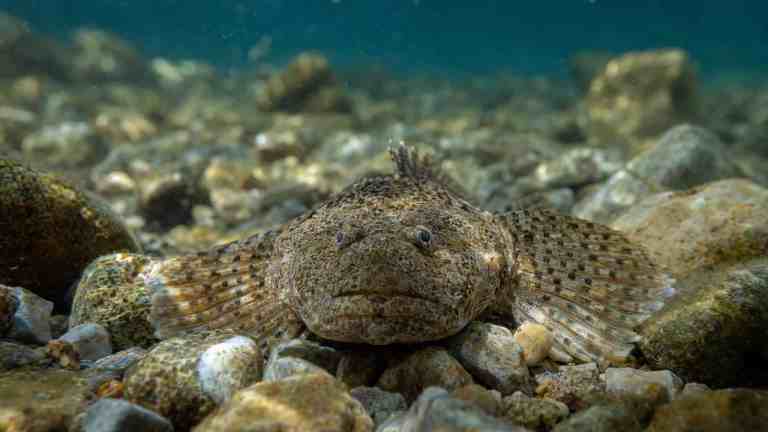 Sculpin Don’t Swim Like Minnows, So Stop Fishing Them That Way
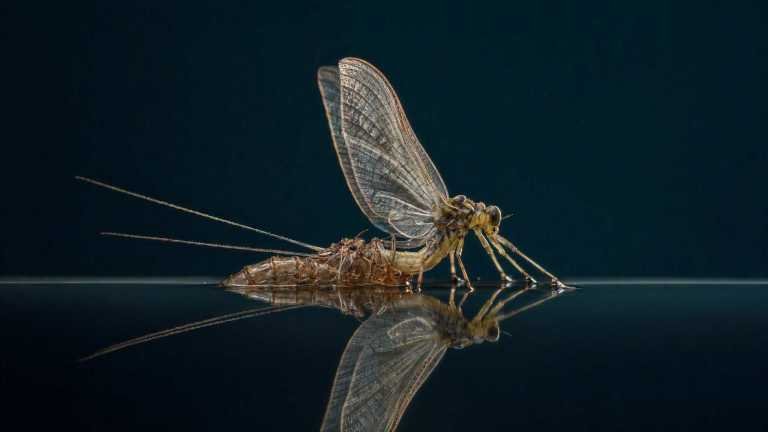 The Fish Are Eating the Stage You Can’t See
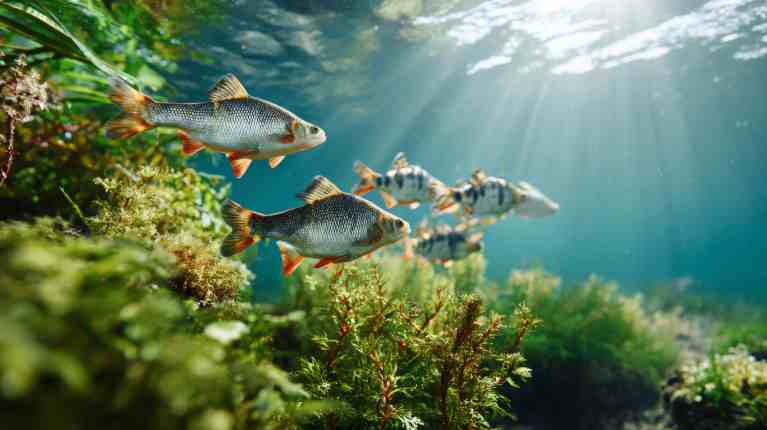 By August the Shallows Are Full of This Year’s Fish
 Scuds and Sowbugs: The Food Trout Get Without Waiting for a Hatch
 Find the Bait Before You Pick the Bait
 If the Bottom Has Crayfish, Fish Notice
 Dry-Dropper Rigs: Two Flies, One Useful Question
 The Mayfly Hatch Can Be Over Before the Best Dry-Fly Fishing Starts