Tie on a red worm pattern in front of the wrong person and you’ll hear about it.
It’s usually delivered with a small laugh, as if you’d brought a calculator to a spelling bee. And the thing is, the objection isn’t about biology, because biologically there is nothing to object to. Aquatic worms live in the sediment of most trout rivers in serious numbers. The fish eat them. That’s the end of the factual part of the argument.
What the objection is actually about is that the pattern is easy, and some people would prefer that the sport be hard.
Where they live and why you never see them
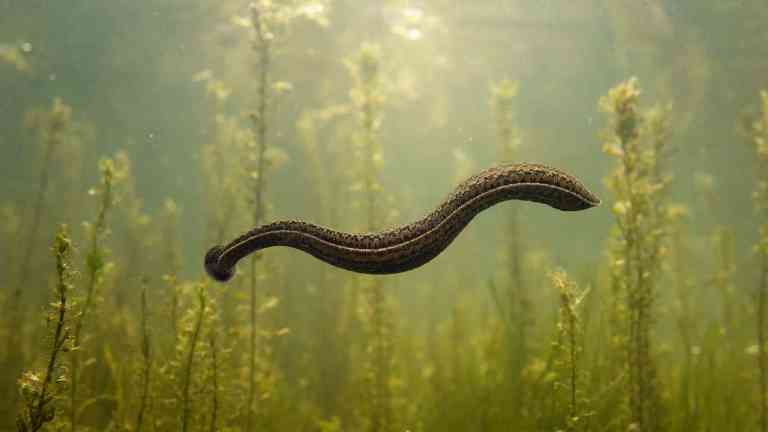
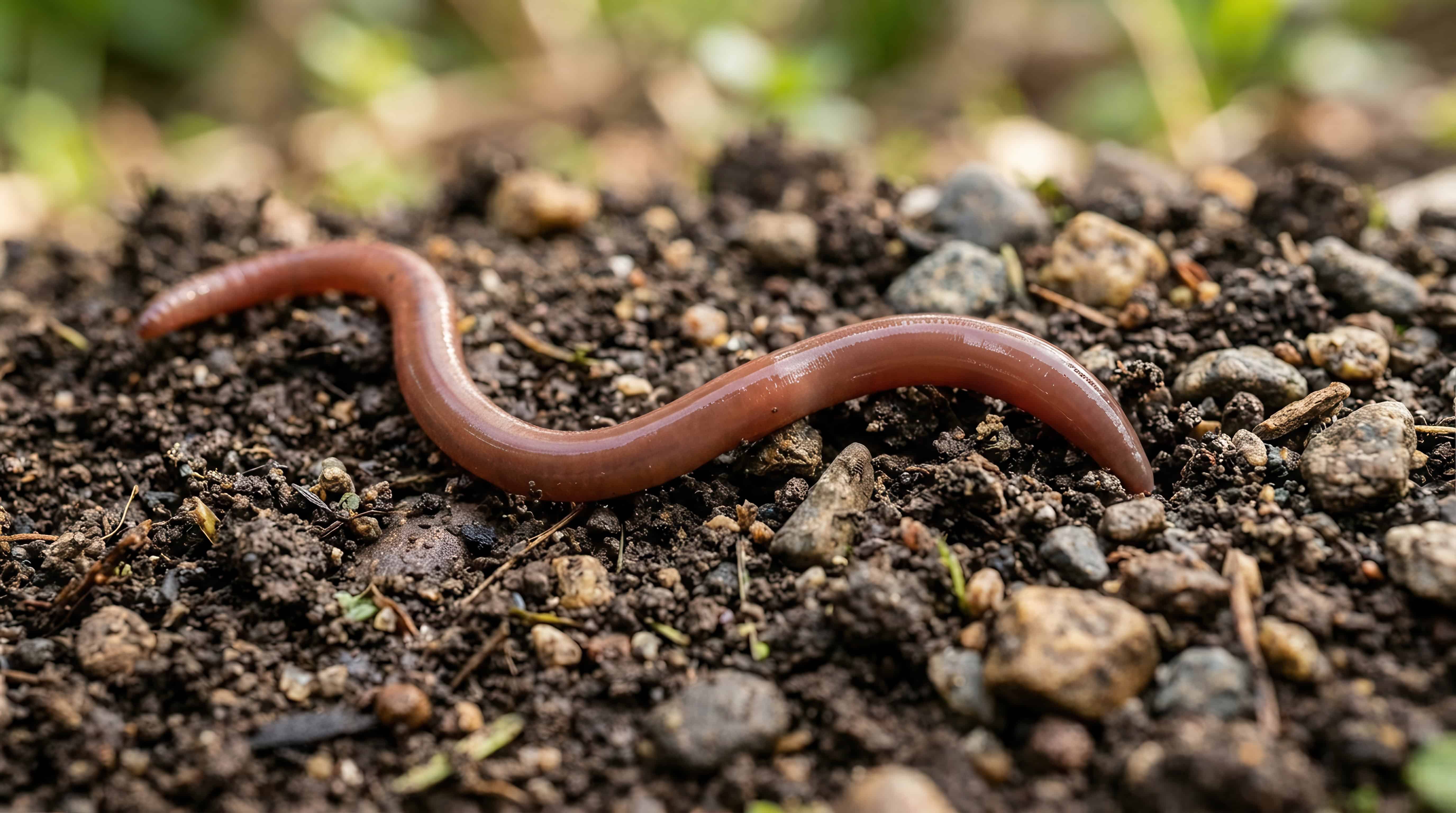
Aquatic oligochaetes — the freshwater cousins of the earthworm — live down in the silt, sand and fine gravel. That’s the point. They burrow and work through organic material, and under normal conditions they stay put, which is why you can spend a decade looking into rivers and never notice one.
They get into the drift when something moves the sediment. Flow comes up, rain washes a bank in, a sudden release from a dam scours the bed, or a herd of cattle crosses. Or you walk through the shallows on the way to the run, which is worth thinking about for a second.
So the worm is a conditional food item. Not because the worms come and go, but because their availability does.
Which tells you exactly when to fish one
Rising or dirty water, the first hours after rain, and the window after a dam bumps its flow.
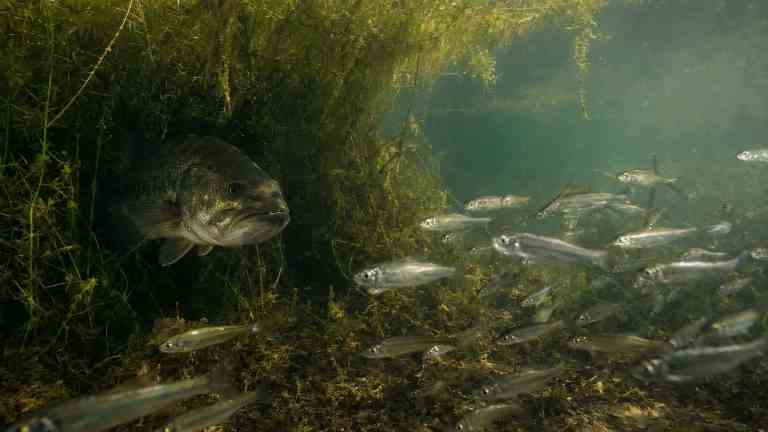
It’s the same reasoning behind looking at the water after rain before you change the lure. When the sediment goes into suspension, the things that live in it go with it, and fish move to positions where dislodged food collects — inside seams, the soft edge where fast water meets slow, the bottom of a run, behind anything that breaks current.
Tailwaters are the extreme case. A river whose flow is controlled by a gate gets scoured on a schedule, and on some of them the worm isn’t a novelty pattern, it’s a staple.
The drift is where people get it wrong
Here’s the part nobody mentions when they hand you the fly.
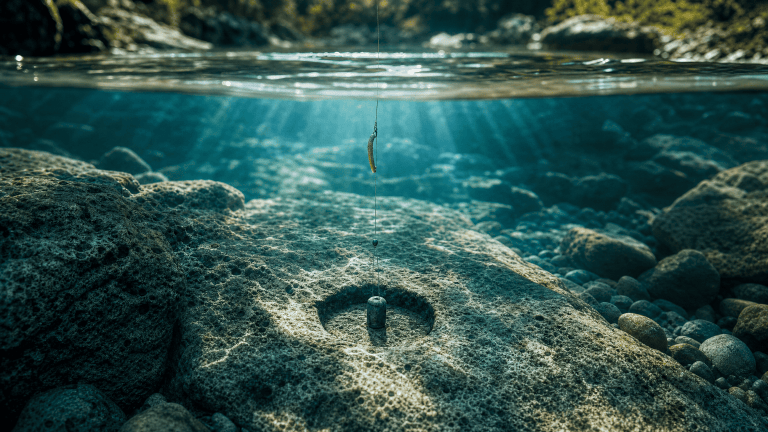
A dislodged worm isn’t swimming. It has no meaningful ability to control its position in current. It tumbles. That means a worm pattern fished with any drag — any tension pulling it across the current — is doing something the real thing can’t do, and in clear water that gets refused.
Dead drift, deep, with the fly moving at the speed of the water around it. That’s the whole presentation. It’s also not trivial, because you’re usually fishing it in higher water where getting to the bottom takes weight and getting a clean drift takes line management. The mending piece will do more for your worm fishing than the worm will.
The one exception is the swing at the end of a drift, which occasionally produces because it looks like something getting swept. Take it when it happens; don’t build the presentation around it.
Size and color, in that order
Real aquatic worms are generally small — often an inch or less, thin, and pale pink, tan, cream or a dull red-brown. The bright red two-inch San Juan that lives in everybody’s box is a caricature.
Caricatures work, especially in stained water where you need the fly to be findable. In clear low water they often don’t, and the fix is almost always to go smaller and duller rather than to change to a different color of the same size. The general argument is in changing size before color, and worms are a good place to watch it hold.
Thin matters too. A worm pattern that’s thick and stiff doesn’t move in the current the way a real one does, which in this case is the entire thing you’re imitating.
Worth being honest about
The worm is effective enough that it can become a crutch, and there’s a real cost to that.
If you fish it every time conditions get hard, you’ll catch fish and stop learning what the hard conditions were actually about. The day you couldn’t figure out the hatch was a day with information in it, and hanging a worm under an indicator throws that information away in exchange for a couple of fish.
That’s not an argument against using it. It’s an argument for noticing when you reached for it, and why. That’s what writing down the decision instead of the fish is for.
And the etiquette part
Two things that actually matter.
Check the regulations for your water. Some stretches restrict what you may fish, and “artificial flies only” sections are common. A worm pattern is an artificial fly; a real nightcrawler on a hook is not. Those are different objects in front of a warden and it’s an easy mistake to make in good faith.
And if somebody gives you grief about it, you don’t need to win the argument. People get attached to their version of the sport and that’s mostly harmless. But if you’re the one about to give somebody grief — particularly somebody newer than you, who just caught their first fish on a fly they tied themselves — think about what that costs and what it buys.
The river isn’t keeping a purity score. The fish ate an animal that lives there, and that’s the whole event.
FIELD OBJECT
This one should leave the page.
The article is the long version. These are the pieces worth carrying into the next trip.
The 30-second version
Somebody will tell you the worm pattern is cheating. Aquatic worms live in the sediment of the river you're standing in, and the fish have known about them the whole time.
What to watch
- Where they live and why you never see them
- Which tells you exactly when to fish one
- The drift is where people get it wrong
- Size and color, in that order
Field card
- Where they live and why you never see them
- Which tells you exactly when to fish one
- The drift is where people get it wrong
- Size and color, in that order
- Worth being honest about
RIGHT TOOL, NEXT
Hatch Match
Turn the observed food, stage, size, silhouette, and behavior into the next presentation decision.