Turn over a flat rock in a cold river sometime and there’s a decent chance something ugly shoots out from under it and disappears under another rock four feet away.
That’s a sculpin, and the way it just moved tells you most of what you need to know. It didn’t swim across open water. It went fast and low in a straight line, then stopped and stayed stopped. It never once looked like a minnow.
The anatomy explains the behavior
Sculpin have a reduced swim bladder or essentially none at all, depending on the species. They’re negatively buoyant. Left alone in the water column, they sink.
Everything else follows from that. They live on the bottom, under and between rocks. They move in short bursts and then settle. They’re ambush feeders on invertebrates and fish eggs, which keeps them in exactly the same gravel where a lot of other things are happening. And they’re mostly active at low light, which is when the trout hunting them are also working.
Big flat head and wide pectoral fins, with mottled brown or olive coloring that disappears against gravel. It’s a great design for sitting still on a rock and a lousy one for open water, which is why nothing you fish should be presenting one out there.
Which fish care
Large trout, disproportionately. A brown trout of real size eats fewer, bigger things than a small one does, and a sculpin is a big, protein-heavy meal sitting on the bottom that doesn’t require chasing anything into the current.
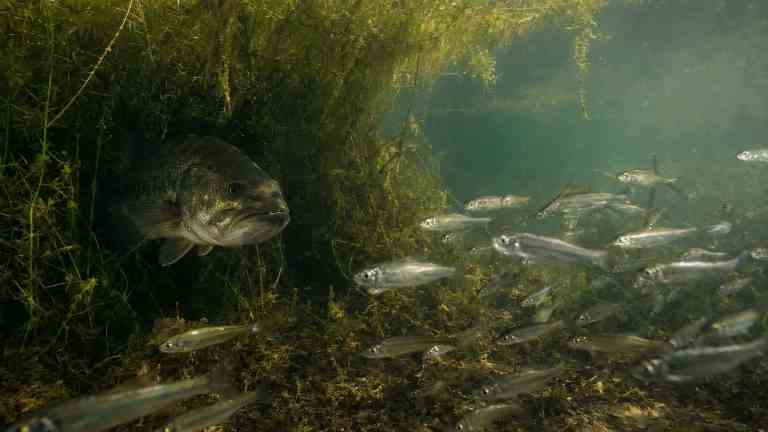
Smallmouth bass eat them heavily where the two overlap. So do walleye. Anywhere there’s cold, rocky moving water, the sculpin is near the bottom of the food chain and directly under the largest fish in it.
Fishing them on the bottom, which is harder than it sounds
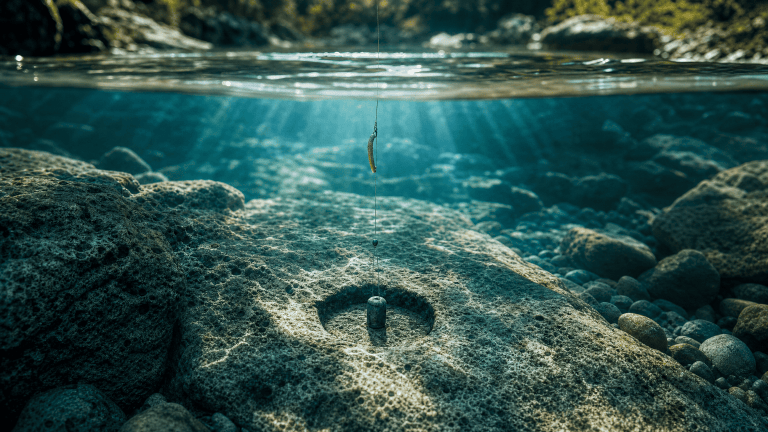
The presentation problem is that most streamer fishing happens in the middle of the water column, and the sculpin lives in a two-inch band above the rocks.
What works:
Weight in the fly, not just on the leader. A cone, a dumbbell, lead wire, a sculpin helmet — something that makes the fly itself want to go down and want to keep going down between strips. Split shot up the leader gets the fly down; weight in the fly makes it behave right once it’s there.
Short strips with real pauses. Strip, stop, let it fall. The take usually comes on the fall, because that’s when the fly is doing what the animal does. A continuous retrieve is the single most common way to fish a sculpin pattern badly.
Across and down, with the swing managed. Let the fly get to the bottom before the current starts pulling it up. A lot of anglers cast, start stripping immediately, and fish the whole run two feet above where the fish are looking.
Sink tip or a heavy leader system in anything with real current. A floating line and a weighted fly can work in slow water; in a fast run it’s a compromise that mostly doesn’t.
The jig piece about what you feel on the fall is written for conventional tackle, but it’s describing the exact same thing.
The thing that separates good sculpin fishing from average
Fish it into structure, not past it.
A sculpin lives under rocks, so a fly that darts out from behind a boulder, crosses two feet of open gravel, and disappears into the next shadow is telling a story a big trout has watched a thousand times. That means casting tight to the boulder or the ledge and accepting that you’re going to lose flies.
Losing flies is the cost of fishing where the fish are. If you never snag, you’re fishing above everything.
When it’s best
Low light does most of the work: early, late, overcast, and in the hours after dark where regulations allow it.
Higher, slightly off-color water is the other window. When a river comes up and the visibility drops, a big dark profile moving along the bottom gets found in a way that a size 18 nymph does not. This is the flip side of the worm pattern in high water — both are about what a fish can actually locate when the water isn’t clear.
Fall is the traditional season for it, partly because brown trout get aggressive and territorial pre-spawn. Which is worth pairing with a caution: aggressive fall browns are frequently fish that are about to spawn or already spawning, and everything in the egg pattern piece about staying off redds applies here with more force, because you’re fishing a big fly right where they’re working.
Color, briefly
Olive, brown, tan, mottled, and black. Match the rocks, not a catalog.
Black deserves special mention for low light and dirty water. Against a bright surface a black fly gives the hardest silhouette available, which matters much more than any subtlety of shade when a fish is looking up through three feet of stained water.
What to take from it
The broader point is bigger than one fly. Every forage item has a way of moving that comes out of how it’s built, and the presentation is mostly a matter of not contradicting that.
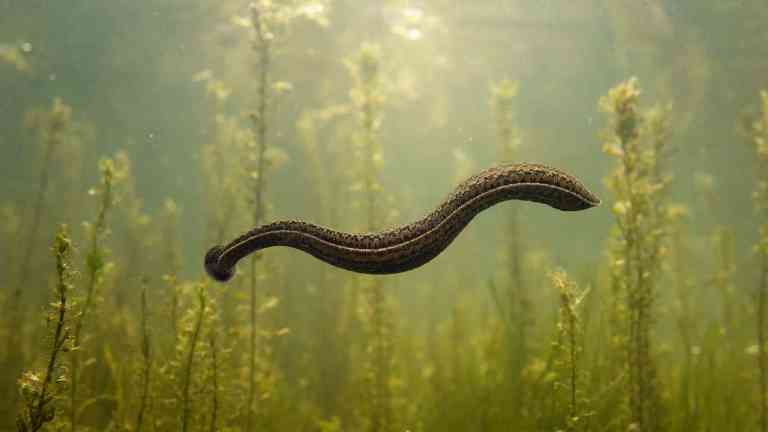
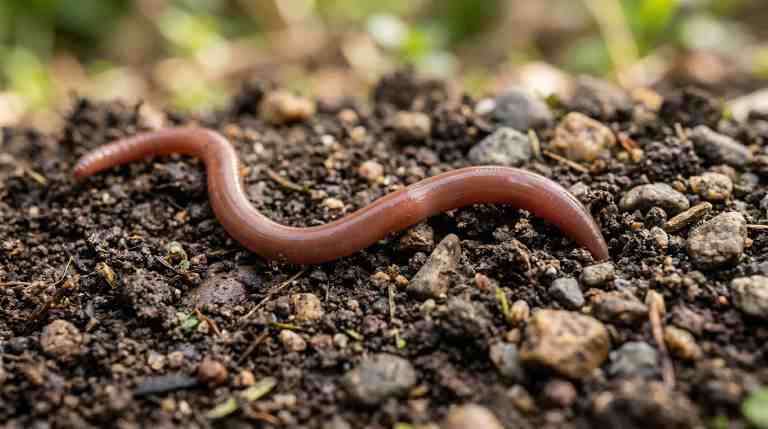
A sculpin sinks because it has almost no bladder. A leech undulates because it has no fins, and a dislodged worm tumbles because it can’t do anything else. Different flies want different retrieves, and every one of those retrieves comes from anatomy, not a chart.
Once you start asking “how does this thing actually move,” you stop needing somebody to tell you how to fish a pattern you’ve never seen before.
FIELD OBJECT
This one should leave the page.
The article is the long version. These are the pieces worth carrying into the next trip.
The 30-second version
A sculpin has almost no swim bladder, so it darts along the bottom and sinks the second it stops. Keep your fly up in the water column and you're fishing a different animal.
What to watch
- The anatomy explains the behavior
- Which fish care
- Fishing them on the bottom, which is harder than it sounds
- The thing that separates good sculpin fishing from average
Field card
- The anatomy explains the behavior
- Which fish care
- Fishing them on the bottom, which is harder than it sounds
- The thing that separates good sculpin fishing from average
- When it's best
RIGHT TOOL, NEXT
Hatch Match
Turn the observed food, stage, size, silhouette, and behavior into the next presentation decision.