A fish breaks the surface and my hand is already moving toward the dry-fly box. Fair enough. Surface feeding is the fun part, and a clean rise looks like an invitation with my name on it.
FIELD PLATE · THE RISE
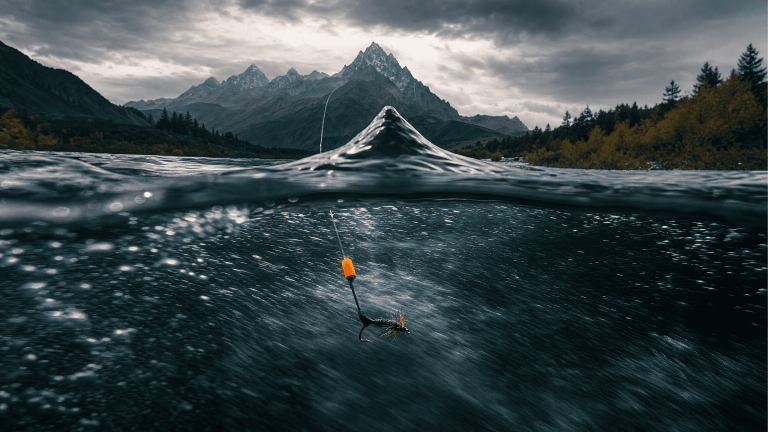
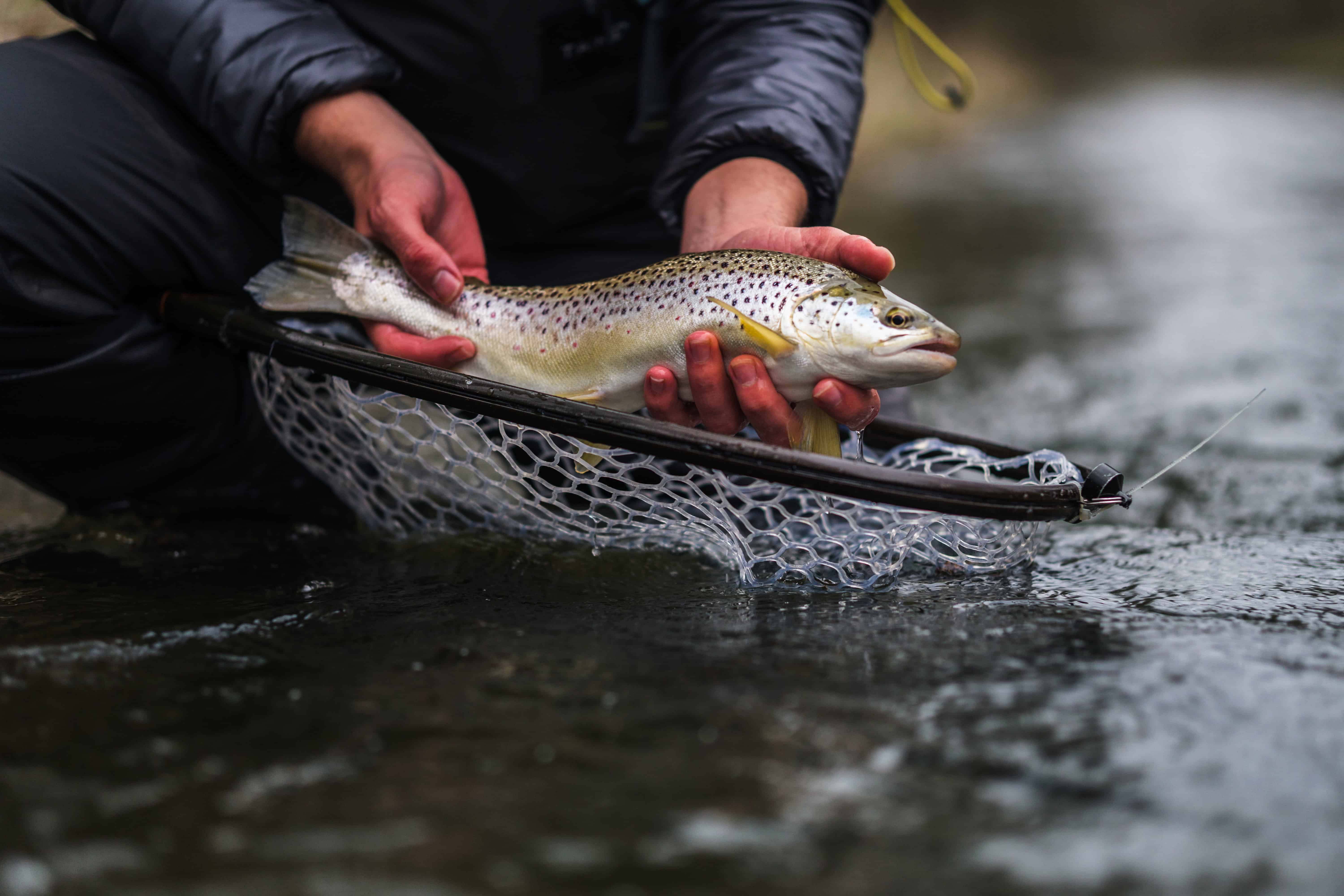
A ring on the surface does not say which of these shapes the fish took.
Except a rise only proves something happened near the surface. The fish might have taken an adult on top, or an emerger in the film, or a minnow, or a grasshopper that landed badly. The splash is the headline. Everything useful is further down the page.
One ring tells me almost nothing
A single rise gives me a location. That’s it. After three or four I start to see whether the fish is parked in one lane, working upstream, or cruising still water on a path I can predict.
That matters, because casting at the last ring feels precise while it drops my fly behind a moving fish or straight into the wrong current. The ring tells me where the fish was. The pattern of rises tells me where the next chance is going to be.
So I watch long enough to see it repeat, which means standing there not casting for a few minutes. Nobody’s timing me. Watching a riser costs nothing but patience, and it’s usually the best information I’ll get on that water.
Find the lane
In moving water, foam, bubbles, insects and other drift show me narrow delivery lanes. One seam carries most of the food while water a few feet over looks nearly identical and produces nothing.
If a fish rises again and again along that seam, my target isn’t the splash. It’s the piece of current that keeps bringing food to the fish.
That can also change my angle. A shorter cast that lands clean in the lane fishes better than a heroic reach across several current speeds. Long casts are impressive right up until the line starts dragging the fly around like it owes somebody money.
How much of the fish came out of the water?
Rise forms suggest feeding depth. They’re not identification charts. A nose, a head-and-tail, a dorsal bulge, a swirl, a flash under the surface — each says something about how the fish moved, and none of them proves a specific insect or life stage on its own.
The distinction worth making is simpler: is the fish taking food cleanly off the top, intercepting it in the film, or eating just below? A mouth breaking the surface is a different animal from a bulge that never quite gets there.
I use the shape of the disturbance as one clue and then check it against food I can actually see. Rise form on its own turns into fortune-telling fast.
Then I look at what’s on the water
Before I open six fly boxes, I look around — foam lines, eddies, slower margins, streamside brush where access is legal, the air above the water. Are insects riding high or hanging partway in the film? Lying flat and spent? Are there almost no aquatic insects visible at all while the fish stay busy?
That last one comes up more than I’d expect. Surface feeding isn’t automatically hatch feeding. Ants, beetles, grasshoppers, cicadas and everything else that lives on land can fall or blow in, and on still water especially the wind will stack them along one shoreline or into a single surface band. I match the food I can observe. The fish has no opinion about which section of my box the fly came from.
The film is where most of my dry-fly mistakes start. An insect sitting on top and an insect hanging in the surface film are separated by almost nothing, and to the fish that nothing is the whole presentation. When the feeding keeps going and my high-floating fly keeps getting ignored, I start suspecting the naturals are lower. Emergers and half-trapped insects hang with the body below the surface and the wings in it or above it, and fish eat them with quiet sips and small bulges that read as dry-fly feeding from farther off. Changing pattern color while I stay in the wrong layer is a very efficient way to remain wrong.
Some of that isn’t insects at all
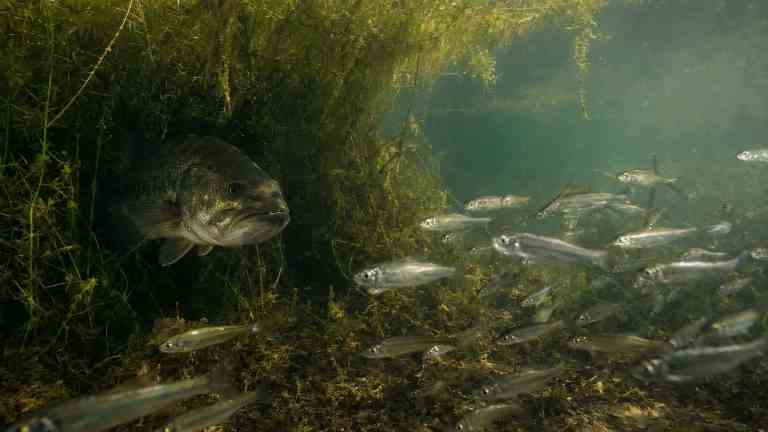
Predators pushing bait to the surface throw splashes, wakes, sudden bursts and movement with a direction to it. From a distance it can look like feeding on top. Up close it’s a lot less polite.
I look for fleeing bait and wakes that travel with purpose. If the whole event moves through the water instead of repeating in one feeding lane, an insect imitation is answering a question nobody asked. Another reason to watch before I cast: for about five seconds after the first splash, every theory I have looks correct.
Wind and drag take the blame my fly gets
Wind blows terrestrials in and pushes surface food across still water, and the chop it raises hides subtle rises. It also leans on my line and leader and ruins a drift that would otherwise have been fine. On a lake, fish can follow wind-driven food. In moving water, a crosswind bellies the line across currents of different speeds and the fly starts to skate. A bad presentation looks exactly like a bad pattern from where I’m standing.
Drag does the rest. A dry fly can match size, posture and silhouette and still fail because it accelerates, stalls, or slides sideways. Current almost never runs at one speed across a whole cast — my fly sits in one current while the line and leader lie across two more. Mending helps. So does changing angle, shortening the cast, repositioning, or keeping less line on the water. I’m not after a textbook drift. I’m after one that behaves close enough to the naturals in the fish’s lane. If they’re drifting quietly and my fly is water-skiing, a new pattern changes nothing.
Movement should come from evidence. Some insects drift almost motionless and some egg-laying adults touch down and skitter, while terrestrials tend to kick or sit low. I copy what I see. If the naturals aren’t moving, an extra twitch mostly makes a good fly look suspicious — random action feels productive because my hand is busy, which isn’t the same as the presentation being right.
And when the feeding really is on top, I compare rough size and how the natural sits. Long body or compact? Riding high, or hanging partway below the film? A fly that’s obviously too big or sitting at the wrong angle stands out even when the color is close. Posture and broad silhouette are easier for me to judge on the water than a shade difference anyway, which also keeps my fly changes honest — change one thing the fish can see instead of three small things at once.
Where I stand
A fish feeding in the same general area is handing me information before I cast. I use it. I look at current, glare, where the leader will land, and what water I’d have to enter to improve the angle.
I don’t wade deeper or step into unsafe water to make a cast cleaner. Access, current, depth and local regulations come first. A better angle isn’t worth it.
From wherever I can safely stand, I work out where the fly needs to land so it settles into the lane before it reaches the fish. Dropping it right on the rise ring is usually late, loud, or both. In moving water, I put it far enough ahead that it’s already drifting naturally when it arrives. If the fish is cruising still water, I give it room to find the fly instead of laying line across its path. The lead depends on current speed, wind, and whether the fish is holding or moving, so there’s no number worth memorizing — I just get the fly there before the fish does.
A refusal isn’t a confession
Watching a fish come up, look, and turn away is useful, and it doesn’t tell me what was wrong. Size, posture, drag, leader influence, the wrong stage, or the fish simply moving could all be behind it.
I start with the physical stuff. Was the drift clean? Did the fly sit in the same layer as the naturals? Was it roughly the right size and posture? If all of that looks reasonable, I change one meaningful variable and give it several clean presentations before I decide anything.
When the dry fly really is the answer
It’s a strong call when fish keep taking food off the surface in a lane I can follow, the natural is visible or reasonably inferred, and I can present something close in size and posture. That still doesn’t turn every rise into a fish — timing and current get a vote. It just means the fly is matching the evidence instead of matching how exciting the splash was.
When they keep bulging, flashing, or working the film without ever clearly taking anything off the top, a shallow subsurface or emerger-style presentation fits what I’m seeing better, where that’s legal and appropriate. Same call when adults are thick in the air and every bit of fish activity stays underneath them. I go down to the level where the eating is happening, even though it costs me the part I came to watch.
FIELD OBJECT
This one should leave the page.
The article is the long version. These are the pieces worth carrying into the next trip.
The 30-second version
A rise only proves something happened near the surface. Before a dry fly goes on, I want to know which lane the fish is using and what it's actually eating.
What to watch
- One ring tells me almost nothing
- Find the lane
- How much of the fish came out of the water?
- Then I look at what's on the water
Field card
- One ring tells me almost nothing
- Find the lane
- How much of the fish came out of the water?
- Then I look at what's on the water
- Some of that isn't insects at all
RIGHT TOOL, NEXT
Hatch Match
Turn the observed food, stage, size, silhouette, and behavior into the next presentation decision.