Category
Safety & Stewardship
Fishing advice stops being useful if the access is illegal, the water is unsafe, or the fish should not be handled in the conditions you found. Start with Safety and Access, check the exact rule before you cast, and let conservation change the plan when it needs to.
Everything filed under this heading, newest first.
Worth opening first
- Fishhook Removal in the Field: When to Stop, String-Yank, Advance-and-Cut, and AftercareWhen to stop, when to cut, and what the aftercare actually involves.
- Pike Handling Starts Before the CastThe damage happens in the four seconds after the net, by which point the decision is already made.
- Fog Changes the Fishing Plan Before It Changes the FishingVisibility drops and the plan changes well before the fishing does.
- Two Anglers in Fast Water Need One Positioning PlanOne positioning plan, agreed on the bank, before either of you is standing in current.
- Kayak Fishing Safety for Beginners Starts With the Paddle BackSettle the safety question first. The tackle question will still be there afterward.
- Fishing in the Rain Without Becoming a Miserable PuddleRain is a clothing problem for several hours before it becomes a fishing problem.
- When a Formerly Quiet Fishing Spot Gets CrowdedWhat to do about the crowd that isn’t passive aggression from thirty yards.
- A Fishing Plan Needs a Reason to LeaveDecide when you’ll quit while you’re still dry and reasonable.

The Fish Can Look Fine and Still Carry the Problem: PFAS and the Future of Eating What We Catch
A clear lake and a hard-fighting fish tell you nothing about PFAS in the fillet. The current advisory for that exact water does, and it’s worth reading before anything goes in the cooler.
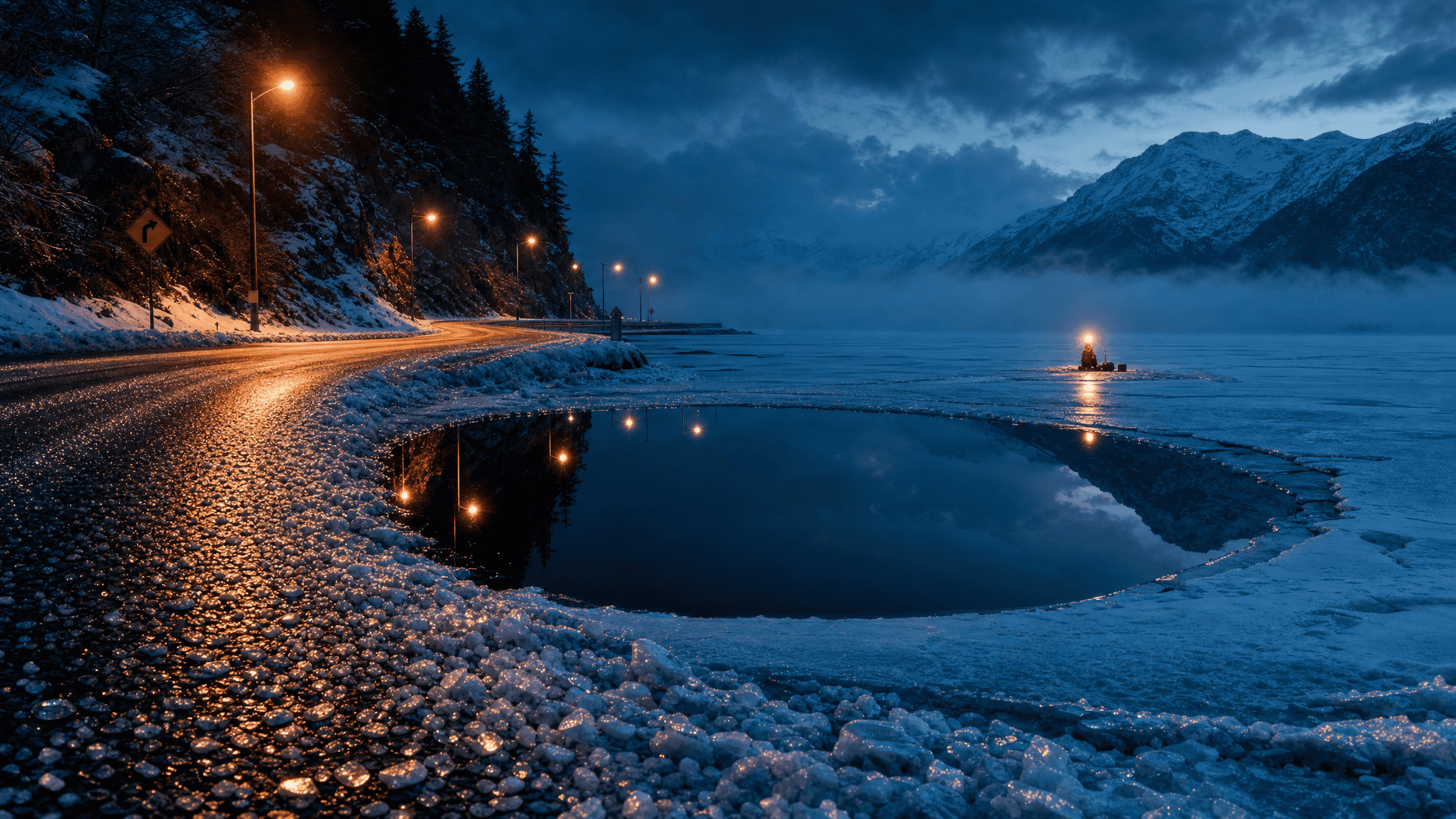
January’s Road Salt Can Still Be in July’s Lake
The salt truck runs the pass road in January, and by July I’m fishing the lake downhill from it. Some of that chloride can still be in the water, carried there by groundwater nobody sees.

A Closed Season Can Be a Future Fishing Season
A shortened season always seems to land on the weekend the boat’s gassed up. What that closure is buying runs on fish-population time, which is a lot slower than a Saturday.

A River With Doors: What Dams, Fish Passage, and Dam Removal Change
One slab of concrete can make a walleye reservoir and cut off a salmon run at the same time. The Elwha and Klamath removals are starting to show how much river was waiting behind the wall.

Where Do Trout Go When the Cold Water Shrinks?
A run can look perfect in August and still be too warm for the trout that ought to be in it. The springs, shaded tributaries and culverts between them decide how much of a summer river fish can use.
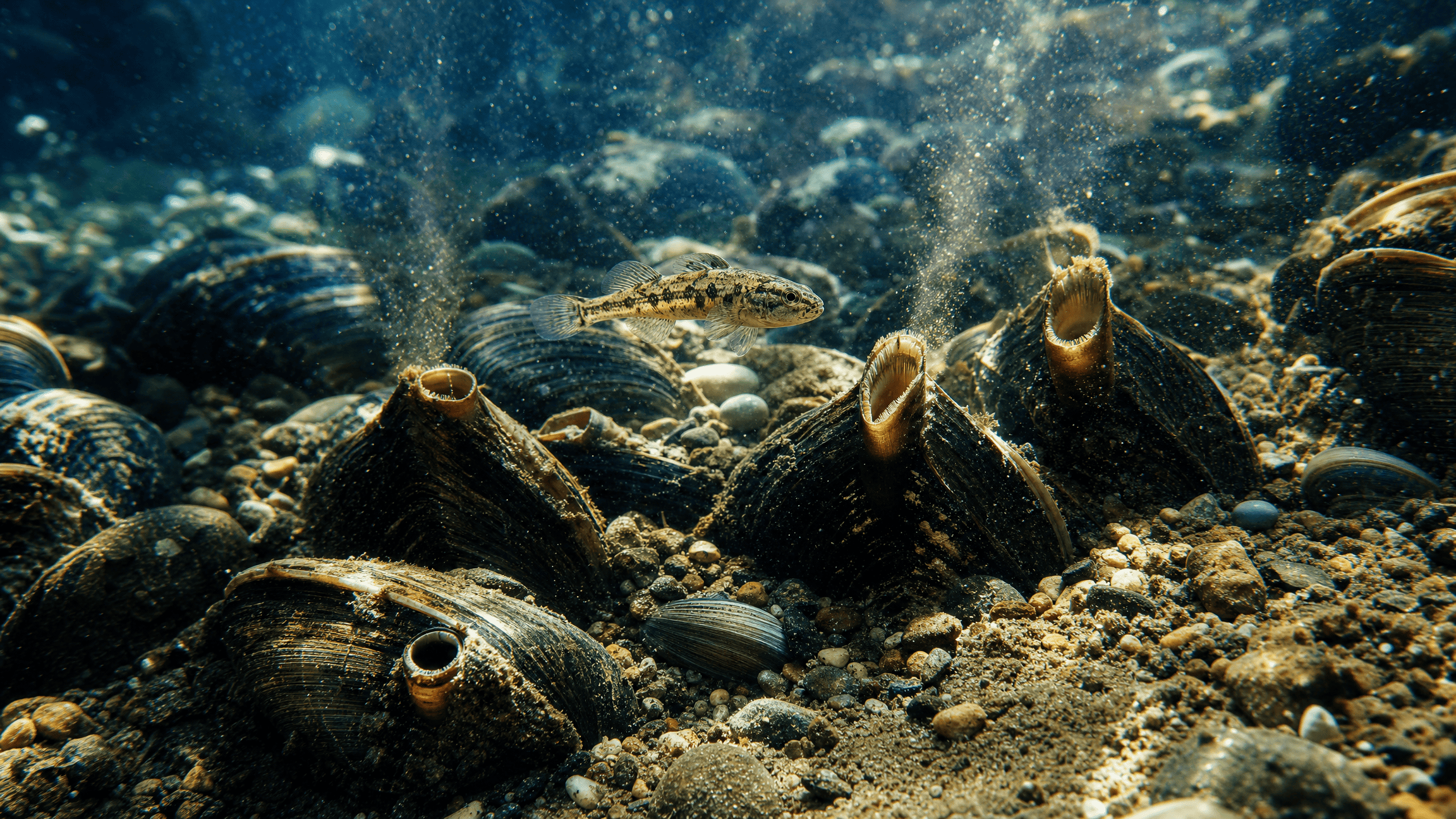
The River’s Quiet Filters: Why Freshwater Mussels Matter to Anglers
That hard lump under your boot while wading might be a native mussel that’s been filtering the river for years. Plenty of them can’t even finish growing up without borrowing a fish.

The Dead Zone Starts Upstream: How Runoff Can Remove Water Fish Need
Water leaving Montana on the east side of the Divide can end up in the Gulf. Along the way, nitrogen off a field or a storm drain can turn into bottom water fish can’t breathe in.
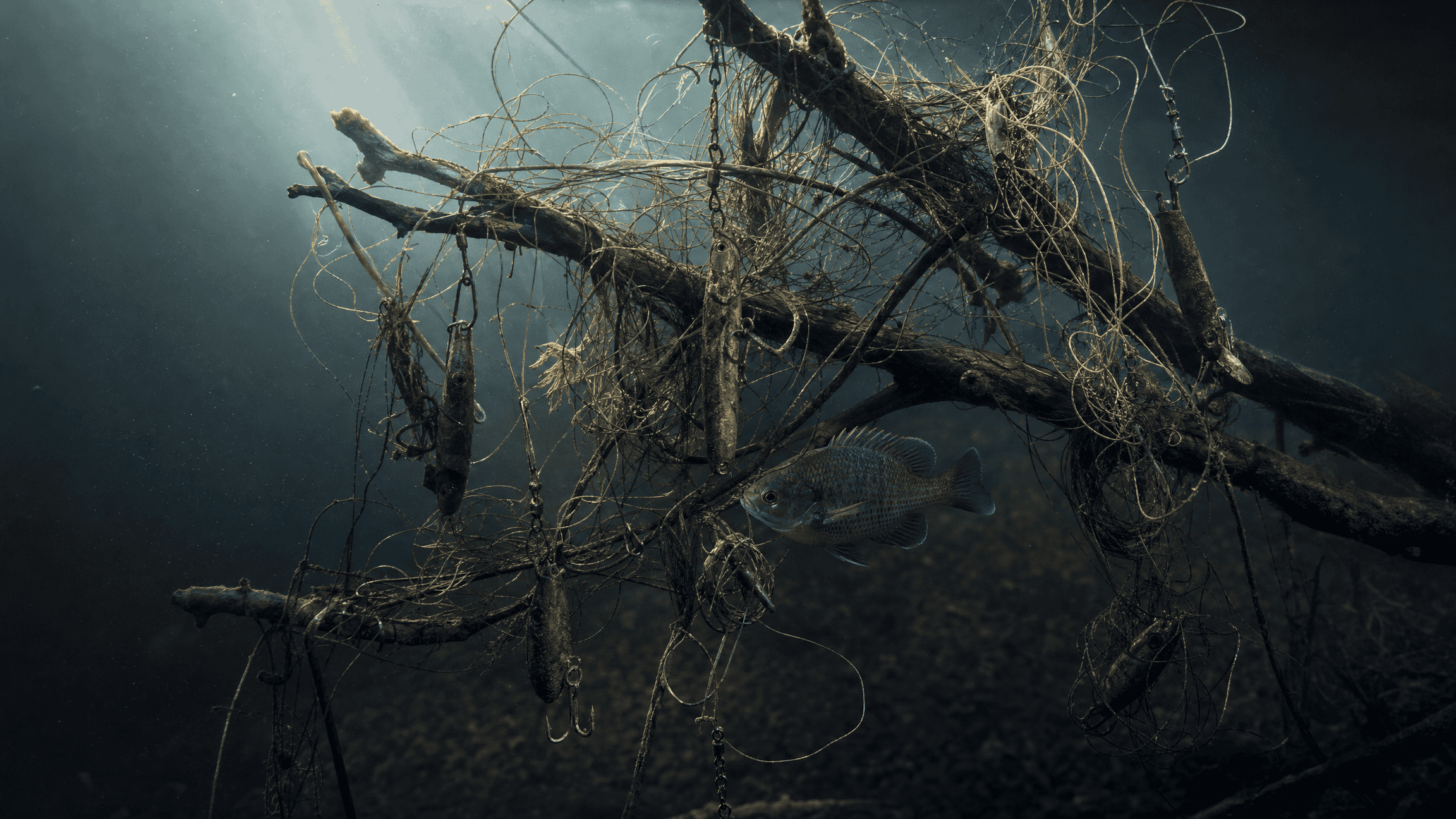
Ghost Fishing and the Lost Gear That Doesn’t Quit When You Do
A rig broken off with a baited hook on it keeps fishing for whatever swims past next. Most of the fix comes down to where your setup breaks and what you do with the line you cut.
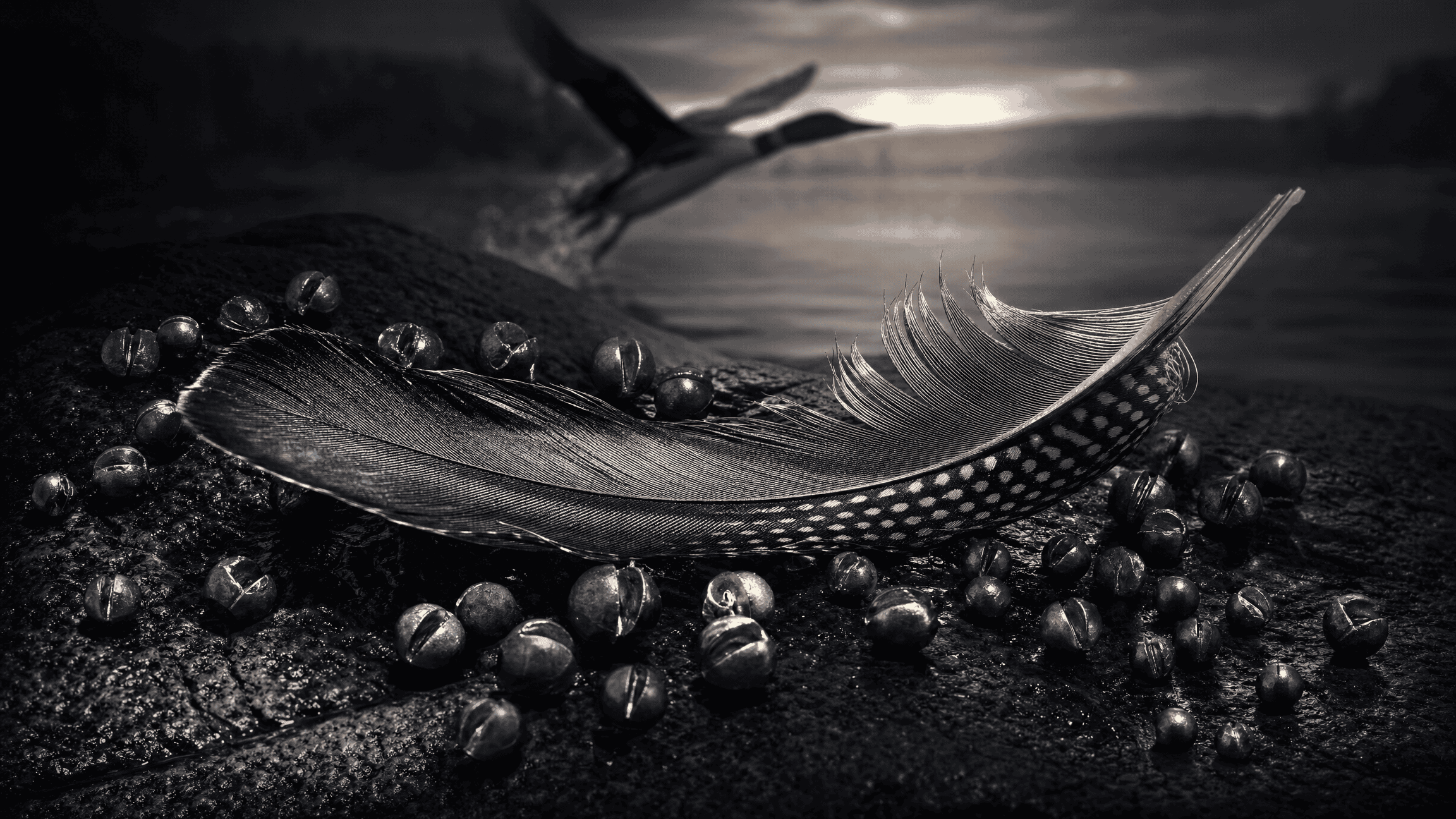
Lost Lead Tackle Doesn’t Stay Lost to a Loon
Loons swallow small stones on purpose, and a split shot is about the right size. Swapping out the small lead stuff is the easy part. Getting tungsten, tin or steel to fish right takes a little more thought.

Harmful Algal Blooms Are a Fishing Problem Before They’re a Headline
A green cove isn’t automatically toxic, and a dangerous bloom doesn’t always look like one. Why a fish still biting doesn’t clear the water, and the advisory page worth checking before you launch.