Category
Safety & Stewardship
Fishing advice stops being useful if the access is illegal, the water is unsafe, or the fish should not be handled in the conditions you found. Start with Safety and Access, check the exact rule before you cast, and let conservation change the plan when it needs to.
Everything filed under this heading, newest first.
Worth opening first
- Fishhook Removal in the Field: When to Stop, String-Yank, Advance-and-Cut, and AftercareWhen to stop, when to cut, and what the aftercare actually involves.
- Pike Handling Starts Before the CastThe damage happens in the four seconds after the net, by which point the decision is already made.
- Fog Changes the Fishing Plan Before It Changes the FishingVisibility drops and the plan changes well before the fishing does.
- Two Anglers in Fast Water Need One Positioning PlanOne positioning plan, agreed on the bank, before either of you is standing in current.
- Kayak Fishing Safety for Beginners Starts With the Paddle BackSettle the safety question first. The tackle question will still be there afterward.
- Fishing in the Rain Without Becoming a Miserable PuddleRain is a clothing problem for several hours before it becomes a fishing problem.
- When a Formerly Quiet Fishing Spot Gets CrowdedWhat to do about the crowd that isn’t passive aggression from thirty yards.
- A Fishing Plan Needs a Reason to LeaveDecide when you’ll quit while you’re still dry and reasonable.
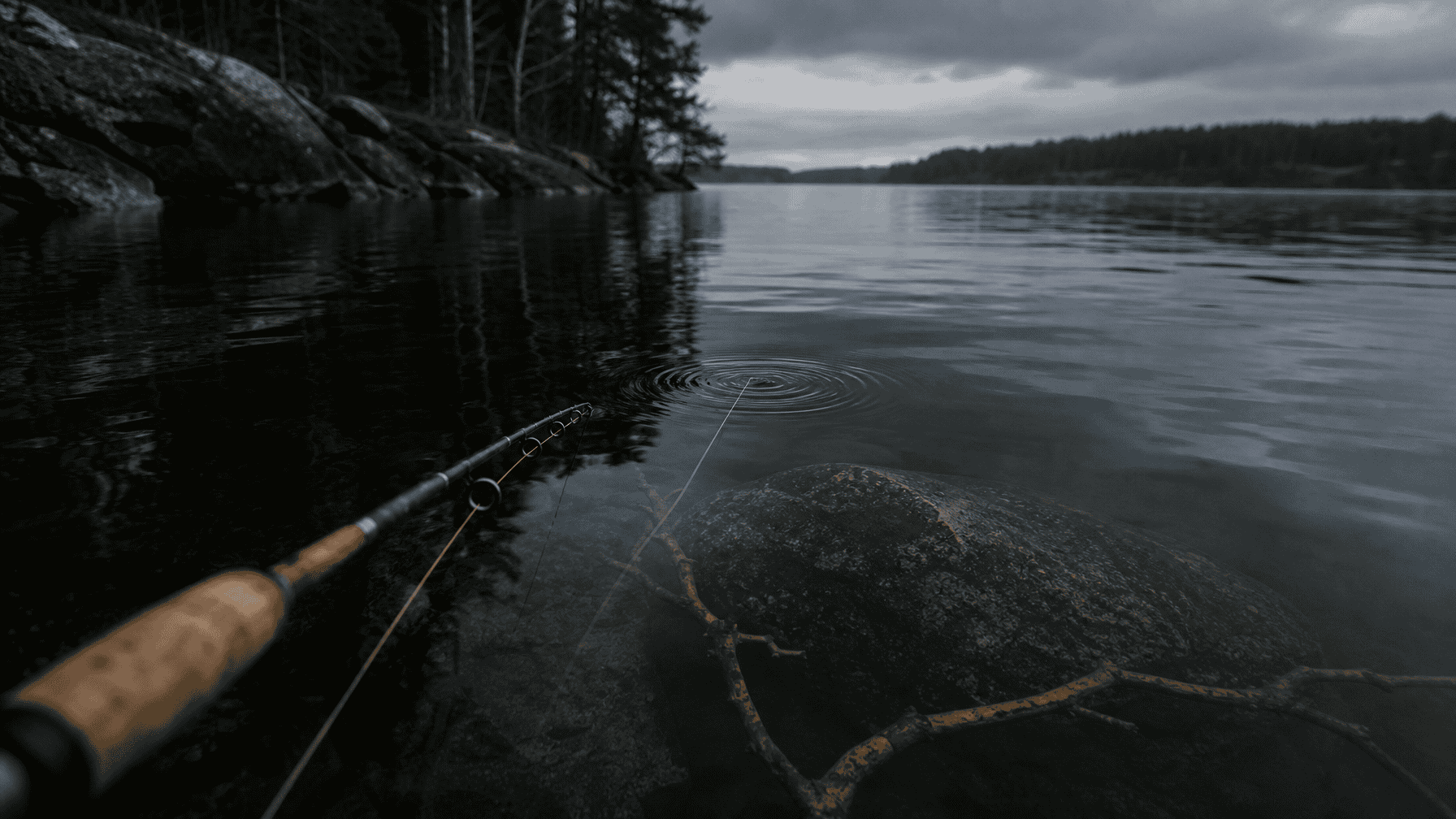
Field Note: A Snag Isn’t Permission to Pull Harder Right Away
A snag isn’t a strength test. I give it slack and a new angle before anything else, and when it’s time to break off, the rod’s out of the load and my face is turned away.

Kayak Fishing Safety for Beginners Starts With the Paddle Back
A kayak sits you low on the water with not much room for mistakes. Wear the life jacket and plan the paddle home before you spend a dollar on rod holders.
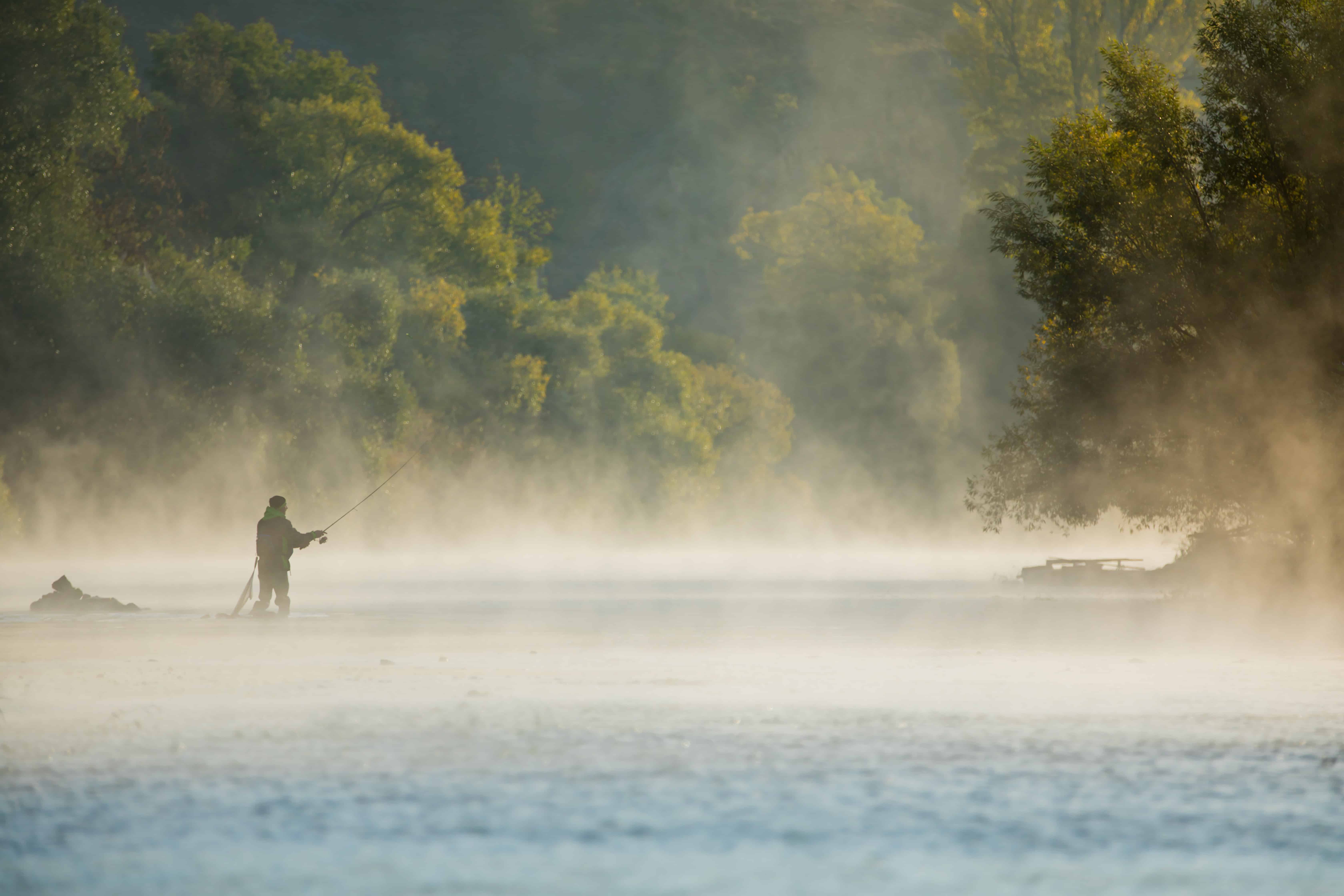
Fog Changes the Fishing Plan Before It Changes the Fishing
Fog never looks like a problem while it’s quietly taking the far bank, the other boats and the route home with it, so the plan has to shrink before the fishing does.
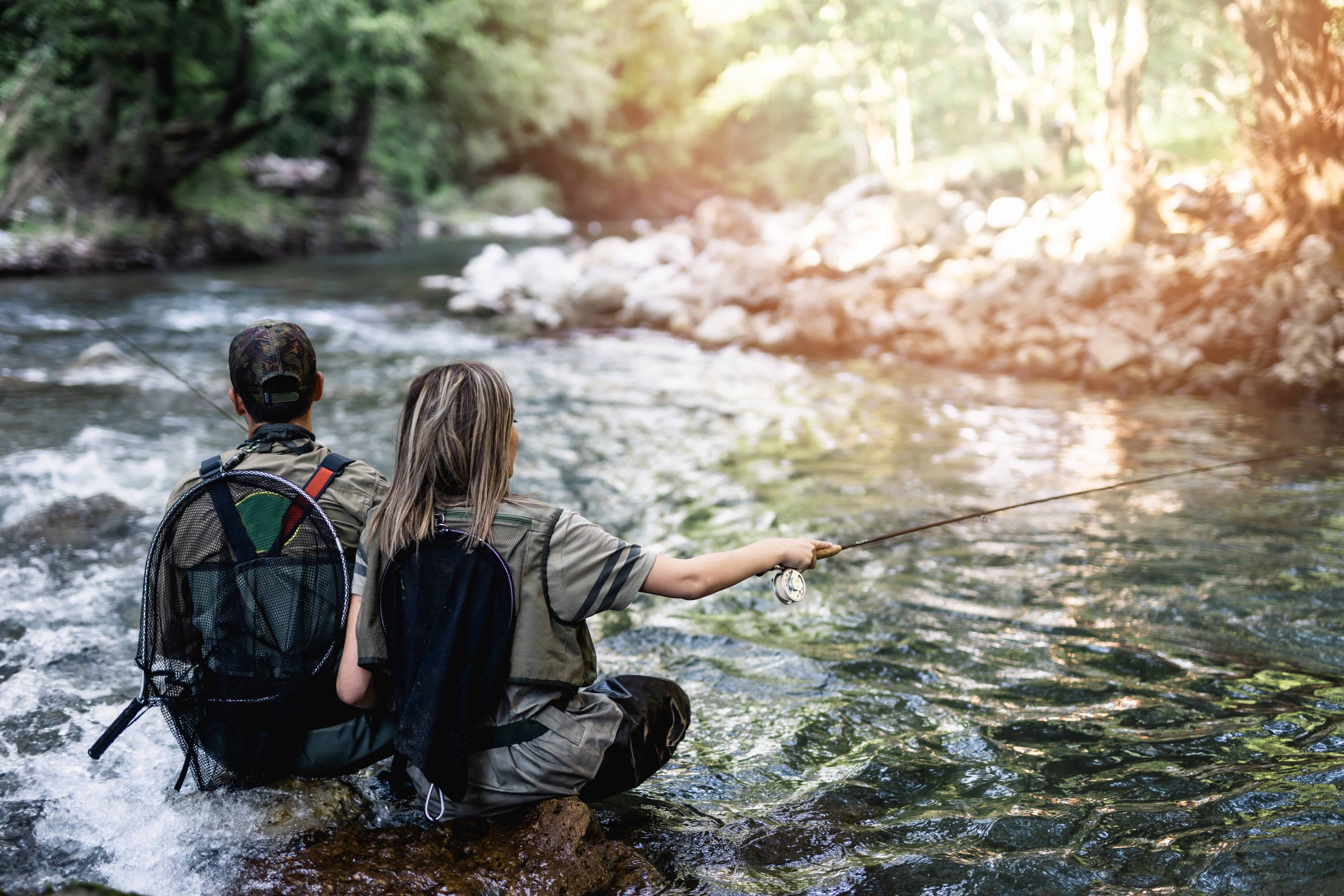
Two Anglers in Fast Water Need One Positioning Plan
Two rods in one fast run either cover twice the water or spend the morning fixing drag the other line keeps causing, and which one you get is usually settled on the bank before anybody steps in.
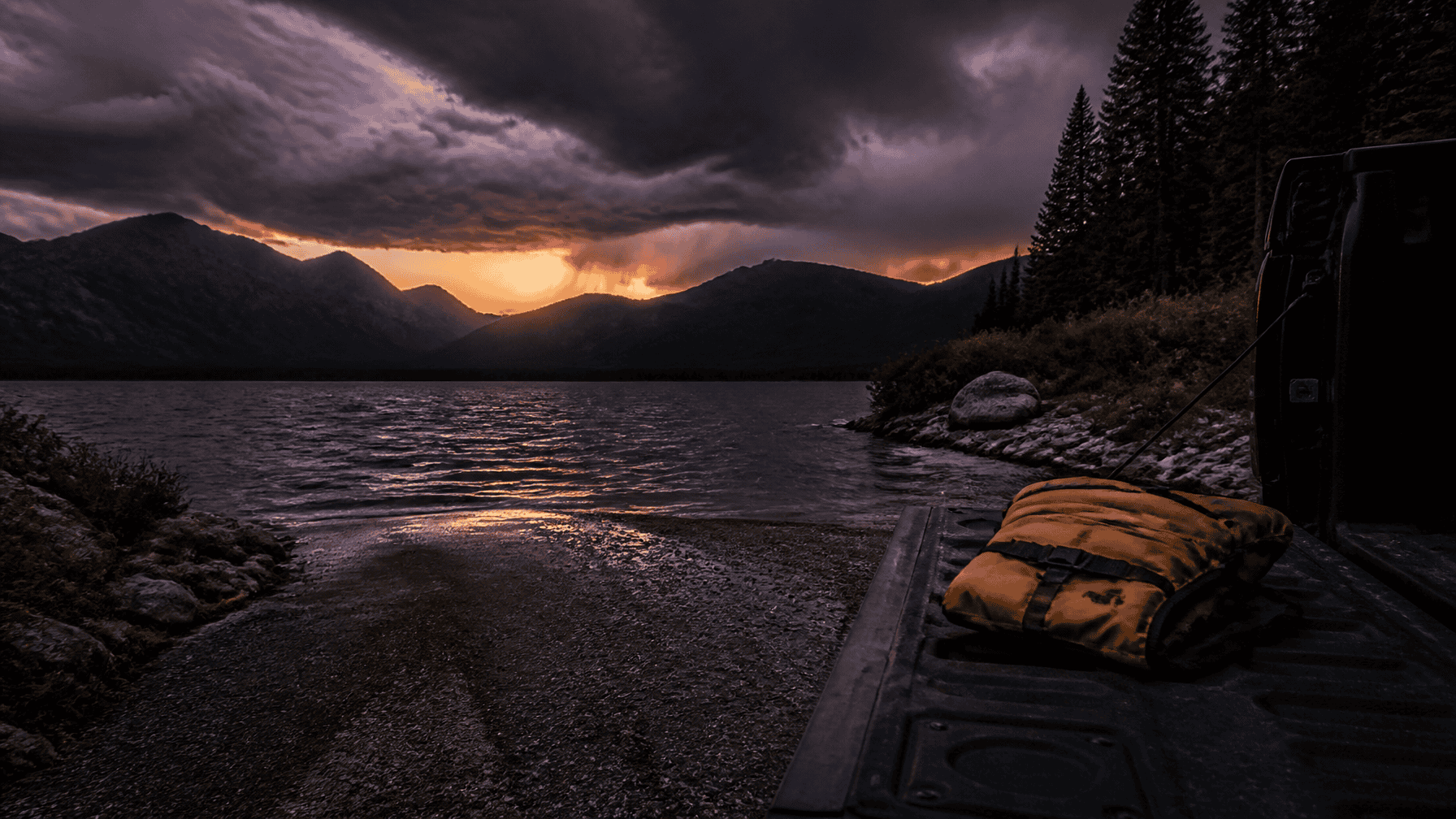
A Fishing Plan Needs a Reason to Leave
The best time to decide what ends a fishing trip is before the first cast, not when the bite’s finally good and the river’s starting to come up.
Fishing in the Rain Without Becoming a Miserable Puddle
Rain’s mostly a jacket problem and a water-clarity problem, right up until a river starts rising under a clearing sky or thunder shows up, and then it isn’t a fishing problem anymore.
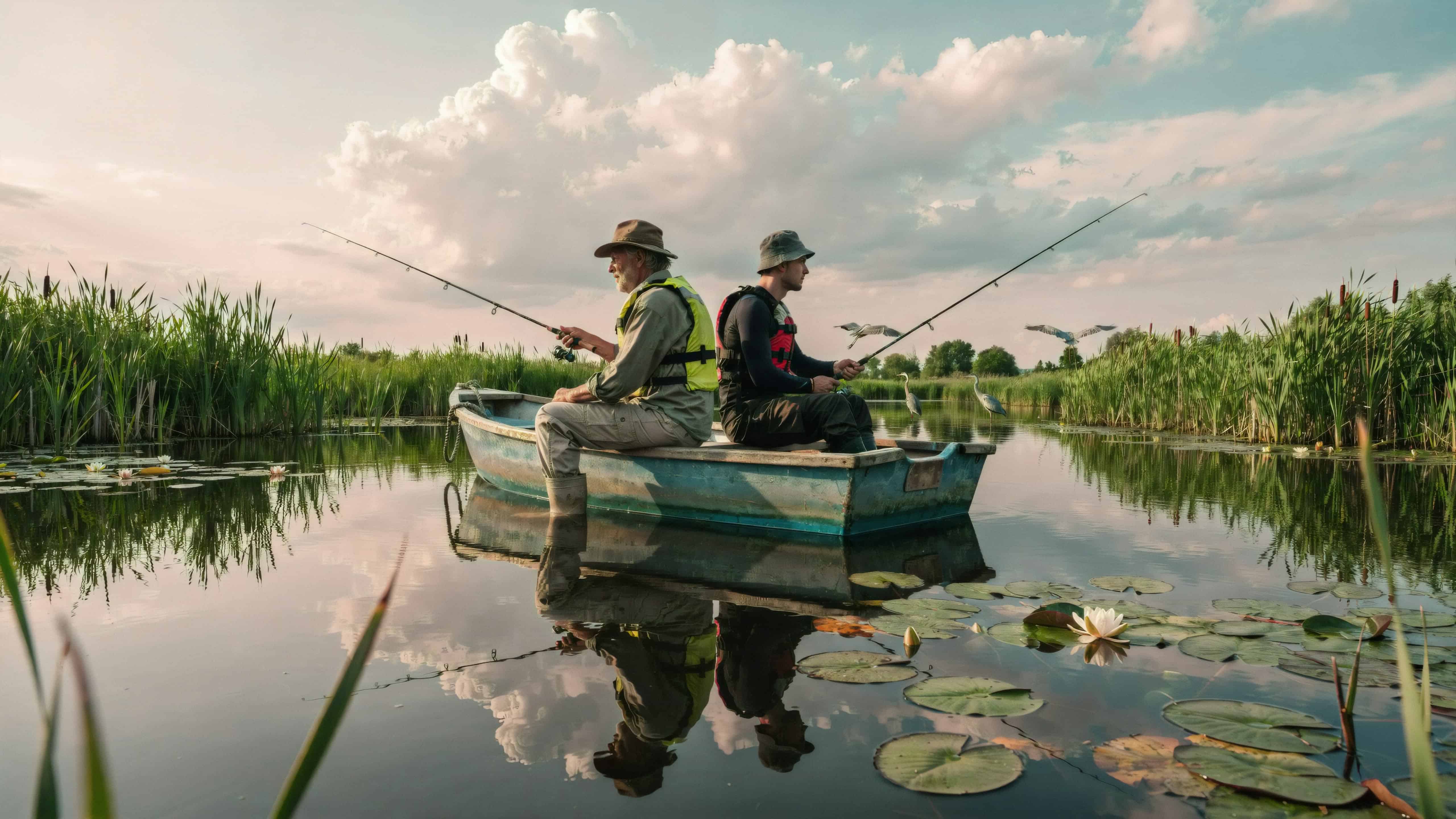
When a Formerly Quiet Fishing Spot Gets Crowded
Three trucks where there used to be one, and the morning sours before the tailgate’s down. Better timing and the duller edges nobody’s fishing get most of it back.
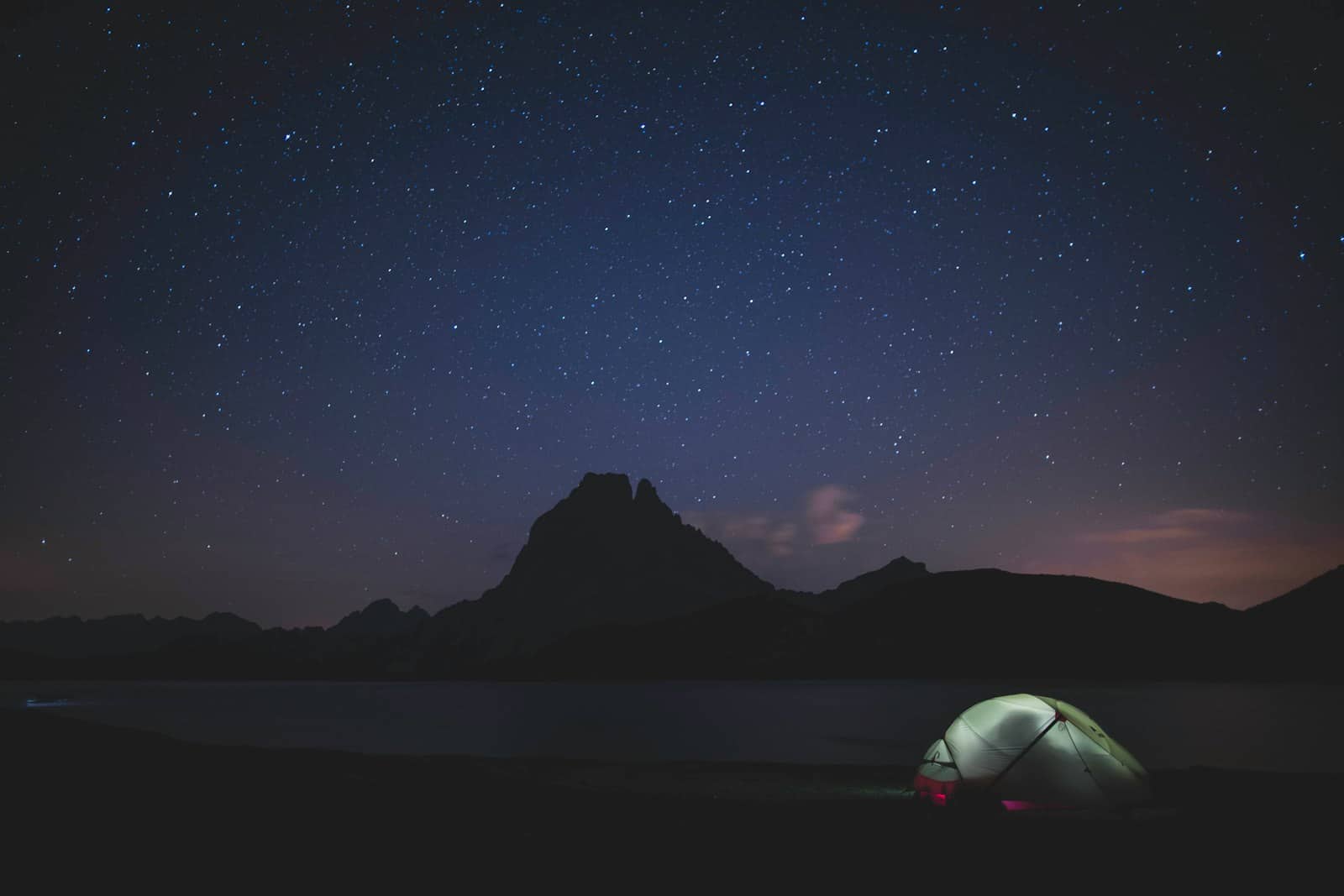
Night Fishing With a Headlamp and the Correct Amount of Confidence
Dark takes away everything daylight hands you for free, including where the net went. Walk the route while you can still see it, and decide what sends you home before the fish start feeding.
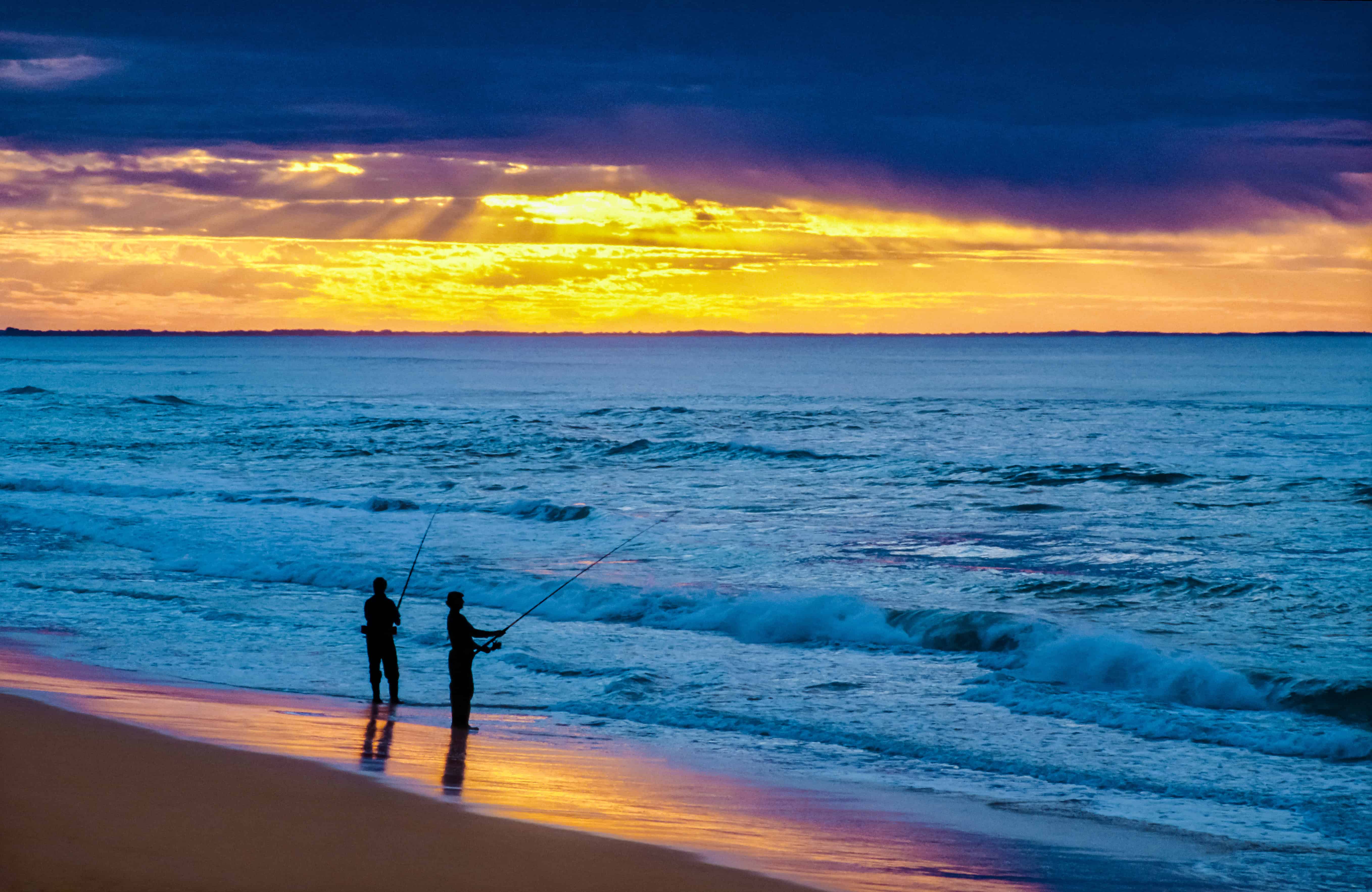
The Weather Doesn’t Owe You One More Cast
Not launching into a gale is easy. Walking away from a day that’s already going is the hard one, so decide what ends the trip while you’re still in the driveway.

Don’t Carry One Lake Into the Next
What moves between lakes is usually too small to see from the parking lot — a weed on a trailer roller, a cup of water in a kayak. Clean, Drain, Dry only works if you actually run it before you leave.
