Category
Safety & Stewardship
Fishing advice stops being useful if the access is illegal, the water is unsafe, or the fish should not be handled in the conditions you found. Start with Safety and Access, check the exact rule before you cast, and let conservation change the plan when it needs to.
Everything filed under this heading, newest first.
Worth opening first
- Fishhook Removal in the Field: When to Stop, String-Yank, Advance-and-Cut, and AftercareWhen to stop, when to cut, and what the aftercare actually involves.
- Pike Handling Starts Before the CastThe damage happens in the four seconds after the net, by which point the decision is already made.
- Fog Changes the Fishing Plan Before It Changes the FishingVisibility drops and the plan changes well before the fishing does.
- Two Anglers in Fast Water Need One Positioning PlanOne positioning plan, agreed on the bank, before either of you is standing in current.
- Kayak Fishing Safety for Beginners Starts With the Paddle BackSettle the safety question first. The tackle question will still be there afterward.
- Fishing in the Rain Without Becoming a Miserable PuddleRain is a clothing problem for several hours before it becomes a fishing problem.
- When a Formerly Quiet Fishing Spot Gets CrowdedWhat to do about the crowd that isn’t passive aggression from thirty yards.
- A Fishing Plan Needs a Reason to LeaveDecide when you’ll quit while you’re still dry and reasonable.

The Plastic Too Small to Pick Up, and What Microplastics Mean for Fishing
USGS found plastic in every water sample from 29 Great Lakes tributaries. A NOAA-linked study found none bigger than a millimeter in the reef fish it checked. Both can be true, and a torn soft plastic still goes home with you.

Your Truck Can Connect Lakes That Never Touched
The fish do not have to move between waters for their water to move. Mud, plants, trapped water and wet gear can ride with us.
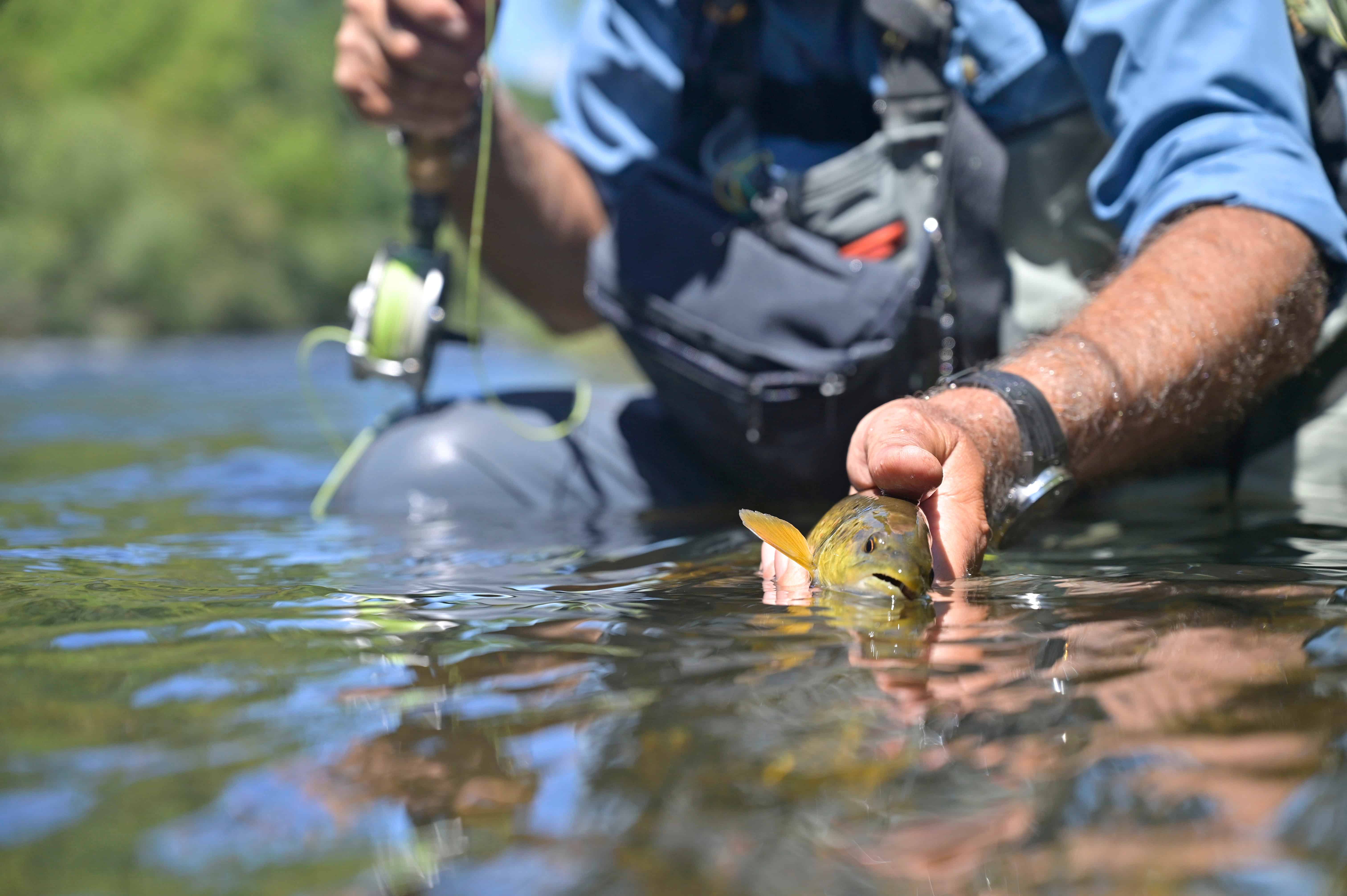
Field Note: Don’t Pump a Fish Back and Forth to Revive It
Pushing a tired fish back and forth sends water through its gills the wrong way half the time. Face it into the current, keep it upright, and let the fish tell you when it’s ready.

Field Note: Wet Your Hands Before Handling a Fish
A dry towel is about the worst thing you can grab a fish with, and dry hands aren’t far behind. Wet them first, and have everything ready before the fish leaves the water.

Field Note: When a Fish Runs, Your Job Changes From Reeling to Controlling
When a fish takes off, the reel handle stops being useful for a minute. The real work is rod angle and steering the line away from whatever the fish is trying to wrap you around.

Field Note: Side Pressure Usually Beats High-Sticking
High-sticking snaps rods right at the end, when the fish is close and you lift. Drop the rod low and to the side and let the thick part of the blank take the load.
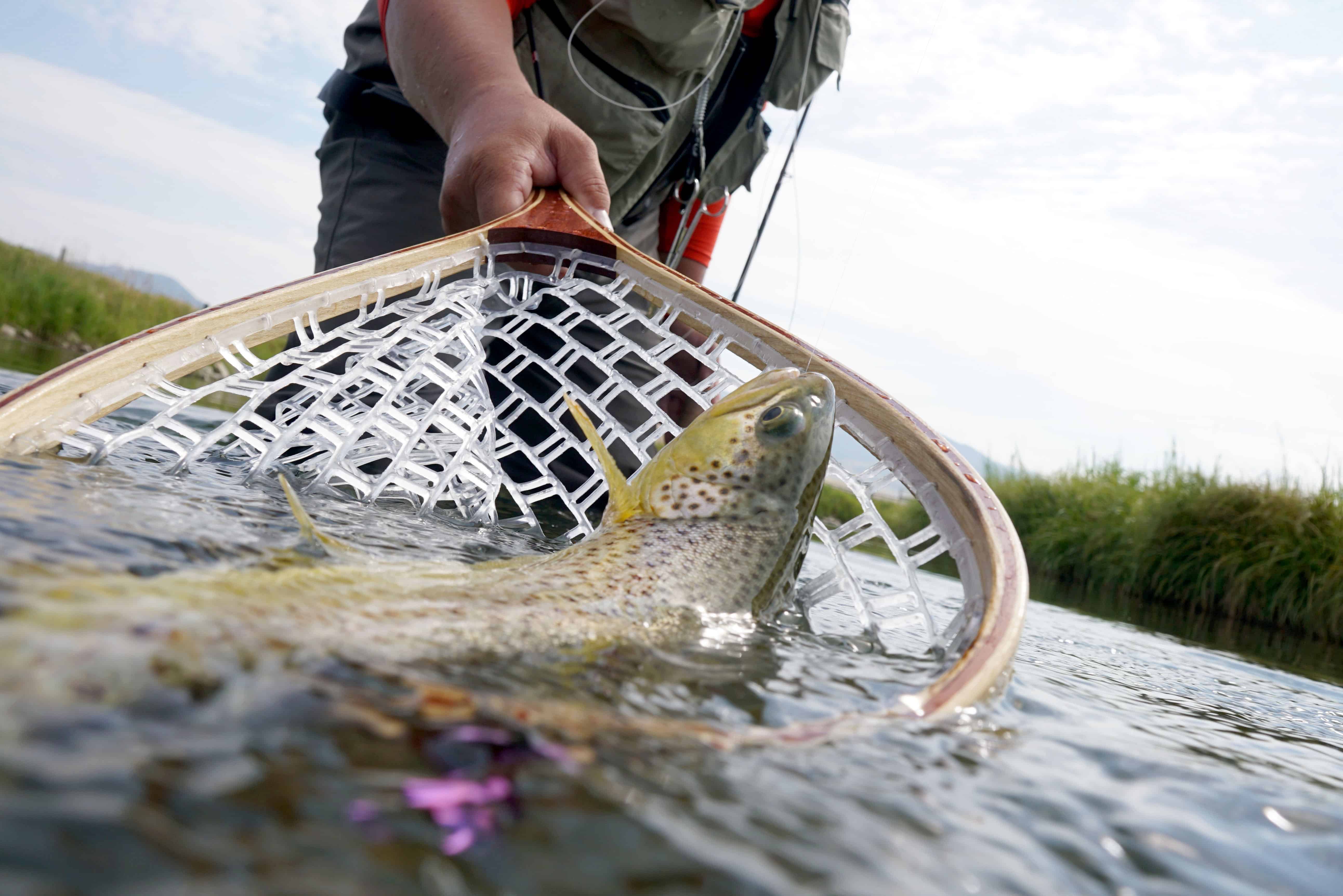
Field Note: Net the Fish Head First
Water is roughly 800 times denser than air, so a net chasing a fish from behind loses. Sink it early, hold it still, and let the rod steer the fish in head first.

Field Note: Your Fishing App Is a Clue, Not Permission
Fishing apps earn their spot on the phone for maps, weather and catch logs. They don’t get the final word on where you can park or what you can keep.
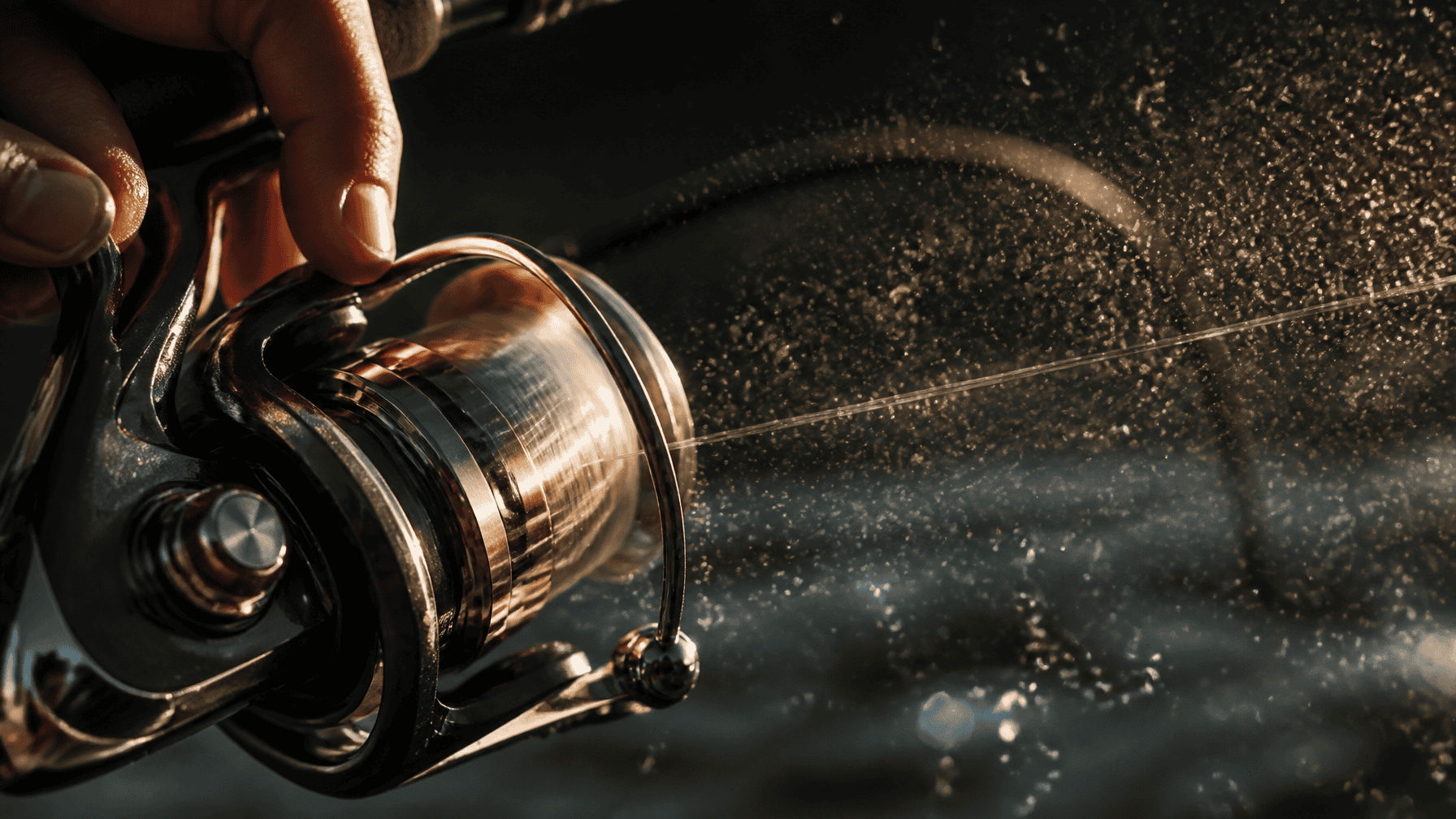
Field Note: Stop Reeling While the Fish Is Taking Drag
When the spool’s giving line, cranking the handle gains you nothing but twist. Let the drag handle the run, then get your line back once it quits.

Field Note: Test the Hook Point Before You Change the Lure
Miss a couple of fish and the lure gets blamed first. I drag the hook point across my thumbnail before I change anything, because a dull or rolled point looks fine from arm’s length.