The worst time to find out your drag is locked down is when the fish has already found out for you.
The rod bends, the line goes tight, nothing gives, and the weakest part of the setup gets elected.
Usually by breaking.
Drag is supposed to prevent that.
It’s a brake, not a toughness dial
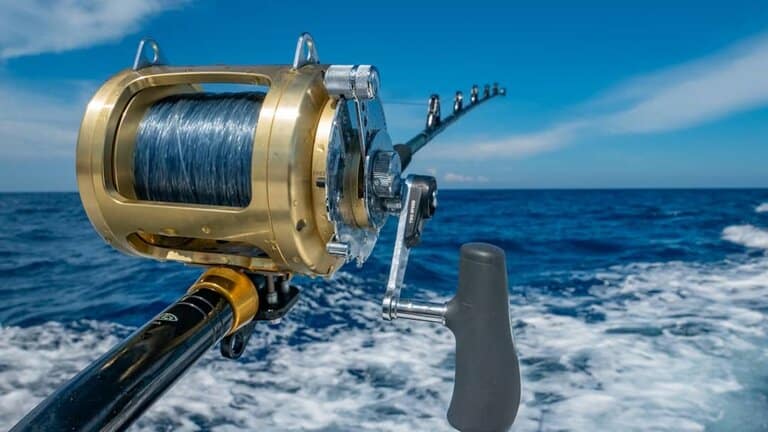
Reel drag is adjustable resistance against line leaving the spool.
Tighter drag means the fish has to pull harder before line slips. Looser drag means line leaves more easily.
The goal isn’t “as tight as I can get away with.” It’s enough resistance to control the fish while still letting line go before the pull gets past what the weakest part of the rig can handle.
That weak point might be the leader or tippet, a knot, the hook, a damaged stretch, or the main line itself.
That’s why it helps to think of tackle as one connected thing. Tackle as a Chain goes further into it; drag is the one link in that chain that’s designed to move.
Pull on the line the way a fish will
You’ll learn a lot more by pulling line off the reel than by staring at the drag knob.
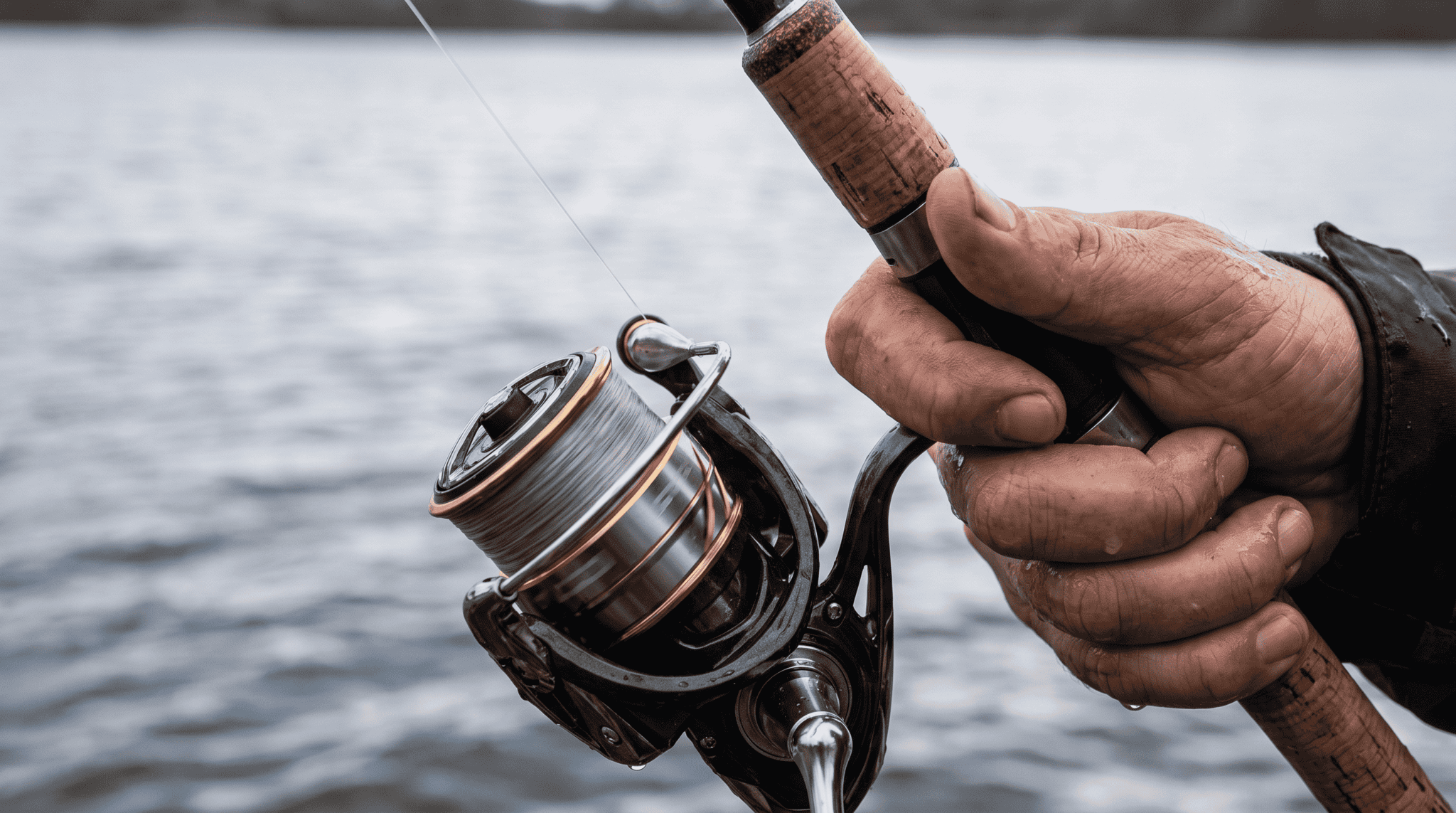
Rig the rod and run the line through the guides. Hold the rod at a reasonable fighting angle and have someone pull from a safe direction, or carefully pull line yourself with the rod supported.
You want smooth release under pressure.
If the drag jerks, sticks, or needs a big initial pull before it starts moving, that matters. If it spills line with almost no resistance, that matters too.
Numbers can help if you use a scale, but you still have to test the whole thing put together. A reel setting on the bench doesn’t include rod flex, knots, leader, or worn line.
The weakest line rating isn’t the whole answer
You’ll see rules that say to set drag to a fraction of line strength. Those are starting points, not a substitute for thinking about your setup.
Sixteen-pound braid tied to an eight-pound leader isn’t a sixteen-pound rig at the fish.
An eight-pound leader with a damaged section isn’t even an eight-pound rig.
A tiny hook can straighten before strong line breaks, and a light tippet knot can fail before the reel ever gets a chance to look impressive.
Set the drag for what you’re actually asking the whole rig to survive.
Too loose creates its own problems
Loose drag feels safe because nothing breaks.
But a fish that can take line with almost no resistance may reach weeds, timber, rocks, pilings, current, or another angler’s line before you can turn it. It can also drag the fight out longer than it needs to be.
For fish you plan to release, unnecessarily long fights add stress. NOAA Fisheries recommends tackle strong enough to land the target fish quickly as part of its catch-and-release best practices.
So “loose enough not to break” isn’t the whole job either.
Adjusting during the fight should be small
Sometimes the original setting is wrong.
A fish reaches open water and you can ease the drag a little. A fish turns toward cover and you may need more pressure, if the tackle can take it.
Make small changes.
Spinning a drag knob a full turn while a fish is running isn’t precision. It’s gambling with a very tiny wheel.
If you don’t know how much one click changes your reel, find out before the trip.
Don’t reel against a running drag
If the fish is taking line and the spool is turning out, cranking hard at the same time usually does nothing useful. On a spinning reel it can also add line twist, because the rotor is turning while line is leaving the spool.
Let the drag work and keep the rod loaded. When the fish stops taking line, get it back under control.
There’s a short field note on reeling against the drag, because it’s one of those habits that makes more sense the first time you feel the reel doing its job.
Cold, salt, dirt, and time can change the reel
A drag that felt smooth in the garage may act differently after the reel has seen cold weather, salt spray, grit, or a season of neglect.
Check it again.
Saltwater reels especially need the maintenance their design calls for. The saltwater corrosion piece covers why one rinse isn’t a personality trait.
If the drag chatters or sticks even after normal maintenance, get the reel serviced instead of setting it looser and hoping.
Teach drag before the first good fish
A new angler can catch ten small fish without ever seeing the drag work.
Then a bigger fish runs, the reel suddenly starts making noise and giving up line, and the natural response is to grab the spool or panic-reel.
Show them first.
Pull line from the rod so they can hear the drag and feel what the rod does while line slips. Explain that the reel isn’t failing — it’s giving the fish line on purpose.
That thirty-second demo can save the fish they end up remembering.
Set it while nothing exciting is happening
Drag is easy to ignore because a good setting doesn’t do anything dramatic until it has to.
That’s exactly why you set it at the truck or the dock or the bank, under load and against the weakest connection in the rig, before the first cast.
Then leave the knob alone until the water gives you a reason to touch it.