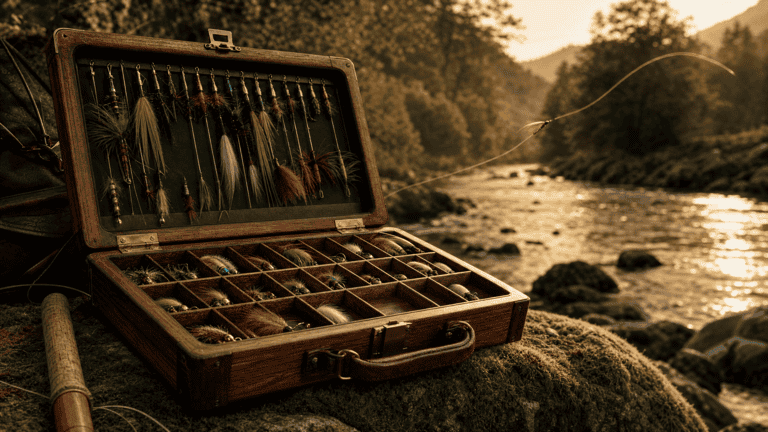
A really nice rod can make you want to pick it up when there’s no water anywhere nearby.
That isn’t a performance problem, and it isn’t proof marketing got you. Sometimes a thing is just built well — the cork feels right, the blank loads clean, and the reel seat doesn’t look like it escaped from a lawn chair. You notice that stuff. I definitely do. The trout doesn’t.
This is where fishing gets weirdly moral about equipment. One crowd acts like expensive gear unlocks a private door into the sport, and another acts like enjoying anything above the cheapest functional option is a character flaw. I find both of them exhausting. Fish are hard enough already without turning your rod rack into an ethics hearing.
A better rod can actually be better
There are real differences between rods. Weight, recovery, balance, component quality, handle shape, power, action and build quality all change how a rod feels, and sometimes how well it does a particular job.
Casting all day, a lighter and better-balanced rod earns its keep. Protecting light tippet comes down to how the blank loads and recovers, and throwing heavier lures into wind puts power and recovery to work. Even handle shape counts: if it’s bugging your hand twenty minutes in, that matters, because your hand is attached to the rest of you.
None of that means price tracks usefulness perfectly. It doesn’t, and fishing companies would probably prefer that sentence in smaller print.
Sometimes the expensive rod really is noticeably nicer. It might be lighter, recover quicker, feel more sensitive, have a better finish, or just sit better in your hand. One of those differences could matter to the fishing you do most, and another could matter because the rod is beautiful and you like it. Those are different reasons, and it helps to know which one you’ve got.
The part that bothers me is pretending
What gets irritating is when liking nice gear gets turned into a fishing claim it can’t back up.
A beautiful fly rod doesn’t make a bad drift good. If you won’t change the retrieve, a premium baitcaster isn’t going to put the lure at the depth the fish are holding. And a reel with seventeen bearings has zero negotiating power with a bass that’s decided to sit under a dock instead of where you wanted it.
The fish remain deeply uncooperative with the retail strategy.
That’s actually helpful, because it pulls apart two questions that get mashed together all the time. Is this gear better? Maybe. Will it fix the fishing problem I actually have? That’s a different question.
A line that keeps breaking at a damaged leader doesn’t care what rod it’s tied to. When you can’t reach the pocket because the rod’s badly matched to the lure, though, the rod might really be the problem. And liking how one setup feels enough that it gets you out the door more often counts too. Enjoyment isn’t fake just because it doesn’t raise your catch rate.
Building rods makes this harder, not easier
Once you’ve built a rod from parts, a finished rod stops being one mysterious object and turns into a stack of decisions: the blank, the guides and how they’re spaced, the grip, the reel seat, thread, finish, and how all of it balances.
Every choice gives something and usually costs something somewhere else. Lighter components can change the balance. A longer handle helps on one job and gets in the way on another. More power feels reassuring right up until the fish on the end is six inches long and the whole experience starts to resemble receiving a fax.
So it’s hard for me to believe in a magical best rod. There are good builds and bad matches, and rods that are fantastic at one job and irritating at the next.
And then there are rods you just love. That category gets to exist too.
Cheap gear gets weirdly judged too
The same problem runs backward.
A cheap spinner that catches fish doesn’t become embarrassing because somebody beside you has a lure box that looks like it carries its own insurance policy. A scratched spinning reel that works is still working, and a rod doesn’t get less useful because it came from the part of the store without dramatic lighting.
If somebody’s new, this matters more than it sounds like it should.
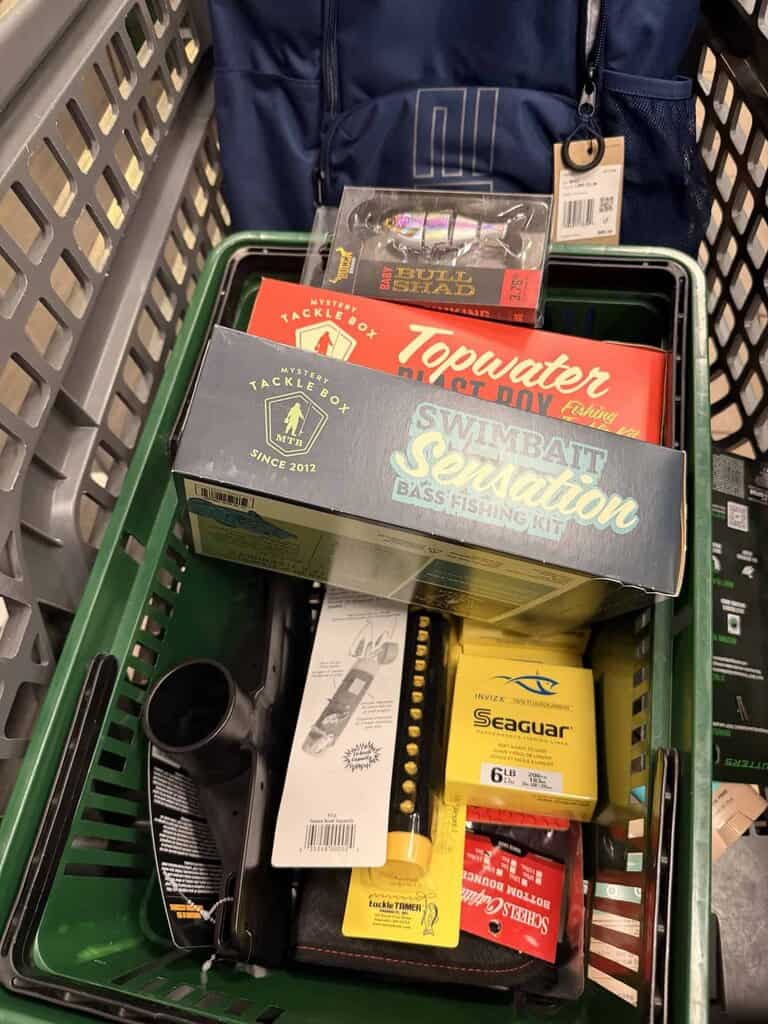
Fishing gets expensive fast when every recommendation starts at the enthusiast level. Rod, reel, line, leaders, terminal tackle, waders, boots, flies, lures, tools, electronics, a boat or a kayak — you can make a person feel financially unqualified to stand next to a pond before they’ve made a single cast. That’s dumb.
Standing in front of a wall of gear wondering what it costs to be allowed to start is a lousy feeling. The real price of admission is something functional that you can make work. The rest can show up later if you end up caring enough to want it. Honestly, the expensive stuff is more fun once you already know why you like it.
The honest reason is sometimes enough
I like fishing equipment — how it’s designed, and why one component behaves differently than another. I like rods enough to build them, and I still completely understand somebody standing in a store staring way too long at one they absolutely don’t need.
That contradiction doesn’t need fixing. Fishing can hold tools and toys at the same time.
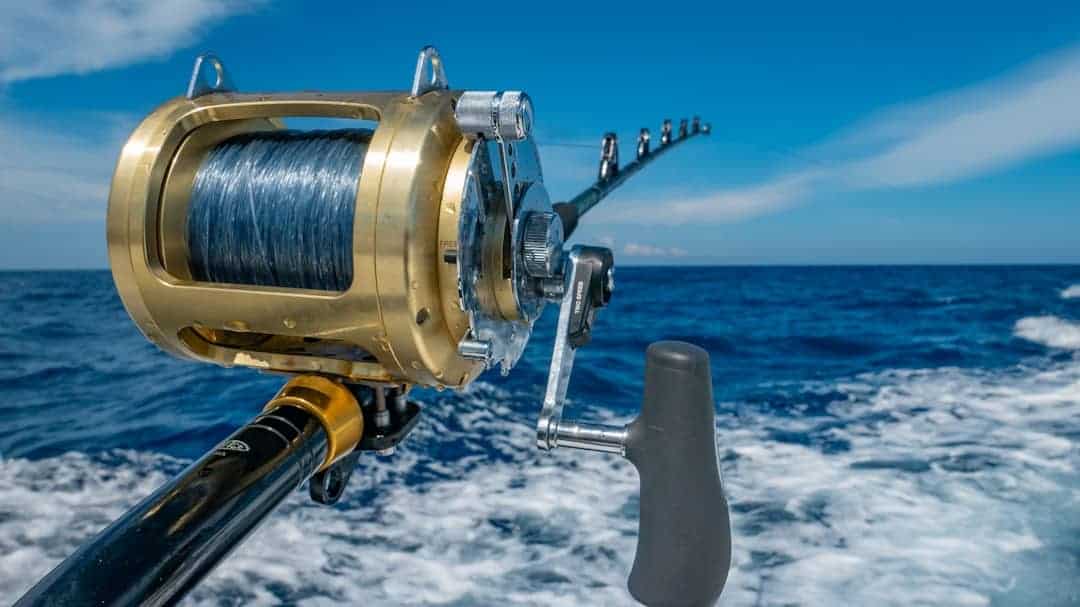
What I’d actually ask is whether you know what you’re buying. If it’s lighter weight, better recovery, a specific action, a reel that handles salt better, or a component choice that matters to the job, great. If the honest answer is I just really like this rod, that’s an answer too.
For the less romantic version, start with what’s actually failing, then look at what extra rod power changes. The rest of the gear systems stuff goes further down that road.
Just don’t hand the fish the job of justifying the receipt.