Category
Saltwater & Coastal
The ocean gets a vote. Surf, jetties, inlets, flats, nearshore and offshore water all change the scale, the tackle and the safety margin. This is the saltwater side from the beach out to water where Montana feels very far away.
Everything filed under this heading, newest first.
Worth opening first
- Redfish or Black Drum? One Look at the Barbels Settles ItBarbels, spot, tail. Get the identification wrong and the regulation still applies.
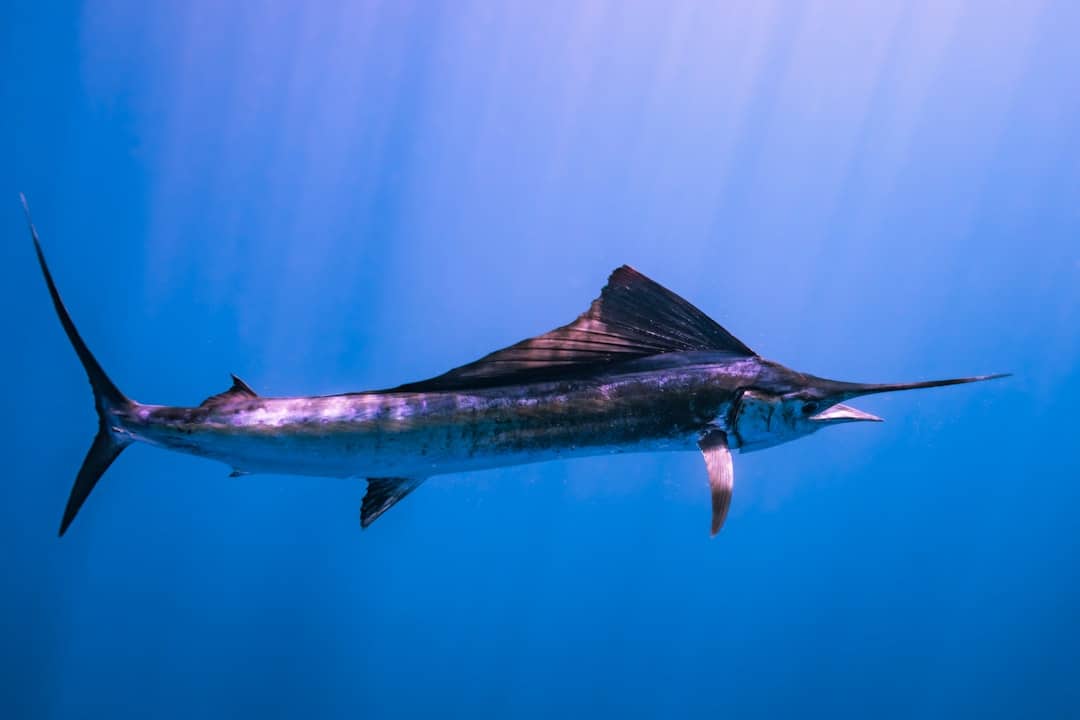
Sailfish Turn a Bait School Into Surface Water
Sailfish are best understood through the current edge, bait-school behavior, live-bait and kite presentation, circle-hook timing, and an immediate in-water release.

White Marlin: The Rounded Fins Matter More Than the Color
Rounded fins and a spotted dorsal say white marlin before the color does. Then bait timing off the teaser, the 66-inch minimum and a wet release.

Blue Marlin Make the Tackle Decision Before the Bite
Blue Marlin reward crews that solve productive water, spread clarity, heavy-tackle geometry, identification, and release before the first run.
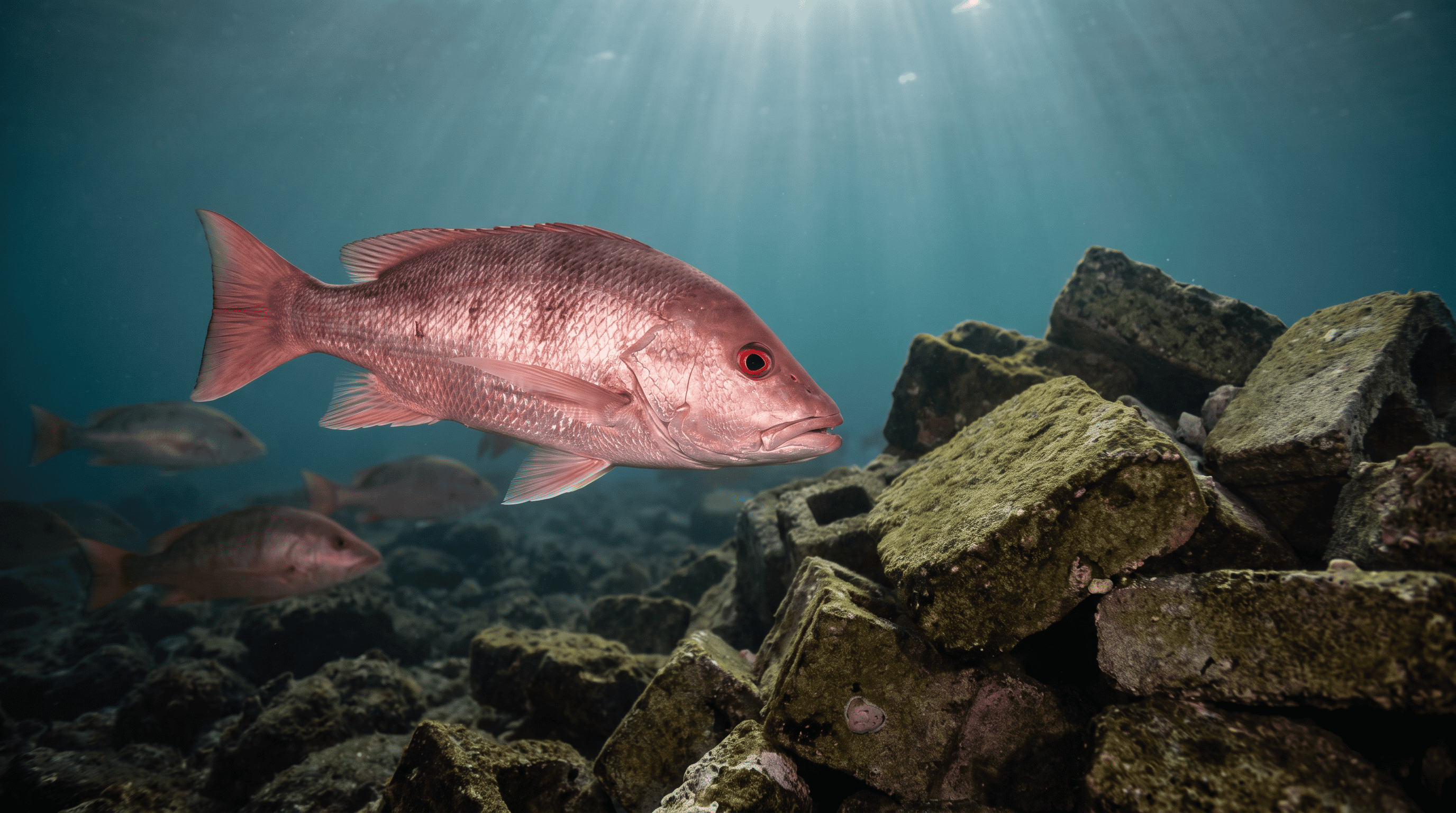
A Fish That Floats Back Up Needs More Than a Gentle Release
A fish that floats right back up after release probably has barotrauma. It needs to get back to depth, using the method the agency recommends for that species and water.
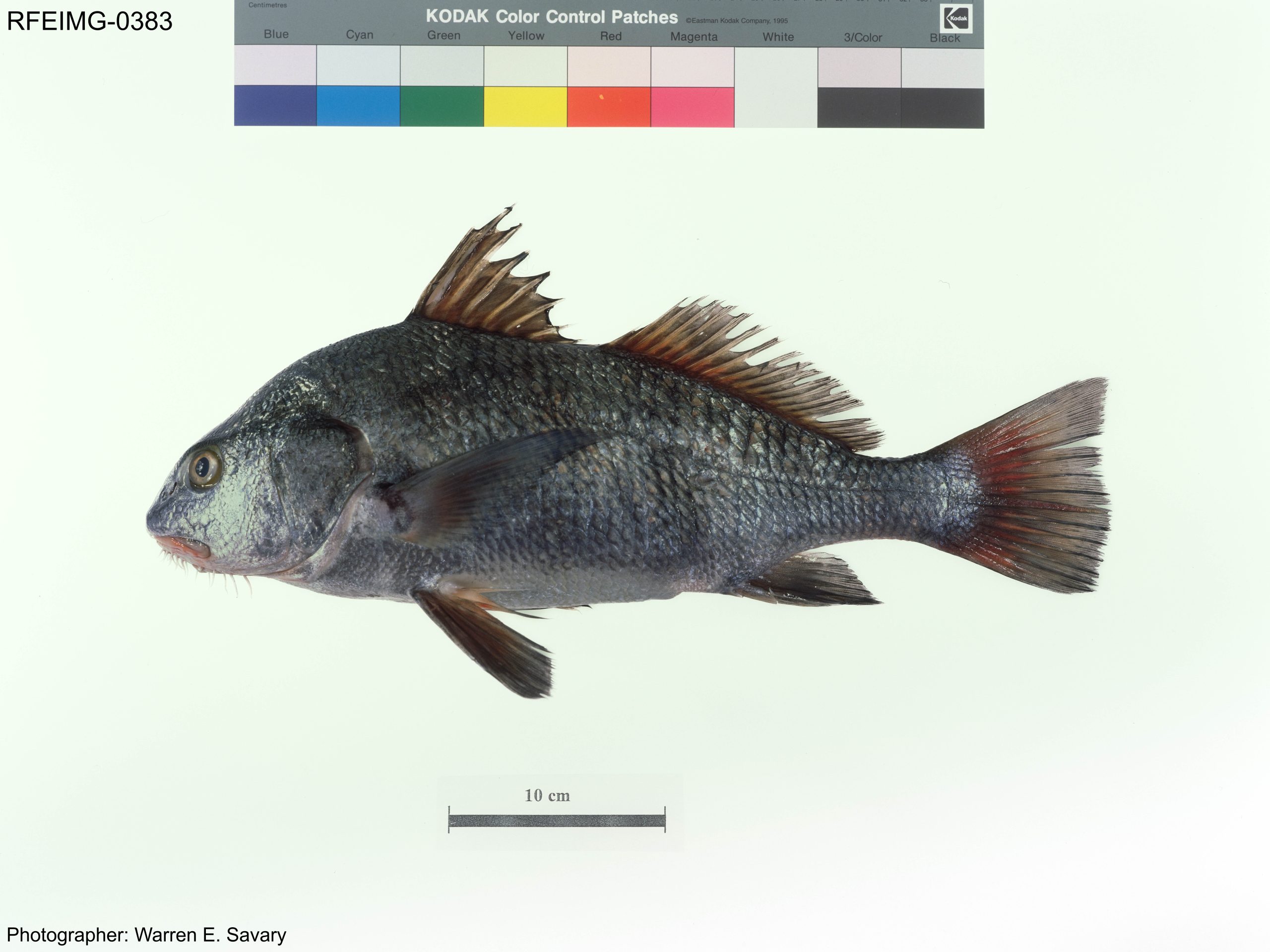
Redfish or Black Drum? One Look at the Barbels Settles It
Color is the worst way to tell a redfish from a black drum. Look under the chin, because limits are set by species and that fish in your hand only counts against one of them.

Worked Example: A Null Result on a Falling Tide
Getting nothing on a falling tide doesn’t mean the tide is dead. A worked example of how narrow a blank really is, and how to change the next thing without changing everything.

Deep Drop Fishing: What It Takes to Fish 600 Feet Down
I haven’t fished 600 feet down. Looking at how people actually rig for it, the current on all that line changes the weight, the braid and the rod long before a fish comes into it.

Reading a Temperature Break: How Canyon Captains Find Tuna
Tuna don’t care about coordinates. They follow food, and food tends to collect where warm and cool water meet, which is why a canyon trip starts with a satellite chart and ends with checking whether the chart was right.

Building a Trolling Spread: Why Pattern Beats Lure Count
A trolling spread is supposed to look like a bait school that’s getting hit, with every position doing its own job. When it isn’t working, another line out is usually the wrong fix.
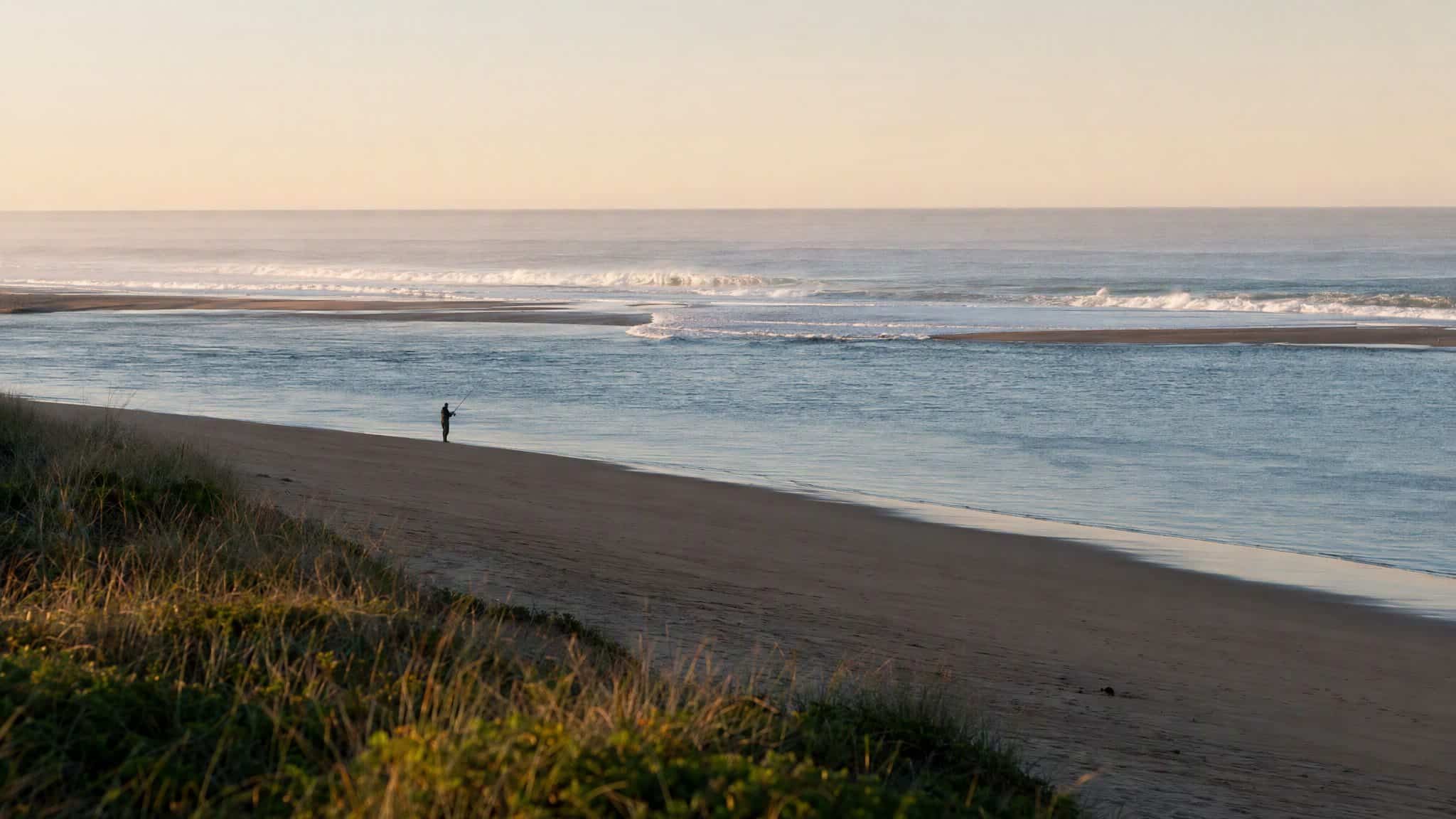
Reading Surf Structure: The Sandbar Nobody Notices From the Beach
The best water on a surf beach is often the trough between your feet and the first sandbar, which is exactly the water a long cast flies over.