Hook the Horizon
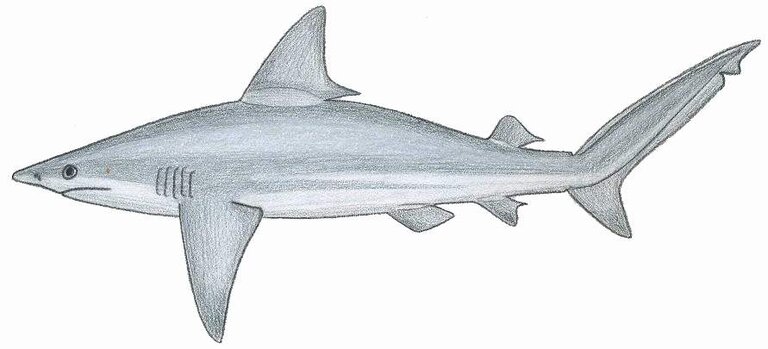
A gray, tuna-like fast pelagic fish swimming in open water.
,

Pacific Bonito Under a Bird Show Are Often Deeper Than They Look

Birds and splashes will find a bonito school, but the fish don’t always stay on top. Stop chasing with the boat, figure out which layer they’re in, and let a metal jig fall through it before you start digging through colors.

A bonito school busting bait under the birds looks like a surface bite, and for a few minutes it is. Then Sarda chiliensis can settle well below the surface, and anybody still burning a lure across the top is fishing water the fish just left. A sinking metal jig catches those fish. Birds or a trolling strike will find the school; after that, quit chasing it with the boat, work out which layer it’s holding in, and match bait size and retrieve to that layer. One February 2026 La Jolla report had most of its bites come while the jig was still sinking.

At a glance · Fish this first

How to find them
Birds, sonar schools, anchovy/sardine bait, current edges and trolling contact. Binoculars and the meter can find fish before the surface gives them away.
Fish on top
Small surface iron, compact chrome/blue metal, stickbait or live anchovy/sardine. Retrieve fast enough to trigger without making the lure spin or leave the feeding layer.
Fish below the surface
Cast a 60–100 g class metal/Colt-Sniper-style jig, let it sink through the marks, then wind or jig it back. Count the sink so the next cast reaches the same depth.
Live-bait baseline
A light 20 lb flyline outfit with a lively sardine is a proven SoCal island baseline for bonito/barracuda/calico; lighter 15 lb examples also appear in open-water mixed bites.
What to change first
Birds but no surface bite: sink metal before changing color. Bites on drop: repeat the drop. Fish chase but miss: reduce bait/lure profile. Troller gets bit: stop and cast before simply making another trolling lap.

Find the school before choosing the lure

Birds, Meter, Bait and Trolling Contact

Birds are a search tool, not proof the fish are on top
A January 2026 La Jolla bonito report found schools by a strong bird show, with fish repeatedly up and down. That distinction matters: birds can keep you on the moving food source even when the bonito are no longer visibly breaking the surface.

Source: BDOutdoors — La Jolla Bonito Hunt, Jan. 15 2026

Use the meter
Pacific Bonito travel in large enough schools that sonar can matter. If the birds stop and the meter still shows a band of fish or bait below the boat, depth—not lure color—is the first question.

Source: BDOutdoors — Southern California Bonito discussion, Dec. 2025

Troll to locate, then change modes
Current 2026 reports include bonito found by trolling Rapalas/daisy chains, squid-strip spreader bars and slow-trolled sardines. A trolling strike proves the boat crossed fish. If birds, marks or another strike confirm the school, stop long enough to cast or flyline rather than automatically circling the same track all morning.

Sources: BDOutdoors — Jan. 2026 · BDOutdoors — Jan. 20 2026 · BDOutdoors — Aug. 17 2026

Warm water helps explain availability, not the exact bite
An Aug. 30, 2026 La Jolla report found bonito in 74–75.8°F water, while winter 2026 schools were also present in much cooler seasonal conditions. Do not turn one warm-water report into a 75-degree bite rule. Follow current fish/bait evidence first.

Source: BDOutdoors — La Jolla, Aug. 30 2026

The surface show is only one layer

Determine the Depth Before Changing Color

2026 La Jolla: most bites on the sink
On Feb. 2, 2026, anglers found 2–7 lb bonito around La Jolla in roughly 150–250 feet of water. After a trolling strike they stopped the boat and caught bonito on mini surface iron and Colt Sniper, with the reporter explicitly noting that most bites came while the lure was sinking. That is the clearest possible reason to treat fall depth as part of the presentation.

Source: BDOutdoors — La Jolla Bonito, Feb. 2 2026

2026 Redondo: sink first, burn when they rise
An Aug. 7, 2026 Redondo report caught one bonito by reeling into a Colt Sniper after the drop. When the school erupted beside the kayak, the same angler burned the jig to the surface, cast at the visible fish and was bit almost immediately. Same lure, two different layers, two different retrieves.

Source: BDOutdoors — Redondo Bonito, Aug. 7 2026

Count the fall
If a 100 g jig gets bit after an eight-second fall, use that as information. Repeat the cast, count to roughly the same depth and work that layer before letting the lure sink all the way to bottom. The count belongs to that jig/current/line—not to bonito everywhere.
If the school is visibly feeding high
Keep the lure just below the surface where fish are chasing. A surface-iron specialist fishes bonito with a fast retrieve, but specifically only as fast as the jig will swim without spinning out. The lure’s action is the speed limit.

Source: BDOutdoors — Surface Iron Technique

Match anchovy versus sardine before debating paint

Lure Size and Profile

Anchovy-sized bait
Use compact metal, small stickbaits or small plastics that can be cast far without becoming three times larger than the prey. A late-August 2026 Southern California discussion recommended shiny 60–100 g metals and small anchovy-like plastics for bonito at roughly 80–120 feet.

Source: BDOutdoors — current Bonito discussions, Aug. 2026

Sardine-sized bait
A larger iron, stickbait or live sardine becomes proportionate when the school is keyed to full-size sardines. The August 2026 Newport-to-Oceanside report used mixed anchovy/sardine bait and slow-trolled sardines around fleet activity. Start with the bait the fish are actually seeing.

Source: BDOutdoors — Aug. 17 2026

Color after profile/action/depth
Blue-white, sardine and chrome-blue are established SoCal bonito iron colors, but experienced surface-iron guidance puts hungry bonito response ahead of paint. If the jig is the wrong size, wrong depth or spinning out, a color change is a low-value adjustment.

Source: BDOutdoors — Surface Iron Technique

Live bait is the cleanest control experiment

Flyline Anchovy or Sardine

20 lb island baseline
One established Southern California island live-bait setup for calico, bonito, barracuda and yellowtail uses an 8-foot 15–25 lb rod, small reel with 50 lb braid and a few feet of 20 lb fluorocarbon. That is a useful baseline for average bonito and open water, not a requirement.

Source: BDOutdoors — SoCal Islands Setups

Open-water light example
A July 2026 La Jolla mixed “three B’s” bite was handled on a bass rod with 15 lb test, a small J hook and 1/4 oz slider. That is an open-water, school-fish example. It is not what to copy beside heavy kelp or on much larger-grade bonito.

Source: BDOutdoors — La Jolla, July 2026

Choose the bait that swims
With live bait, bait condition comes before leader obsession. Use a lively anchovy or sardine, hook it so it can leave the boat naturally, and replace a bait that rolls or returns immediately. A school of bonito can expose weak bait fast.
If the school is deeper
Add only enough weight or use a slider to reach the marked layer. A perfectly lively sardine held ten feet above fish is still in the wrong place.

Trolling is reconnaissance as much as a method

Rapalas, Feathers and Squid-Strip Spreads

Search when you cannot see them
Trolled plugs, feathers/daisy chains and small spreader bars can cover water until the first strike or bird/meter contact. Winter 2026 La Jolla reports include Rapalas/daisy chains and squid strips behind a mini spreader bar producing bonito.

Sources: BDOutdoors — Jan. 15 2026 · BDOutdoors — Jan. 20 2026

Do not overinterpret one blind strike
A single trolling bite may be one fish or the edge of a school. Look immediately for meter marks, bird behavior and another strike. When multiple clues line up, stop and cast. When they do not, continue searching.
Inspect trolling hooks
A January 2026 angler repeatedly hooked and lost bonito on trolled gear and specifically concluded the hooks needed attention. Schooling bonito create repetitive load cycles; hook sharpness, split rings and terminal knots should be checked before the next pass.

Source: BDOutdoors — Jan. 15 2026

What to change first

Failure Diagnosis

Birds working, no surface bite
Sink the metal through the marks before swapping colors. The birds may be following bait that bonito are holding below the surface.
Most bites on the drop
Shorten the retrieve and create another drop sooner. The fall is the productive phase; stop spending half the cast racing the lure through empty surface water.
Fish chase but do not connect
Downsize toward the anchovy/sardine profile and make sure the lure is not spinning. If fish are following a fast retrieve but turning away, profile/action is a better first test than paint.
Troller hooks fish but casting does not
Match the trolling lure’s depth, speed and size. If the troller is five feet down and the casting lure stays on top, the problem may be vertical position rather than lure category.
School disappears after the boat stops
Check the meter and drift direction before restarting the engine. The boat may have stopped while the school continued. Reposition ahead rather than running directly through the last mark.

Balanced tackle keeps the school bite efficient

Fight, Landing and Terminal Inspection

Steady drag
Bonito make fast runs and repeated direction changes. A smooth drag and moderate rod angle do more work than high-sticking. On a crowded sportboat, follow the fish along the rail so its run does not become everyone else’s tangle.
No automatic wire
Bonito have visible teeth, but the practical leader issue is not the same as Pacific Barracuda. Use mono/fluorocarbon appropriate to lure/live-bait presentation, inspect the final feet after every fish and respond to actual abrasion/failure. Do not add wire merely because the fish has teeth.
Release or chill immediately
If released, minimize deck time and return the fish promptly. If retained, bleed and chill it quickly. Bonito has dark, blood-rich flesh; poor temperature control can turn a good fish into a poor table experience.

Identification after the fishing plan

Pacific Bonito

Straight diagonal stripes
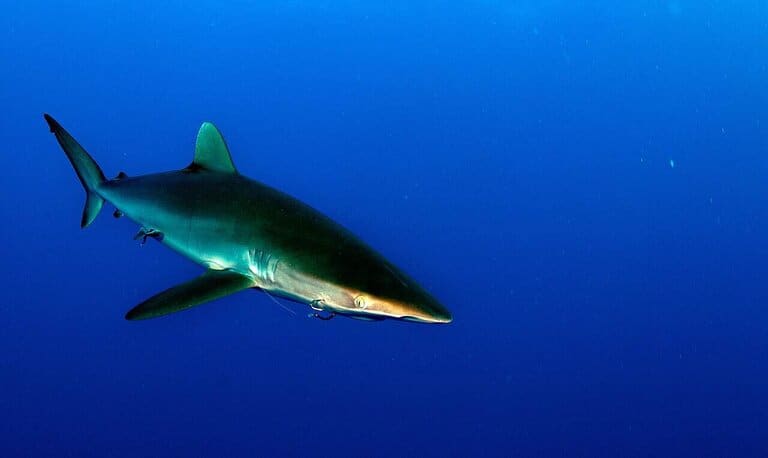
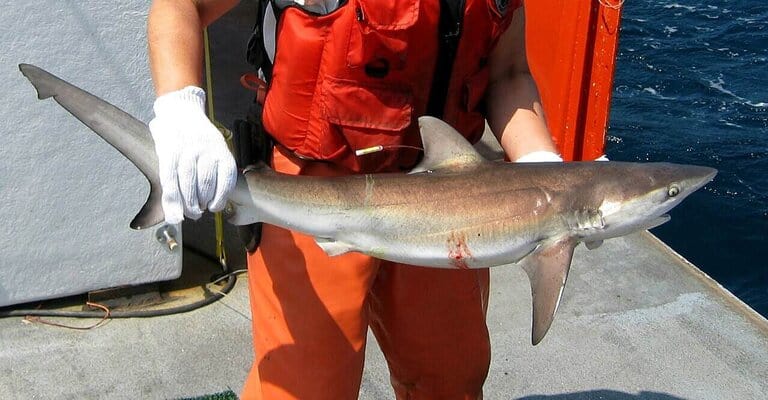
Look for multiple straight dark oblique stripes across the blue-green upper back, a clean lower flank and the compact tuna-family body with finlets. Little Tunny has worm-like back markings; Wahoo has vertical bars; Pacific Barracuda is long and cylindrical rather than compact.

Source: CDFW Marine Species Portal — Pacific Bonito

Pacific vs Atlantic bonito
They are close relatives and look similar, but this page covers the eastern-Pacific Sarda chiliensis, not Atlantic Sarda sarda. Geography and scientific name keep the correct fishery and rules attached.

— · Sources

FEEDING ECOLOGY · STANDARDIZED

How this fish gets fed.

Primary prey
Anchovies, sardines and other small schooling fishes are major prey, with squid and other pelagic prey also taken.
Feeding mode / location
A schooling pelagic pursuit predator that follows bait through open water, kelp-adjacent water, current edges, and mixed surface activity. Birds can reveal the food source, while sonar may show the same school feeding below the surface.
Diel / seasonal pattern
The profile does not establish one universal clock. Schools can move repeatedly between surface and depth within the same feeding event; seasonal availability follows water mass and bait distribution.
Ontogenetic diet shift
Not established with enough detail in this profile’s cited source set to state a fixed juvenile-to-adult sequence beyond increasing use of larger schooling fishes as fish grow.

A bird show can keep you on the food even after the bonito stop visibly breaking the surface.

Primary Fishing References

Compiled 2026-09-11. Limits and advisories are set per water and per state and change between seasons — the managing agency for wherever you are fishing has the current answer.
More like this

Where this one lives

  • Saltwater & CoastalSurf, shoreline, nearshore, offshore, and deep-sea fishing — technique, gear, and safety content spanning the full range from the beach to blue water.103 articles
  • Species & BehaviorFish behavior, habitat, depth, forage relationships, and species-specific field decisions. Start with the Freshwater Fish Species field guide.159 articles

Discover more from Hook the Horizon

Subscribe now to keep reading and get access to the full archive.

Continue reading