Uku (Green Jobfish) Want Rubble, Not Just the Right Depth
Uku can sit anywhere from about 60 to 650 feet, so bottom type does more of the finding than depth does. Look for rubble or reef edge with bait, then run a lively ʻopelu through the mark or give a compact jig more time on the fall.
By HunterUpdated September 12, 2026Read 7 min
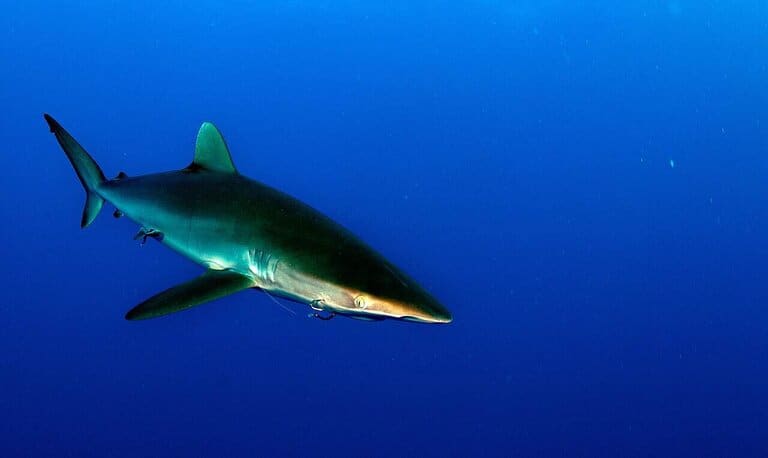
Image: roaming off the reef edge
Uku aren’t a Deep-7 snapper, and a depth number that looks right won’t find them on its own. Green Jobfish (Aprion virescens) range from roughly 60 to 650 feet around Hawaiʻi, which is a lot of ocean to be vaguely hopeful over, and they can suspend above hard reef, rubble and ledges. The real work is finding the piece of structure that’s organizing prey, then deciding whether to send a lively ʻopelu through it or make a compact jig spend more time on the fall.
At a glance · Fish this first
First water
Rocky rubble, hard-bottom reef edge, ledge or drop with bait above it. Do not assume a broad sandy slope is equivalent just because the depth looks right.
First bait
A lively whole ʻopelu is the high-confidence bait when available. Cut ʻopelu can work, but Hawaiʻi fisher interviews report more shark interaction with cut bait.
Jig start
Compact metal that reaches the marked layer without becoming lifeless. One Oʻahu example caught uku around 100 ft on a 60 g tungsten jig; use more or less weight for your actual current/depth.
Jig action
Medium lifts/winds, then pause and let the jig fall back through the mark. If strikes happen on the descent, shorten the retrieve and create more fall phases.
Fight problem
Turn the fish away from reef on the first run. Once it clears hard bottom, let the drag work instead of continuing maximum pressure for no reason.
Start with bottom type, then read the water above it
Where to Search
Hard bottom over generic depth
NOAA places uku broadly between about 60 and 650 feet, but depth alone is not enough to choose a spot. Reef edges, ledges, banks and rocky/rubble bottom give prey and predators something to organize around. A productive line can include fish suspended above the structure rather than sitting on it.
One Hawaiʻi kayak angler spent years pulling live and dead ʻopelu across Windward dropoffs without uku, then began catching them after shifting away from broad sloping sand toward rocky rubble and using a more appropriate compact jig. That is a regional angler observation, not a statewide habitat law, but it is an excellent diagnostic: when the depth looks right and the target never appears, inspect the bottom type before blaming bait.
Uku are reef-associated predators but can intercept prey in the water column. If the meter shows bait thirty feet over hard bottom, make at least one presentation through the bait instead of sending every bait and jig straight to the reef.
Current face
Mark the side of a ledge or ridge receiving current and the depth where bait stacks. Repeat the productive drift line rather than only the waypoint. If the drift reverses, the feeding face can reverse with it.
Whole ʻŌpelu is a fishing method, not just a bait choice
Live-Bait Decisions
Use a bait that can swim
Hawaiʻi fishers identify live ʻopelu as a preferred uku bait. Rig it so it can swim naturally in the marked layer, and replace a bait that rolls, dies or returns directly to the boat. A dead bait gives poor information about whether uku rejected the presentation.
If uku or bait marks are suspended, stop the bait above bottom or slow-troll/drift it through that layer. Bottom contact is useful only when the fish are close enough to bottom to encounter it.
Cut bait changes the bycatch problem
Fisher interviews used in uku research report that cut bait is effective but can increase shark interactions compared with live bait. If sharks start dominating the drift, adding more cut bait or chum can make the fishing problem worse. Move, reduce scent, or return to live bait before simply increasing leader strength.
Keep line angle controlled
Too much horizontal scope makes it harder to know whether the bait is above the reef, dragging through it or far behind the marked fish. Adjust weight, boat speed or drift angle until the presentation crosses the target zone predictably.
A compact jig buys fall time without losing control
Jigging Uku
60 g at 100 ft is an example, not the rule
A Hawaiʻi Nearshore Fishing report caught uku around 100 feet on a compact 60 g tungsten jig after a heavier-jig setup had produced less useful action. The transferable lesson is matching jig mass to the depth/current so the lure remains responsive while still reaching the fish.
Uku do not require the same frantic retrieve used for every trevally. Work the jig through the marked layer with moderate lifts/winds, then pause and let it fall. If the fish repeatedly hit during the drop, build the next cast/drop around that fact.
Start below the mark, not always on bottom
If the school is suspended, drop slightly below it and work upward, then fall back through it. Touching bottom every cycle only increases snagging and wastes time below the fish.
Too heavy is visible in the lure
If the jig drops like a sinker and gives almost no glide or pause, use less weight if current allows. If the jig scopes away and never reaches the mark, add weight. The right jig is the one you can control in the fish layer.
Use the meter to shorten the day
Drift and Electronics
Separate four depths
Record bottom depth, bait depth, uku mark depth and strike depth. Those four numbers tell you far more than “caught one at 180 feet,” because the fish might have eaten eighty feet above the reef.
Repeat the line, not the dot
When a bite happens, note current direction and where the boat crossed the relief. Reset up-current and reproduce the crossing angle. A single GPS dot does not preserve the water movement that made it productive.
No marks, no bait, wrong bottom
Move. Uku fishing can consume enormous time if the angler keeps dropping because the depth number looks promising. A clean new piece of hard bottom with bait is better information than a tenth identical drop on dead sand.
What to change first
Failure Diagnosis
Live ʻopelu ignored over a sandy slope
Change habitat before changing bait. Look for harder rubble, reef relief or a bait-holding edge.
Sharks dominate cut bait
Reduce chum/scent, switch back to a lively whole bait, move spots or change depth. Heavier leader alone does not restore uku selectivity.
Jig reaches bottom but nothing happens
Check whether the fish are suspended. If marks are above, stop the drop early. If no marks exist, move. If marks follow but do not eat, lighten or change jig action before changing ten colors.
Strikes happen on the fall
Shorten the upward retrieve and create another controlled fall sooner. The fish has identified the productive phase for you.
Fish break off on first run
The lure or bait worked. Increase extraction pressure within the line/hook limit, shorten the amount of line between fish and structure, or change boat position. Do not solve a reef-breakoff by changing bait.
First turn hard, then stop over-fighting open water
Fight and Landing
At the reef
Come tight quickly and use side pressure to change the fish’s heading away from hard bottom. The first few seconds are where the structure risk is highest.
Once clear
Back off from maximum extraction pressure and let the drag handle open-water runs. Constant locked pressure after the fish clears the reef only increases failure at the knot, hook or leader.
Sharks
If shark depredation becomes repeatable, relocate rather than feeding a predictable sequence of hooked fish through the same water. Landing faster helps only until the sharks have learned the boat.
Depth and release
Deep-caught fish may show barotrauma. If release is likely, prepare a descending device before the first drop and avoid repeatedly fishing depths where unwanted catch cannot be released well.
Identification after the fishing plan
Uku / Green Jobfish
Field look
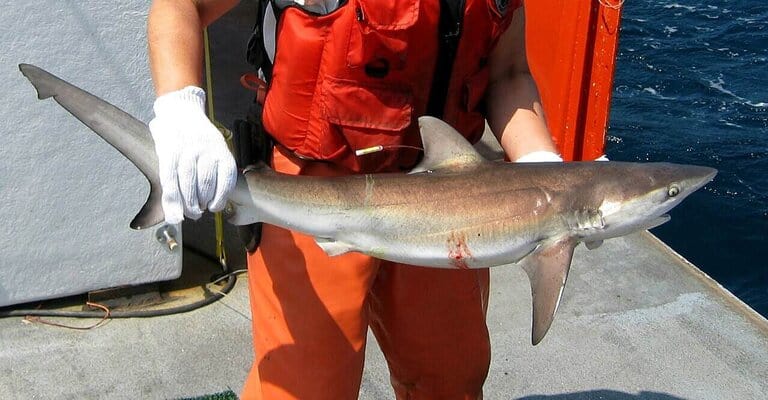
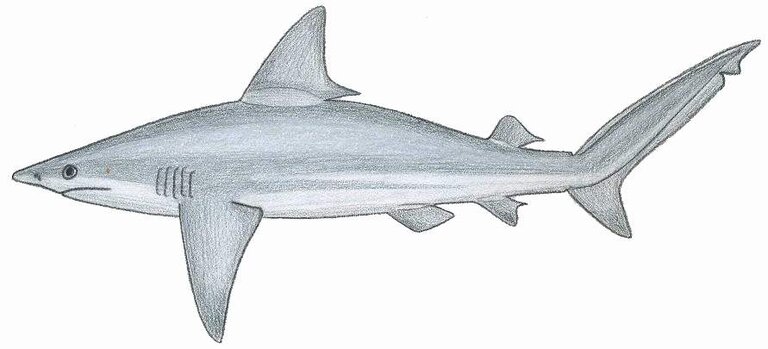
Long streamlined snapper body, pointed head, large mouth and strongly forked tail, usually green-blue to gray. NOAA also uses “gray jobfish.” Confirm Aprion virescens when comparing rules or research because common names vary.
No jig weight or bait trick fixes dead sand under the drift. Get the bottom right first, and the live-bait-or-jig question gets a whole lot easier to answer — the fish will usually tell you which phase of the drop it likes.
— · Sources
FEEDING ECOLOGY · STANDARDIZED
How this fish gets fed.
Primary prey
Fishes are major prey, including small reef and pelagic fishes, with squid and crustaceans also taken.
Feeding mode / location
A reef-edge and rubble predator that hunts around rocky slopes, ledges, hard-bottom transitions, and the water above them. It can intercept live fish or chase a falling jig through the same vertical lane.
Diel / seasonal pattern
The profile does not establish one universal daily feeding window. Current, depth, prey availability, and local reef conditions are stronger feeding context than a clock or one fixed tide label.
Ontogenetic diet shift
The sources behind this page don’t spell out how the diet shifts from young fish to adult.
Live ʻōpelu is a presentation that matches documented fish prey; it is not the only food this species uses.
Compiled 2026-09-11. Limits and advisories are set per water and per state and change between seasons — the managing agency for wherever you are fishing has the current answer.
Saltwater & CoastalSurf, shoreline, nearshore, offshore, and deep-sea fishing — technique, gear, and safety content spanning the full range from the beach to blue water.103 articles
Species & BehaviorFish behavior, habitat, depth, forage relationships, and species-specific field decisions. Start with the Freshwater Fish Species field guide.159 articles
Cookie Consent
We use cookies to improve your experience on our site. By using our site, you consent to cookies.
Contains information related to marketing campaigns of the user. These are shared with Google AdWords / Google Ads when the Google Ads and Google Analytics accounts are linked together.
90 days
__utma
ID used to identify users and sessions
2 years after last activity
__utmt
Used to monitor number of Google Analytics server requests
10 minutes
__utmb
Used to distinguish new sessions and visits. This cookie is set when the GA.js javascript library is loaded and there is no existing __utmb cookie. The cookie is updated every time data is sent to the Google Analytics server.
30 minutes after last activity
__utmc
Used only with old Urchin versions of Google Analytics and not with GA.js. Was used to distinguish between new sessions and visits at the end of a session.
End of session (browser)
__utmz
Contains information about the traffic source or campaign that directed user to the website. The cookie is set when the GA.js javascript is loaded and updated when data is sent to the Google Anaytics server
6 months after last activity
__utmv
Contains custom information set by the web developer via the _setCustomVar method in Google Analytics. This cookie is updated every time new data is sent to the Google Analytics server.
2 years after last activity
__utmx
Used to determine whether a user is included in an A / B or Multivariate test.
18 months
_ga
ID used to identify users
2 years
_gali
Used by Google Analytics to determine which links on a page are being clicked
30 seconds
_ga_
ID used to identify users
2 years
_gid
ID used to identify users for 24 hours after last activity
24 hours
_gat
Used to monitor number of Google Analytics server requests when using Google Tag Manager
1 minute
Jetpack's built-in visitor analytics. It records page views, referring sites, search terms, and outbound link clicks, and also carries the shared visitor-tracking library used by Jetpack Instant Search and WooCommerce Analytics.