California Yellowtail Hold Where Current Stacks the Bait
A famous yellowtail spot without moving water and bait is just famous. Let the meter decide between fly-lined bait, surface iron and a yo-yo iron, and plan to turn the fish away from kelp before the first run gets going.
By HunterUpdated September 14, 2026Read 7 min
Image: the first run toward structure
California Yellowtail do not owe anything to a famous waypoint. A kelp bed, island point or bank becomes useful only when moving water gathers bait there. Then the fishing problem changes fast: choose the correct depth, make the bait or iron look alive, and turn the fish before its first run reaches something sharp.
At a glance · What matters on the water
Scientific name
Seriola dorsalis.
Not a snapper
A Pacific amberjack; the regional name “yellowtail” also gets applied to unrelated fishes elsewhere.
Field marks
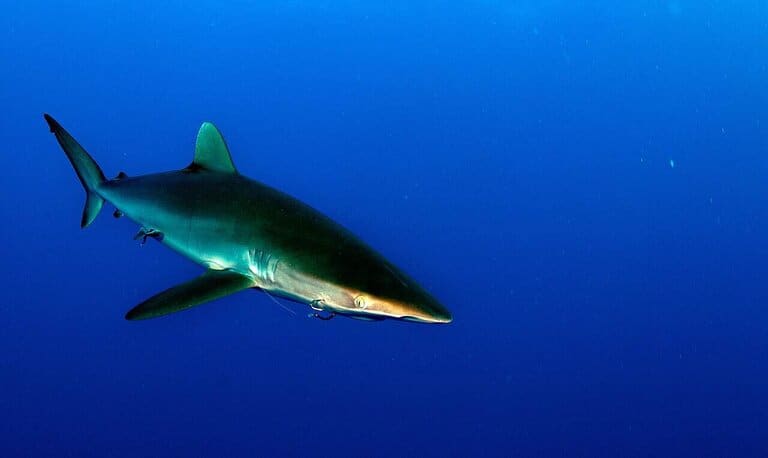
Torpedo body, olive-blue back, pale sides, bronze-yellow lateral stripe and deeply forked yellow tail.
Search signal
Current plus compact bait plus structure that compresses both.
Presentation choice
Fly-lined bait high; surface iron on active fish; yo-yo iron or weighted bait on deep marks.
First-run rule
Tackle strength and boat position must be chosen before the bite.
01 · Identification
Make the common name survive contact with the fish
Whole-body pattern
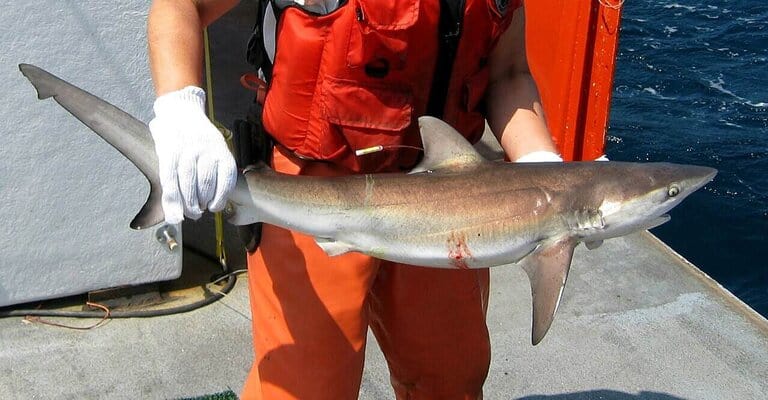
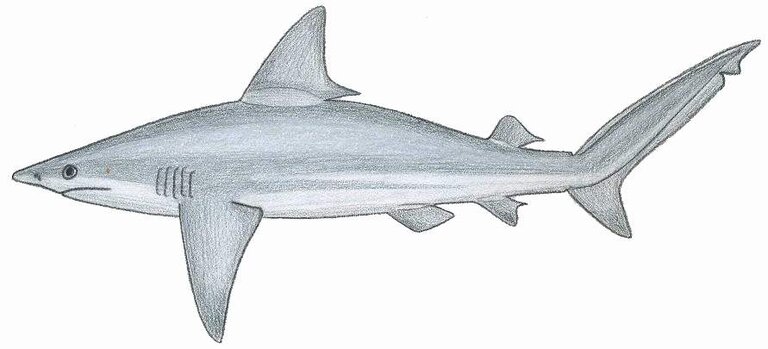
California Yellowtail are streamlined amberjacks rather than deep-bodied reef jacks. The dark back fades into silvery sides, a bronze or yellow stripe runs lengthwise, and the tail is strongly forked and yellow.
Yellowtail Snapper have a different body shape and an uninterrupted bright yellow band running to a yellow tail. Tunas and bonitos carry finlets behind the dorsal and anal fins. Do not retain a fish on the strength of “yellow tail” alone.
Taxonomy matters
CDFW uses Seriola dorsalis. Older references may place the northeast Pacific fish within Seriola lalandi. Follow the current regional authority when logging or labeling the catch.
California’s fishery is centered in Southern California and Baja, with availability farther north changing with ocean conditions. A range boundary describes possibility; it does not locate today’s school.
A warm season can expand the search northward or hold fish longer. Temperature is still only context. If the water lacks bait, current or predator marks, the correct number on the gauge is not enough.
Reports as hypotheses
A landing report says where a catch occurred. Translate it into depth, current, forage and structure before copying the coordinates.
03 · Current structure
Find where moving water makes bait lose room
Kelp edge
Read which face of the kelp receives flow and which side trails down-current. The productive edge can move when tide, wind and swell change the surface expression.
Point or ridge
An island point, bank shoulder or hard-bottom rise can lift water and compact prey. Meter the up-current face, crest and down-current pocket rather than naming the entire feature good.
Current absent
If kelp hangs limp, bait is scattered and the meter stays blank, leave the reputation behind. Waiting is justified by evidence of a coming tide change, not by the spot’s fame.
Boat path
Approach so the boat and presentation cross the feeding lane without running over it. A bad drift can make good structure look empty.
04 · Bait and marks
The meter should choose the water layer
Surface evidence
Breezing fish, nervous sardine, low focused birds and boils justify a high presentation. Birds traveling high or scattered life do not.
Midwater band
Predator marks around or beneath a compact bait ball call for a presentation that can reach that exact band. Note the top and bottom of the school before dropping.
Near bottom
Deep marks over a ridge are a yo-yo or weighted-bait problem only while the rig can be controlled above the bottom. Blind free-spool into rock is not depth matching.
Bait condition
A live bait that circles, rolls or returns to the boat has stopped testing the fish. Replace it before changing leader or hook.
05 · Fly-lined bait
Let a strong bait leave the boat cleanly
Hook placement
Nose-hooking favors a forward surface swim; collar or shoulder placement can encourage a bait to dig. Use the least damaging placement that produces the needed direction.
Line management
Feed line so the bait can swim without building a huge belly. Slack hides the pickup; too much pressure pulls the bait sideways.
Hardware tradeoff
Clear water can reward less terminal hardware, while kelp and fish size demand abrasion margin. Choose the leader for the actual structure distance, not for bragging rights.
Pickup
Let the fish establish weight before applying smooth pressure. The exact timing depends on hook style and bait; a mechanical count ignores what the line is reporting.
06 · Surface iron
A swimming lure is a depth-control tool
Read the kick
A surface iron should track and kick predictably rather than helicopter. Test it beside the boat; one lure model can swim differently from another copy.
Cast path
Place the lure beyond the active edge so it is swimming before it enters the lane. Landing directly in the school can scatter bait or turn followers.
Follower
Change speed or angle first. A fish tracking behind the lure may need a harder escape cue, not a completely different color.
Miss
Continue the retrieve through the strike zone unless the lure fouled. Stopping automatically can remove the one escape signal that raised the fish.
07 · Yo-yo iron
Deep marks require a controlled vertical plan
Know the floor
Confirm bottom depth and the predator band before dropping. Stop the lure above reef rather than waiting to feel rock.
Pass through, not park
Drop below the marked fish when safe, engage, and wind through them. Repeatedly bouncing bottom changes a midwater presentation into a snagging exercise.
Line angle
Wind, current and boat drift can carry the lure away from the meter cone. Reset when line angle makes the assumed depth unreliable.
Direction change
Bites may arrive on the first hard cranks or around a change of direction. Stay connected at the transition instead of creating loose line.
08 · First-run geometry
The fight is mostly decided before the rod bends
Drag beforehand
Set usable drag against the actual line, leader, knot and hook before fishing. Adrenaline is a terrible measuring tool.
Side pressure
A lower side angle changes the fish’s direction more efficiently than a high trophy-photo rod. Pull toward open water and change angle before the fish reaches kelp.
Boat help
When safe, the helm can reduce line in the water or change the pull angle. Move early; waiting until the line is sawing through kelp removes choices.
In kelp
Maintain steady pressure rather than jerking. A new boat angle may free line or allow it to cut through leaves. Do not wrap braid or leader around a hand.
09 · Failure diagnosis
A lost fish should improve the next setup
Rubbed leader
Increase abrasion margin, shorten the fight path or begin farther from structure. Simply tying the same light leader repeats the failure.
Pulled hook
Check hook point, drag spikes and rod angle. More drag is not automatically the answer if the system was already shock-loading.
Boils with no bite
Compare prey size, lure action and approach direction. Change one variable so the next response means something.
Only one bite
Mark the exact depth, current face, bait and presentation. One strike is a clue; a repeat creates a pattern.
10 · Handling and food care
Make the keep-or-release decision at color
Release
Keep the fish supported, minimize air exposure and remove the hook quickly. A hard-fought fish needs clean water moving across the gills before it departs.
Retention
Dispatch promptly, bleed when appropriate, and chill immediately. Yellowtail flesh loses quality while a crew keeps fishing around a warm deck.
Deck safety
The tail, hooks and gaff remain dangerous after landing. Control the fish before photography and keep hands out of the leader wrap.
Stop point
A wide-open school can exceed the crew’s handling and cooling capacity. Stop when the catch cannot be processed well, even if the fish have not stopped.
11 · Current California rules
The species rule and the place rule both matter
Live gateway
CDFW’s Yellowtail page routes anglers to the 2026 ocean booklet, in-season changes, regional summaries and the interactive map. Use that gateway rather than a screenshot of last year’s table.
Marine protected areas and regional restrictions can prohibit take where the statewide species rule would otherwise allow it. Check the exact fishing track, not only the port.
Mexico boundary
A Southern California trip can cross jurisdictions. California rules do not answer Mexican licensing, limits or documentation; settle the boundary plan before the boat leaves.
12 · Field record
Write down the failure, not just the fish
current direction and visible speed
structure face and drift path
bait species and school depth
predator marks relative to bait
presentation, sink count and retrieve
leader condition after contact
where the fish reached structure
handling and cooling time
“Yellowtail at the island” is a memory. “Marks 60–90 feet under sardine on the up-current ridge; bites on the first ten cranks” is reusable information.
Keep moving · Same family, different problem
Related species and field guides
Bluefin Trevally — Compare a reef patrol route with a California current station.
Giant Trevally — See how structure distance changes the first-turn problem.
Rainbow Runner — Follow the family into a wider open-water orbit.
Profile rebuilt 2026-09-15. Regulations, marine protected areas, licensing, sale rules and local closures can change. Confirm the exact water and date with the managing agency.
Yellowtail fishing gets simpler when the order stays honest: moving water, compact food, correct depth, then leverage. The famous spot belongs last.
Saltwater & CoastalSurf, shoreline, nearshore, offshore, and deep-sea fishing — technique, gear, and safety content spanning the full range from the beach to blue water.103 articles
Species & BehaviorFish behavior, habitat, depth, forage relationships, and species-specific field decisions. Start with the Freshwater Fish Species field guide.159 articles
Cookie Consent
We use cookies to improve your experience on our site. By using our site, you consent to cookies.
Contains information related to marketing campaigns of the user. These are shared with Google AdWords / Google Ads when the Google Ads and Google Analytics accounts are linked together.
90 days
__utma
ID used to identify users and sessions
2 years after last activity
__utmt
Used to monitor number of Google Analytics server requests
10 minutes
__utmb
Used to distinguish new sessions and visits. This cookie is set when the GA.js javascript library is loaded and there is no existing __utmb cookie. The cookie is updated every time data is sent to the Google Analytics server.
30 minutes after last activity
__utmc
Used only with old Urchin versions of Google Analytics and not with GA.js. Was used to distinguish between new sessions and visits at the end of a session.
End of session (browser)
__utmz
Contains information about the traffic source or campaign that directed user to the website. The cookie is set when the GA.js javascript is loaded and updated when data is sent to the Google Anaytics server
6 months after last activity
__utmv
Contains custom information set by the web developer via the _setCustomVar method in Google Analytics. This cookie is updated every time new data is sent to the Google Analytics server.
2 years after last activity
__utmx
Used to determine whether a user is included in an A / B or Multivariate test.
18 months
_ga
ID used to identify users
2 years
_gali
Used by Google Analytics to determine which links on a page are being clicked
30 seconds
_ga_
ID used to identify users
2 years
_gid
ID used to identify users for 24 hours after last activity
24 hours
_gat
Used to monitor number of Google Analytics server requests when using Google Tag Manager
1 minute
Jetpack's built-in visitor analytics. It records page views, referring sites, search terms, and outbound link clicks, and also carries the shared visitor-tracking library used by Jetpack Instant Search and WooCommerce Analytics.