Bluefin Trevally (ʻŌmilu) Come Back Around If You Haven’t Spooked Them
ʻOmilu tend to run the same reef edge or sand lane more than once, so the fish that swam past may give you another shot. Watch the route, lead it with the lure, and turn the fish toward open water before it finds coral.
By HunterUpdated September 14, 2026Read 7 min
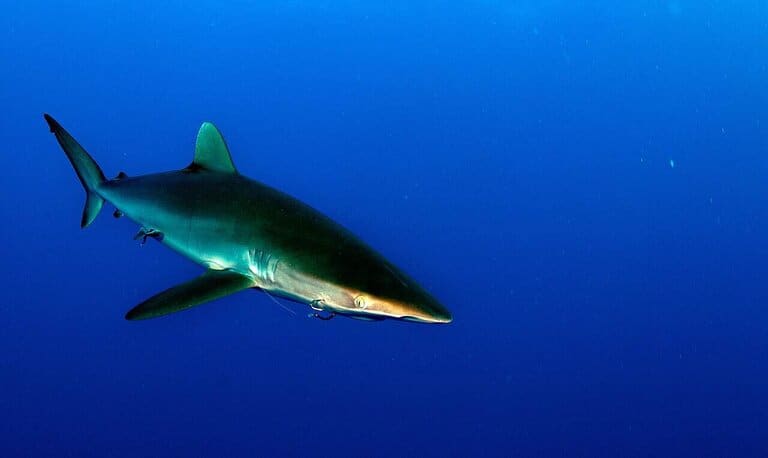
Image: patrolling a sunlit reef on the tide
Bluefin Trevally make clear water expensive. A cast that lands on the fish, line dragged across coral, or a boat pushed through the lane can spend the opportunity before the lure ever looks alive. The better plan is quiet: watch the route, place the presentation ahead of it, and save enough tackle to make the first turn.
At a glance · What matters on the water
Scientific name
Caranx melampygus.
Hawaiian name
ʻŌmilu; smaller jacks may be grouped as pāpio in regulation and fishing usage.
Field marks
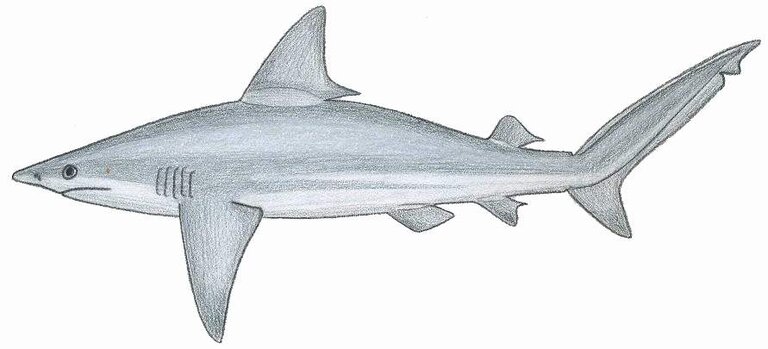
Bright blue fins and tail, blue-black spotting, pointed head and streamlined jack body.
Where to look
Reef corners, sand lanes, passes, flats, harbor edges and outer slopes with moving water.
Behavior clue
Patrols can repeat until noise or boat traffic shifts the fish.
Fight rule
Reef distance—not average fish size—sets the minimum tackle.
01 · Identification
The blue remains useful after the first flash
Fin color and spots
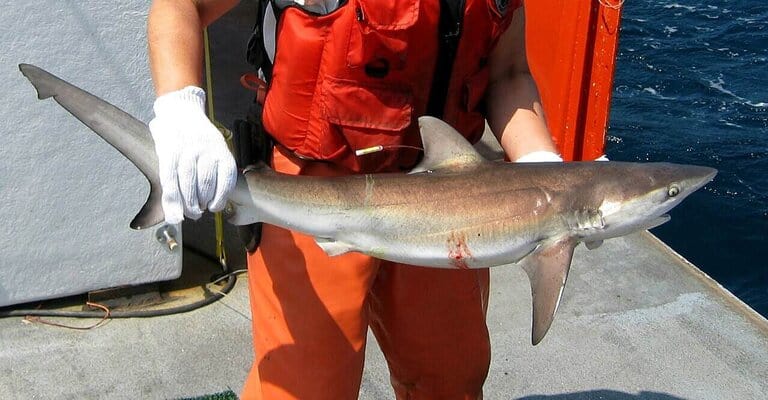
Bluefin Trevally show vivid blue fins and tail with blue or dark spots on the upper body. Use color with the pointed head, curved pectoral fin and streamlined proportions because color can fade after capture.
Giant Trevally
Adult GT are deeper and heavier through the head and shoulder and usually lack the ʻŌmilu’s electric-blue fin-and-spot combination. Juveniles deserve a full check rather than a size-based guess.
Regulatory grouping
Hawaiʻi’s rules place Caranx melampygus within the regulated ulua and pāpio group alongside several other jacks. That makes correct identification and location-specific rule checking more important, not less.
A sand tongue between coral heads, a draining flat, a reef corner or the lip of a pass connects cover with prey. That narrow route is more fishable than “the reef.”
Depth change
Outer slopes and drop-offs let fish shift between shallow feeding water and security. Watch where the contour, current and bait intersect.
Human pressure
A Hawaiʻi DAR telemetry project at Molokini found ʻŌmilu presence in the shallow inner subzone decreased as vessel use increased, with greater presence in the other subzone. That is local evidence that boat pressure can move the opportunity.
Molokini does not prove every ʻŌmilu leaves every busy reef. It supports a practical test: when traffic rises, search the quieter adjacent route before declaring the fish gone.
03 · Observation
Watch one circuit before making five casts
Travel direction
Blue flashes, moving shadows and fleeing bait can reveal whether fish run the edge clockwise, cross a channel or cut briefly onto a flat.
Return interval
If a fish repeats, note the time and exact line. Step back and prepare the next cast before it reappears.
Fish posture
A fast direct approach to bait differs from a cruising fish that only inspects. Choose lure speed and angle from the behavior, not from excitement.
Quiet approach
Use wind, current or a controlled drift to arrive outside the route. Hull slap, prop wash and heavy foot movement matter more in shallow clear water.
04 · Tide and visibility
The feeding lane moves while the reef stays still
Building flow
Early moving water can gather prey without making the presentation unmanageable. Test the edge before the pass becomes a chute.
Falling flat
Water leaving a flat pulls small fish and crustaceans toward drains. Set the lure on the escape route rather than casting over the feeding fish.
Clear water
Longer leaders, smaller profiles or faster passes may earn attention, but each reduces some control or visibility. Never solve stealth by choosing tackle that cannot survive the coral.
Broken water
Surge, foam or stain can shorten the fish’s inspection window. More vibration or contrast may help, provided the lure still tracks correctly.
05 · Surface lane
Make the lure escape toward open water
Poppers
Use enough sound and water movement to be found without turning every retrieve into a stationary commotion. Adjust cadence to sea state and fish response.
Walkers and stickbaits
These can cross shallow lanes with less splash. Keep them moving through the route; a follower often reacts to a directional break or acceleration.
Cast placement
Land beyond and ahead of the fish so the lure is working when it enters view. Dropping it on the fish announces the angler.
Strike
Keep the lure moving until weight arrives. Pulling away at the flash is a common way to miss a fish that has not actually closed its mouth.
06 · Midwater and deep edge
Count the lure so coral does not count it for you
Sinking stickbait
Use a measured sink over sand channels or outside the reef face. Stop the count when depth or current makes the lure’s position uncertain.
Compact jig
At a drop-off, drop through marked fish and retrieve into open water. Free-spool only while connected enough to feel a strike and stop above bottom.
Soft plastic or spoon
A narrow swimming profile can cross a patrol route without the surface disturbance of a popper. Rig it straight; spinning destroys the escape illusion.
Reset
If the lure touches coral twice, the count or boat angle is wrong. Shorten the drop before replacing lost tackle.
07 · Natural bait and fly
Control the drift before adding delicacy
Live bait
Use a healthy legal bait and minimal weight through the patrol lane. Hook placement should create the needed direction without ruining the bait’s balance.
Circle hook
When chosen or required, let steady pressure rotate the circle hook into place. A hard snap works against its shape.
Fly presentation
Lead the fish and strip with purpose. Clear loose line before the fish reaches the fly; coral and current punish loops immediately.
Crustacean option
Where ʻŌmilu are hunting flats or edges, shrimp- or crab-like presentations can fit the habitat. Keep them out of living coral and match the actual bottom route.
08 · Leader trade
Stealth and abrasion pull in opposite directions
Start from distance
A fish ten feet from coral requires more abrasion and stopping margin than one feeding over a sand pocket. Build for the worst reachable structure.
Inspect
Check the final several feet after every reef touch or fish. A small cloudy nick can become the entire failure under drag.
Hardware
Hooks, split rings and knots must match the intended pressure. A lure body rated for the fish says nothing about the weakest connection.
Commit
Once the cast is made, indecision costs more than the chosen diameter. Fish the leader hard enough to keep the fish out of structure.
09 · First turn
Open water is the first destination
Tension
Establish weight before applying strong side pressure. A violent strike at slack line can shock the knot or pull the lure away.
Angle
If the fish runs parallel to reef, pull from the opposite side to make its path cross outward. A high rod gives the fish more direct access to cover.
Boat movement
Reposition early and safely. A boat that waits beside the coral until the line is buried has stopped helping.
Shore safety
Do not follow a fish onto wet ledges or turn your back on surge. The fish is never worth surrendering footing.
10 · Follow diagnosis
A fish that looked is still useful evidence
Tracks without eating
Accelerate, change direction or shift the lure one layer deeper before changing the whole setup.
Appears and fades
Reduce boat presence, leader visibility or lure bulk, then wait for the next circuit.
Strikes only at edge
Begin the cast farther outside so the lure is stable before it reaches the attack point.
Every fish reaches reef
Move the starting point into open water, strengthen the terminal system, or stop presenting until the angle improves.
11 · Handling, culture and rules
A legal minimum is not the whole responsibility
Release
Use wet hands or a dehooker, support the body and minimize air time. Recover a hard-fought fish in clean moving water.
Harvest
Dispatch and chill a retained fish immediately. Large reef predators should not sit warm while the crew chases the school.
Hawaiian context
Ulua and pāpio are culturally important fishes, and local place knowledge and fishing access deserve respect. Avoid exposing fragile shoreline spots or treating community water like an anonymous content location.
Rules
The Hawaiʻi DAR guide covers statewide size/sale rules for the ulua-pāpio group and many area-specific closures. Marine Life Conservation Districts, CBSFAs and island rules can override a general table.
Profile rebuilt 2026-09-15. Regulations, marine protected areas, licensing, sale rules and local closures can change. Confirm the exact water and date with the managing agency.
ʻŌmilu give second chances when the route repeats. The skill is not casting faster. It is making the second cast quieter, farther ahead, and easier to pull away from the reef.
Saltwater & CoastalSurf, shoreline, nearshore, offshore, and deep-sea fishing — technique, gear, and safety content spanning the full range from the beach to blue water.103 articles
Species & BehaviorFish behavior, habitat, depth, forage relationships, and species-specific field decisions. Start with the Freshwater Fish Species field guide.159 articles
Cookie Consent
We use cookies to improve your experience on our site. By using our site, you consent to cookies.
Contains information related to marketing campaigns of the user. These are shared with Google AdWords / Google Ads when the Google Ads and Google Analytics accounts are linked together.
90 days
__utma
ID used to identify users and sessions
2 years after last activity
__utmt
Used to monitor number of Google Analytics server requests
10 minutes
__utmb
Used to distinguish new sessions and visits. This cookie is set when the GA.js javascript library is loaded and there is no existing __utmb cookie. The cookie is updated every time data is sent to the Google Analytics server.
30 minutes after last activity
__utmc
Used only with old Urchin versions of Google Analytics and not with GA.js. Was used to distinguish between new sessions and visits at the end of a session.
End of session (browser)
__utmz
Contains information about the traffic source or campaign that directed user to the website. The cookie is set when the GA.js javascript is loaded and updated when data is sent to the Google Anaytics server
6 months after last activity
__utmv
Contains custom information set by the web developer via the _setCustomVar method in Google Analytics. This cookie is updated every time new data is sent to the Google Analytics server.
2 years after last activity
__utmx
Used to determine whether a user is included in an A / B or Multivariate test.
18 months
_ga
ID used to identify users
2 years
_gali
Used by Google Analytics to determine which links on a page are being clicked
30 seconds
_ga_
ID used to identify users
2 years
_gid
ID used to identify users for 24 hours after last activity
24 hours
_gat
Used to monitor number of Google Analytics server requests when using Google Tag Manager
1 minute
Jetpack's built-in visitor analytics. It records page views, referring sites, search terms, and outbound link clicks, and also carries the shared visitor-tracking library used by Jetpack Instant Search and WooCommerce Analytics.