A grouper beside a ledge and a boat above that ledge are connected by a bowed line, moving water, and several minutes of descent. The waypoint only describes the boat. Hāpuʻu fishing improves when the crew starts thinking about where the rig will arrive.
Hawaiian Grouper punish a sloppy drift and a slow first lift. They are deep, structure-oriented fish. The working plan is to survey relief, model the descent, place a durable presentation just clear of the snag, and gain separation immediately after the rod loads.
Species: Hawaiian Grouper or hāpuʻu, Hyporthodus quernus. Older Hawaiʻi regulations and references may list Epinephelus quernus. The species is endemic to the Hawaiian Islands and belongs to the state’s managed Deep 7 complex.
AT A GLANCE · HĀPUʻU
Source: NOAA Fisheries research summary
Source: Hawaiʻi DAR bottomfishing
01 · IDENTIFICATION
A heavy grouper in a snapper fishery
Hāpuʻu have the thick head, large mouth, robust body, continuous spiny-and-soft dorsal outline, and rounded tail expected of a deep grouper. Adults are gray-brown to dark brown with variable pale spots or blotches. Color shifts with depth, stress, deck light, and ice, so shape carries more weight than hue.
Deep 7 snapper caught on the same gear are generally more streamlined and fork-tailed. Photograph the complete side, head, dorsal fin, tail, and any persistent pattern before processing an uncertain fish. Correct identification matters because the group shares a combined state bag rule and because life histories within the complex are not interchangeable.
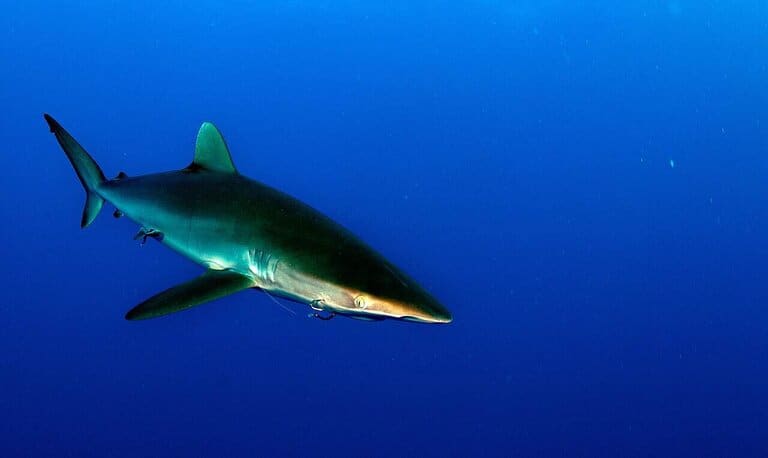
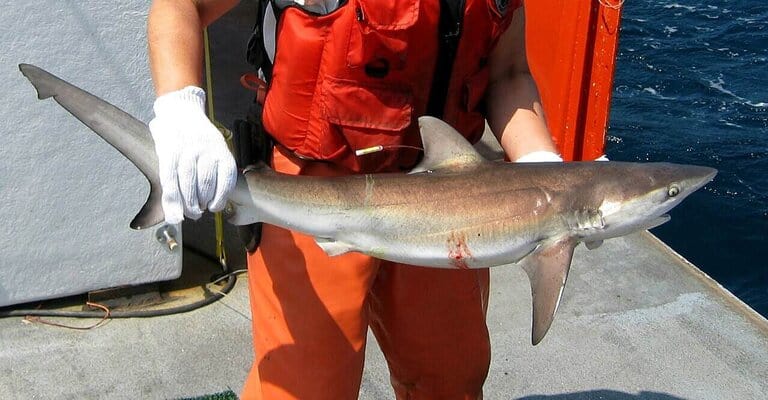
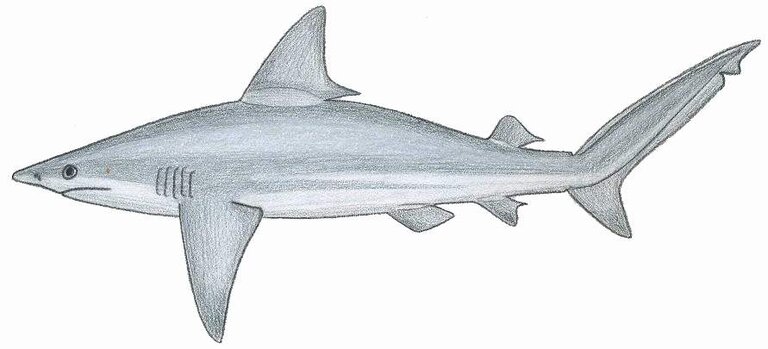
The hero on this page is a stylized species illustration, not a diagnostic voucher. The old genus on a rule page does not automatically make the rule obsolete; it usually means management language has not caught up to the current scientific combination.
02 · LONGEVITY
The old 34-year number did not survive validation
NOAA-supported researchers used bomb-radiocarbon dating of otoliths to test Hawaiian Grouper ages. Their work validated longevity to 50 years and estimated a possible maximum near 76—far beyond the earlier unvalidated 34-year figure. The modeled growth coefficient was low, which fits a large, slow-growing fish.
The study also found no sampled male smaller than 80 centimeters total length or younger than 34 years. Hawaiian Grouper are generally understood as female-first sex changers, but the paper describes maturity and sex-change ages as indirect estimates. That distinction matters: “all fish above X are male” would be stronger than the data allow.
A long-lived, late-changing endemic fish deserves conservative decisions even when harvest is legal. One large individual represents decades of survival and may occupy a reproductive role that smaller fish do not.
Source: Growth and longevity of Hawaiian Grouper
03 · HABITAT
Find usable relief, not merely maximum depth
Start with steep hard-bottom slopes, ledges, pinnacles, seamount-like features, and the border between broken rock and softer bottom. Bathymetry narrows the area; sonar decides whether the contour actually has hard return, relief, bait, or fish marks.
Survey across and along the feature. Save the up-current edge, crown, shoulder, base, and any isolated return. The crown may be the worst fishing position if it snags every sinker. A shoulder can let the bait pass close enough for interception while still giving the first lift somewhere to go.
Depth by itself is not habitat. Repeating drops over smooth, lifeless bottom because the number looks “grouper deep” is less useful than scanning shallower relief with a clear edge and visible activity.
04 · DRIFT GEOMETRY
Predict arrival before releasing the spool
Make a test drift clear of the structure. Record vessel speed and track, then drop a sacrificially simple rig or sinker to learn descent time and line angle. Surface wind can move the boat one direction while deeper current carries the terminal gear another. One arrow on the plotter cannot describe both.
Begin the fishing drop far enough up-current that the rig reaches target depth before crossing the planned shoulder. Watch metered braid or the line counter, but do not confuse line out with vertical depth. A bowed line can put the sinker shallower and farther behind the boat than the number suggests.
Repeat the test when wind or current changes. A drift built at sunrise is not permanently valid. The efficient adjustment may be a new start point or less hardware drag, not another pound of lead.
05 · THE BOTTOM CONTACT
Touch once, then create a working gap
A brief touchdown establishes reference. Continuous dragging turns the sinker into a snag detector and moves bait through the worst part of the structure. After contact, lift the terminal weight enough to clear relief while keeping the baits in the interception band.
As the boat approaches rising bottom, recover line early. Waiting to feel rock means the gear is already behind the contour change. On the down-slope pass, lower in measured increments instead of free-spooling a coil around the branches.
Keep a written rig height: sinker-to-low-hook distance, branch spacing, and total presentation span. Without those numbers, “five turns off bottom” changes with reel, spool fill, and angler.
06 · BAIT AND BRANCHES
Every extra hook is extra drag
Use fresh, streamlined, legal bait that remains intact during a long descent. Squid and firm fish strips are common deep-drop choices. Secure long baits so they do not spin, and leave the hook point and gap exposed. A bait washed pale or stretched into a ribbon has already given its information.
Multi-hook rigs cover height, but each branch adds water resistance, twist, snag exposure, and handling risk at the rail. Space and stiffen branches so they cannot wrap. Use connections rated for sinker load and a replaceable weak link at the weight where local rules and safe practice allow.
If one branch repeatedly returns tangled while the others fish clean, repair that branch. Do not rebuild the whole system around a single mechanical failure.
07 · JIGS
A metal lure still needs an address
A heavy jig can probe deep relief with less terminal hardware, but it is not immune to line scope. Meter the descent, stop above the mark, and work short lifts that preserve depth. Big theatrical sweeps can pull the lure out of a narrow band and add slack on the fall.
Control is the test. If the lure tumbles around the leader, cannot be held above the rising contour, or reaches bottom far behind the boat, change weight, shape, drift angle, or conditions. “Heavier” may restore feel, but it also raises tackle loads and makes a snag harder to break safely.
Glow and color are secondary variables. First establish that the lure arrived beside fish rather than fifty yards up-current or inside the ledge.
08 · BITE AND FIRST LIFT
Clear the ledge before settling into the fight
A bite may register as sudden weight, short hard pulses, or a load moving back toward cover. With a circle hook, maintain contact and wind into pressure rather than snapping a slack-line hookset. Once the rod loads, lift smoothly and gain line at once.
The first objective is horizontal and vertical separation from rock. Use firm drag within the limits of knots, leader, rod, and hook hold. A low, efficient rod angle moves line; high-sticking mostly loads the blank. If the fish reaches structure, changing boat angle can sometimes free the line where simply tightening drag cannot.
After the danger zone, keep steady pressure through the long ascent. Repeated slack can free the hook, while violent pumping wastes energy and magnifies tackle shock.
09 · FAILURE MAP
Repair the stage that actually failed
- Rig reaches depth past the waypoint: start farther up-current or reduce descent drag.
- Line angle keeps growing: current exceeds the present rig’s control; change weight, start point, or leave.
- Every pass snags: move from crown to shoulder or raise the sinker sooner.
- Baits twist on descent: streamline them, inspect swivels, and slow the drop.
- Heavy bite breaks immediately: inspect abrasion and redesign the first-lift direction.
- Marks sit well above relief: test whether they are Onaga or another suspended bottomfish before forcing a grouper presentation onto them.
- Predation repeats on ascent: relocate; speed alone rarely fixes a predictable interception point.
10 · BAROTRAUMA
The release plan belongs on deck before the drop
A deep-caught hāpuʻu that must be released may be unable to return through its own buoyancy. Minimize air exposure, avoid gaffing, remove or cut the hook efficiently, and use a purpose-built descending device with capacity for the likely fish size and the depth being fished.
There is no honest universal “magic release depth.” The device must return the fish to enough pressure to recompress expanded gas, and the operator must confirm release. Review the barotrauma and descending-device field guide before rigging, then test the system without a fish.
Assign a crew member to release duty. A device buried under coolers becomes useless while the next bait is already descending. If the boat cannot safely handle a large unwanted grouper, change hooks, location, or trip plan.
11 · RETENTION AND FOOD CARE
Decide before the gaff moves
Confirm species, Deep 7 count, current season, and intended use before gaffing. For a legal retained fish, clear the rail of branch lines and sinkers, control the head and body, dispatch promptly, and cool the core. A thick grouper holds heat even when the skin feels chilled.
For release, never suspend the fish by its jaw for photographs. Support the body and move directly into descent. The fish’s age structure makes avoidable discard mortality more consequential than its single place in the cooler suggests.
Large endemic fish invite trophy language. The better story is the complete decision: why that fish was retained, how the combined count was tracked, and how every unwanted fish went back down.
12 · DEEP 7 RULES
Combined means every species shares the same count
Hāpuʻu are one of Hawaiʻi’s seven regulated Deep 7 bottomfish. The live DAR page reviewed in September 2026 lists a noncommercial daily bag limit of five Deep 7 fish combined, not five of each species. It also lists vessel identification requirements, restricted gear, commercial reporting duties, and a closed-season mechanism that can be announced.
That page currently says all bottomfish restricted fishing areas are open, but this is exactly the kind of status that can change. Verify the live page on the day of the trip. Vessel registration runs on its own annual cycle and does not guarantee the fishery remains open for the entire registration period.
DAR’s older genus label, Epinephelus quernus, refers to the same hāpuʻu discussed here. Do not mistake a taxonomy update for a loophole.
Source: Hawaiʻi DAR bottomfishing rules
13 · FIELD LOG
Record rig position, not just boat position
- Save feature height, slope direction, and the clean exit side.
- Record test-drop time, line angle, sinker weight, and vessel track.
- Write actual rig dimensions and bait condition.
- Mark the boat at the bite, then estimate terminal-gear position.
- Note whether the first lift cleared rock or found abrasion.
- Track every retained Deep 7 fish as it enters the box.
- For release, record symptoms, deck time, device, and confirmed depth.
Those entries turn a vague “deep ledge” into a repeatable geometry. They also show when the ethical decision is to stop fishing a place that produces unmanageable release outcomes.
14 · RELATED PROFILES AND SOURCES
Keep the species separate while connecting the slope
The Bigeye Emperor profile covers shallower reef-transition timing and extraction. The Onaga profile moves farther down the slope, where the target can suspend well above hard bottom. Both are useful comparisons because neither should be fished as if it were a hāpuʻu pinned to structure.
- NOAA Fisheries: Growth and Longevity of Hawaiian Grouper — plain-language research summary.
- NOAA Institutional Repository record — peer-reviewed study metadata and paper.
- Hawaiʻi DAR Bottom Fishing — current Deep 7 rule gateway.
Evidence and regulation review updated 2026-09-15. Always reopen the managing agency’s live page before fishing.
The right waypoint is not where the boat crosses the ledge. It is the starting position that lets the rig arrive on the clean shoulder, gives a hooked fish an exit, and leaves the crew ready for either ice or descent.