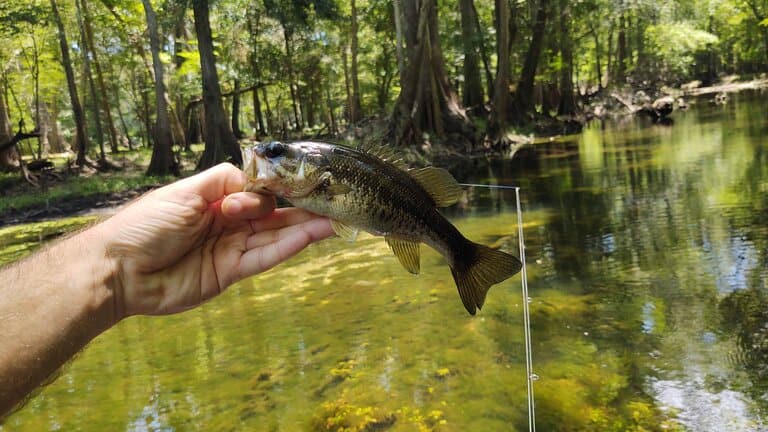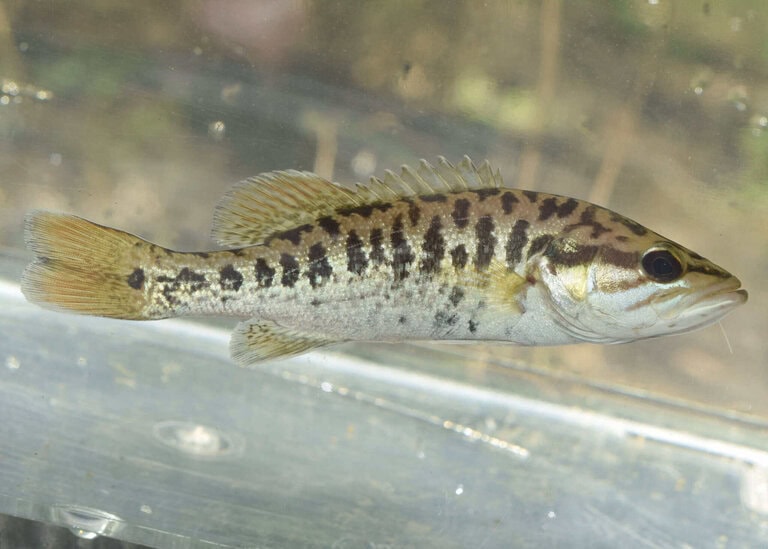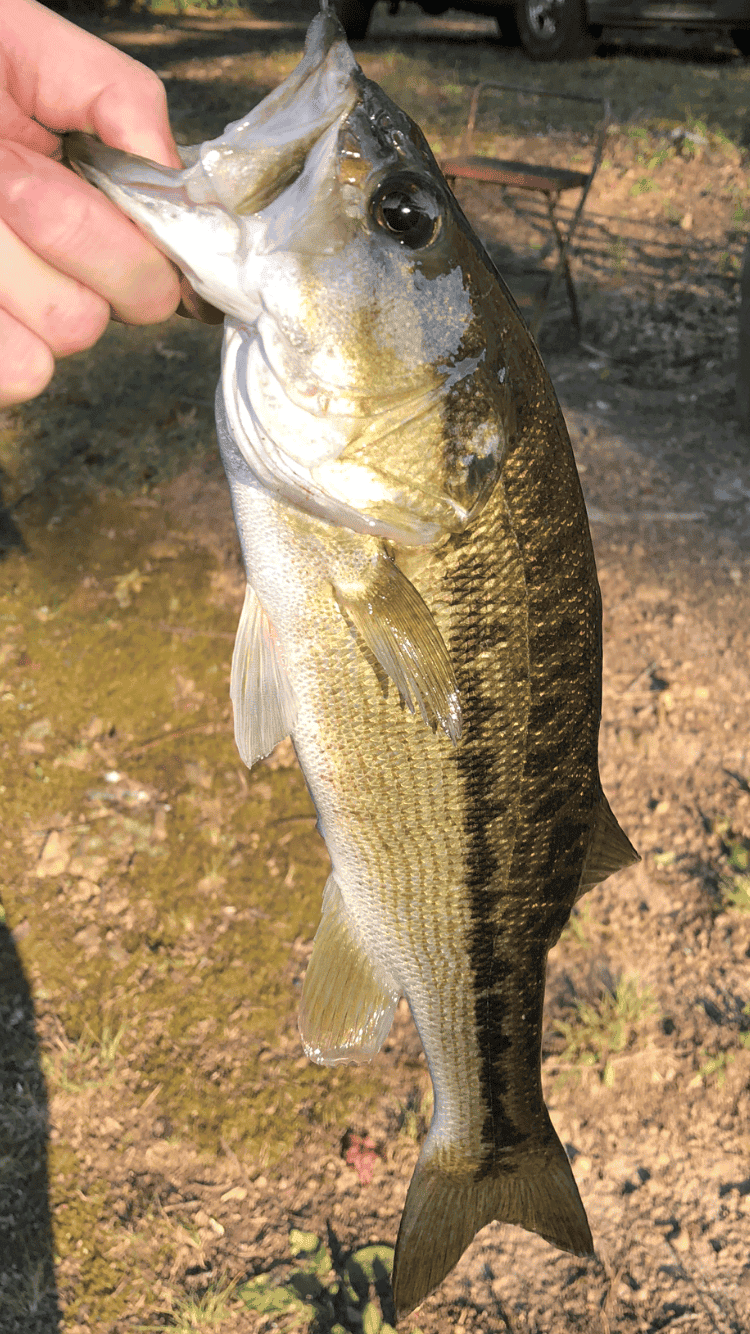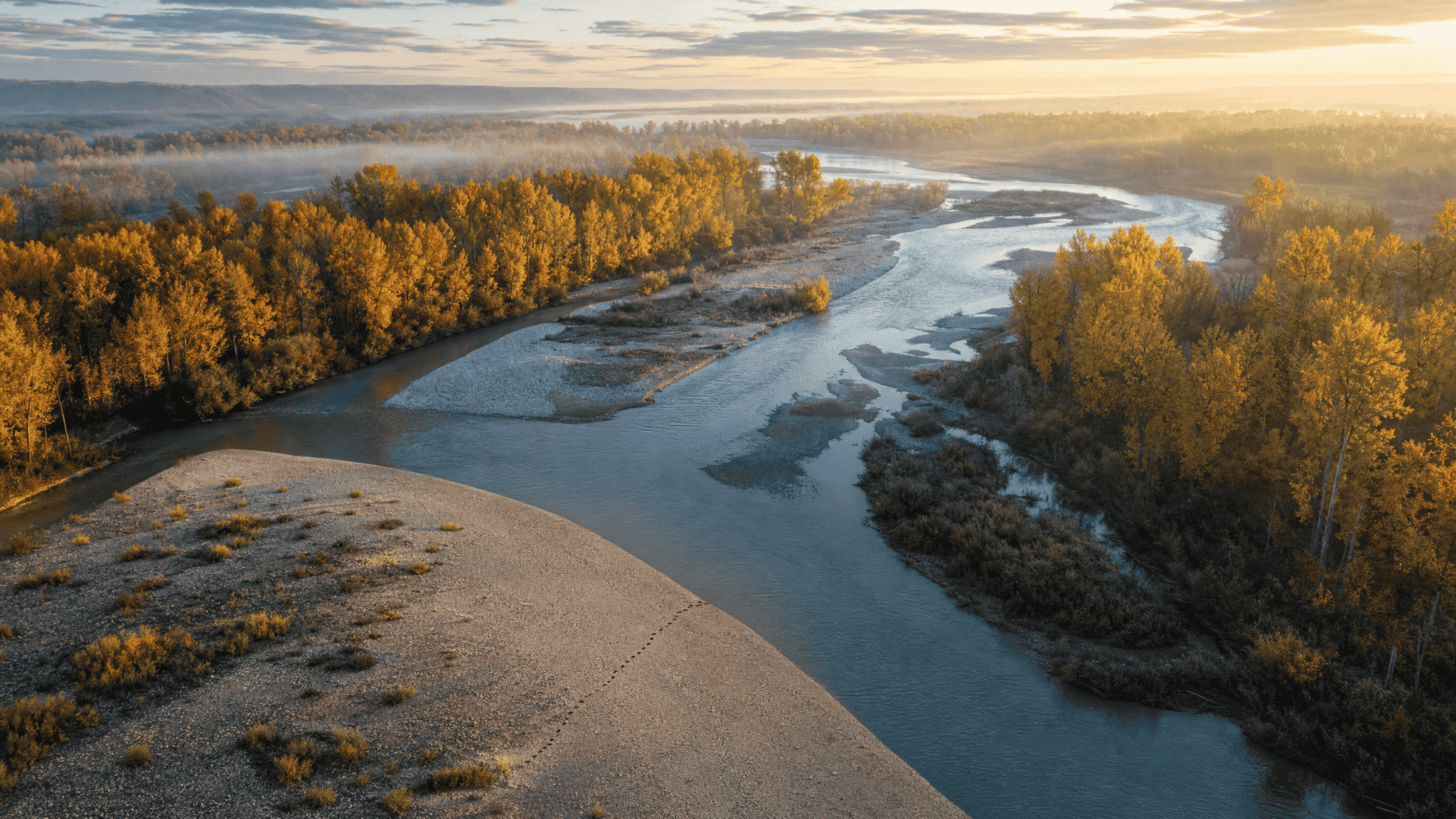
Fast rock water holds smallmouth and sauger. A few yards away, a slack side channel holds largemouth, bowfin, gar or catfish, and none of them care what the current’s doing out there. Go far enough up a cold tributary and it’s trout or salmon instead. That matters on every new stretch of river: “river fish” is a search term, not a habitat, and treating it like one is how you end up throwing smallmouth lures into a backwater slough that was never going to hold one.
Each profile starts with where the fish actually lives and how it feeds, and works its way to the regulation or conservation wrinkle that can flip every other answer.
Trout, char, grayling, and salmon
Cold water gets all the credit, and it’s only the entry fee. These fish are also reading oxygen, groundwater, insect and forage availability, spawning gravel, and the calendar their migrations run on.
- Rainbow Trout / Steelhead
- Brown Trout
- Brook Trout
- Cutthroat Trout
- Golden Trout
- Arctic Grayling
- Mountain Whitefish
- Chinook Salmon
- Coho Salmon
- Sockeye Salmon
- Chum Salmon
- Pink Salmon
- Atlantic Salmon
River bass and temperate bass
Largemouth tucked into quiet backwater cover, smallmouth holding the soft edge an arm’s length off the hard current — same river, opposite instincts. Striped and white bass are mostly passing through, following the forage or the spawning run.
River panfish
Most sunfish would rather the current went somewhere else. These two want it, and they reward the same seam-reading you’d bring to a stream trout or a smallmouth.
Walleye, pike, and muskie
Walleye and sauger make current, rock, depth and low light the whole conversation. Pike and muskie change the subject to ambush cover and water temperature.
Catfish
Channel cats will eat almost anything. Blues follow open-water forage, while flatheads are serious live-fish predators around heavy cover and aren’t casual about it.
Gar and bowfin
Both can gulp oxygen out of the air when warm water runs short of it. It’s an old trick, and in a warm slough it’s the reason they’re still there after the oxygen drops and a lot of other fish have had to leave.
Big-river generalists
Freshwater drum feed in the same water as walleye. Carp give themselves away with mud plumes. Buffalo are native and get mistaken for invasive carp constantly, despite a completely different history. And the American eel runs the salmon migration backwards.
That’s forty-two profiles. Reading all of them before a trip takes longer than driving to the water and looking. Pick the two or three species that actually share the stretch you’re walking to, read those, and leave the rest for the next river.
Local rules stay local. This page is navigation, not a distribution map or a regulation checker. Check current state, tribal, federal and water-specific rules before targeting or handling any fish.