Category
River Fish
River-fish species profiles covering habitat, behavior, seasonal movement, fishing approaches, conservation status, and regional variation across the United States.
Everything filed under this heading, newest first.
Worth opening first
- Alabama Bass Are a Good Fish in the Wrong LakeThe spotted bass that got promoted, and the reason biologists stopped filing it as one.
- Redeye Bass Answer to the Creek Before the Red EyeSmall, cold, and stubbornly local. Five species wearing a single common name.
- Suwannee Bass Seldom Top a Foot and Don’t Need ToA black bass with a range you could drive across in an afternoon.
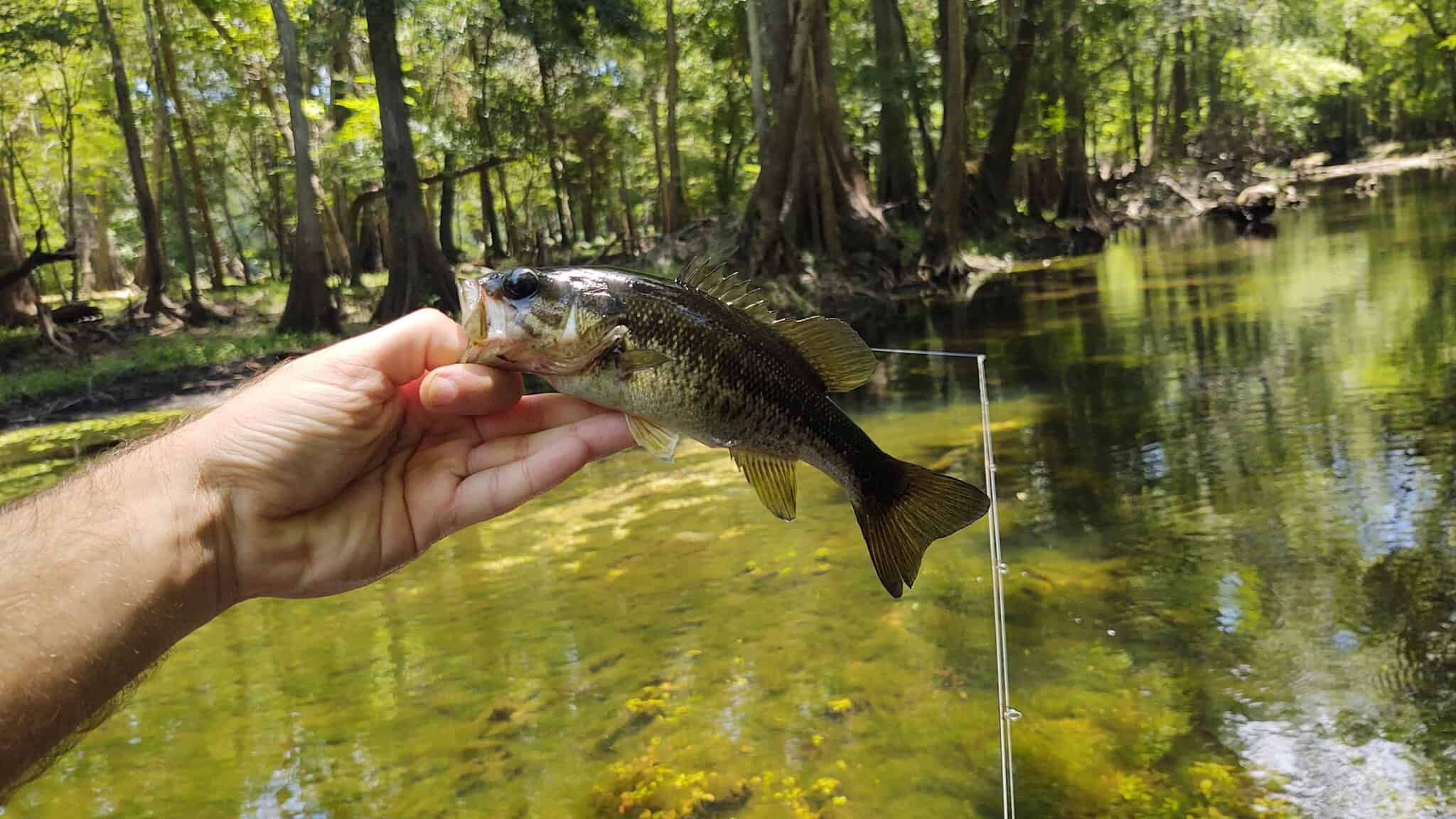
Suwannee Bass Seldom Top a Foot and Don’t Need To
Suwannee bass (Micropterus notius) are small river black bass of a few Florida and Georgia limestone rivers, living on crayfish beside the current. The jaw and dorsal notch tell you what you’re holding; the color mostly gets the photos.
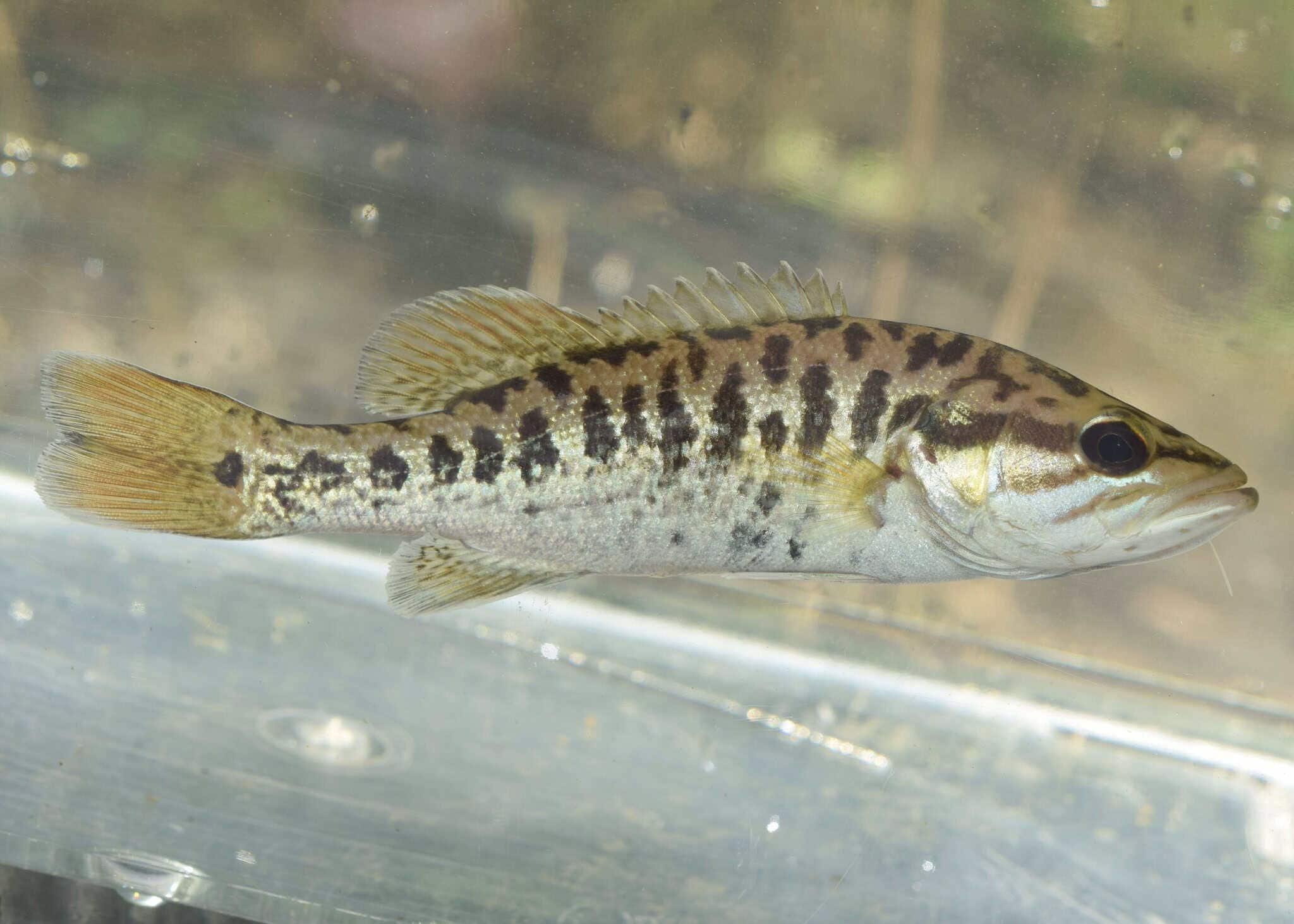
Redeye Bass Answer to the Creek Before the Red Eye
Redeye bass (Micropterus coosae) now means the Coosa-system fish only — a small-river current bass living on crayfish and bugs that fall off the bank. Check which drainage you’re in before you trust the red eye.
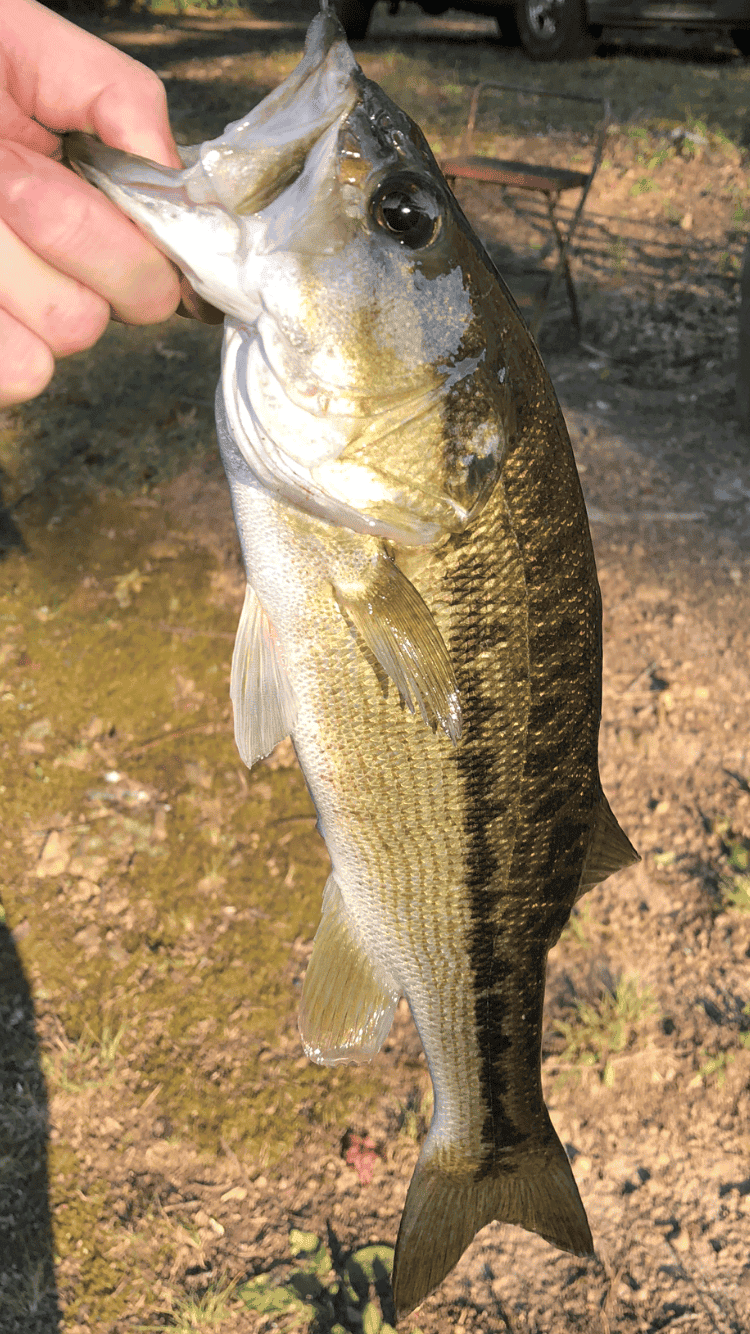
Alabama Bass Are a Good Fish in the Wrong Lake
Alabama bass (Micropterus henshalli) are native to the Mobile River basin and a hybridizing problem in the states where people have moved them. They look so much like spotted bass that genetics, not your eyes, often makes the call.
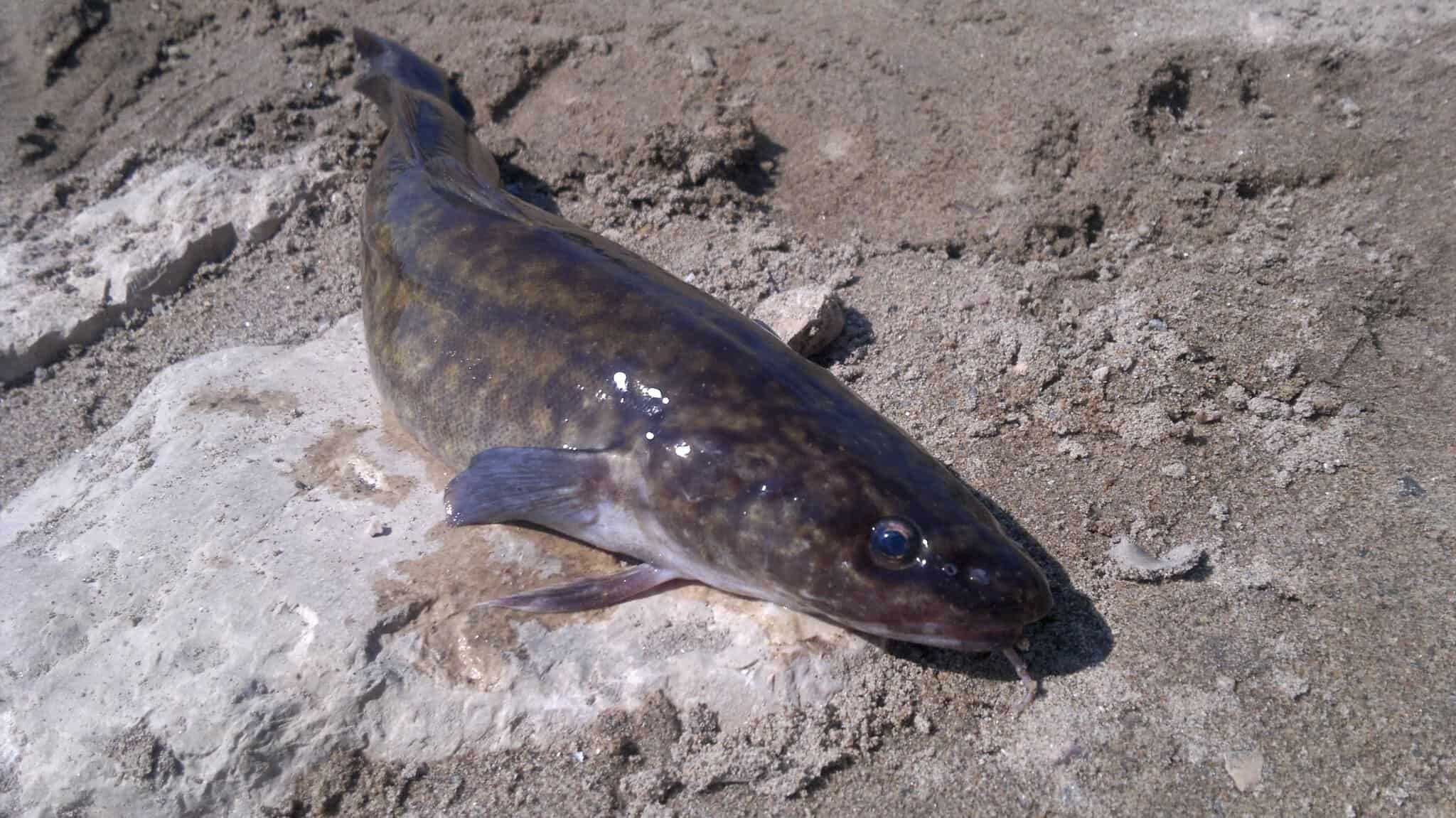
Burbot Keep Night Hours and Spawn Under the Ice
Burbot are freshwater cod that go deep and quiet all summer, then slide shallow after dark once the water gets cold. By midwinter they’re spawning under the ice in a writhing pile, which still sounds made up.
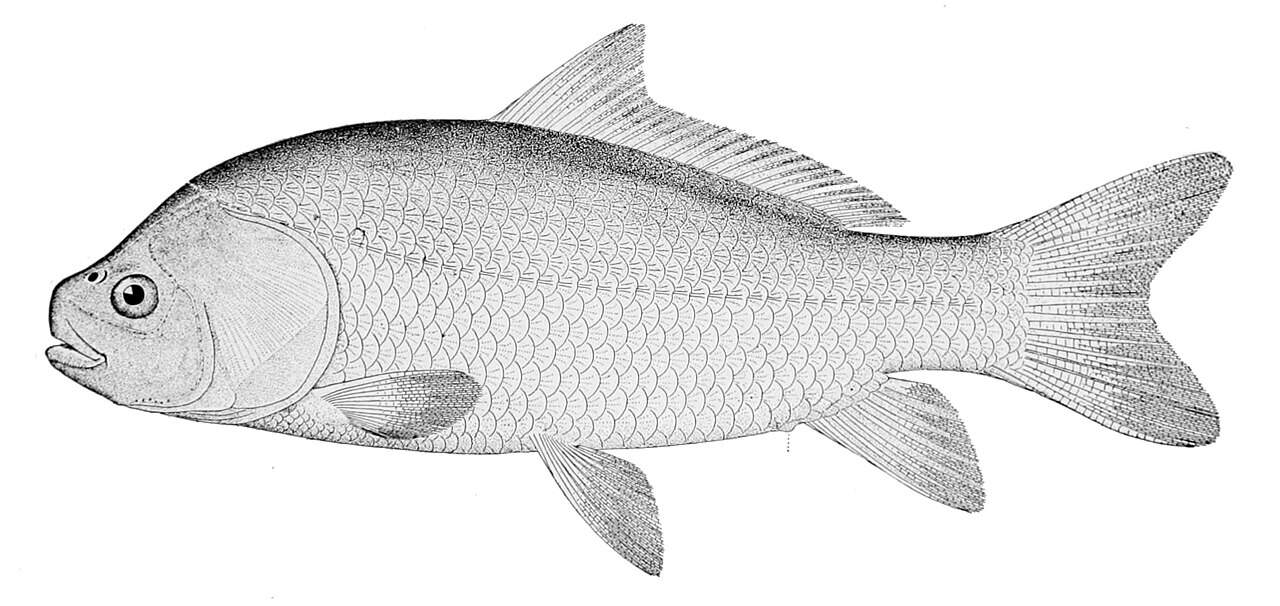
Smallmouth Buffalo Aren’t Carp, and the Barbels Prove It
Smallmouth buffalo get killed as carp all the time, but a carp has two pairs of barbels and a buffalo has none. That one-second check matters a lot for a native sucker that’s been aged at a hundred and one.
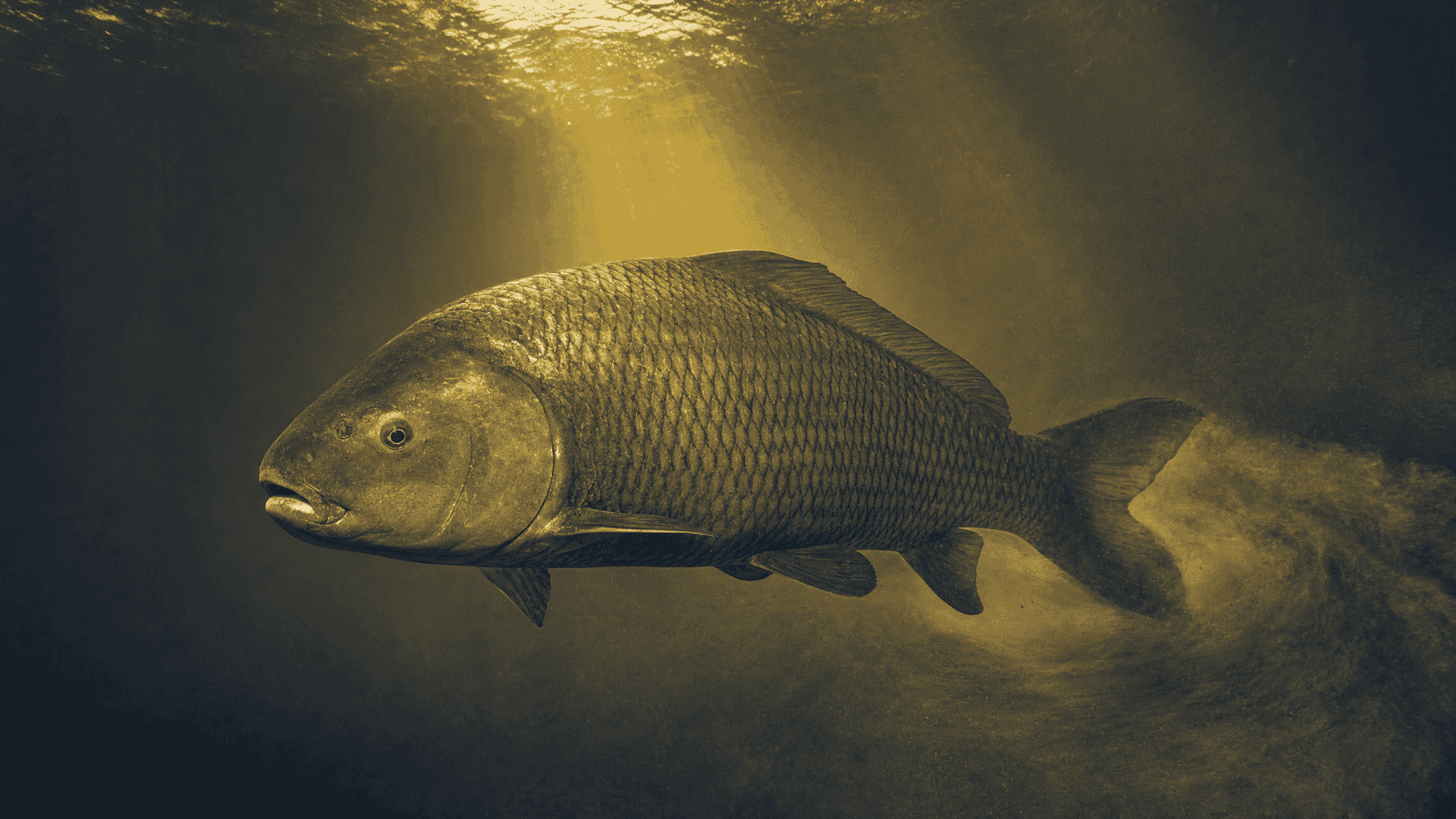
Bigmouth Buffalo Can Live 148 Years and Still Get Called Carp
Bigmouth buffalo are native plankton-straining suckers, not invasive carp, and some populations run almost entirely on fish born decades ago because young ones haven’t made it since. That changes what “no bag limit” should mean.
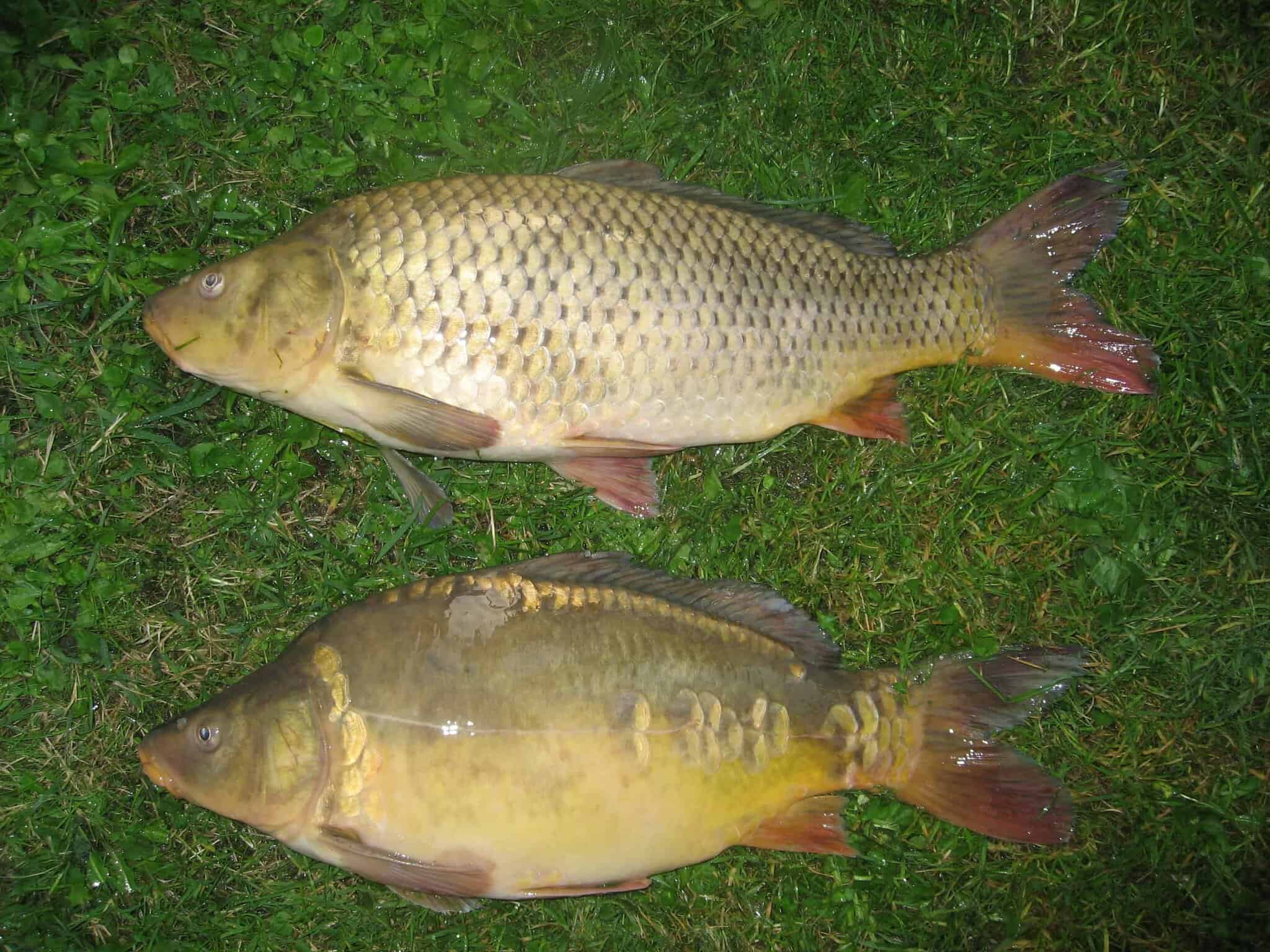
Common Carp Tell You When They’re Feeding, If You Watch the Mud
A carp pushing a mud plume off the bottom is feeding; a big bronze back sliding past might just be going somewhere. Put a still bait where the mud is moving, and check for barbels before you call it a carp.
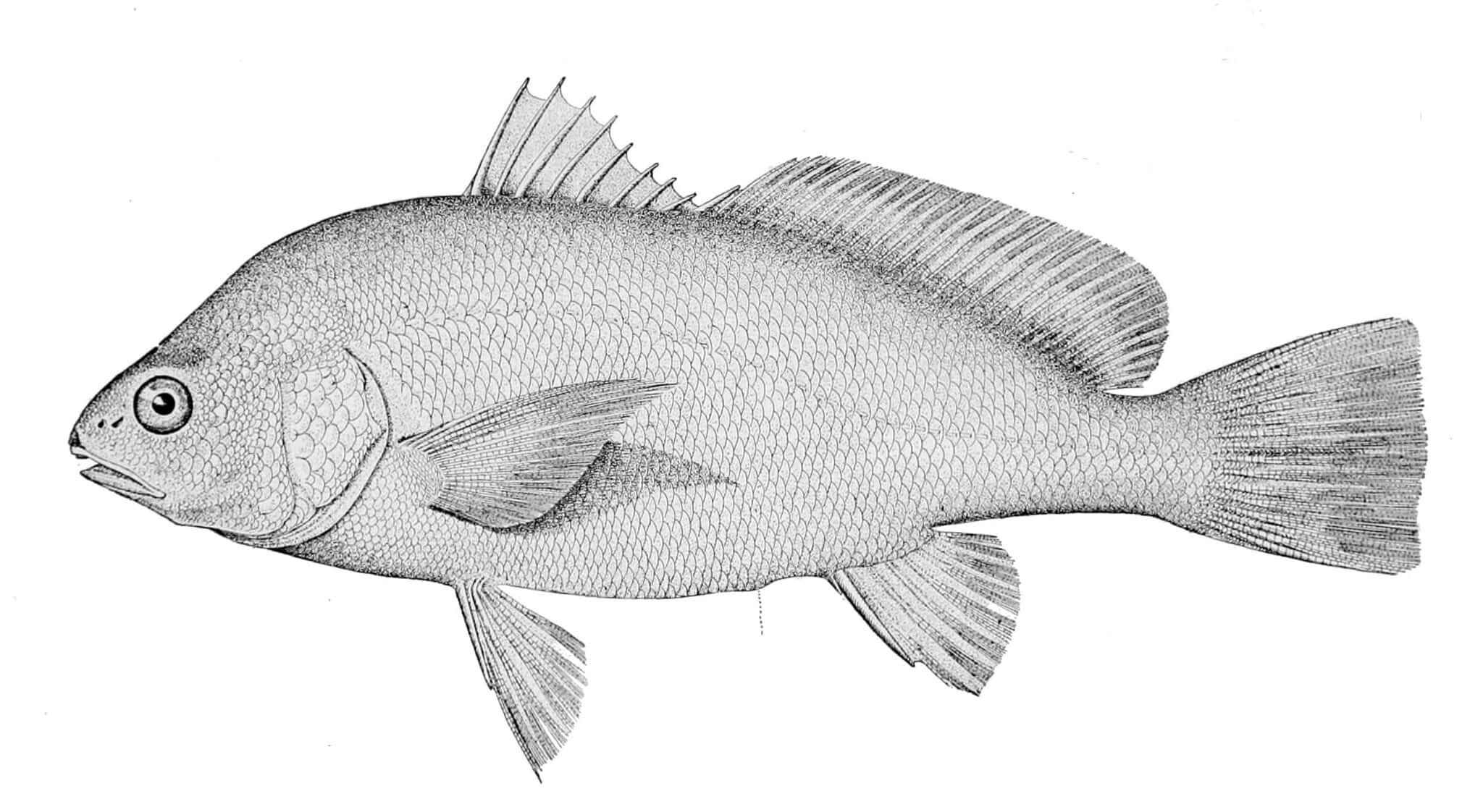
Freshwater Drum Were Using That Walleye Seam First
Freshwater drum aren’t just the stubborn pull on a walleye rig. They’re bottom-feeding big-river fish that grunt, float their eggs, and serve as hosts for freshwater mussels, some of which depend heavily on them.
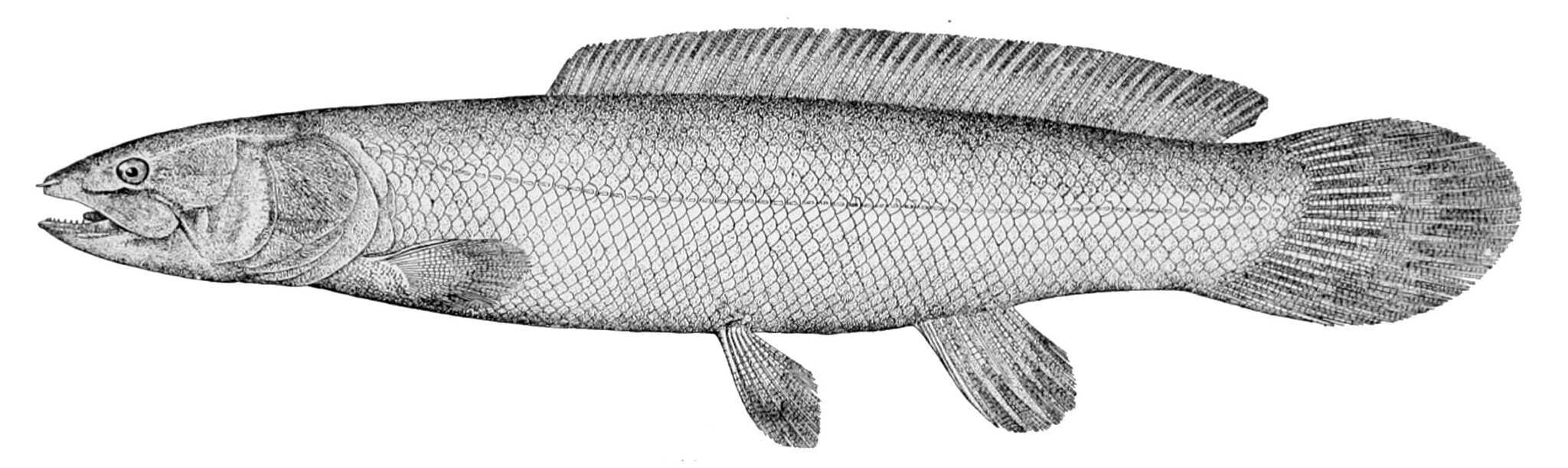
Bowfin Turned Out to Be Two Fish, and Neither Is a Snakehead
Bowfin roll up to gulp air in warm, weedy water most predators can’t use. They’re also now two native species, ruddy and emerald, so where a fish or a study came from decides which one you’re talking about.
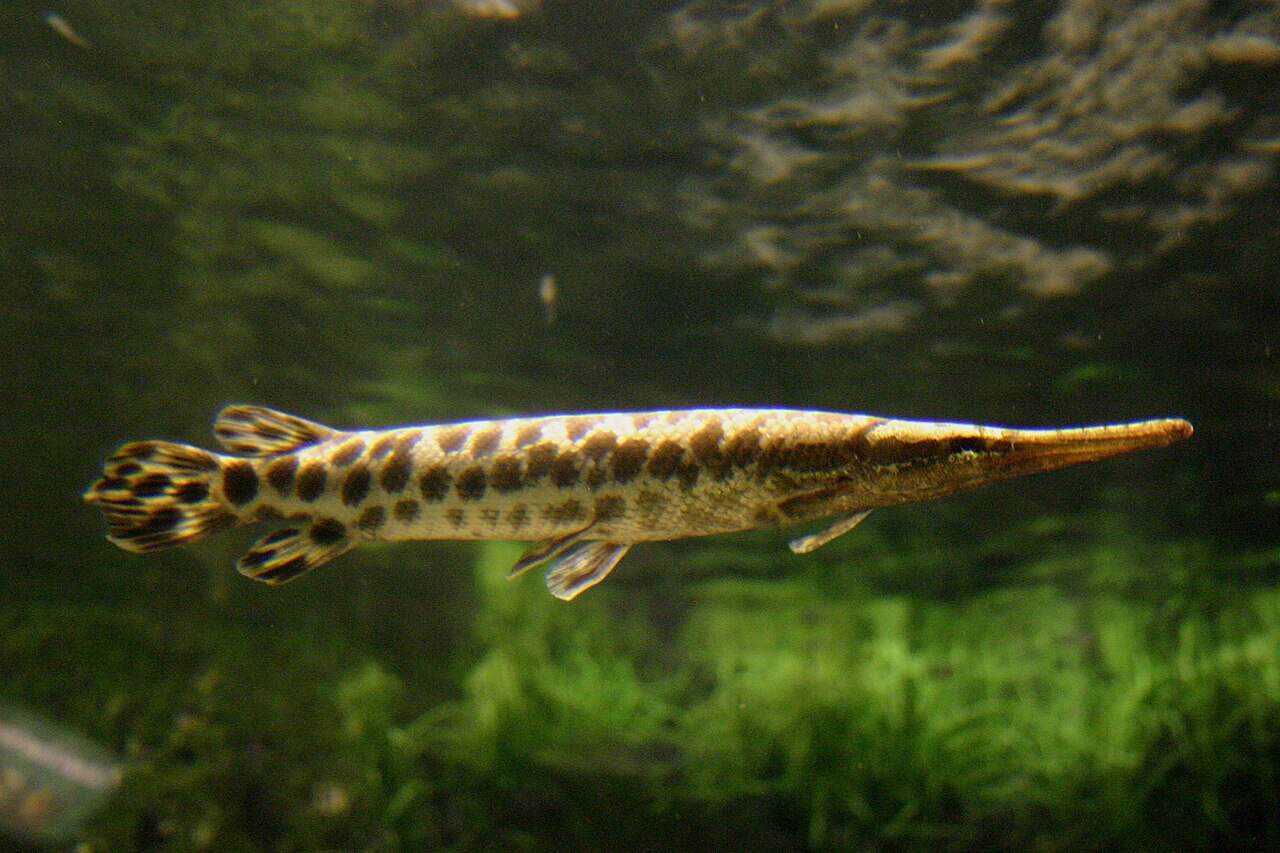
Spotted Gar Already Left the Ring You’re Casting At
Spotted gar hunt the clearer, weedy backwaters, and the roll you just saw is where one was, not where it is. Cast ahead along the lane, wait for the grab to turn purposeful, and have the pliers out before you start.