Category
River Fish
River-fish species profiles covering habitat, behavior, seasonal movement, fishing approaches, conservation status, and regional variation across the United States.
Everything filed under this heading, newest first.
Worth opening first
- Alabama Bass Are a Good Fish in the Wrong LakeThe spotted bass that got promoted, and the reason biologists stopped filing it as one.
- Redeye Bass Answer to the Creek Before the Red EyeSmall, cold, and stubbornly local. Five species wearing a single common name.
- Suwannee Bass Seldom Top a Foot and Don’t Need ToA black bass with a range you could drive across in an afternoon.
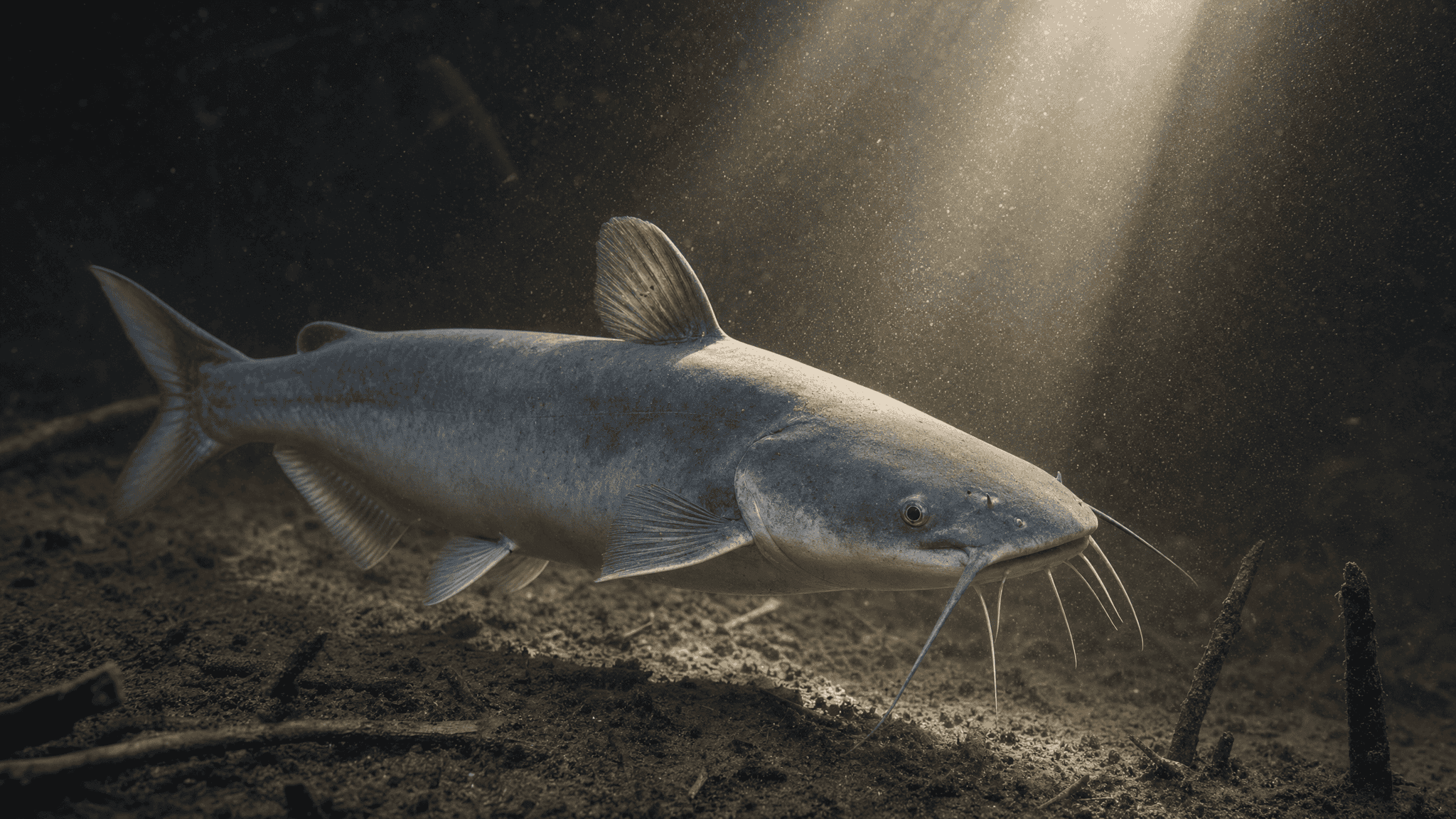
White Catfish and the Tide Stage That Moves Their Feeding Lane
A white catfish isn’t a bullhead with a fancier tail. In tidal rivers the stage decides which channel edge is carrying scent, and the fish is declining in the Hudson while common where it was introduced.

Flathead Catfish Are the Fish You Have to Turn
Big flatheads sit in the wood by day, hunt live fish after dark, and head straight back for the snag the second they’re hooked. Where to put the bait, and why heavier tackle is the kinder choice.

Blue Catfish and the Thirty-Two-Inch Line
A blue catfish is a native giant in the Mississippi and a designated invasive in the Chesapeake, where the tidal James alone may hold twenty million. The anal fin that separates it from a channel cat, and the one length two Virginia agencies landed on for different reasons.
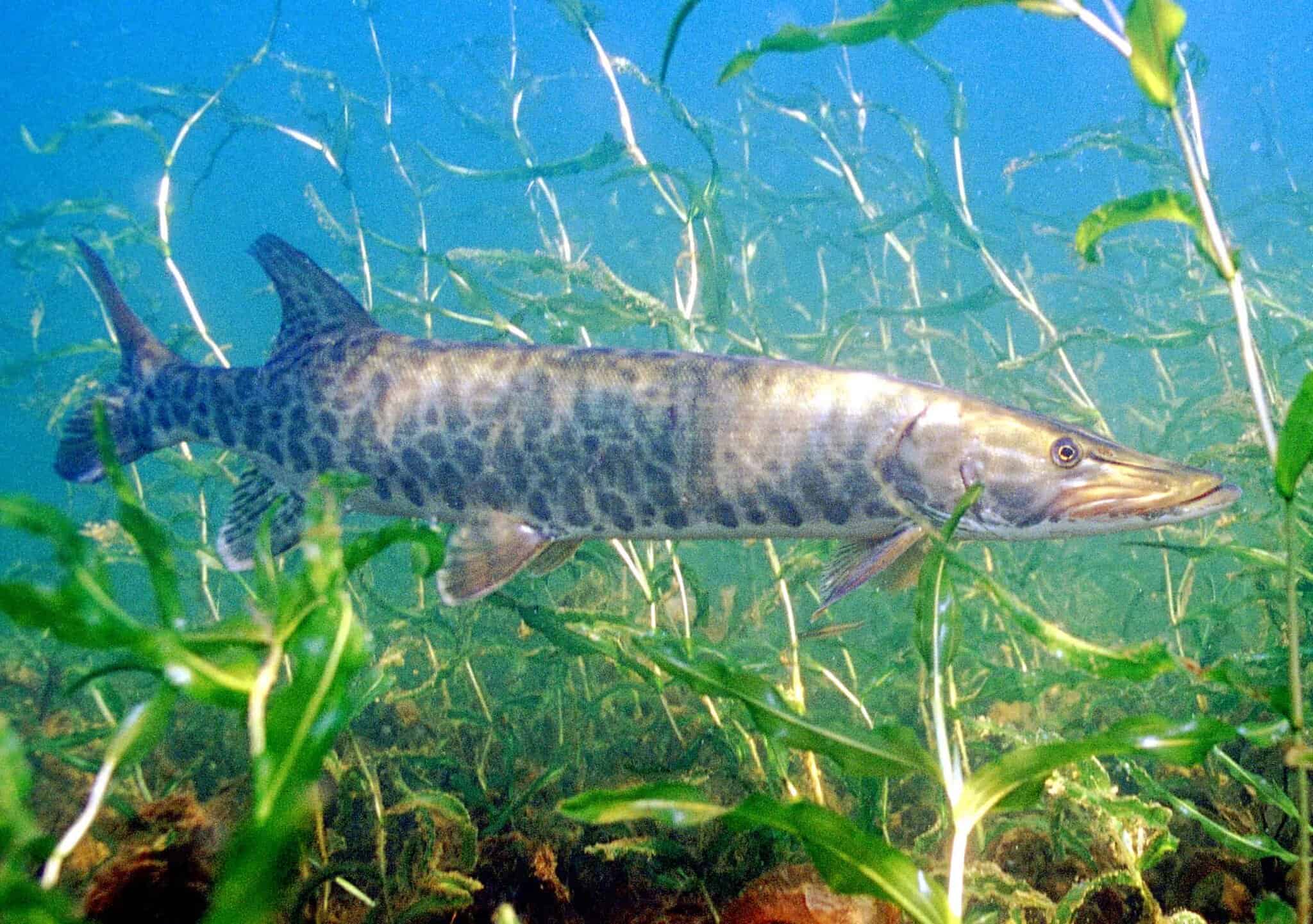
Muskellunge Make the Last Five Feet Matter
With a fish this scarce, a follow isn’t a failed cast. It’s the first real information you’ve had all day. Where muskies ambush, what to write down when one turns away, and the tools to have out before you ever hook one.
Northern Pike Are Easy to Hook and Hard to Unhook
Pike ambush from weed edges with a mouth built to keep things from leaving, and plain mono doesn’t survive it. Where the ambush lane is, what a follow tells you, and why the pliers belong out before the first cast.

Atlantic Salmon Are Worth Knowing on Sight, Not Fishing For
Wild Atlantic salmon in the U.S. are an endangered remnant in a few Maine rivers, and fishing for them is prohibited. How to recognize one at every stage, including a parr that looks like a young brown trout, and why one surviving kelt matters.

Pink Salmon Come in Pulses, and No Lure Makes One Show Up
Pinks mostly come back at age two, but “odd year equals fish” won’t hold on every river. Check the count, find the lane fresh fish are traveling, and change one thing at a time.

Chum Salmon Bite on Depth Long Before Color Matters
A bright chum and a barred one can look like two different species. Fish the fresh travelers in the soft seams, fix your depth before your color, and leave the dark fish on the gravel alone.

Sockeye Salmon Are Just Passing Through Your River
A sockeye in a river is headed for the lake that raised it, not settling into a lie. Check the weir or sonar count first, then work the close-to-shore travel lanes with a controlled drift.

Coho Salmon Have White Gums and Move When It Rains
White gums and spots on only the upper tail lobe tell you it’s a coho. Where you’ll find one depends on tide, rain, and a surprising amount on creeks you could step over.