Category
Saltwater & Coastal
The ocean gets a vote. Surf, jetties, inlets, flats, nearshore and offshore water all change the scale, the tackle and the safety margin. This is the saltwater side from the beach out to water where Montana feels very far away.
Everything filed under this heading, newest first.
Worth opening first
- Redfish or Black Drum? One Look at the Barbels Settles ItBarbels, spot, tail. Get the identification wrong and the regulation still applies.

Pacific Ocean Perch Live a Century and Rebuild Slowly
Pacific ocean perch can live about a century, gather in patchy schools on the outer shelf and slope, and lift off bottom to follow krill. Find the school and its depth band before you blame the jig.
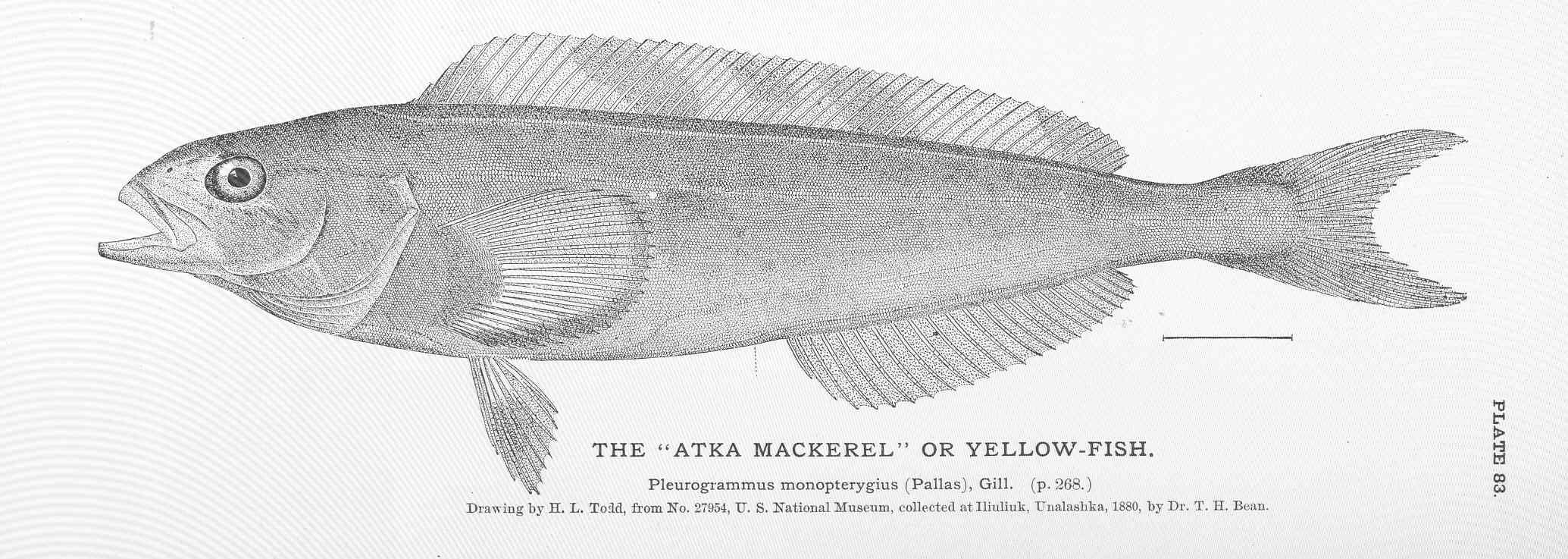
Atka Mackerel Is a Greenling Wearing a Mackerel’s Name
Atka mackerel is a greenling relative, not a true mackerel. It schools over Aleutian reefs eating krill and copepods most of the year, then moves shallow to spawn while males guard eggs stuck to rock.
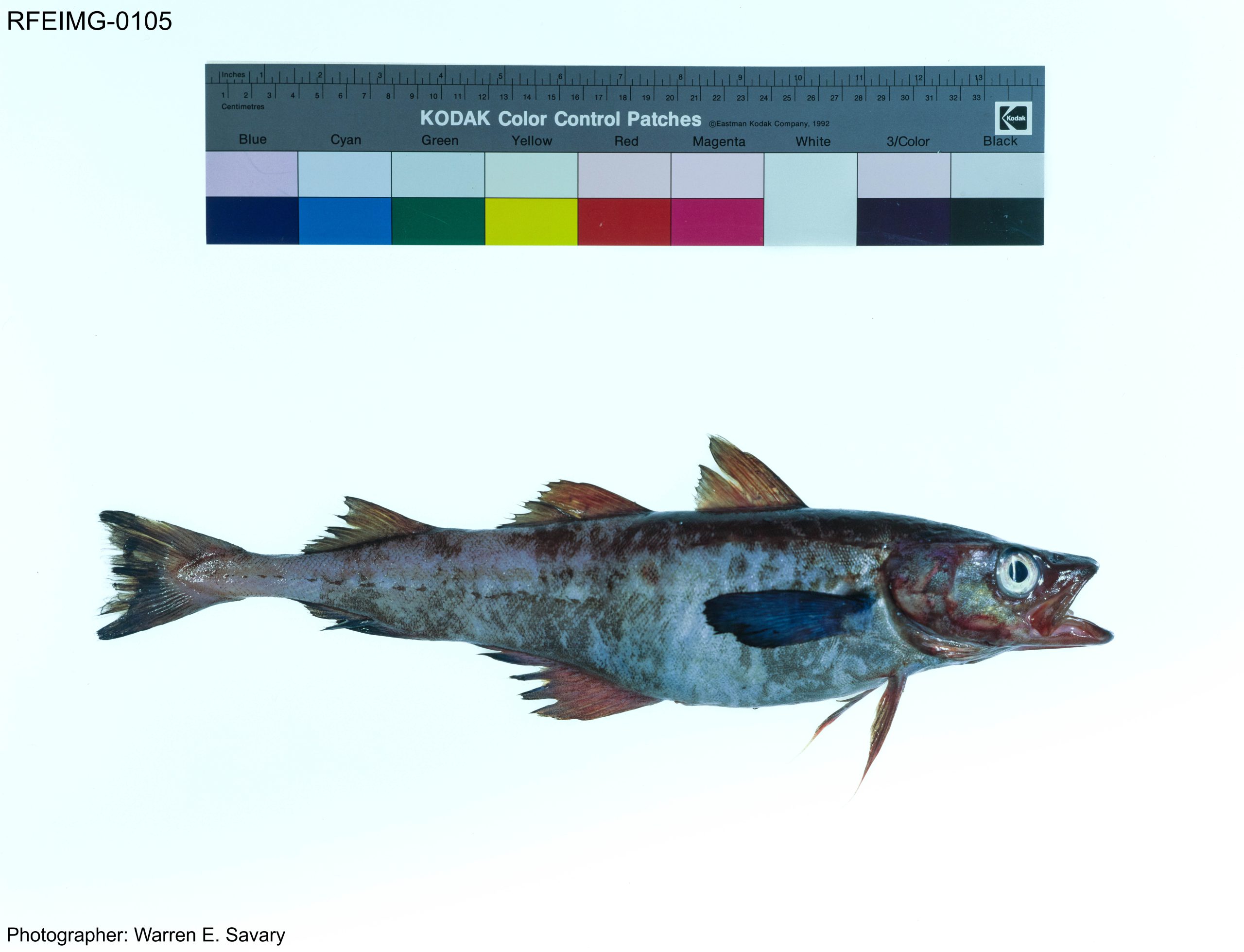
Alaska Pollock, Before It Turns Into a Fish Sandwich
Alaska pollock ends up as fillets and surimi, but alive it’s a schooling cod whose young ride midwater while older fish settle toward bottom. That split, plus a barbel check against Pacific cod, is where the fishing sense lives.

Opah Mostly Show Up While You’re Fishing for Something Else
Opah were the first fish documented circulating warmed blood through the whole body, which helps them hunt cold, deep water. Almost nobody catches one on purpose, so the real prep is recognition, heavy gear and a plan at the rail.
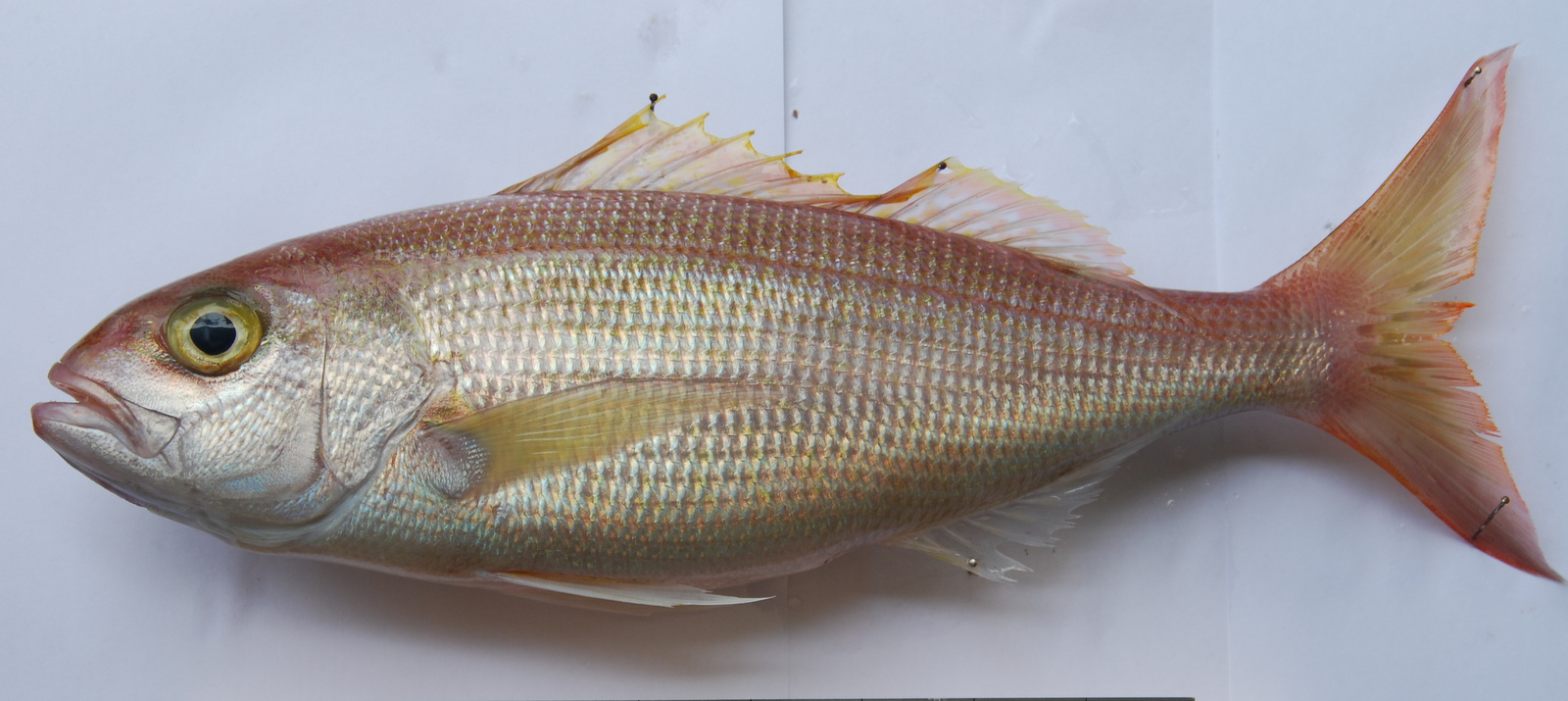
ʻŌpakapaka Hold Above the Bottom, So Your Hooks Should Too
ʻŌpakapaka sit on the shallower side of Hawaiʻi’s Deep-7 water and often school above hard-bottom slopes. Mark how high the fish are, then hold the branch rig so the baited hooks cross them instead of the sinker dragging rock.

Onaga and the Gap Between Line Out and Real Depth
Onaga usually hold in the water above steep ledges and pinnacles, so the job is stopping a clean bait at the marks, not on the rock. Current makes line out a bad depth gauge, and a long ascent means the descending device gets rigged before the first drop.

Rainbow Runners Circle Wider and Deeper Than the FAD
Rainbow runners hang around FADs, floating objects and reef edges, but the school is often off to the side or below the bait everybody can see. Find its level first, then run something slim through it.

Moi (Pacific Threadfin) Feel for Food in the Surf Trough
Moi probe soft sand with six free rays under each pectoral fin, so fish the inside trough, cut or whitewater sand pocket with a small bait on bottom. Use the lightest sinker that holds, and move before you start cycling baits.

Hawaiian Grouper Punish a Sloppy Drift and a Slow First Lift
Hāpuʻu live around deep ledges and slopes where a few yards of boat position decide whether you’re fishing or snagged. Start up-current, keep the bait just above the rock, and lift the moment a heavy fish loads the rod.

Bigeye Emperor Are Built for the Low-Light Hours
Mu carry huge eyes for a reason: dawn, dusk, night and deep shade are the windows worth planning around. Put a durable bait on the rubble or sand edge beside reef, and turn the fish before coral cuts the leader.