Category
Saltwater & Coastal
The ocean gets a vote. Surf, jetties, inlets, flats, nearshore and offshore water all change the scale, the tackle and the safety margin. This is the saltwater side from the beach out to water where Montana feels very far away.
Everything filed under this heading, newest first.
Worth opening first
- Redfish or Black Drum? One Look at the Barbels Settles ItBarbels, spot, tail. Get the identification wrong and the regulation still applies.

Uku (Green Jobfish) Want Rubble, Not Just the Right Depth
Uku can sit anywhere from about 60 to 650 feet, so bottom type does more of the finding than depth does. Look for rubble or reef edge with bait, then run a lively ʻopelu through the mark or give a compact jig more time on the fall.

Bluefin Trevally (ʻŌmilu) Come Back Around If You Haven’t Spooked Them
ʻOmilu tend to run the same reef edge or sand lane more than once, so the fish that swam past may give you another shot. Watch the route, lead it with the lure, and turn the fish toward open water before it finds coral.
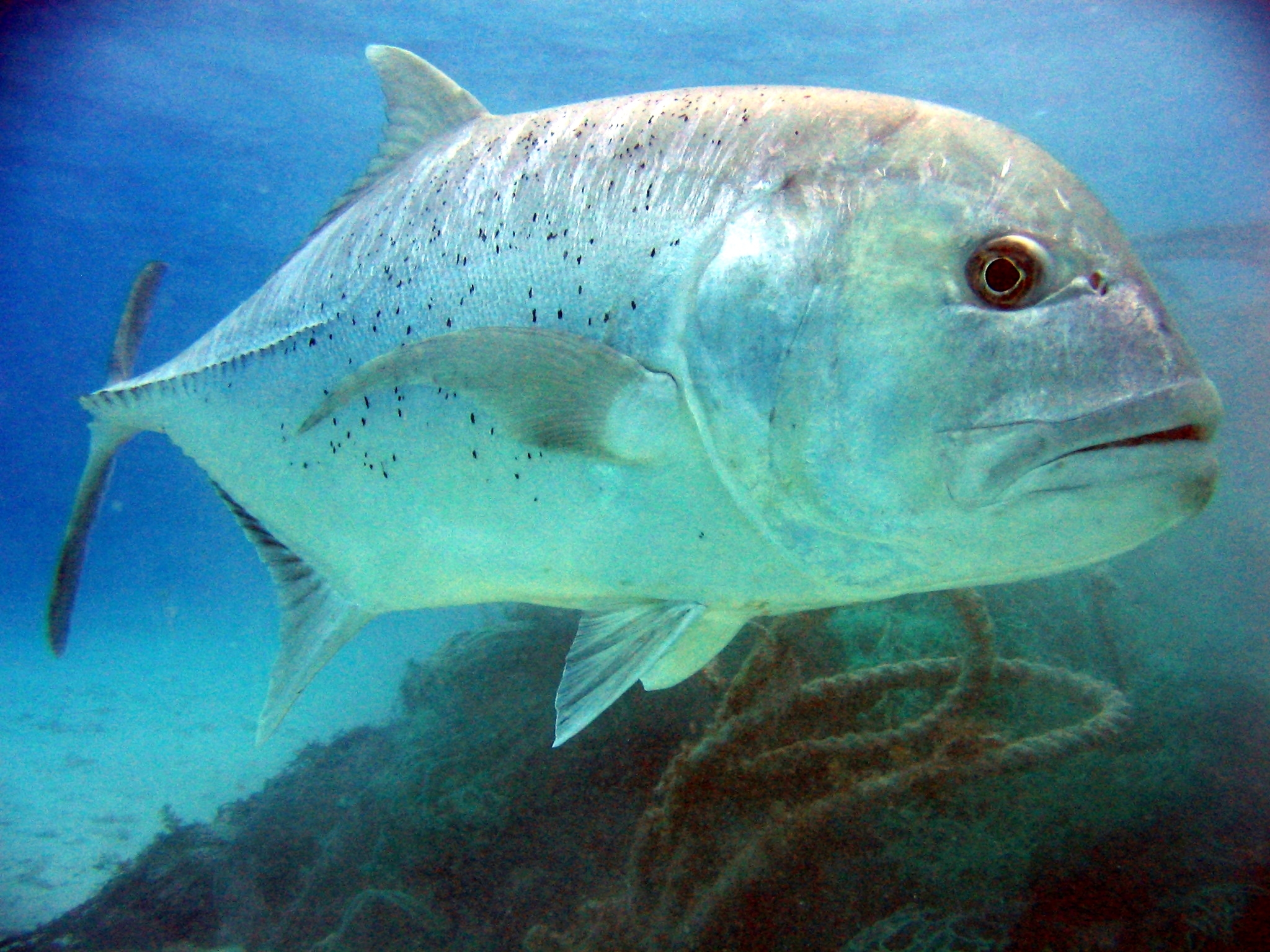
Giant Trevally Start as a Current Problem, Not a Tackle Problem
Before an ulua ever hits a popper, moving water has to push bait past a reef corner, point or ledge. Find that lane, check where the fish will run, and settle drag and rod angle before you cast.
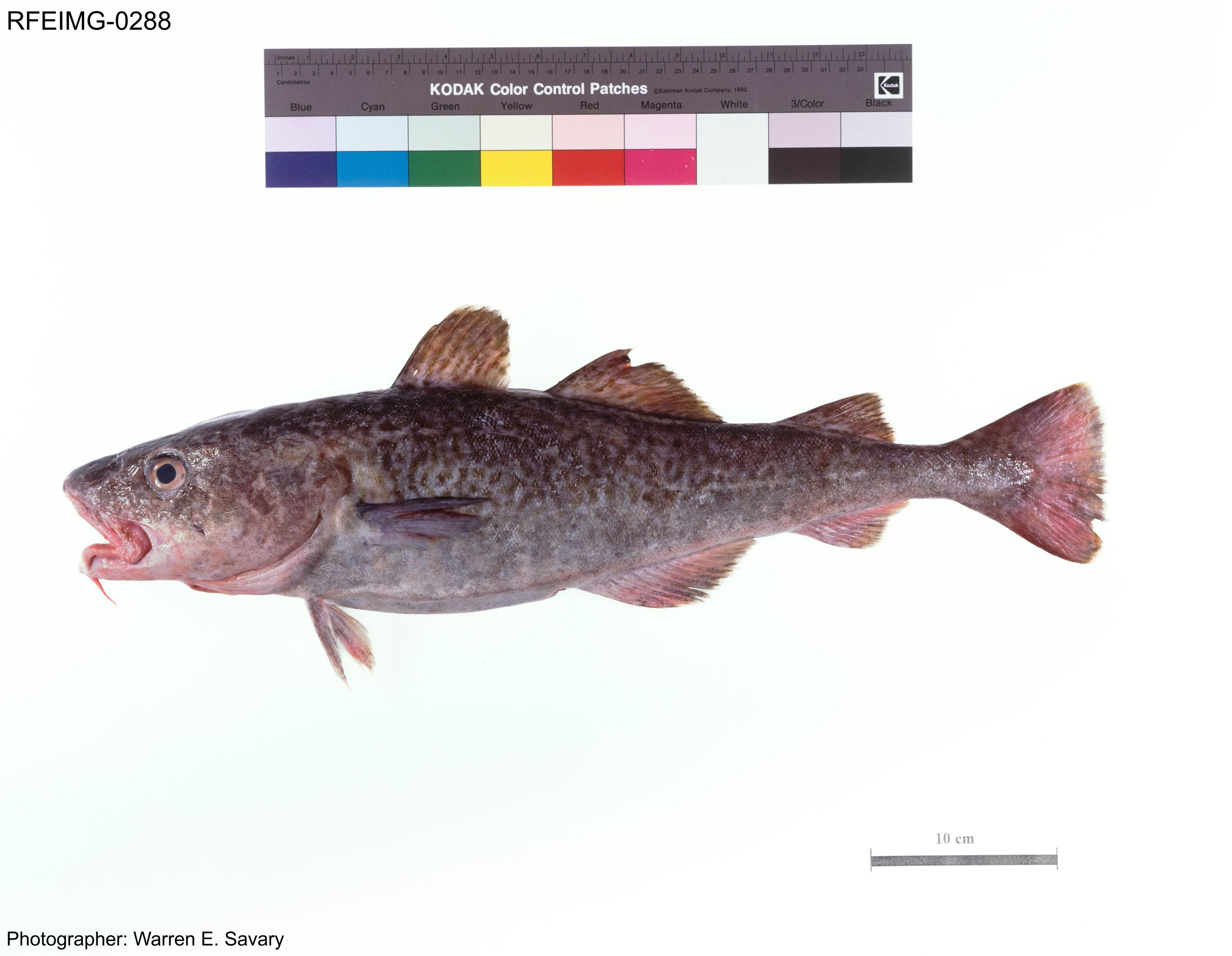
Pacific Cod Don’t Stay on One Depth All Year
Pacific cod head toward the shelf edge to spawn in winter and move onto shallower soft bottom to feed in summer. Pick your depth by the season, and count dorsal fins before you call it a cod.
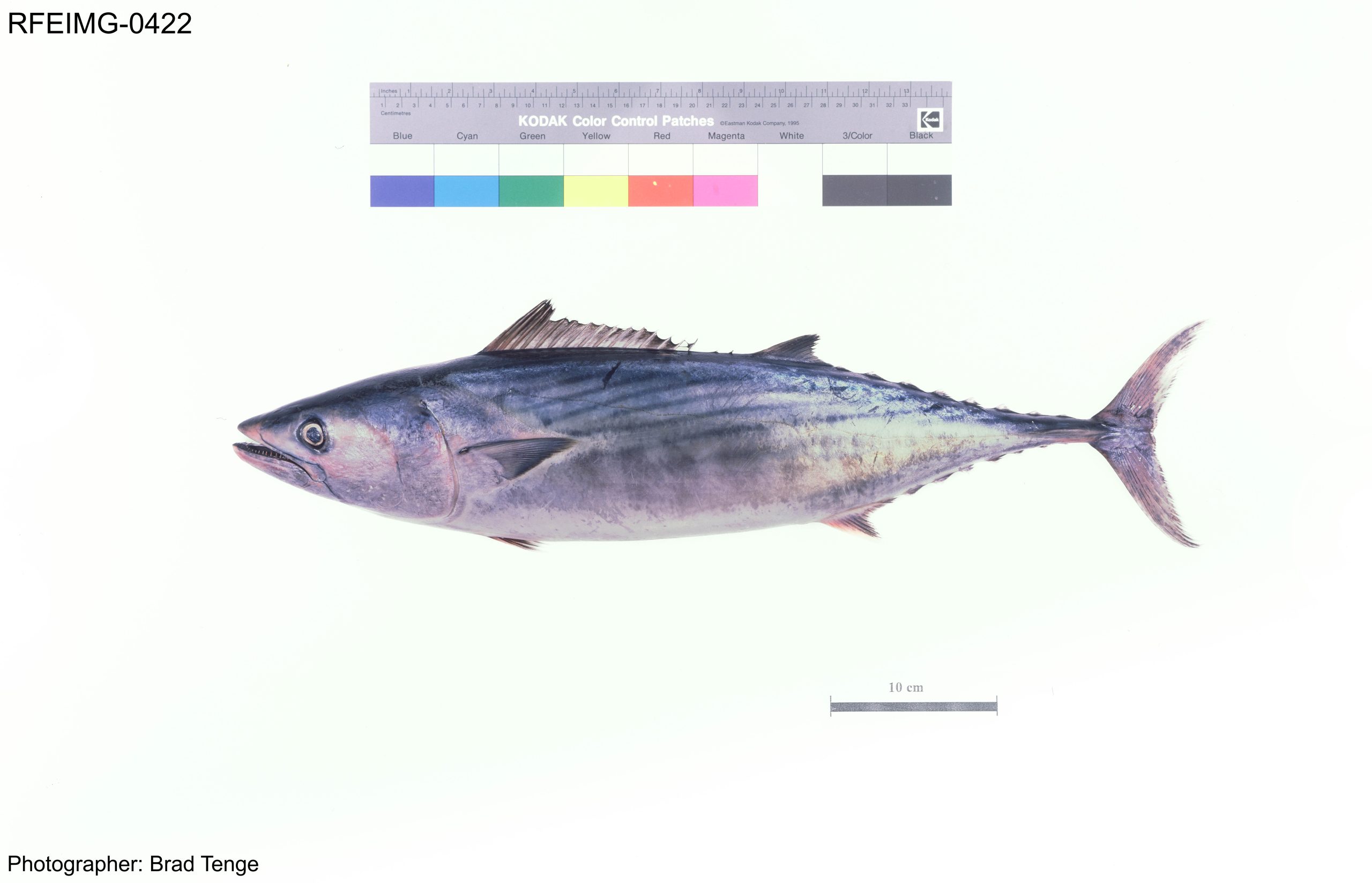
Pacific Bonito Under a Bird Show Are Often Deeper Than They Look
Birds and splashes will find a bonito school, but the fish don’t always stay on top. Stop chasing with the boat, figure out which layer they’re in, and let a metal jig fall through it before you start digging through colors.

California Yellowtail Hold Where Current Stacks the Bait
A famous yellowtail spot without moving water and bait is just famous. Let the meter decide between fly-lined bait, surface iron and a yo-yo iron, and plan to turn the fish away from kelp before the first run gets going.

Barred Surfperch: The First Trough Is Often the Best Cast
Barred surfperch often feed in the first trough, closer than a lot of people cast. Walk the beach, crawl a small bait on a light Carolina rig through the close, middle and far lanes, and move on when a stretch goes quiet.
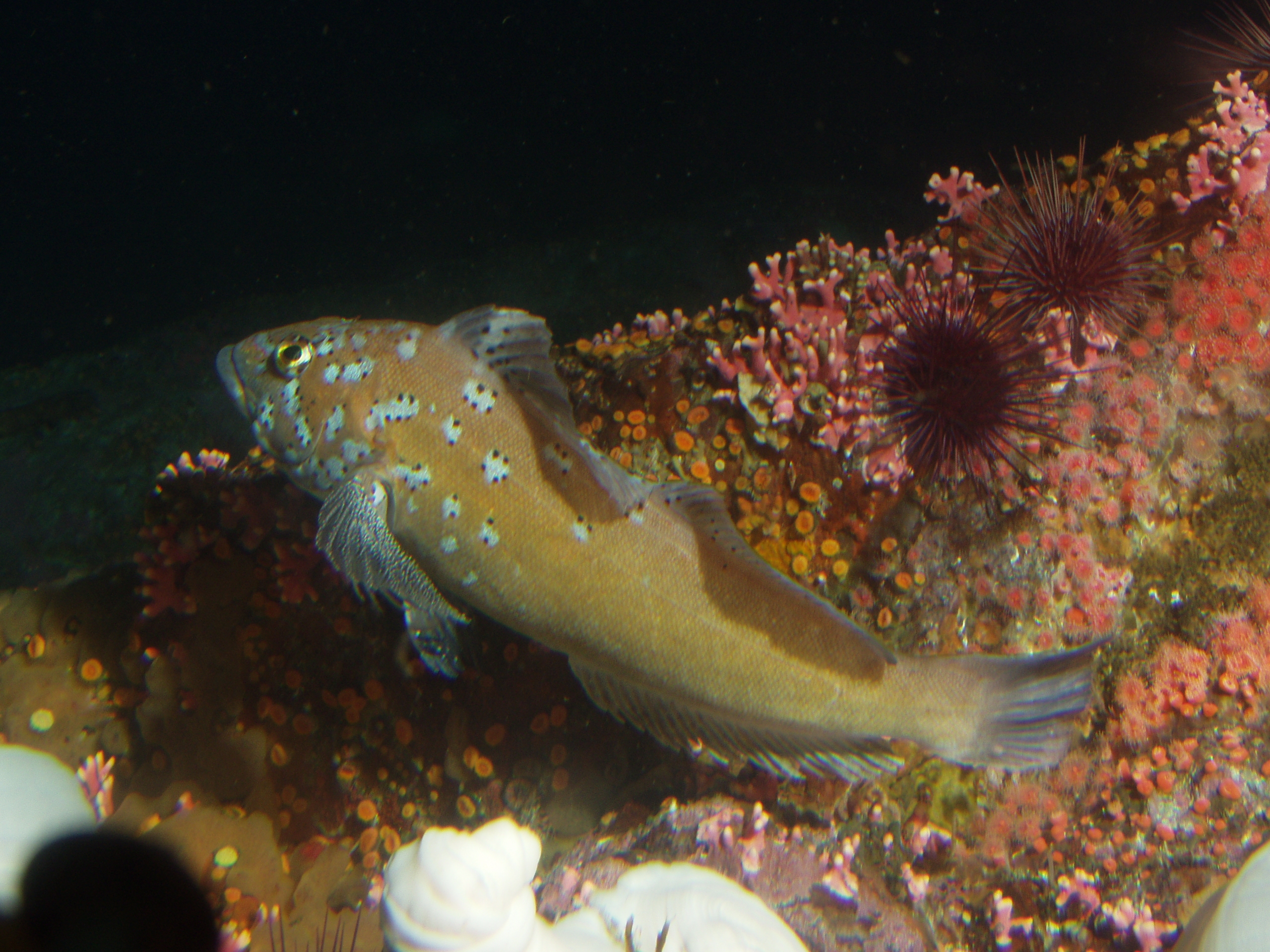
Kelp Greenling Males and Females Look Like Two Different Fish
A male kelp greenling wears blue patches and a female is freckled red-brown and gold, different enough that early taxonomists described them separately. The males also guard egg masses on rock, which is worth knowing before you keep pulling fish off one small patch.
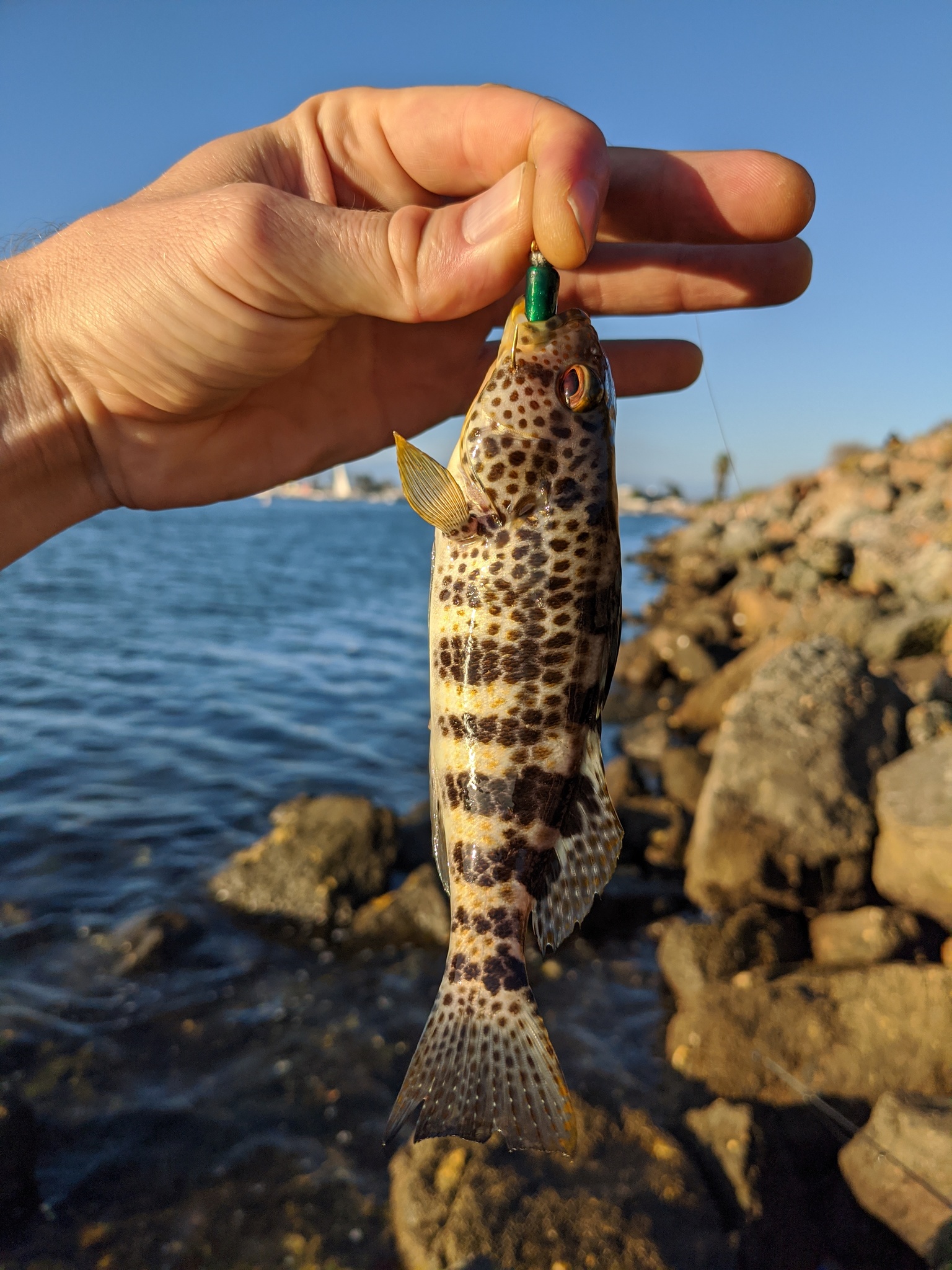
Spotted Sand Bass: The Dock Bite Happens on the Fall
Around docks, spotted sand bass will often grab the bait before it reaches bottom. Pitch into the darkest corner, give it enough slack to drop straight instead of swinging away, watch the line, and move on if a few bottom hops turn up nothing.

Barred Sand Bass Hang Above Reefs More Than the Name Lets On
Barred sand bass work reefs, wrecks, pipes and hard edges, not open sand, and the school can suspend well above that structure. Set up down-current, cast to the up-current edge, and stop the drop where the sonar says the fish are.