Category
Saltwater & Coastal
The ocean gets a vote. Surf, jetties, inlets, flats, nearshore and offshore water all change the scale, the tackle and the safety margin. This is the saltwater side from the beach out to water where Montana feels very far away.
Everything filed under this heading, newest first.
Worth opening first
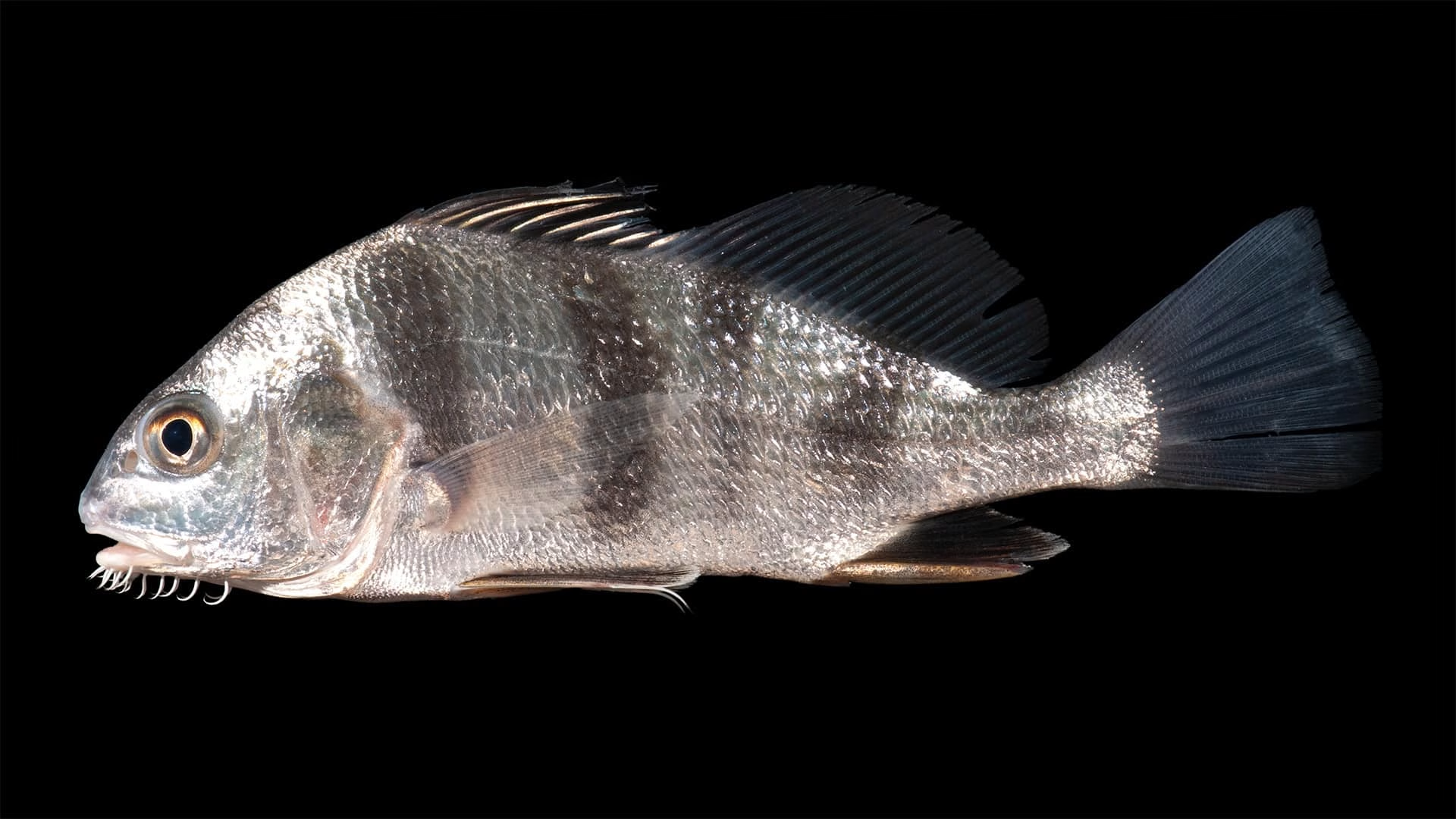
- Redfish or Black Drum? One Look at the Barbels Settles ItBarbels, spot, tail. Get the identification wrong and the regulation still applies.
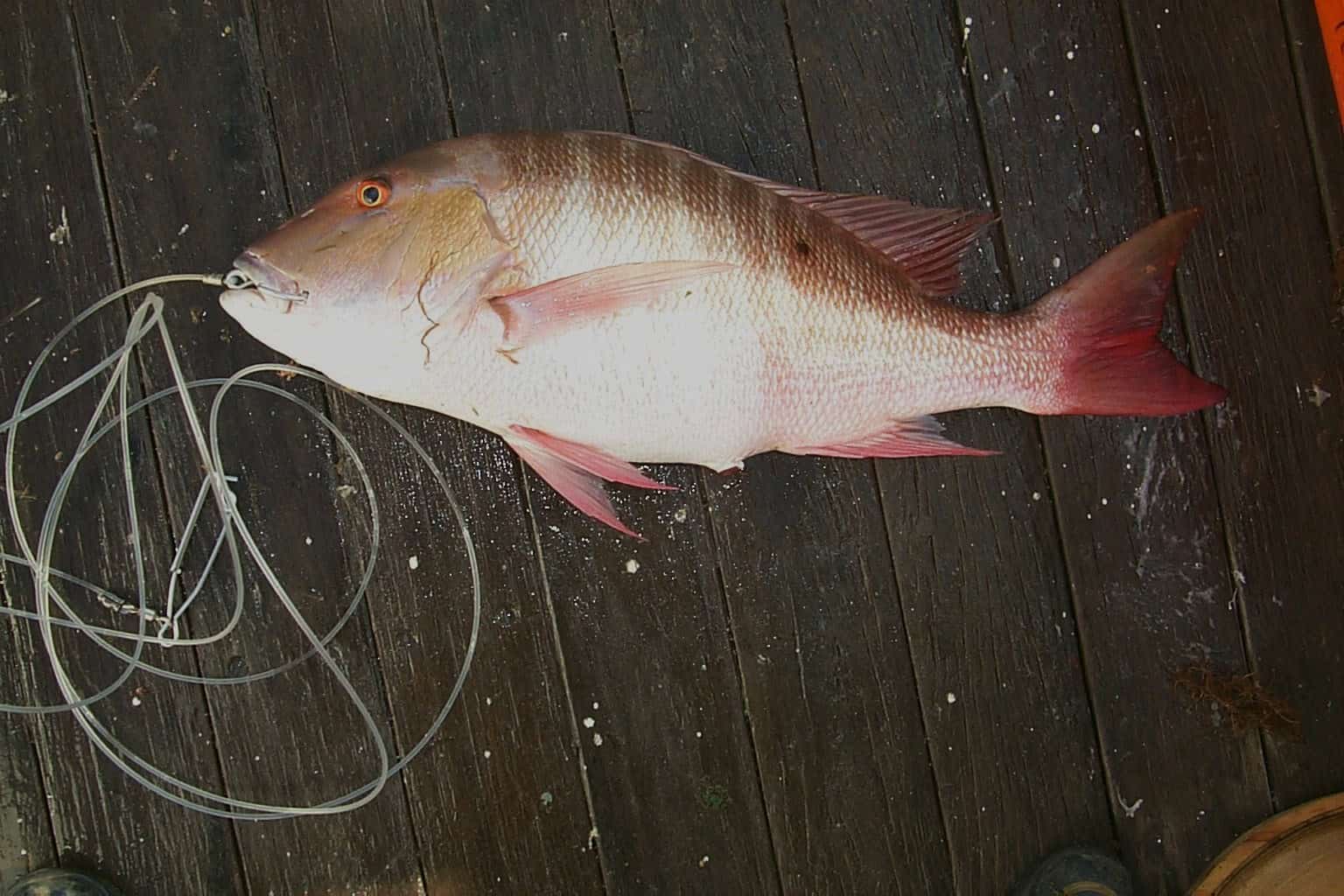
Mutton Snapper Have a Wary Reputation and a Pointed Anal Fin
Mutton snapper feed around reef edges on fish, crustaceans and snails, and spawn in July and August. The pointed anal fin separates them from lane snapper better than color does.

Little Tunny Get Called Everything but Their Name
Little Tunny get called bonito all the time, but they carry wavy worm lines behind the dorsal and dark spots low on the chest. They crash bait schools close to shore, so plenty of people catch one before they know what it is.

Wahoo Don’t Keep an Address
Wahoo follow bait along current lines, temperature breaks and floating structure, so last season’s waypoint only matters if today’s water rebuilt it. Those teeth make leader choice a real decision, not a reflex.
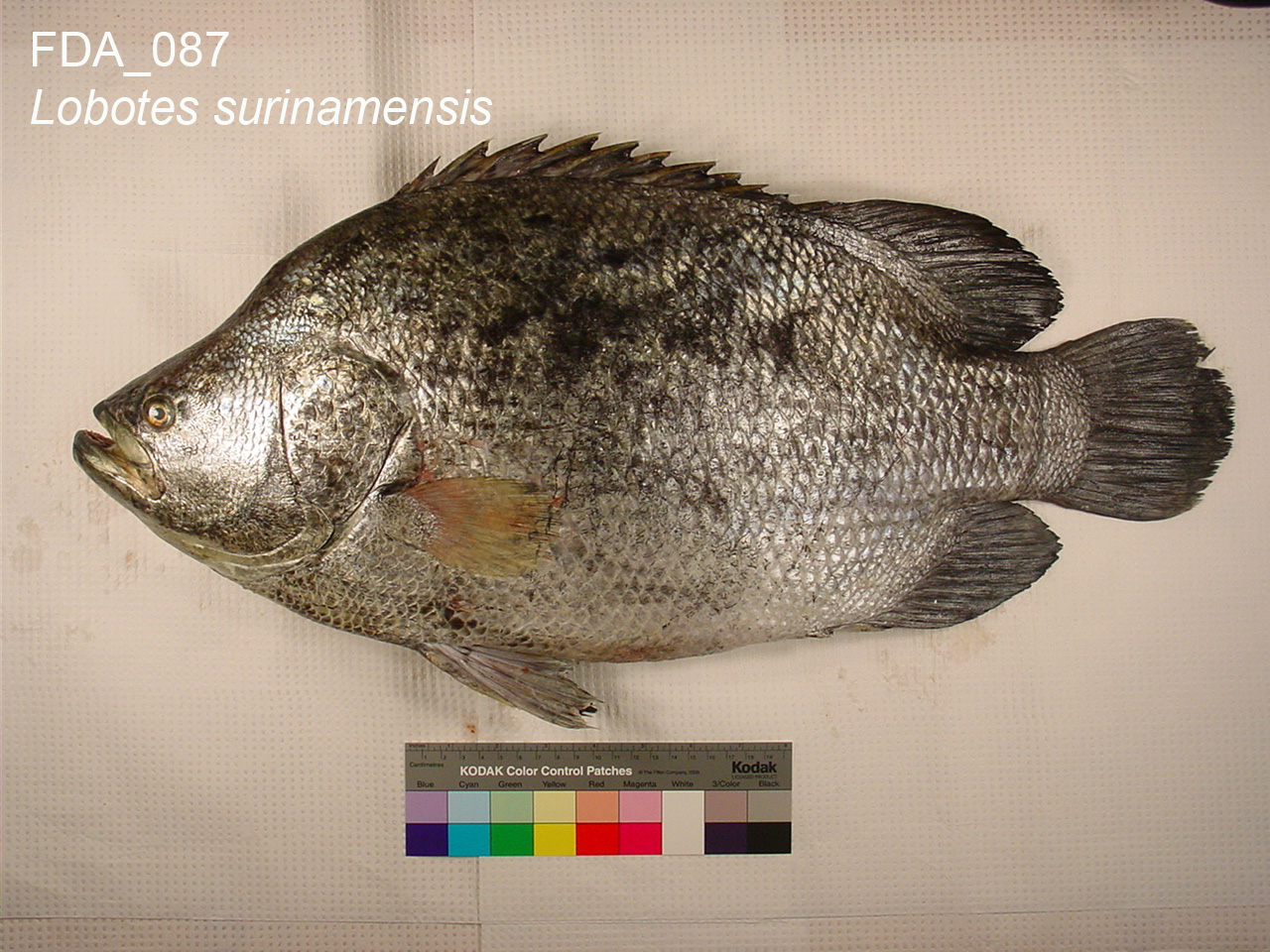
Tripletail Look Like Floating Trash, Which Is the Point
Tripletail hang beside buoys, markers and drifting weed looking like a dead leaf, so most of the fishing is spotting one and getting close without spooking it. After that, a shrimp at eye level does a lot of the work.
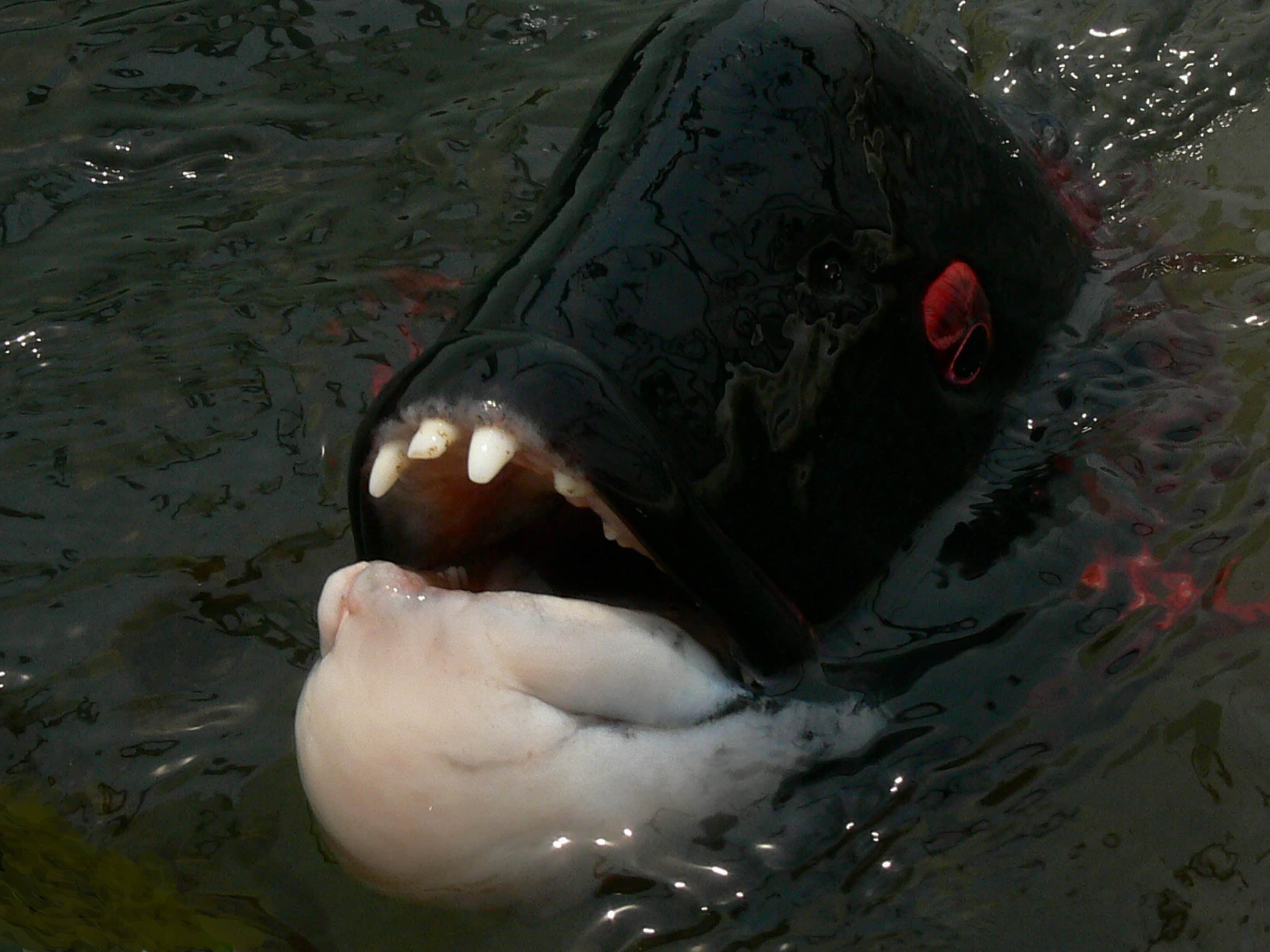
Sheepshead Have People Teeth and Steal Bait With Them
Sheepshead crop barnacles and shellfish off pilings with incisors and crushing molars, which is why a bait can vanish on a tap that never pulls. Put the bait tight to the growth and wait for the weight.
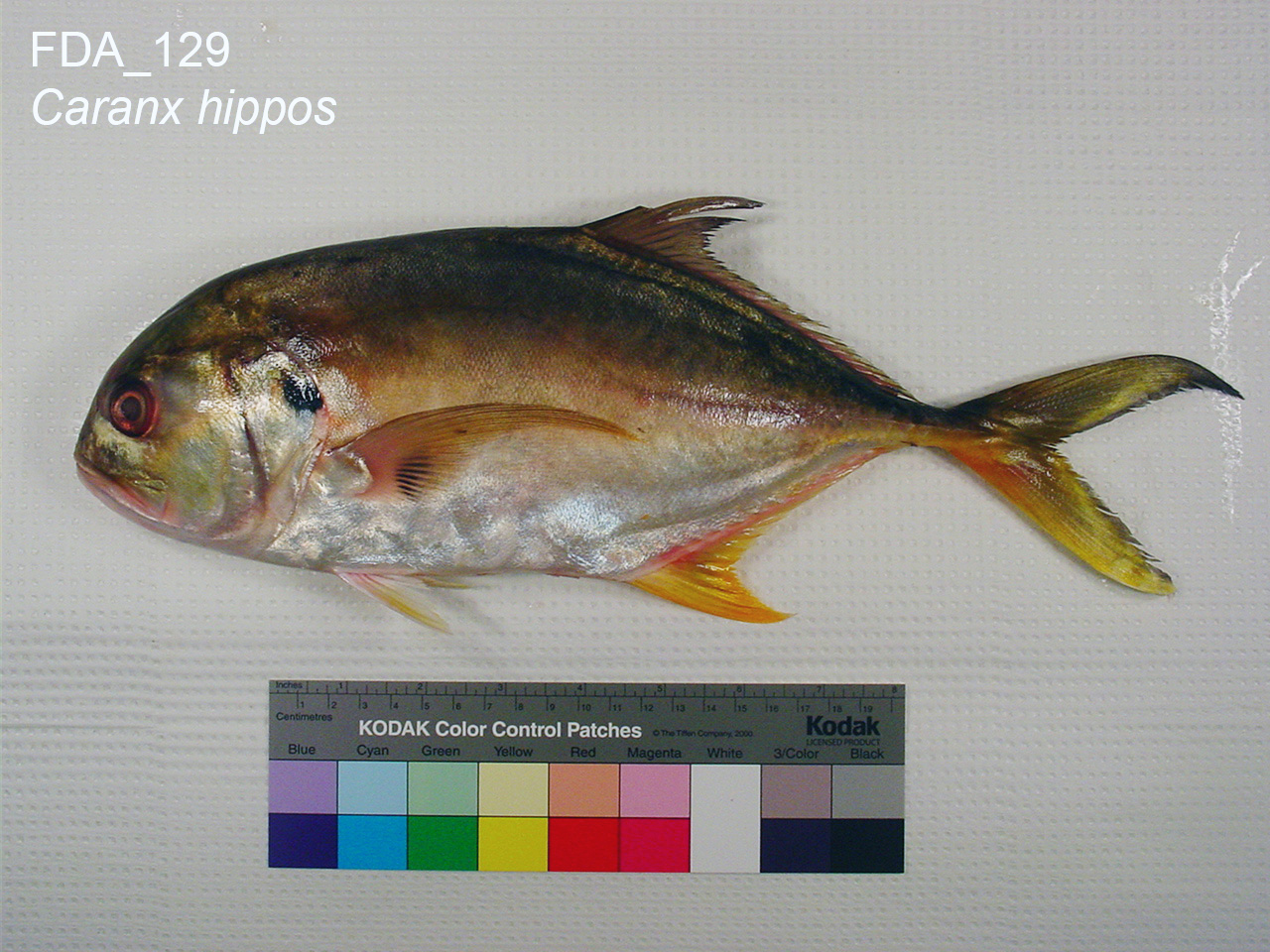
Crevalle Jack: Read the Rumble Before You Cast
Crevalle jacks push bait in one direction, and the splash is always a step behind them. Get in front of the school, cast to its leading edge instead of the last explosion, and bring enough rod to finish the fight.

Florida Pompano Are Usually Closer Than Your Longest Cast
Pompano feed where the wash uncovers sand fleas and coquina, which is often the first trough, not the far bar. Keep a small bait in one lane and move distance before you change baits.
Weakfish Aren’t Weak. Their Mouths Are.
The name is a warning about the mouth rather than the fight — the membrane tears if you lean on it. Underneath the migration and the estuary nurseries sits one number nobody has explained: natural mortality that climbed from 0.16 to 0.92.
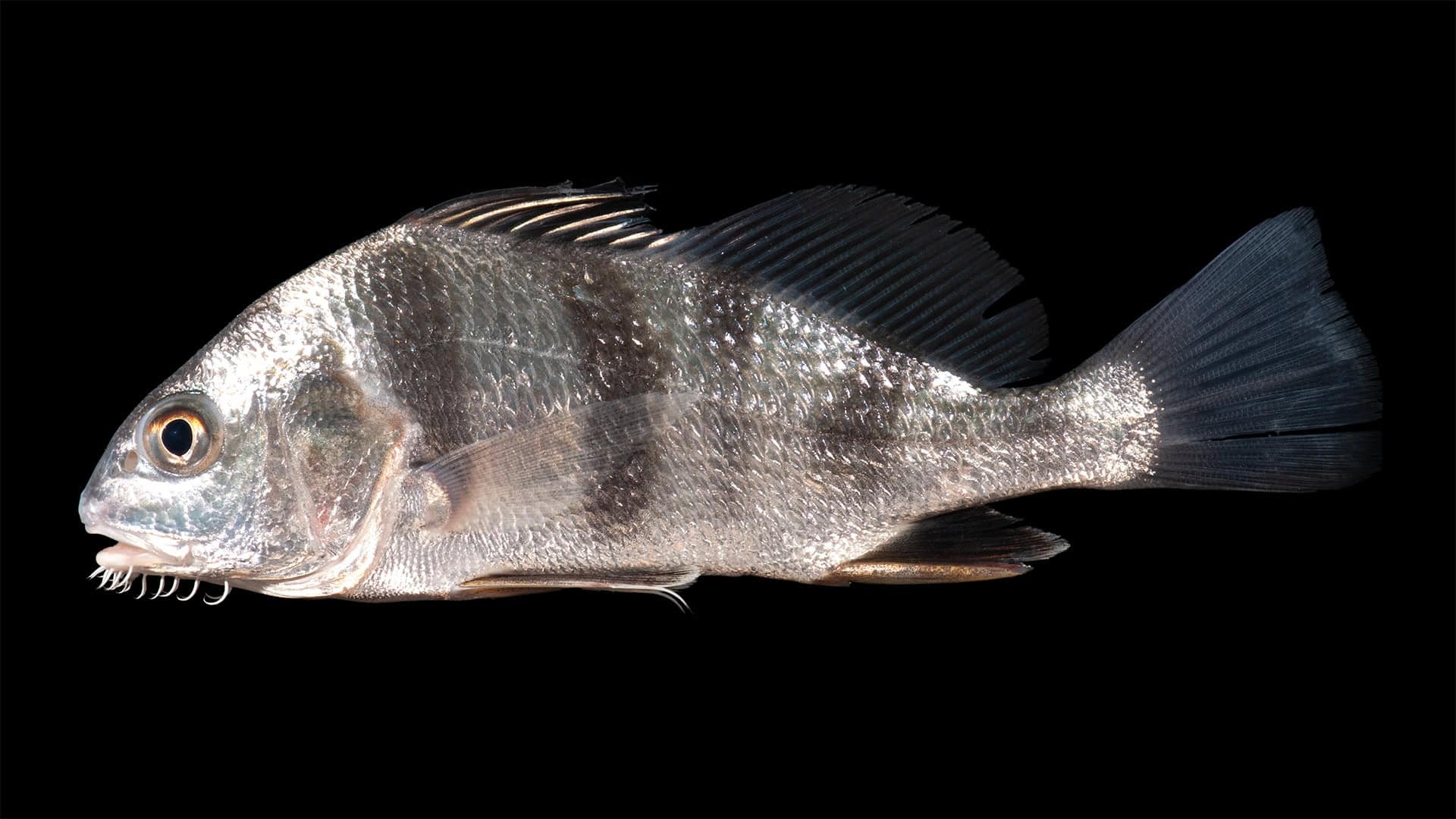
Black Drum Find Their Food With Their Chins
Black drum search the bottom with chin barbels and crush shellfish with teeth in the throat, and some live about 60 years. Put the bait where that chin is working, not a few feet above it.
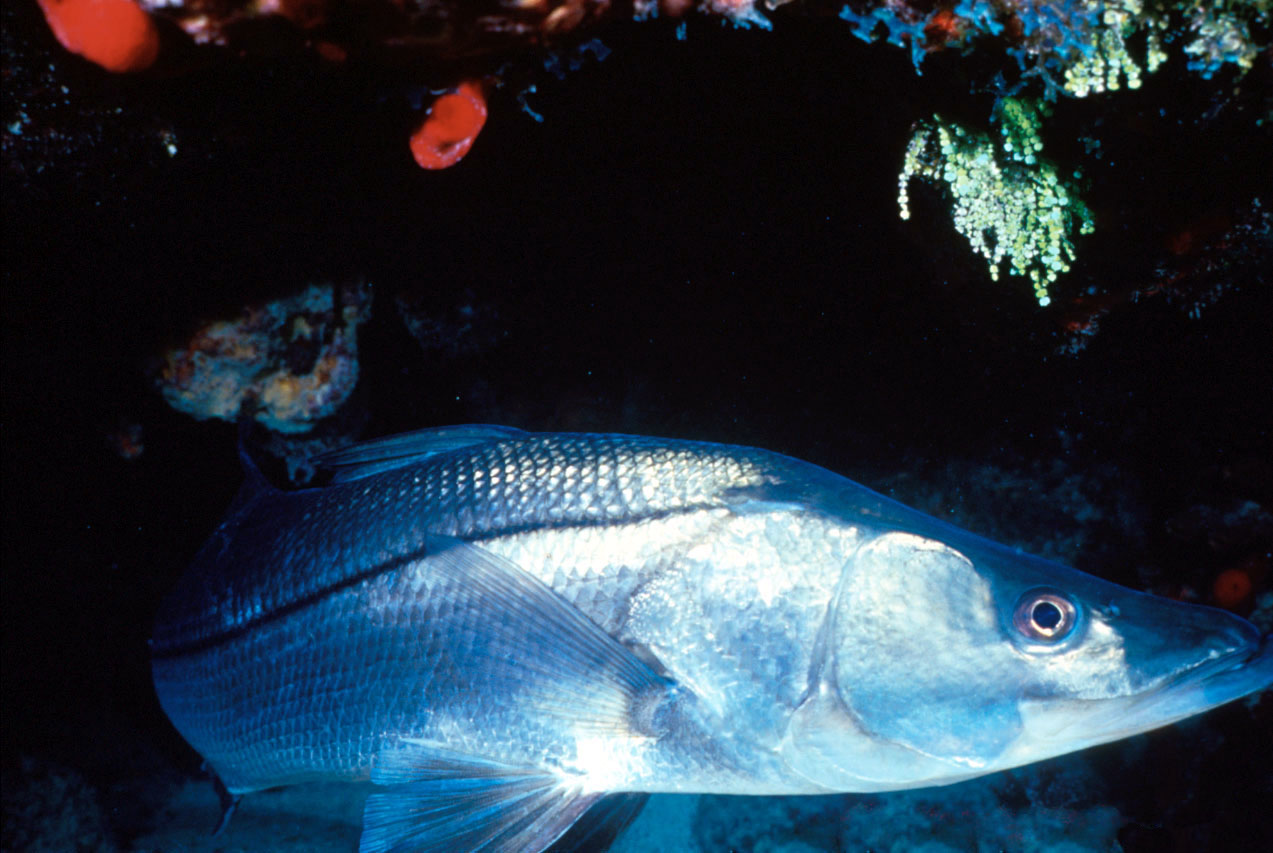
Common Snook Sit in the Current and Let It Bring Dinner
A black line running dead straight down the side names this fish from a bad photo. Everything after that comes down to current, structure, cold sensitivity, and a strange life history where the biggest fish are mostly females.