Category
Saltwater & Coastal
The ocean gets a vote. Surf, jetties, inlets, flats, nearshore and offshore water all change the scale, the tackle and the safety margin. This is the saltwater side from the beach out to water where Montana feels very far away.
Everything filed under this heading, newest first.
Worth opening first
- Redfish or Black Drum? One Look at the Barbels Settles ItBarbels, spot, tail. Get the identification wrong and the regulation still applies.
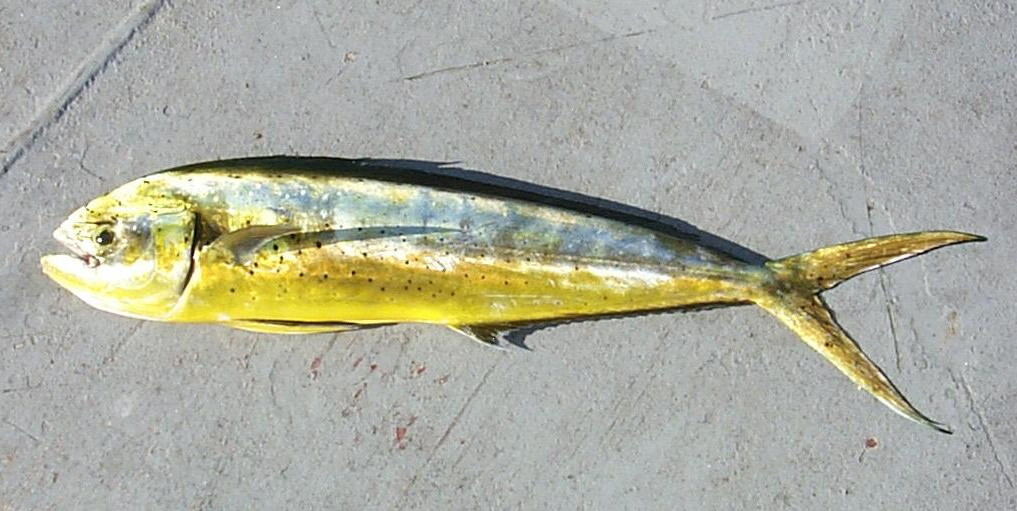
Mahi-Mahi and the Weed Line With Nothing Under It
Mahi-mahi hang around weed lines and floating debris because food does. Figuring out which patch is actually holding bait is most of the trip, and keeping the cockpit from turning into a tangle is the rest.
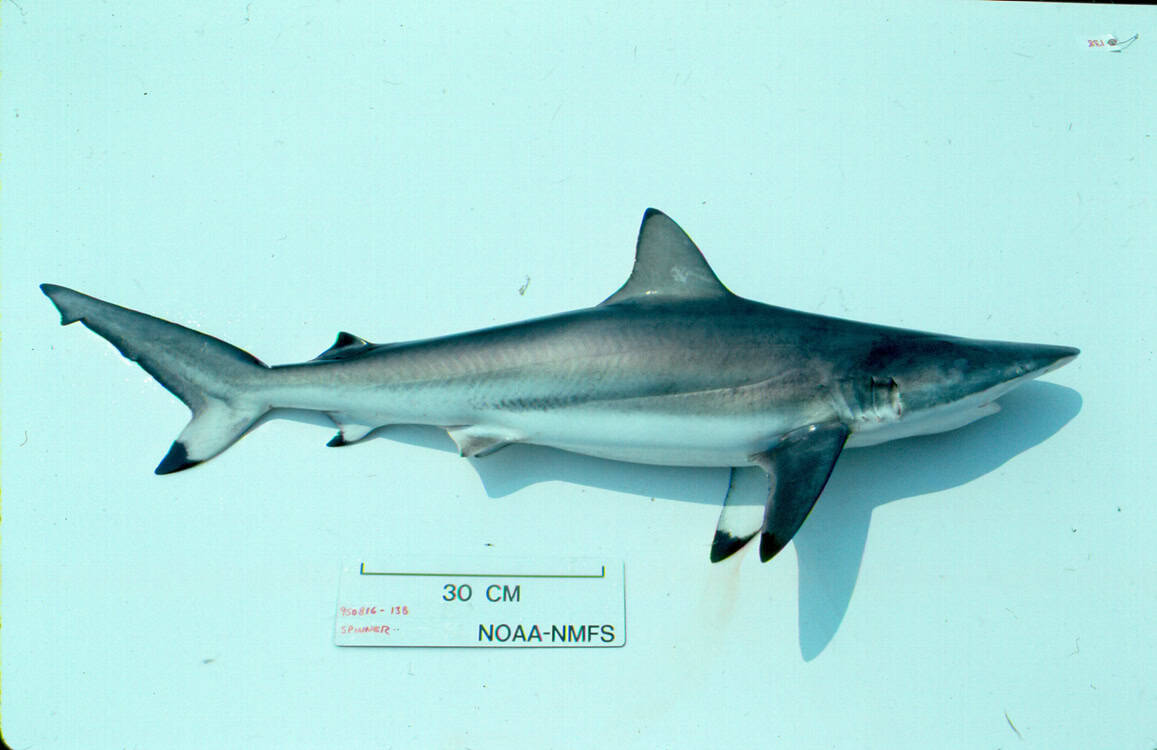
Spinner Sharks Put the Black Tip on the Anal Fin
Spinner sharks can clear the surface in a rotating strike, but the legal field marks are quieter: a black-tipped anal fin and a first dorsal set behind the pectoral.
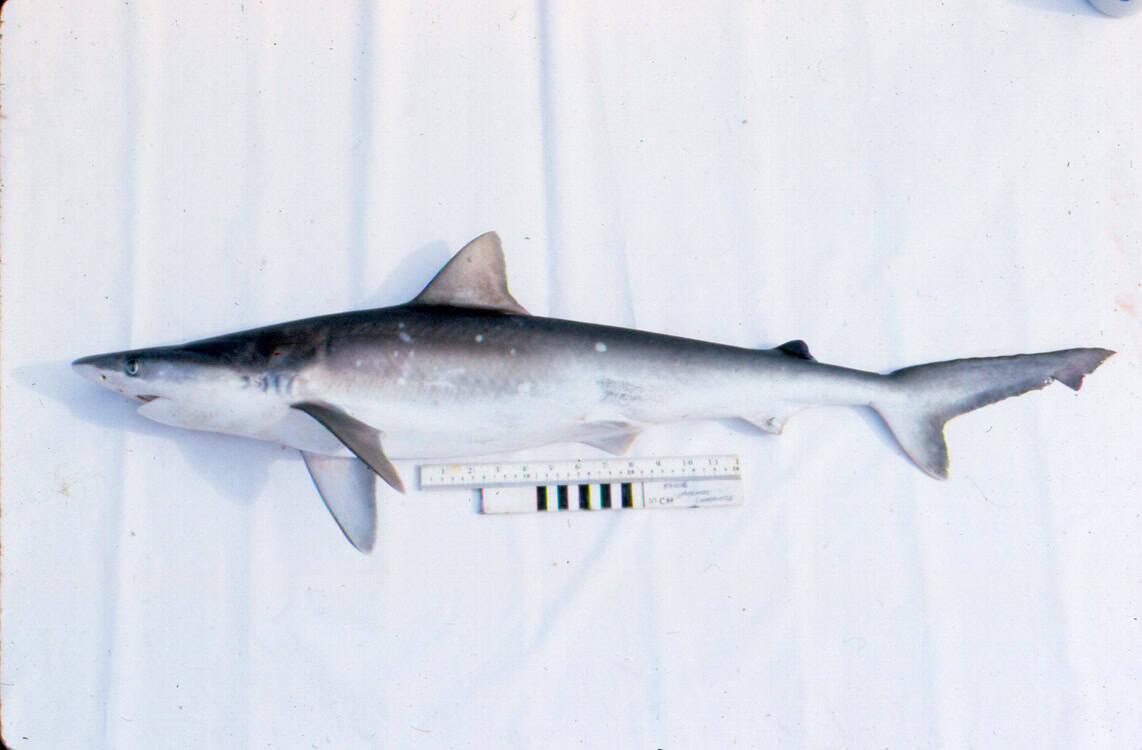
Atlantic Sharpnose Sharks Turn an Ordinary Bottom Rig Into a Shark Rig
Atlantic sharpnose sharks take common inshore baits. Identify the long snout, lip furrow, rear-set dorsal, and white side spots before applying the current one-per-person federal rule.

Bonnethead Sharks Read a Grass Flat With a Shovel-Shaped Head
Bonnetheads use a smooth shovel-shaped head to search shallow flats for crabs and other prey. They can digest seagrass too—but the evidence deserves a more careful claim than the headline usually gets.
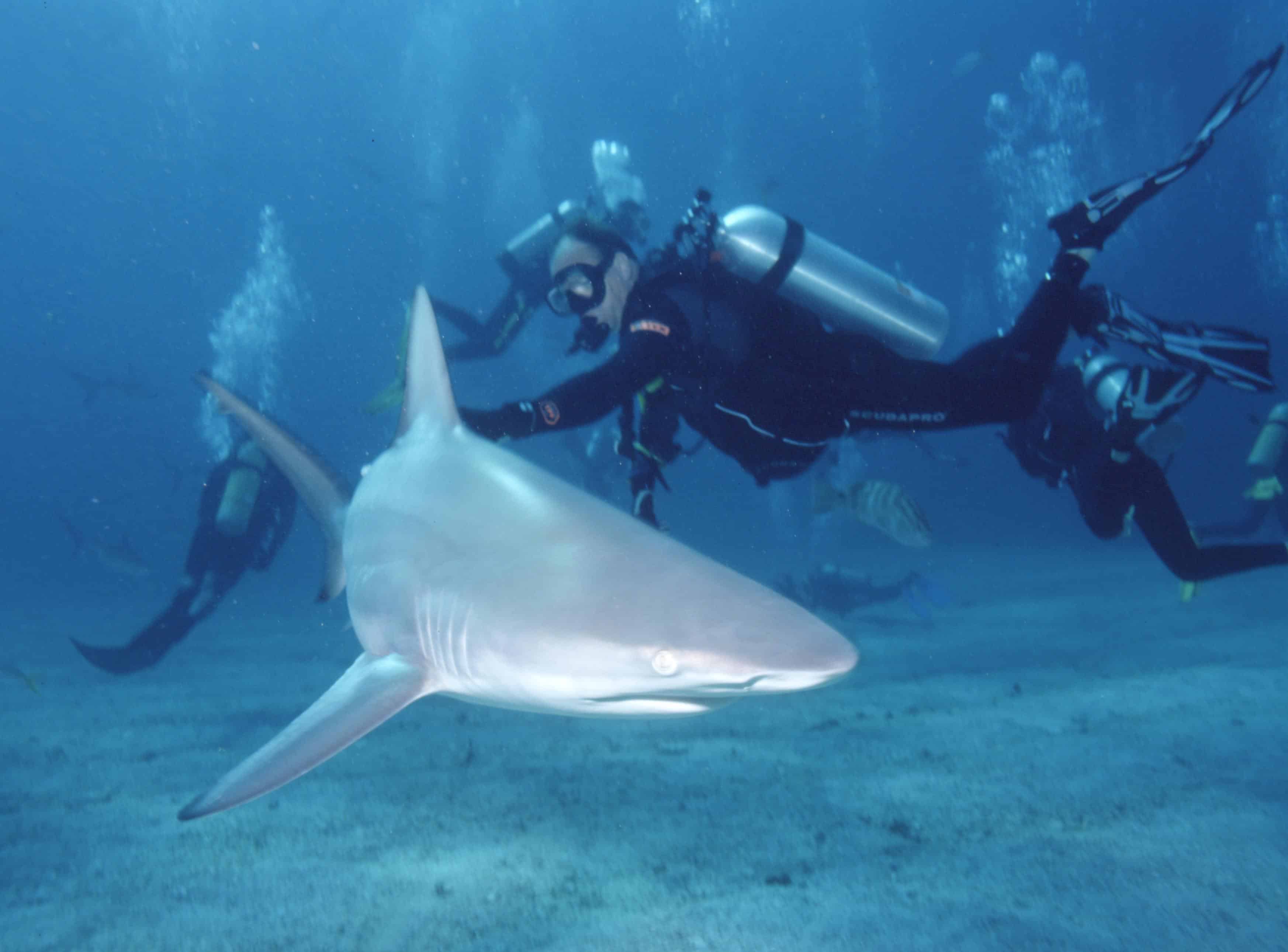
Blacktip Sharks Put the Identification Test on the Anal Fin
Blacktips run beaches, bars, bays, and inlets. The adult’s pale anal fin separates it from a spinner, while current Atlantic HMS rules make identification and a fast wet release part of the rig.
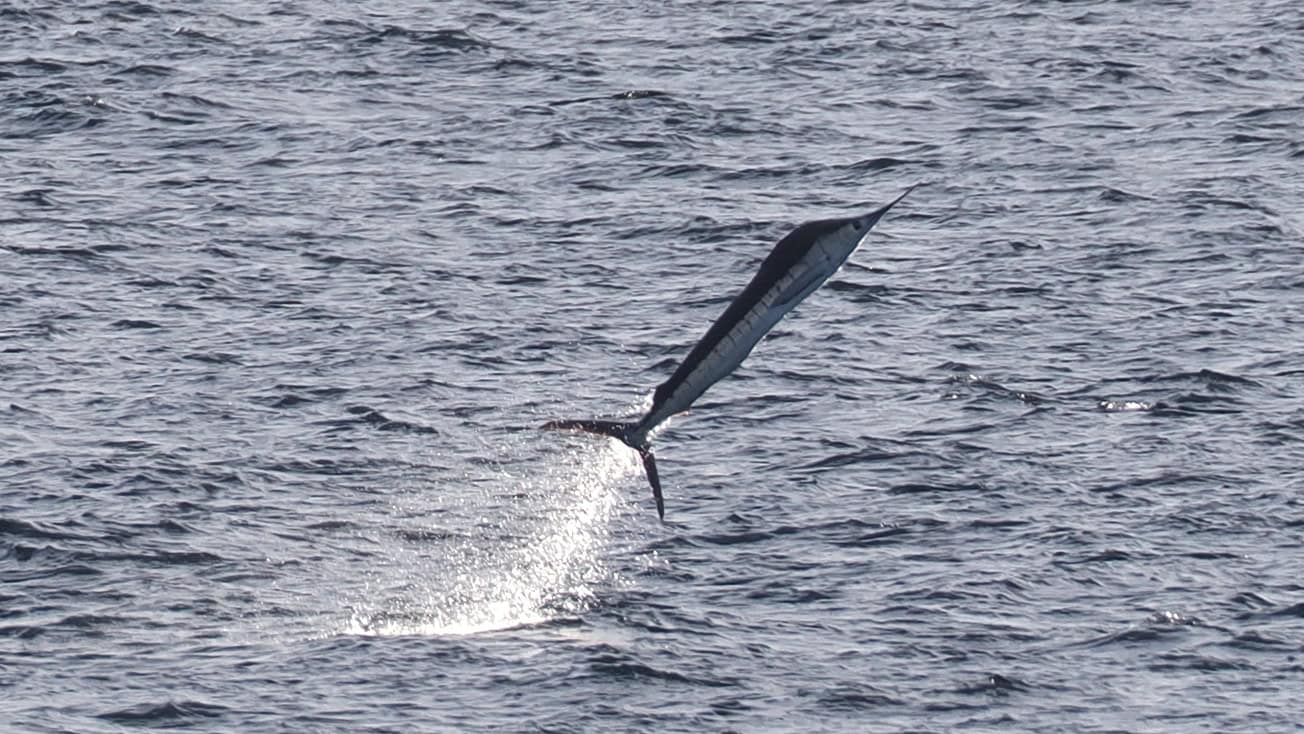
Striped Marlin Are Fast, and That’s the Least Useful Thing About Them
Striped Marlin follow bait, squid and warm water across the Pacific, and that tells you far more about where to look than any top-speed claim. Most recreational fish get tagged and released.
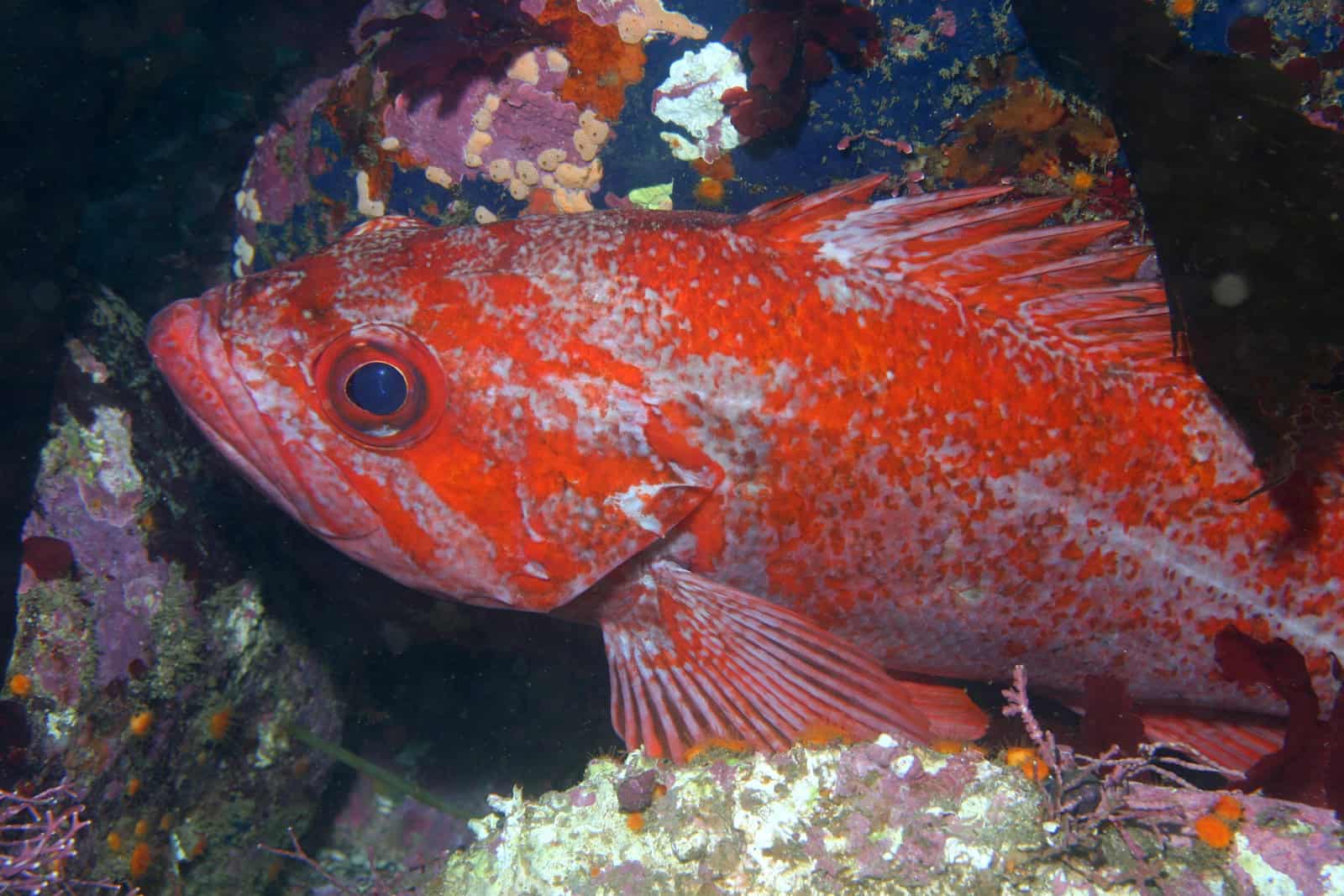
Vermilion Rockfish Might Be Sunset Rockfish, and Your Eyes Can’t Tell
The red rockfish everybody calls vermilion can be a hidden second species that only genetics can separate. Depth changes the odds, and a fish from deep water needs a descending device to go back down.
Silvergray Rockfish Give Themselves Away at the Jaw
A silvergray’s long lower jaw with a knob on the end is the check that keeps it out of the Dusky pile. It lives deep, can reach about 82 years, and needs a real plan for release.
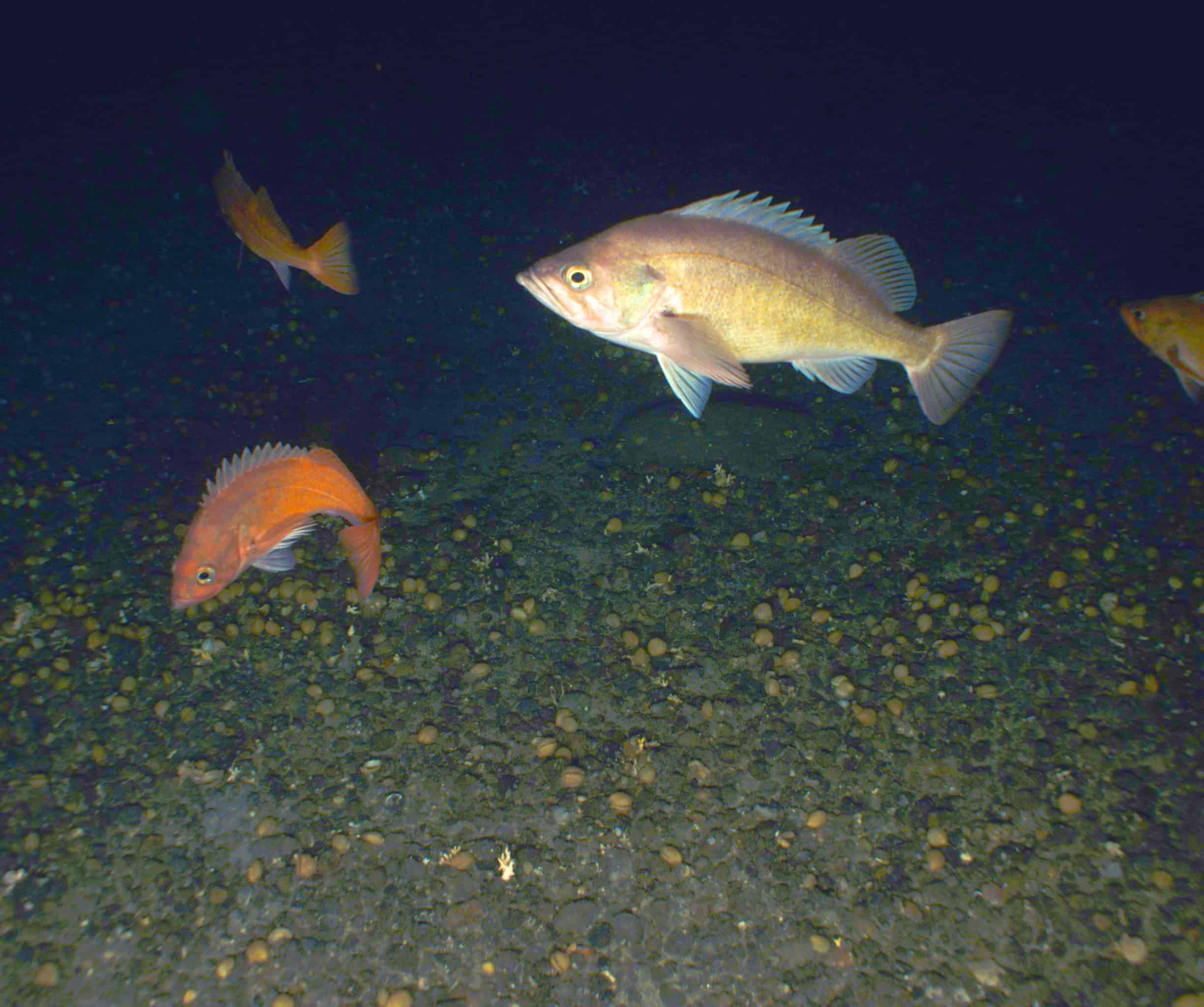
Dusky Rockfish Became Two Fish in 2004
Dusky Rockfish school over offshore banks and gullies, often well above the bottom. Until 2004 the name also covered the shallow fish now called Dark Rockfish, so color alone won’t tell you which one is in your hands.
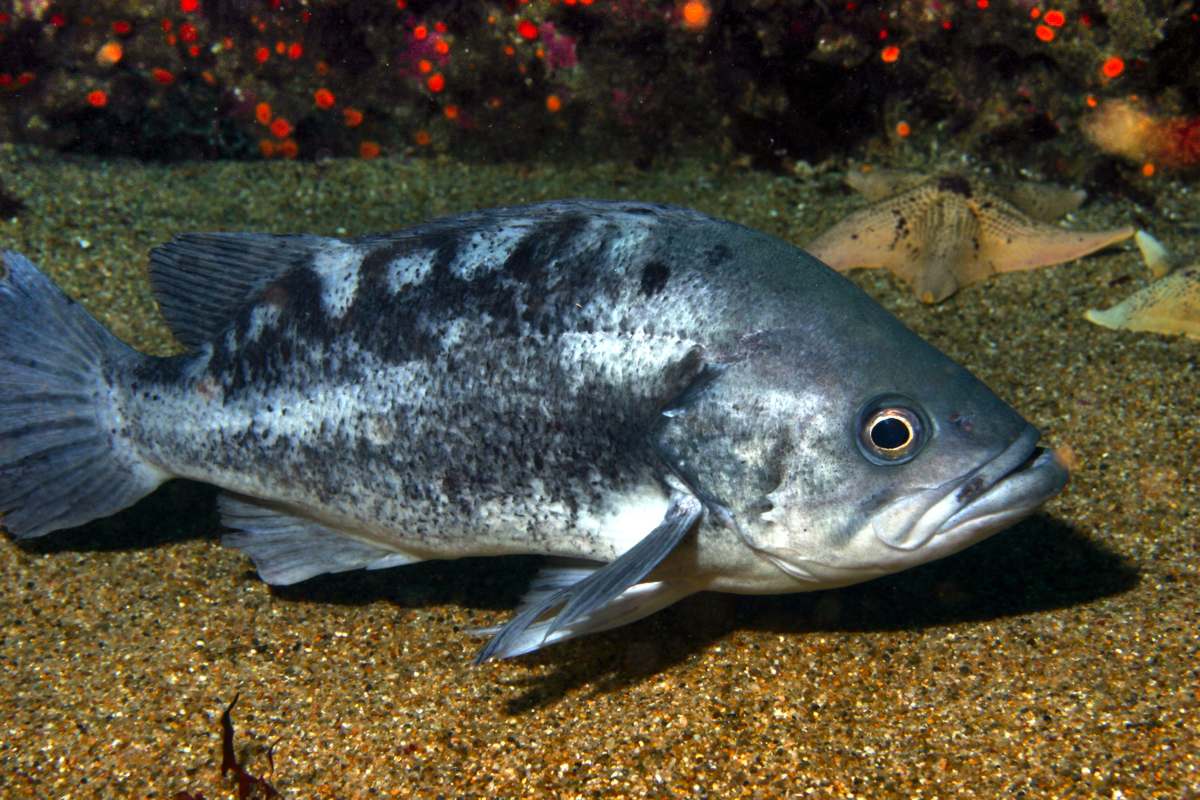
Black Rockfish Often Ride Near the Surface, Not the Bottom
Black rockfish school above nearshore reef and kelp instead of hugging bottom, take six to eight years to mature, and give birth to live young. Fish the layer they’re in, and check the belly and jaw before you name a dark fish.