Category
Saltwater & Coastal
The ocean gets a vote. Surf, jetties, inlets, flats, nearshore and offshore water all change the scale, the tackle and the safety margin. This is the saltwater side from the beach out to water where Montana feels very far away.
Everything filed under this heading, newest first.
Worth opening first
- Redfish or Black Drum? One Look at the Barbels Settles ItBarbels, spot, tail. Get the identification wrong and the regulation still applies.
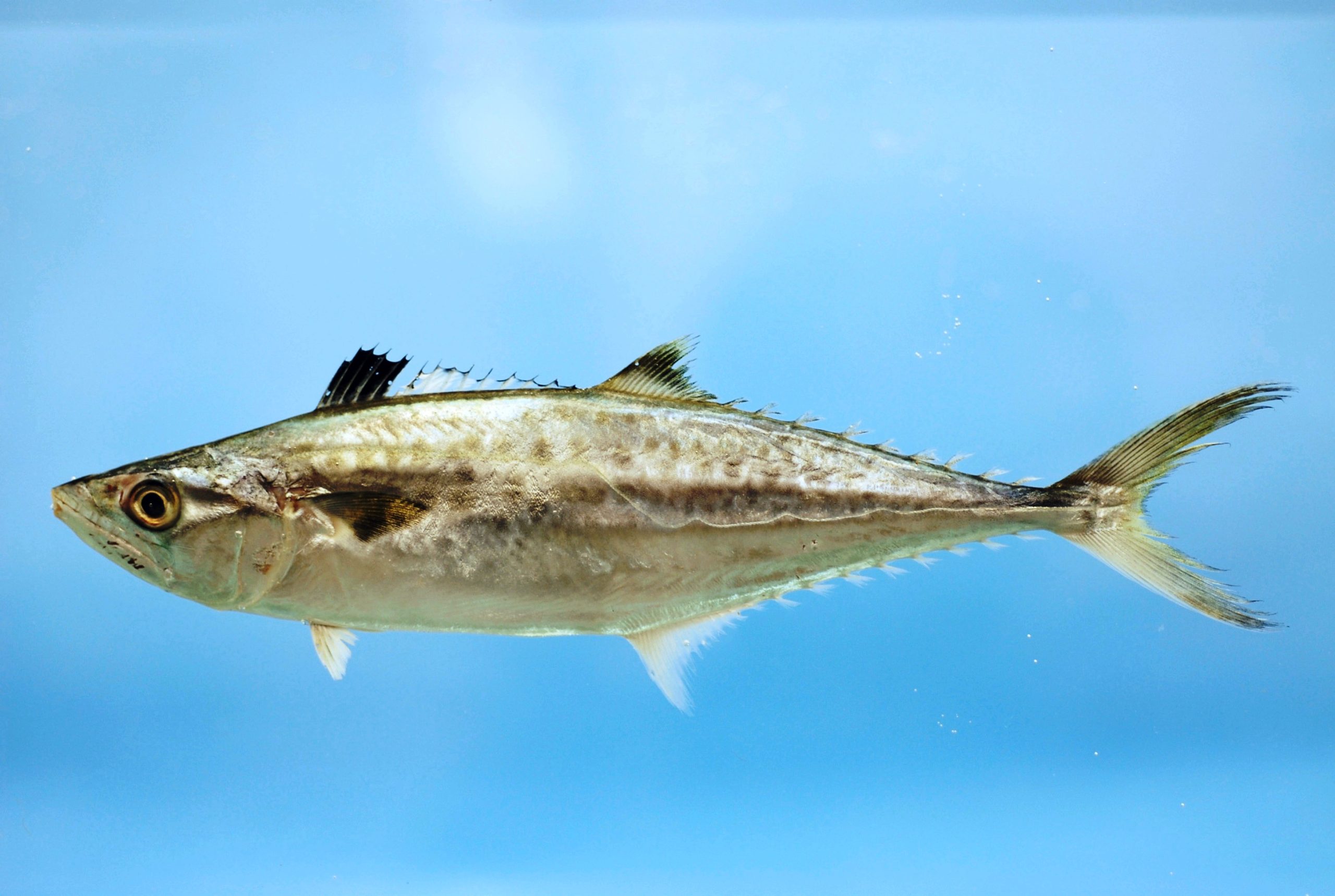
King Mackerel: The Leader Tradeoff Starts With the Teeth
Wire or mono is the king mackerel argument that never ends, and the teeth behind it are real. The honest answer is a tradeoff between how the bait looks and how often you get cut off. Check the lateral line before you call a small one a Spanish.
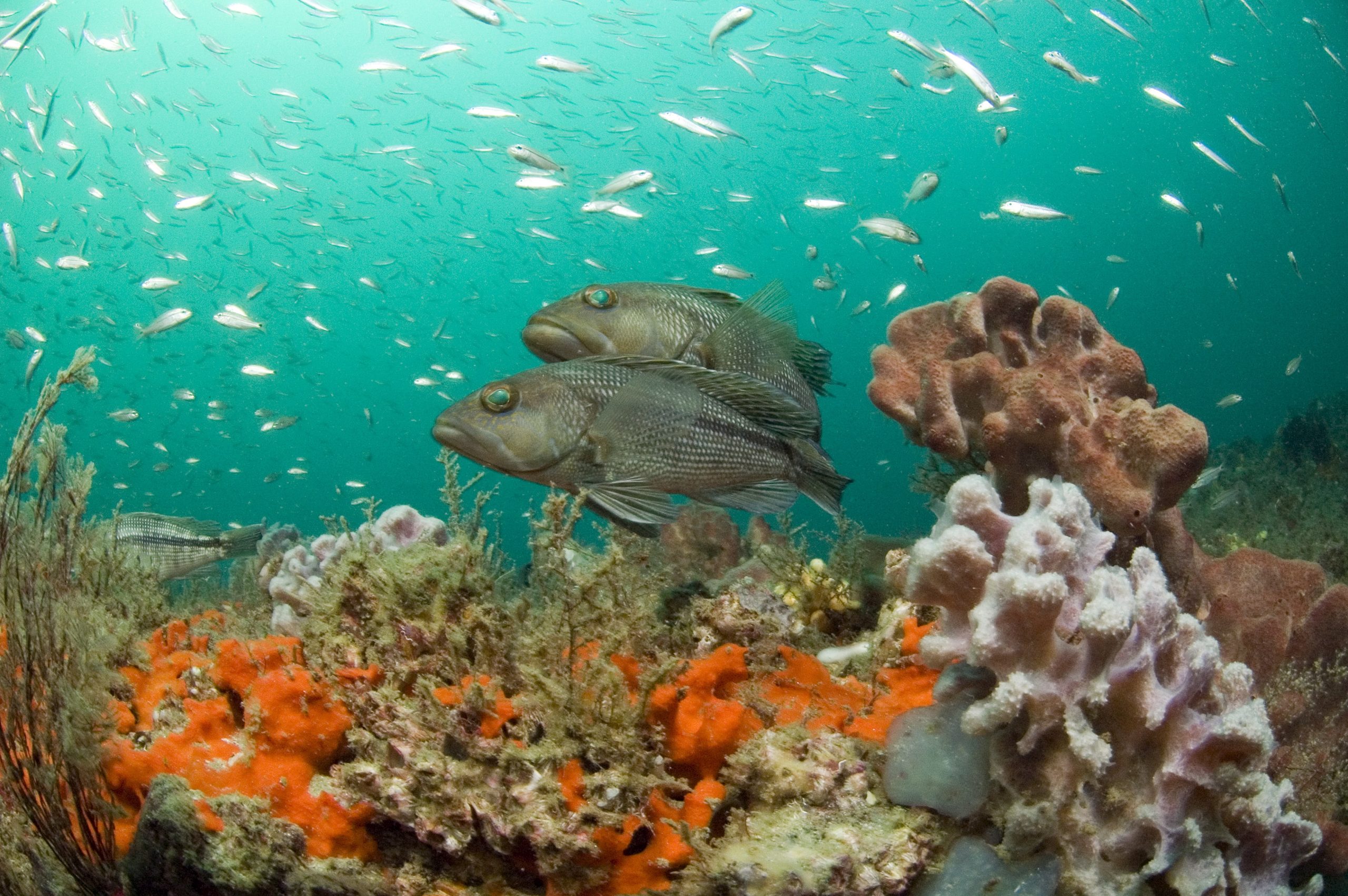
Black Sea Bass: Structure Fish That Don’t Stay Put
A wreck can hold black sea bass in June and look empty by fall without moving an inch. North of Cape Hatteras the fish head offshore as the water cools; farther south they don’t travel nearly as far.
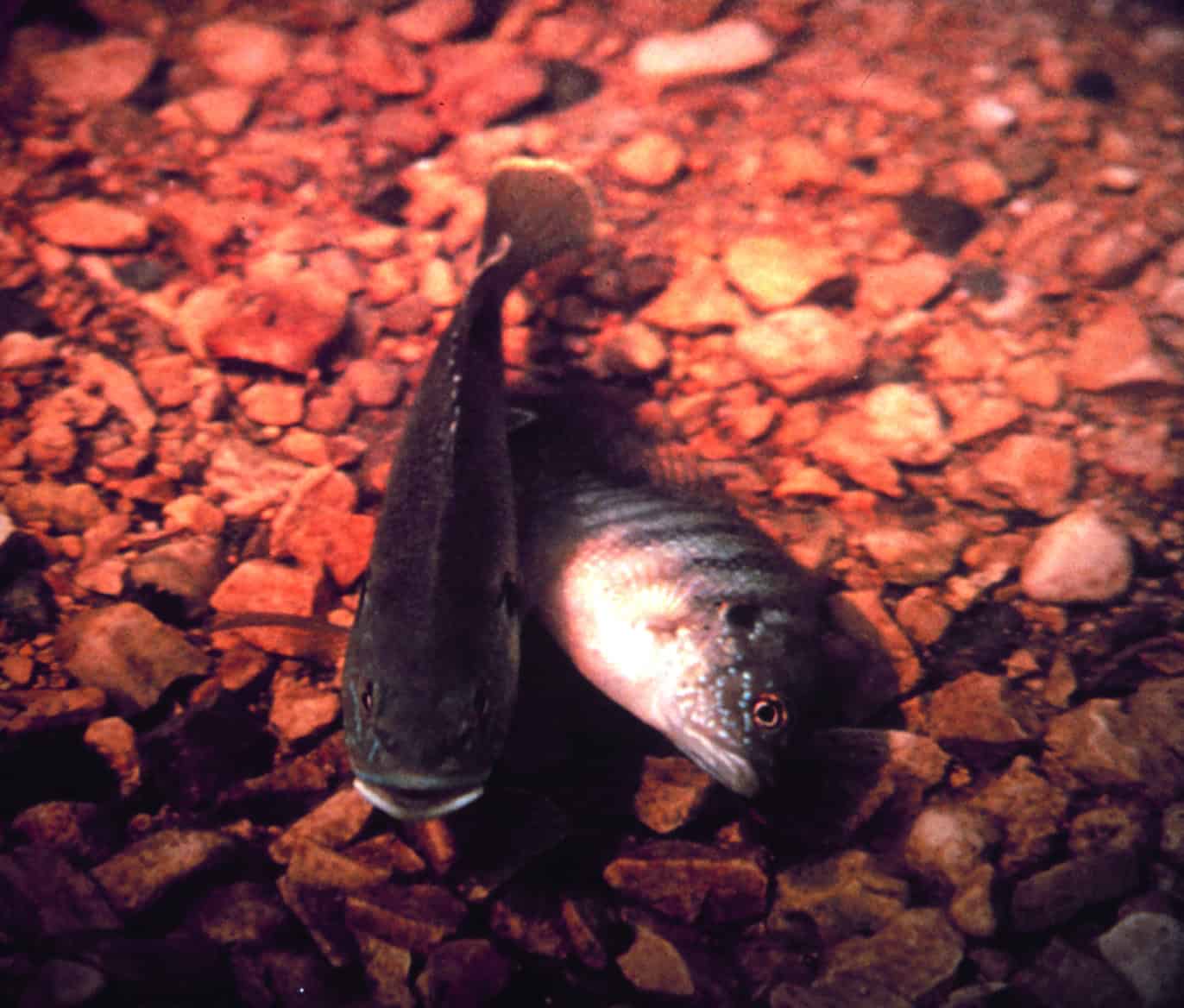
Tautog Eat Crabs Off the Rock That Keeps Your Sinkers
Tautog crush crabs and mussels right off the rock, so the bait has to go where rigs get stuck. They also hang onto one piece of structure for years, which matters more than the coastwide numbers suggest.
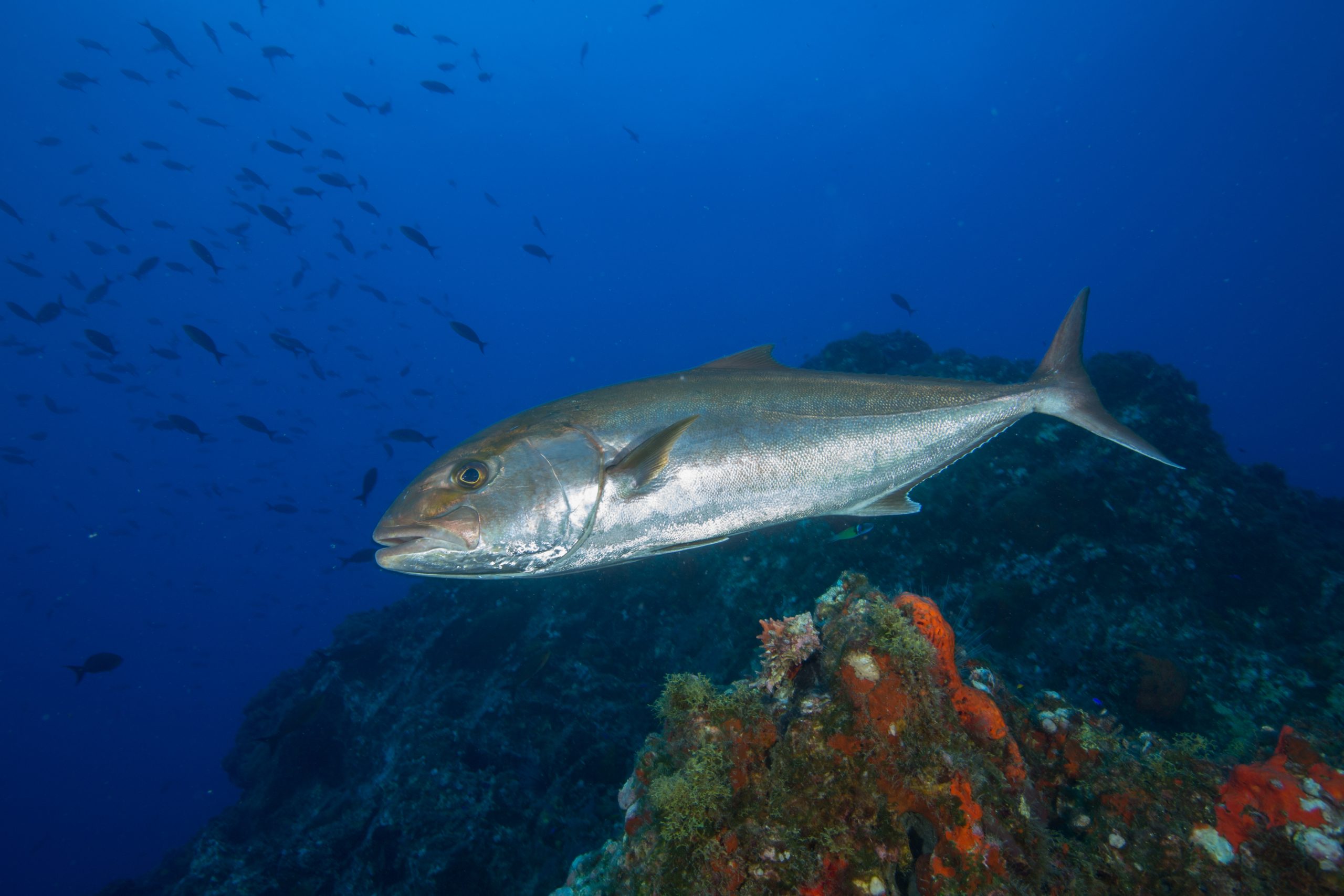
Greater Amberjack: They Get Called Reef Donkeys and It’s Earned
Greater amberjack start out under floating Sargassum and end up over reefs and wrecks, where the first run straight down decides most fights. They also take three or four years to mature, which matters when the biggest fish keep getting kept.
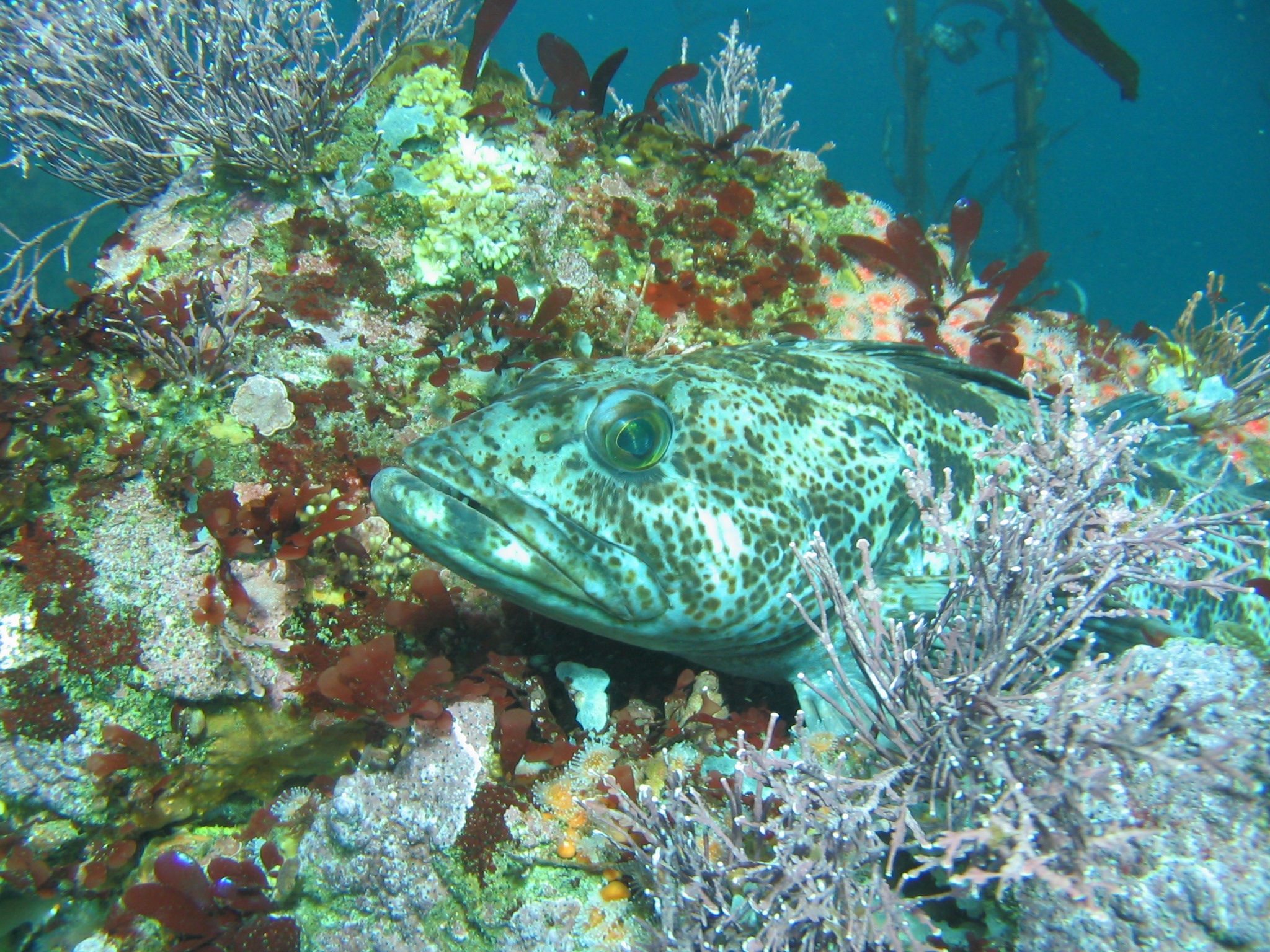
Lingcod Aren’t Cod, and the Mouth Proves It
Lingcod are giant greenlings with 18 serious teeth, and the males guard egg masses for eight to ten weeks. The deeper side of their pinnacle often belongs to yelloweye rockfish, so where the jig goes matters.
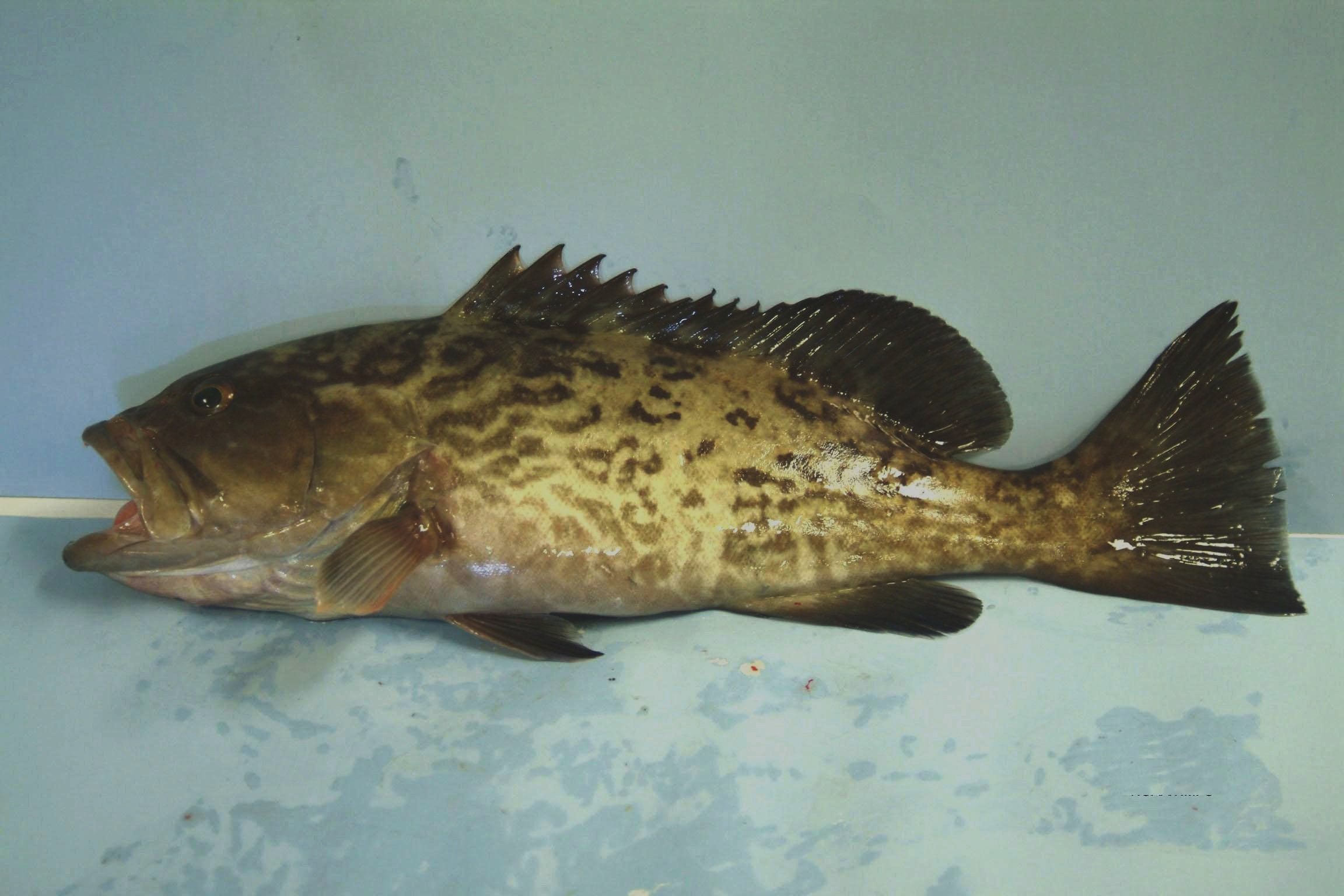
Gag Grouper: Three Seconds to Turn Its Head
A gag eats and heads back for the ledge before you’ve finished being surprised. Why it’s on that ledge at all starts in estuary seagrass and ends with males that may be only 2–3% of the Gulf stock.
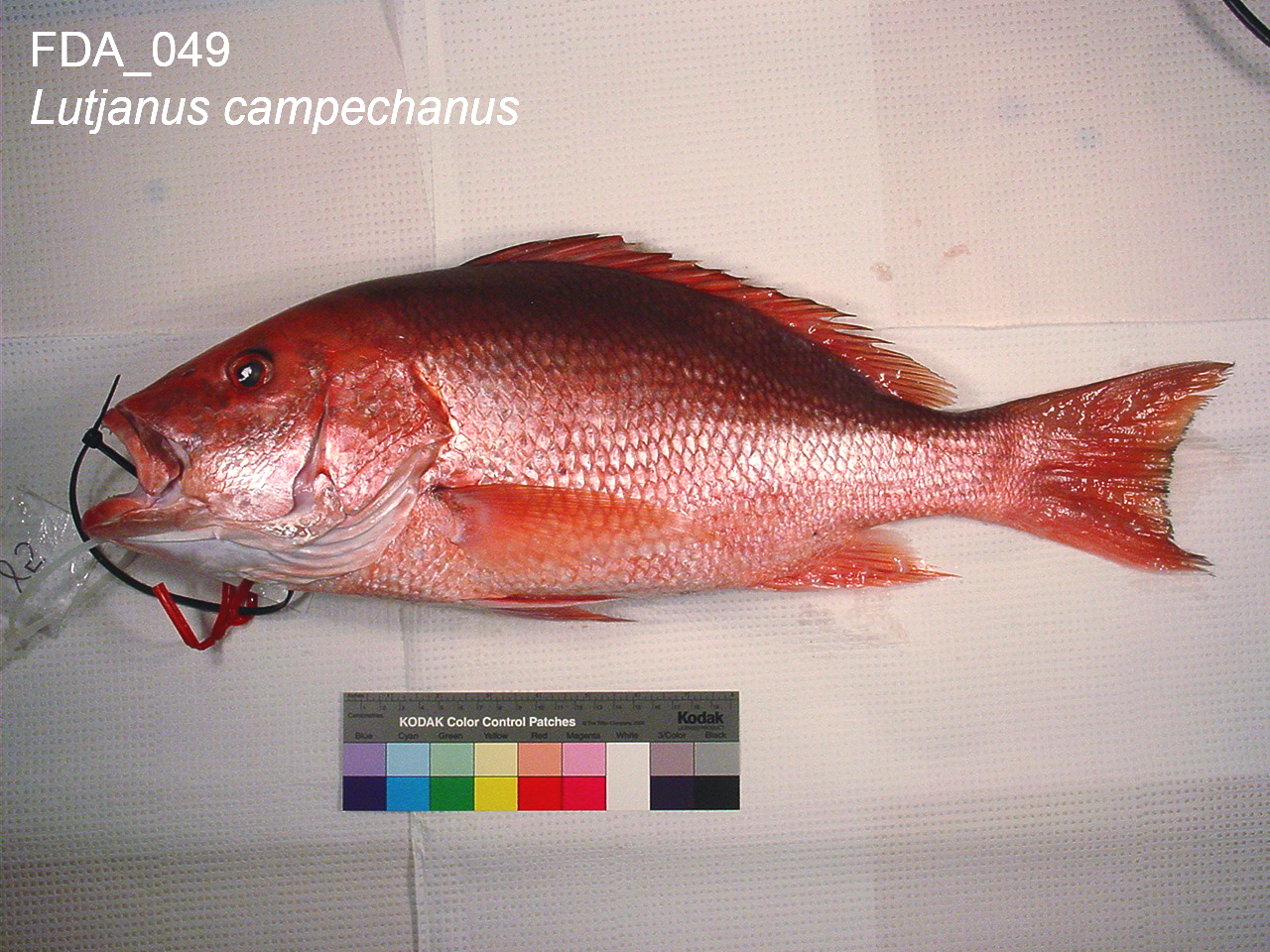
Red Snapper Can’t Always Swim Back Down
The hook comes out clean and the snapper still floats off the stern, pinned by gas that expanded on the way up. On this fish, the descending device deserves as much planning as the reef.
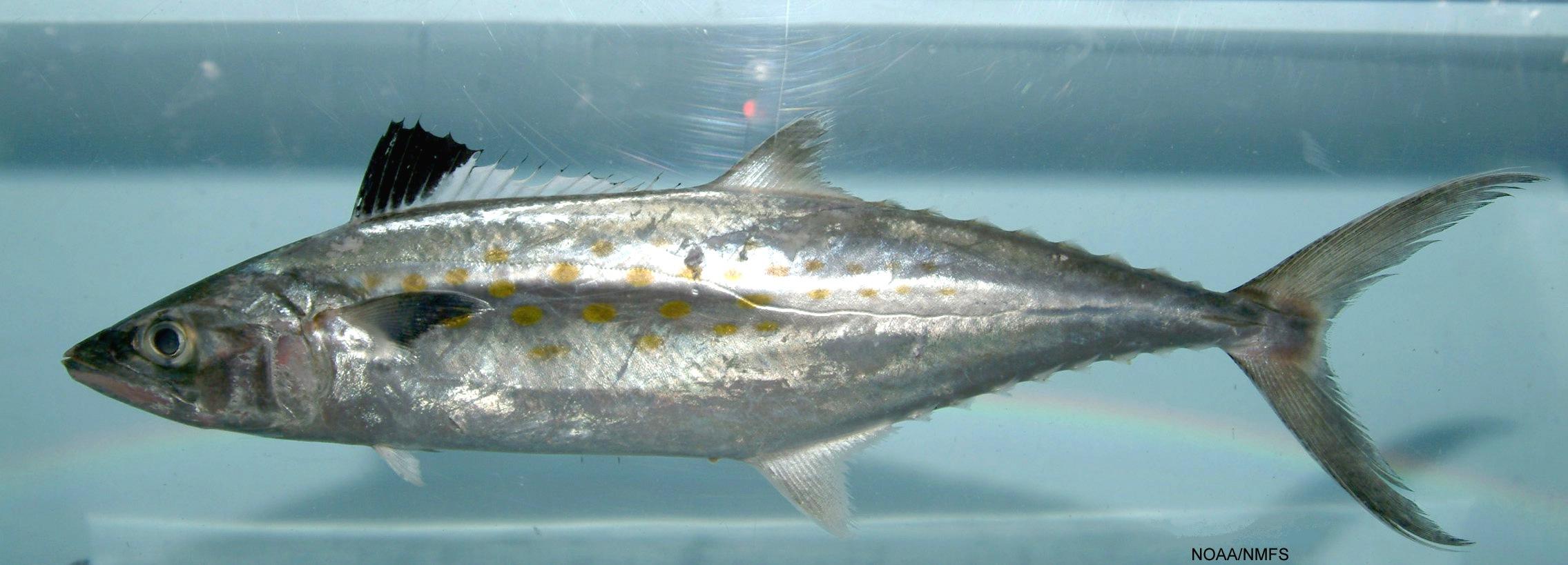
Spanish Mackerel Are Gone Before You Tie On
Spanish mackerel usually leave right about when you finish tying on. The lateral line separates them from a small king better than the spots do, and the teeth make leader material a real argument.

Summer Flounder: Buried in the Sand, Looking Up
A fluke buries in sand with both eyes on its left side and eats whatever swims over it. That upward ambush explains the bucktail, and the fall offshore spawn explains why the bay empties out.

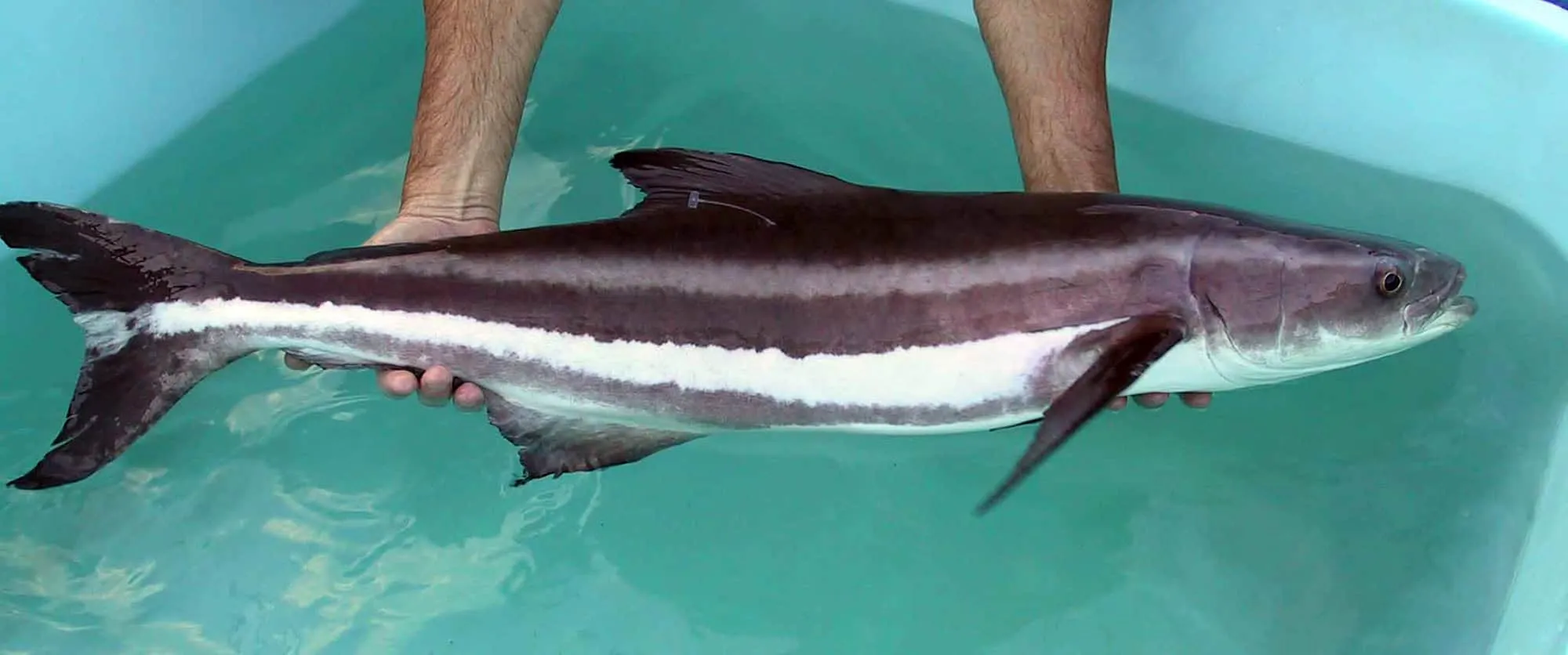
Cobia: Everybody’s First One Looked Like a Shark
Half the “sharks” cruising under a ray turn out to be cobia. Look for the ray or turtle first and the fish usually turns out to be the second shape you find.