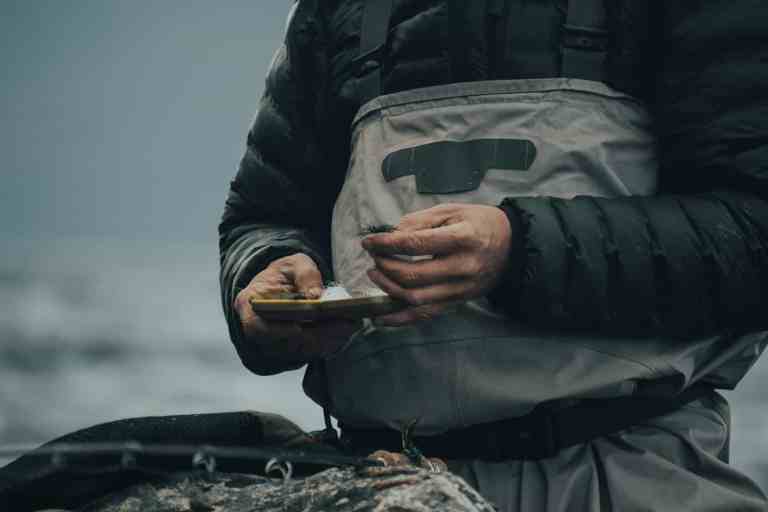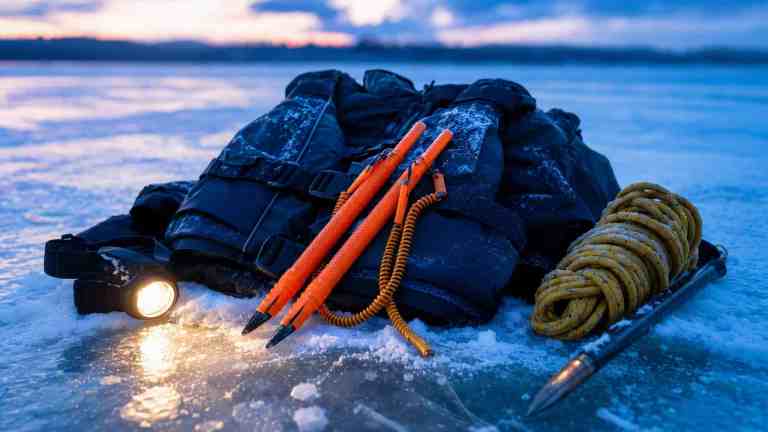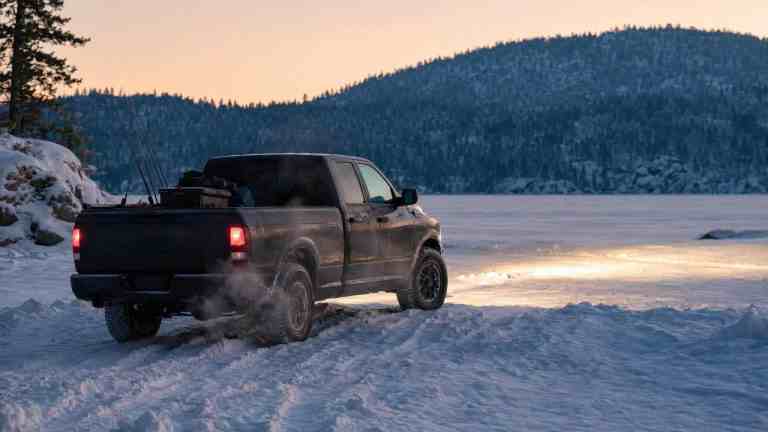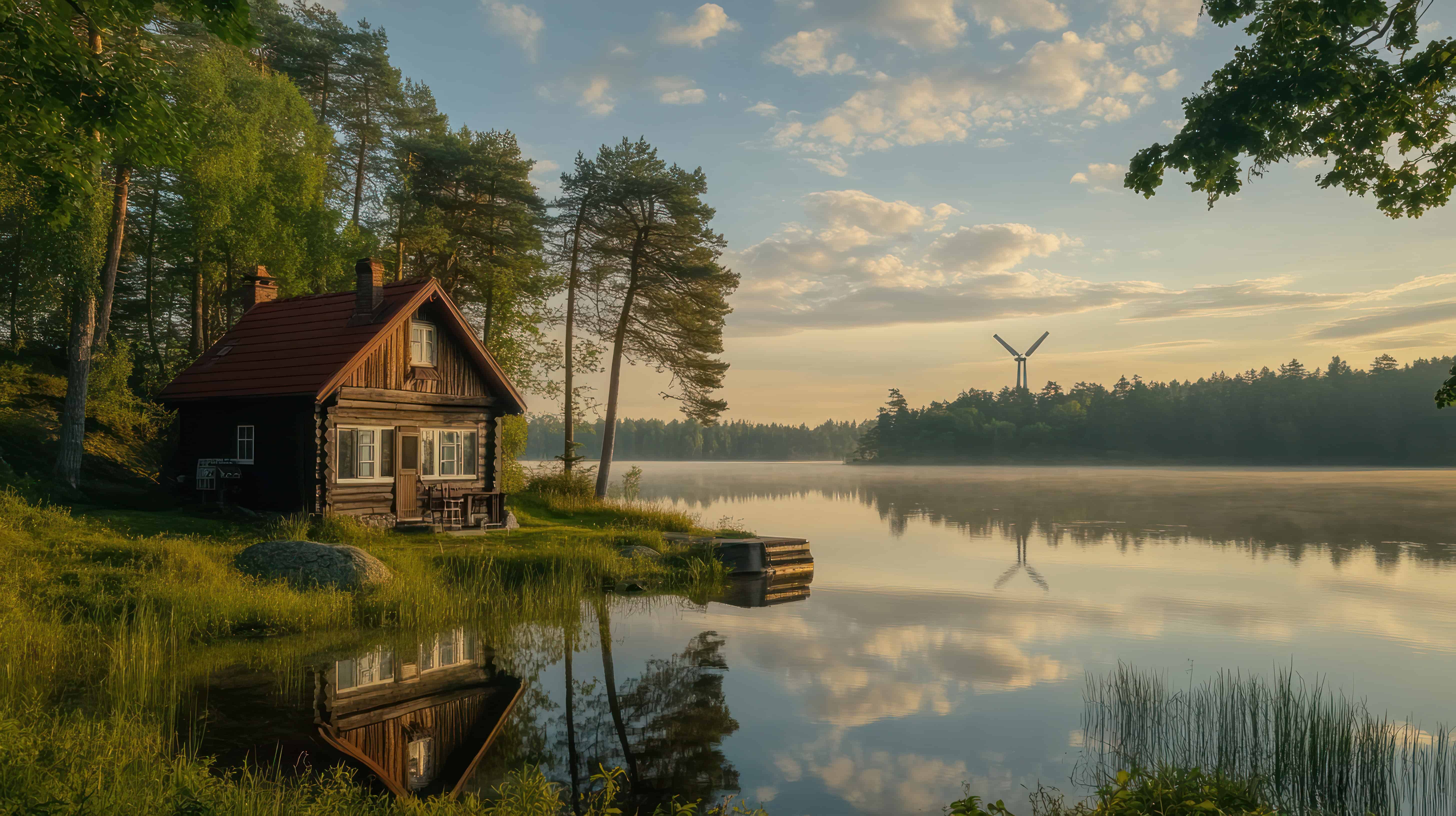
A good fishing story can turn into a spot drop by accident. Two paragraphs in, the whole thing is hanging off a turnout, a gate, and four hundred yards of bank that only a handful of people knew about. Now everybody who read it does.
The pin was never the lesson anyway. What somebody can actually use is the water type, the habitat, the light and current, what failed and what got changed after. None of that needs the parking pullout, the private route in, the spawning pocket or a set of coordinates. Leaving those out doesn’t make the story vaguer. It makes the rest of it do the work.
Is the name holding anything up?
Before naming a water, ask whether the name is load-bearing. Sometimes it is — a big public river, a well-known lake the piece is genuinely about. A lot of the time the story works just as well as “a small clear reservoir” or “a western tailwater,” and the name was just habit.
Use the least precise location that still lets the fishing make sense.
Habitat, not coordinates
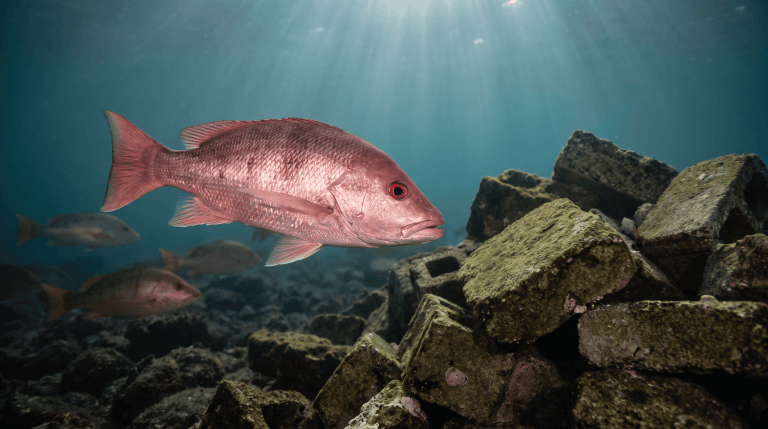
Say whether the fish were on an outside grass edge, a windblown point, a current seam, a shaded dock or an undercut bank, or whatever the actual relationship was, and give the depth, cover and forage clues where they matter. Somebody can carry that to their own water. A waypoint just tells them where you stood, which is the least interesting thing about the fish.
The order of decisions travels too. Sliding off the featureless middle of a flat to the edge where the weeds meet deeper water teaches the same thing whatever the lake is called.
Get nerdy about the presentation instead
Depth, speed, casting angle, weight, line control, how the retrieve moved — a story can get as specific as it wants there without giving away where anybody was standing. If a product mattered, say which property of it mattered. “It sank slow and stayed out of the weeds” teaches more than a brand name ever will.
Somebody else’s gate
No gate codes, informal permissions, private roads, landowner names, hidden parking, or routes that only work if you’re trespassing. If a landowner let you through, that permission was given to you, and it stays yours until the owner says otherwise out loud. One person’s favor shouldn’t turn into a line of trucks at somebody’s fence.
Water that can’t take the traffic
Spawning concentrations, thermal refuges, small wild-trout streams, restoration areas and rare-species habitat need actual restraint, not good intentions, with agency guidance and local regulations first. If naming one precisely could pile pressure onto something fragile, the fish end up paying for a slightly better paragraph. Bad trade.
Post it after you’re home
A live post tells everyone where fish are eating right now. It also tells them your truck, your campsite or your house is sitting empty. Post afterward unless the timing really adds something. If live posting is part of a job, like guide work or covering an event, agree ahead of time on what location detail is okay to share.
The background talks
Bridge numbers, marina signs, a distinctive building, road markers, a mountain profile, a ramp somebody would recognize — the caption can be careful while the background names the place anyway. Crop it or pick a different frame. Don’t invent a fake location; just leave out what the story doesn’t need.
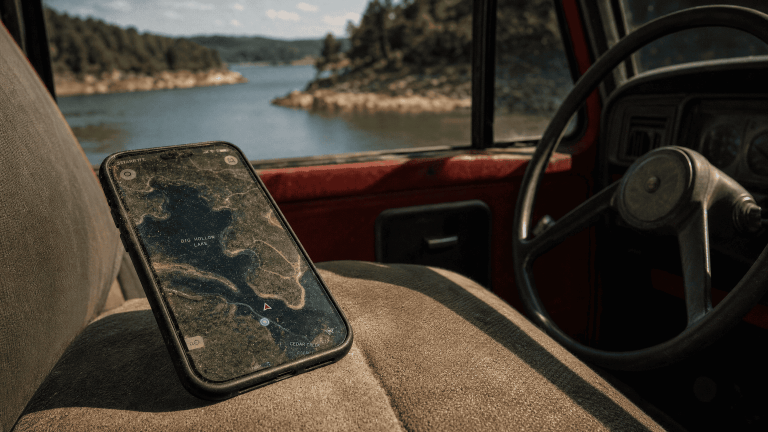
Sonar, mapping, weather and navigation screenshots can be worse, since they carry coordinates, track lines, waypoint names, lake names and contour shapes people know. Check every screen before it goes up. A cropped sonar shot still teaches how to read it.
Photos can also hold location and device metadata, depending on how they were shot and processed. Some platforms strip some of it. Don’t count on yours — check the privacy settings and pull the location data before anything goes public, especially from sensitive water or private land.
Clues that add up on their own
A place can get identified by combination even when no single detail gives it away: the only red bridge below a named dam, the third turnout after a particular store, a trail described closely enough to be the only one like it. Read the finished piece the way a motivated stranger would, because that stranger is weirdly good at this.
Region usually covers it. Climate, elevation, watershed type or a broad state or province can explain the season, forage, weeds and weather without handing over a spot. Put geography in because it helps somebody understand the fishing, not because a story feels naked without a dateline.
Keeping a spot quiet doesn’t mean hiding the rules
Protecting a location should never hide the regulations, access restrictions, permits, closures or safety information a reader needs, especially when the piece points at a named public water. Link the current official source. And privacy is never a reason to let restricted access look open. That one isn’t up for debate.
Credit
If a guide, a lodge, a conservation group, a landowner or another angler helped, ask how they want to be credited and whether they’re okay with the water being named. A business may depend on being found. A private person usually doesn’t. Nobody gets tagged into a location they never agreed to share.
What somebody takes to their own water
The best ending to a fishing story isn’t directions to the cast. It’s a question somebody can carry home. Where does shallow cover drop straight into depth? Which side of the point is the wind pushing bait onto? In moving water, where can a fish sit out of the fastest current and still be right next to the food?
Leaving the name out can feel like hiding something at first. What actually happens is the rest of the story has to get sharper, because the water, the conditions and the adjustment are carrying all of it now. That’s the version somebody can use on their own lake without ever needing to know where yours is.
FIELD OBJECT
This one should leave the page.
The article is the long version. These are the pieces worth carrying into the next trip.
The 30-second version
A fishing story can give away a spot before you notice. The water, the conditions and what you changed are the part somebody can use — the pullout and the pin never were.
What to watch
- Is the name holding anything up?
- Habitat, not coordinates
- Get nerdy about the presentation instead
- Somebody else’s gate
Field card
- Is the name holding anything up?
- Habitat, not coordinates
- Get nerdy about the presentation instead
- Somebody else’s gate
- Water that can’t take the traffic
RIGHT TOOL, NEXT
Field Ops Desk
Turn the field note into a pre-trip, on-water, or debrief decision instead of leaving it as reading.