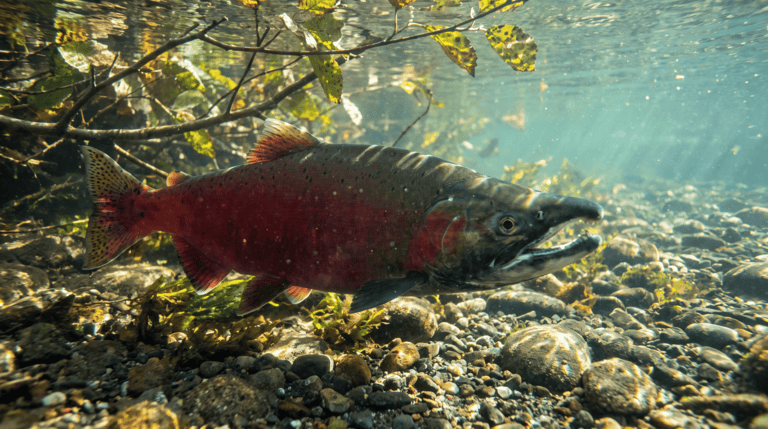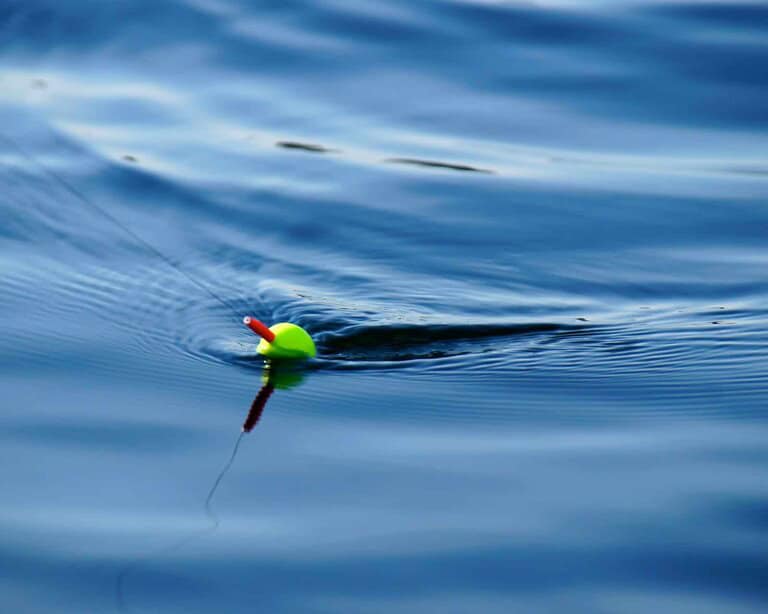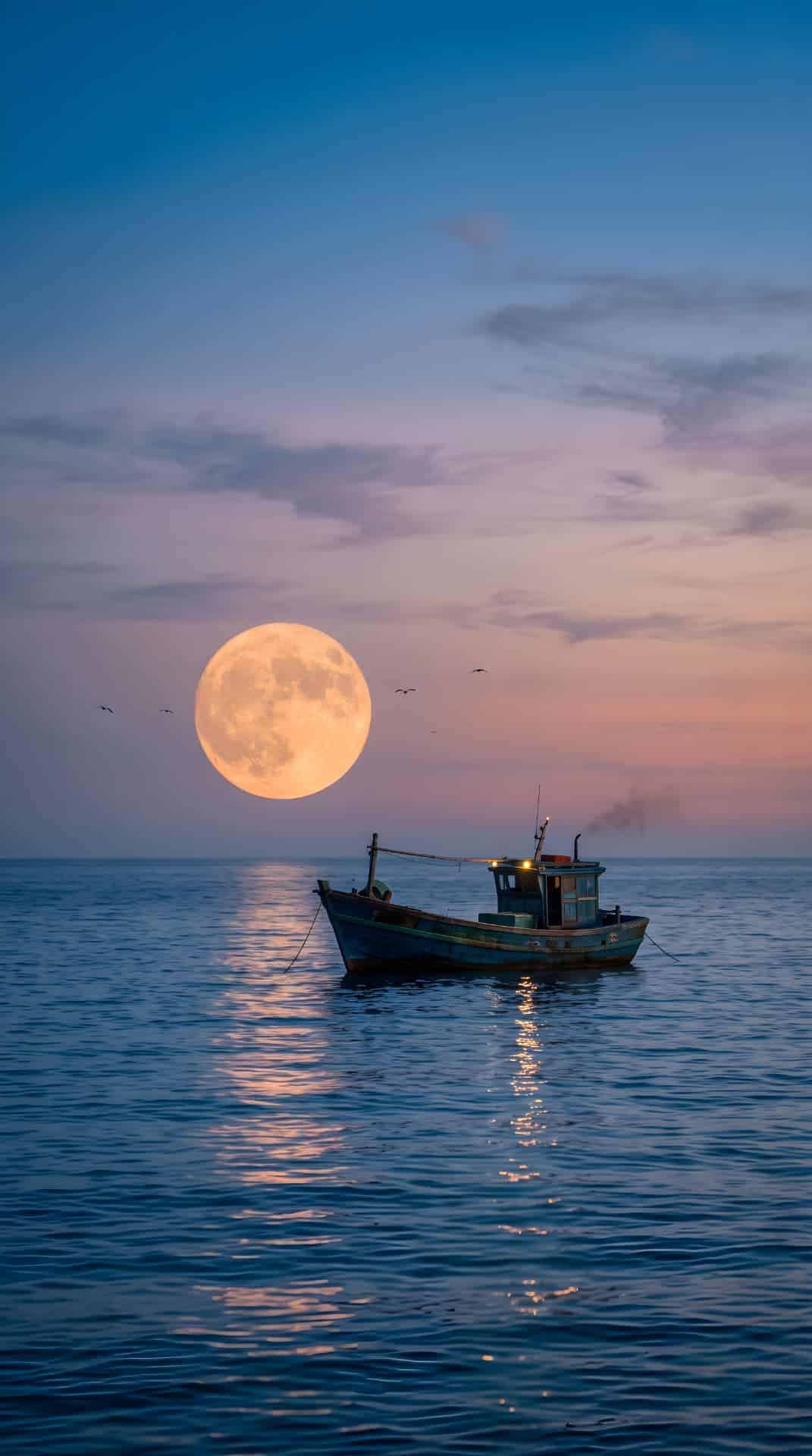
“Fish early and late” holds up fine right until the lake wakes up at 1:40 in the afternoon because the wind finally reached a point, a cloud slid over the sun, and bait started moving down the outside weed edge. Nobody’s alarm clock had anything to do with it.
FIELD PLATE · WIND
Wind redraws the fishable map.
Dawn and dusk can absolutely be good. They’re just not the only windows, and some days they aren’t even the best ones. A real window usually opens when a handful of things improve at once — light, wind, current, temperature, water level, forage, bugs, clarity, even how many boats are out.
The clock can get you to the lake. The water still has to give you a reason to stay, and that’s most of what reading water and finding fish comes down to.
Why dawn and dusk work often enough to feel like a rule
Low light makes shallow water feel less exposed, cuts glare, changes how predators and prey see each other, and gets some fish moving onto feeding routes they’d be nervous about under bright sun. Mornings and evenings also tend to line up with cooler water, bug activity, fewer boats, shifting wind and shade on the bank, so the pattern keeps collecting credit.
5:30 a.m. isn’t magic. The light change is doing the work, and the same kind of change can happen under clouds, chop, shade or a storm edge hours later.
What actually opens a window
Wind can open a window at noon
A dead-calm lake at noon turns into a different problem once the wind builds. Chop breaks up the light, water starts moving, and floating junk and bait get pushed around. A windblown point or bank can come alive if forage and structure line up right there. Whether a lake builds that wind every afternoon or sits glassy for days depends a lot on where it is, which is part of why fishing advice doesn’t travel well.
Too much wind wrecks boat control, muddies things up and makes a precise cast impossible. I’ll keep taking casts while I can still put the bait where I mean to. Once I’m fighting the boat just to hold an angle, the window’s closed, whatever the fish think about it.
Cloud cover can move fish without moving the clock at all
A bank that felt too exposed under direct sun can turn usable the minute clouds knock the light down. Shade lines soften, fish can roam farther off cover, and a bright shallow spot that was dead is worth another pass. Clouds don’t guarantee anything — clarity, species, depth and cover all get a vote — but a real light change is reason enough to retest water that was marginal an hour ago.
Temperature movement can open or close a window on its own
Shallow water warming through the morning can wake up a protected cove, and a hot afternoon can shut that same cove down. Overnight cooling resets where fish start the next day. On a river, a cool tributary can matter most during the hottest hours.
Where fish move as the water warms or cools handles the location side. For timing, watch for the moment a temperature difference gets big enough to actually move bugs, bait or fish.
Current and flow open windows that have nothing to do with sunrise
In moving water, food delivery changes when flow rises, falls or shifts — dam releases, tides where there are tides, tributary pulses, runoff, rain, a river coming up or dropping. More current doesn’t automatically mean more fish eating. Stronger flow can improve delivery in one seam while making the lie next door too expensive or too risky to hold.
Current turns into a feeding window when it’s carrying food past a spot a fish can sit in without spending the whole day just staying put. Finding fish in rivers as conditions change goes further into seams and flow.
Rain can fix one condition and wreck another at the same time
Light rain can cut surface visibility, cool shallow water, wash in food or bump runoff. Heavy rain can muddy everything, raise flows, drag debris through, cut off access or get genuinely unsafe.
“Fish bite before rain” gets told at boat ramps like it’s settled science. Rather than trusting it, watch what the rain is actually changing — clarity, inflow, temperature, level, current, wind — and keep one eye on lightning and on whether you still control the situation you’re in. A weather window stops being a fishing window the second the safety margin disappears.
Insects and forage can open a short window fast
A hatch coming off, bait pushing onto a flat, birds working one stretch, the same swirl showing up twice — any of it can turn dead water productive with almost no warning. What to do when the lake suddenly starts feeding covers the moment itself.
The habit that pays off longer is writing down what happened right before it opened. A wind shift? A shadow line moving? Bait showing up, or a temperature swing? The visible feeding is usually the last clue, not the first.
Boat traffic and pressure build their own timing patterns
Some water fishes differently before the recreational traffic starts, after it settles, or once all the disturbance pushes fish toward deeper cover and quieter edges. That doesn’t turn a busy lake into a dawn-only lake. It just means noticing whether the good water keeps getting worse as the wakes, engines, bank traffic and repeat casts pile up.
Night is its own window, not just a darker evening
Darkness can pull some fish shallower, change how confidently they feed and clear out the daytime traffic. It also takes away most of what you can see, and it raises the stakes on navigation and handling.
Night fishing with a headlamp and the correct amount of confidence is the safety-and-execution side. A night pattern only counts if access, lighting, navigation, fish handling and the way home are all still under control.
Barometric pressure gets more credit than it earns
People tie bite changes to pressure, fronts and storms pretty fast. But a weather system moves wind, clouds, temperature, rain, light and water all at once, and pressure is just the number that’s easiest to write down. If you log pressure, log the rest too, or one number ends up taking credit for a whole front it didn’t cause by itself. It’s context. It isn’t permission to stop watching what the water is doing.
A conditions window beats a clock window
Picture two evening trips, same lake, same time. On one, the water’s calm, bright and still warming after a hot day. On the other, a steady wind is pushing into a point under clouds while small bait shows along the break.
Both are “evening.” Only one of them is a window. The conditions are the part worth writing down, because they’re the part that can show up again on a different day — on this lake or when you’re working out a lake you don’t know.
Keep the condition, not the clock
A window log worth actually keeping
You don’t need twenty fields in a notebook. The time, the light, wind direction and whether it swung, the temperature trend where it matters, flow or level, clarity, what the bait or bugs were doing, the depth-and-cover combination fish actually answered, and what ended it. That’s plenty.
“Good from 6:15 to 7” is a nice memory and not much else. “Started once the west wind reached the outside weed edge and the clouds cut the glare” is something you can go test again.
Give the return trip an actual reason
If a spot was dead earlier, don’t go back at random. Go back when something real changed on it: the wind reached the bank, the sun dropped behind the ridge, the water started rising or falling, bait showed up, the boats cleared out, a release kicked on. Then the second visit is a comparison instead of wishful repetition.
Where that leaves dawn
Still a great place to start. Low light changes fish behavior and shallow-water access often enough to count on. But real fishing happens at midday, after a wind shift, during a flow change, under clouds, around a bait push, or whenever a temperature move makes one piece of water usable.
A window only matters if fish have a reason to be there and you can still put something in front of them cleanly. Sometimes that lines up with sunrise. Sometimes it shows up after everybody who set an alarm for 4:30 has packed up and gone home for a nap.
Sources
Low light, flow, temperature and weather all move fish, but none of them guarantees a bite. The timing logic here was run against Minnesota DNR walleye guidance and USGS research on habitat use under changing temperature and discharge; Research and Standards is where the evidence rules live.