The Method · 2 of 6. Read these in whatever order you want. The habit is the only part that has to stick.
New water, and nothing’s biting. So the lure changes, then the color, then you walk fifty yards down the bank, and somewhere in there a different rod comes out of the truck. Twenty minutes later six things are different and not one of them got tested cleanly. The only thing you really proved is that the tackle bag zips.
The fix is boring. Slow down and ask one question the water can actually answer.
What counts as one variable
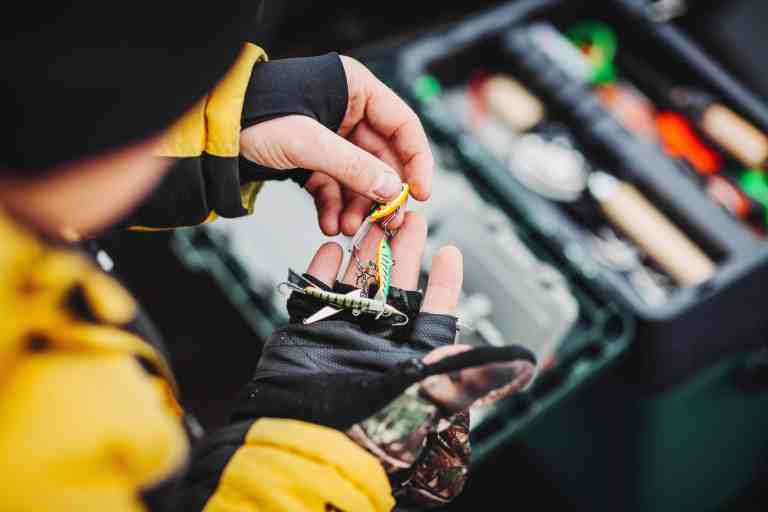
A variable is one thing you change while everything else holds still — retrieve speed, depth, leader length, where the lure lands, how long it hangs in the strike zone. “Try a different lure” is usually four variables wearing a costume: profile, weight, color and how it swims, all swapped at once.
If you can’t say what changed, you can’t say what the test taught you.
Give the first idea a fair shot
One cast isn’t a test. You need enough repeats in the same kind of water to know whether the lure is even doing the job you think it’s doing. A fouled hook is a result. So is a lure riding too high, ticking grass, or swinging out of the seam — those just aren’t fish.
On a pond that might be one jig in one color along the same bank, fished at three retrieve speeds. A river is closer to the same fly in the same seam at two depths. Off a jetty I’d keep the bucktail and the current seam and only change the cadence, two of them, not five.
If you only get one evening a week on the water, spending it on retrieve speeds probably feels like you’re wasting the good hours. You’re not. The evening where everything got swapped is the one you can’t learn anything from.
What a blank stretch is worth
Nothing happening is still a result if it changes what you do next. “They’re not on this edge at this speed” goes in the notebook. “Nothing worked” is a mood, and moods don’t need writing down.
The fish don’t owe my theory anything. If an idea’s failing I’d rather find out early and make the next test smaller instead of louder.
One fish isn’t a verdict
A good fish doesn’t prove the lure, and a dead half hour doesn’t kill the pattern either. I’m trying to guess less. Winning an argument with the water was never really on the table.
Keep what you saw separate from what you figured, and leave the stuff you don’t know marked as unknown. A surprise stays a surprise until it happens more than once.
Before the next trip, write the one variable you’re testing on a card and leave it on the dash where you’ll see it when you park. After that, piece three: tackle as a chain.
Back to The Method · How to test a lure without hijacking the day
FIELD OBJECT
This one should leave the page.
The article is the long version. These are the pieces worth carrying into the next trip.
The 30-second version
Most of a bad first hour on new water is six changes that never got tested. I’d rather pick one, give it a fair shot, and leave actually knowing something.
What to watch
- What counts as one variable
- Give the first idea a fair shot
- What a blank stretch is worth
- One fish isn’t a verdict
Field card
- What counts as one variable
- Give the first idea a fair shot
- What a blank stretch is worth
- One fish isn’t a verdict
RIGHT TOOL, NEXT
Field Ops Desk
Turn the field note into a pre-trip, on-water, or debrief decision instead of leaving it as reading.