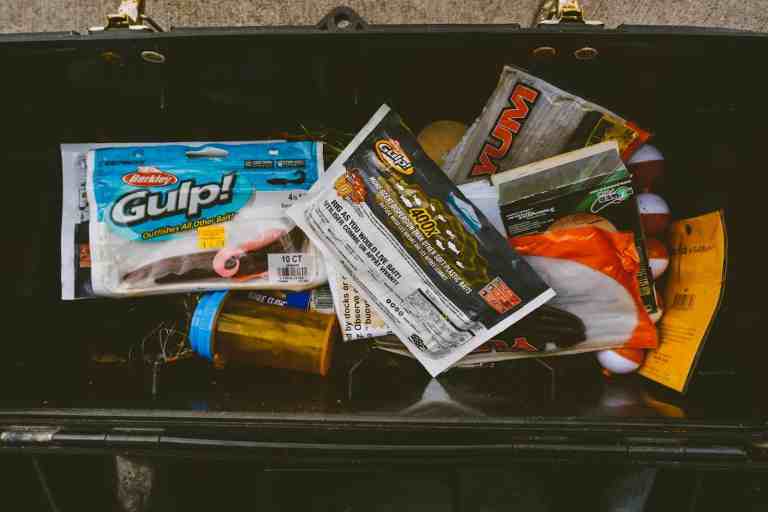
A beginner can build a pretty impressive pile of fishing gear before learning much about fishing.
It’s easy to see how it happens. First trip goes badly, so maybe the lure was wrong. Second trip goes badly, so maybe it was the rod. Third trip has wind, annoying line, and no bites, and now electronics start looking suspiciously necessary. By trip four there are three receipts, two unopened packages, and still no clear answer to the original problem.
I like gear. I can spend way too long looking at rods, reels, line, and electronics because the differences are interesting. Buying equipment isn’t the problem. Buying before you know what failed is. There’s a longer version of that argument if you want it.
A bad trip can mean almost anything
Say somebody fishes a new lake for three hours and catches nothing. They stood at one access point and cast to one bank, mostly shallow, changing lures every fifteen minutes and fighting a crosswind the whole time.
What did that trip prove?
Not much about the lures, since they changed too fast to learn anything from any of them. Not much about the lake either, because one bank isn’t a lake, and most of the water column never got fished. The wind mattered, but even there the real question is whether the problem was casting distance, line control, how fast the lure was moving, or just standing in a bad spot.
Buying a new lure after that trip feels like doing something. It also lets everything else off the hook.
The first trips are better used as experiments
I’d rather have the first ten outings answer ten useful questions than produce ten new tackle purchases. That doesn’t mean handing each trip a school worksheet and refusing to have fun until the homework’s done. It just means going out with one thing you especially want to figure out.
One trip might be mostly about access. Where can you actually get to the water without spending half the day climbing through brush or finding out the shoreline on the map is private? Another might be about casting in wind, or what a jig feels like at six feet compared to fifteen. You could spend one just learning to keep a moving bait at the same speed instead of speeding up every time your attention wanders.
None of that’s glamorous, but it carries over. Once you can tell when your bait touches bottom and notice when the wind has changed what your lure is doing, that goes with you to the next lake and the next species.
A new lure can’t do that part for you.
Change one thing long enough to notice it
Early on, the hardest part is resisting the urge to change everything at once. It’s the whole problem with testing a new lure without wasting the session. If you move spots, switch lure type, change color, add weight, speed up the retrieve, and then get a bite, what did you learn?
You learned that a fish bit after a whole pile of things changed at once. That’s still better than nothing, but it isn’t a very clean answer.
If the water looks right but the lure’s running above the zone you want to fish, change depth first and give it enough time to matter. If the presentation keeps blowing sideways, fix line control before deciding the fish hate the bait. And if you can see bait around but can’t keep your lure near it, work on placement before color.
Fishing’s messy enough that you won’t isolate every change perfectly, and you don’t need to. Just slow the changes down enough that the next result still has something attached to it.
When buying something actually makes sense
Sometimes the answer really is equipment.
If the same limitation shows up three trips in a row, I start taking it seriously. Maybe you keep finding fishable water your setup can’t cast to, or the cover’s heavy enough that your hooks and line are a bad match. Maybe your lures just won’t stay down in the deeper water you’re trying to fish, or your only rod really is too stiff or too light for what you keep asking it to do.
That’s different from buying something because nothing bit.
The honest version sounds like: I’ve hit this same wall several times now, and this specific thing would fix it.
Now the purchase has a job, and later you can tell whether it did it.
Ten trips should leave you with better questions
After ten outings, you’re not supposed to have fishing solved. It’d be a pretty disappointing sport if ten afternoons finished it.
You should know more about what you can control, though, like which access points are actually worth it and what wind does to your line. You’ll probably also have a better feel for which changes tell you something and which ones are just noise.
You should also have a few things you still don’t understand. Good. Those make better shopping guides than frustration does.
If ten separate trips keep blurring together in your head, First 10 Trips gives them a common structure: the question you carried in, what you actually saw, what changed, and what deserves another test. The gear can wait until one of those trips gives it a real job.
FIELD OBJECT
This one should leave the page.
The article is the long version. These are the pieces worth carrying into the next trip.
The 30-second version
A bad outing can point to a gear problem, but it can point to plenty of other things too. The first ten trips work better as questions than as shopping lists.
What to watch
- A bad trip can mean almost anything
- The first trips are better used as experiments
- Change one thing long enough to notice it
- When buying something actually makes sense
Field card
- A bad trip can mean almost anything
- The first trips are better used as experiments
- Change one thing long enough to notice it
- When buying something actually makes sense
- Ten trips should leave you with better questions
RIGHT TOOL, NEXT
Field Ops Desk
Turn the field note into a pre-trip, on-water, or debrief decision instead of leaving it as reading.