
Because the fish is right there and something has to be said. It won’t answer. That has never once stopped anybody from negotiating with one, apologizing to it, issuing a formal warning, or asking it to please behave for ten more seconds.
The talking almost certainly does nothing to the fish. It does something to you. Saying the problem out loud slows the moment down enough to show you what you were actually thinking, and now and then it stops your hands from doing something dramatic and unhelpful.
The sentence names what your hands were already going to do
Slow down. Keep pressure. Let it sink. One more along that edge. Hear yourself say any of those and you’ve just turned an observation into an instruction, which makes the next action explicit instead of accidental. That’s worth something during a strike, a fight, a difficult drift, or the last cast before you move.
The less useful version is complaining on a loop while making the identical cast. Fish don’t get any better after hearing they’re being difficult. When the commentary starts repeating, take that as the signal to look at the angle, the depth, the speed — or at what you expected to happen here in the first place.
Excitement narrows the picture
You lock onto the fish and stop tracking the line angle, your footing, the current, the branch behind you, the net, the person standing three feet away. A short spoken cue puts the missing piece back, whether it’s clearing the line, moving your feet, or waiting for the net instead of lunging at the fish with it.
Nobody’s ever won a fish fight through sheer strength of vocabulary. But one clear instruction beats three panicked ones.
Say what happened, not why
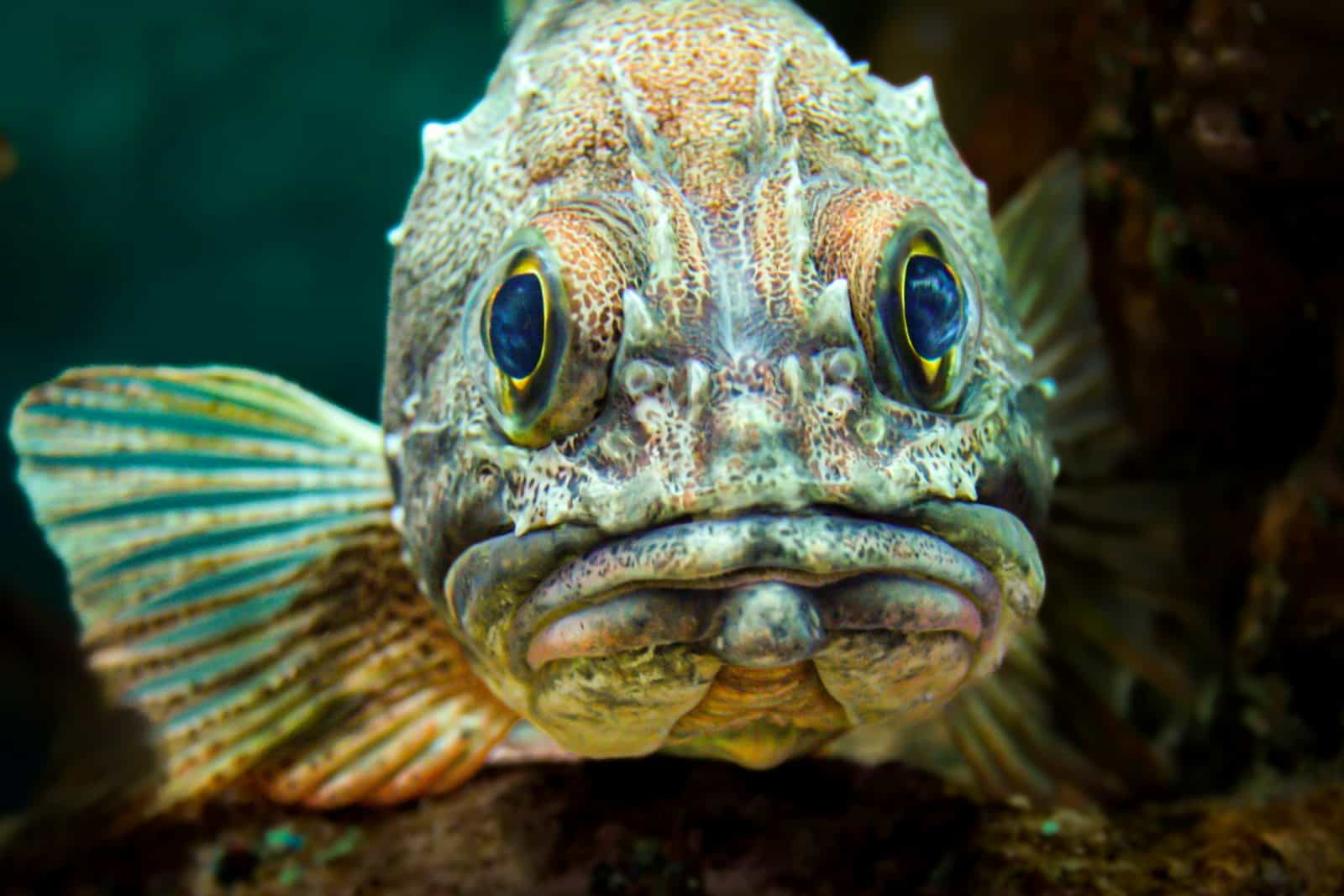
Anglers jump from “something happened” straight to “I know why,” usually inside a second. Saying the observation out loud, plainly, slows that jump down. The line moved sideways. The lure stopped before it reached bottom. A fish followed and turned off. Those sentences are stronger than the stories that get built on top of them thirty seconds later.
Once the observation is clean, the next test gets smaller. Change the depth, the angle, the pause, the profile — instead of inventing a full theory about the mood of every fish in the lake.
“Come on, fish”
That one is morale. “The lure is rising too early” is a physical problem you can test. Both are allowed. Only one of them changes anything.
Try narrating nothing but what you can actually see for a few casts. The line bows left in the wind. The jig touches bottom after six seconds. The float stops traveling with the surface foam, or the fish follows right up until the lure speeds up near shore. Keeping the evidence apart from the explanation for that long is usually enough to produce a cleaner adjustment.
If the next words out of your mouth are “so the fish must be,” slow down again. The water often supports several explanations at once. Hang on to what you saw and hold the theory loosely.
The hat can stay
Lucky hats, odd phrases, ceremonial last casts. All harmless, and honestly part of why this is fun. They only turn into a problem when they crowd out a real explanation. A bite right after you changed seats might be luck. Moving also changed your casting angle, your depth, your shadow on the water, and how much noise the boat was making under you.
Keep the lucky hat. Just don’t let it do the thinking for you.
Resets
A reset has to be short enough to remember while something important is happening. Watch the line. Let it reach depth. Check the way back. One sentence you can actually run beats a lecture you can’t.
Name the next job, not how you feel about the last one. That’s the difference between a reset and a grudge.
The fish doesn’t need the speech. You might. Keep it short enough to improve the next decision.
When somebody’s fishing with you
In a boat, on a bank, or standing next to a kid who’s learning to cast, saying what you’re seeing keeps everybody working from the same picture. “The wind is pushing us off the edge” is worth more than silently correcting the boat every thirty seconds. “Fish are following but not eating” gives the next person a reason to change speed or size instead of starting from nothing.
Keep it descriptive, not bossy. A running commentary on what everyone else is doing wrong turns into noise fast, and if the person beside you is new, it turns into something worse than noise. Name the shared condition, the safety issue, or the next experiment — then leave enough quiet for somebody else to spot the thing you missed. They will, and often before you do.
The sentence you keep saying
Repeated language exposes a recurring weakness. Keep saying “too much slack” and the problem is probably line control. If every single fish produces “don’t rush the net,” your landing plan is starting too late. And if every dead stretch ends with “they’re not here,” you may be turning a very small sample into a very large conclusion.
Write the repeated phrase down after the trip. It’s often a better field note than the catch count, because it names the decision that keeps asking to be fixed.
End it in a decision
Talking earns its keep when something observable changes: the cast angle, the depth, the slack, where you land the fish, the choice to move or to stop. If the same speech has produced the same cast for twenty minutes, the fish isn’t the only unhelpful conversationalist out here.
Keep the jokes, and the strange negotiations with a creature that has never once held up its end. The two kinds of talk never fully separate on the water anyway — morale bleeds into the diagnosis and back again mid-fight. I’d just put the diagnostic sentence first and let the other one ride along for free, because only one of them has ever changed what my hands did next.
Part of Field Library.
FIELD OBJECT
This one should leave the page.
The article is the long version. These are the pieces worth carrying into the next trip.
The 30-second version
The fish never answers, and anglers keep talking anyway. Said plainly, one short sentence can slow the moment down enough to point your hands at the next job.
What to watch
- The sentence names what your hands were already going to do
- Excitement narrows the picture
- Say what happened, not why
- “Come on, fish”
Field card
- The sentence names what your hands were already going to do
- Excitement narrows the picture
- Say what happened, not why
- “Come on, fish”
- The hat can stay
RIGHT TOOL, NEXT
Field Ops Desk
Turn the field note into a pre-trip, on-water, or debrief decision instead of leaving it as reading.







You must be logged in to post a comment.