The Method · 4 of 6. The good hour usually isn’t the one I miss. It’s the one I keep fishing long after it ended, because leaving would mean admitting it’s over.
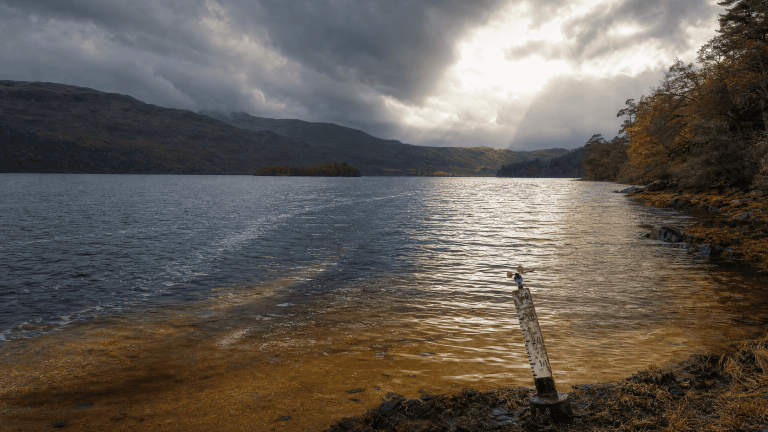
A fishing day isn’t eight equal hours. Light, wind, tide, boat traffic, temperature, and my own attention all move around. Somewhere in there is a window — a stretch where the water’s actually giving you a look — and most of the work is noticing it and then being honest when it shuts.
What a window actually looks like
Nothing magic. Just a few conditions lining up long enough to matter.
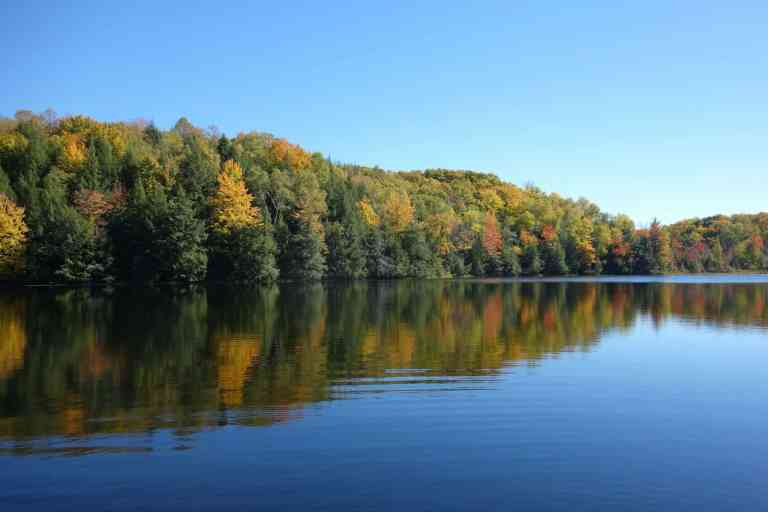
On a pond it might be the last hour of wind stacking into a reed edge before the breeze quits and the surface goes flat. A river’s version is more like a hatch or a shade line that lasts forty minutes instead of the whole afternoon. Reservoirs do it on a wind-driven point that turns on right after the main basin chops up. And on the coast it’s the last of the falling tide pulling bait off a flat, followed by slack water that makes the same spot feel empty ten minutes later.
I’ve missed plenty of these. The part I’m still working on is spotting the second window instead of grinding the first idea into the ground.
When a window closes on you, it can feel exactly like you suddenly forgot how to fish — same cast, same fly, and now nothing. A lot of the time the cast didn’t change. The water did.
When leaving is the smart move
Packing up isn’t quitting. It means the question you came out to ask got an answer, even if the answer is “not here, not now.”
Some things end the day no matter what the fish are doing. Lightning isn’t a window, and neither is a ramp that’s getting dangerous. A bite that’s stayed dead through two honest tests, in two kinds of water, with a presentation I can actually control — that’s usually the window moving, not the fish hiding from me personally.
A long stretch of nothing isn’t a reason to change six things at once, either. It’s a reason to figure out the one thing I actually learned, then either stay with a better question or go home with the notes.
What this doesn’t prove
Leaving early isn’t a toughness problem, and staying until dark doesn’t make anybody more dedicated — the fish aren’t keeping score on that. What actually makes it to the next trip is the notes.
Before your next trip, write down what’s going to end the day: weather, darkness, a blank of a certain length, or a safety line you won’t cross. Then read piece five, on labeling evidence.
Back to The Method · Twenty minutes before the ramp
FIELD OBJECT
This one should leave the page.
The article is the long version. These are the pieces worth carrying into the next trip.
The 30-second version
The good stretch of a fishing day is shorter than it feels, and the harder half of fishing it is noticing when it's closed and actually leaving.
What to watch
- What a window actually looks like
- When leaving is the smart move
- What this doesn’t prove
Field card
- What a window actually looks like
- When leaving is the smart move
- What this doesn’t prove
RIGHT TOOL, NEXT
Field Sense Navigator
Take the article’s water or access question into a place-specific conditions and route check.