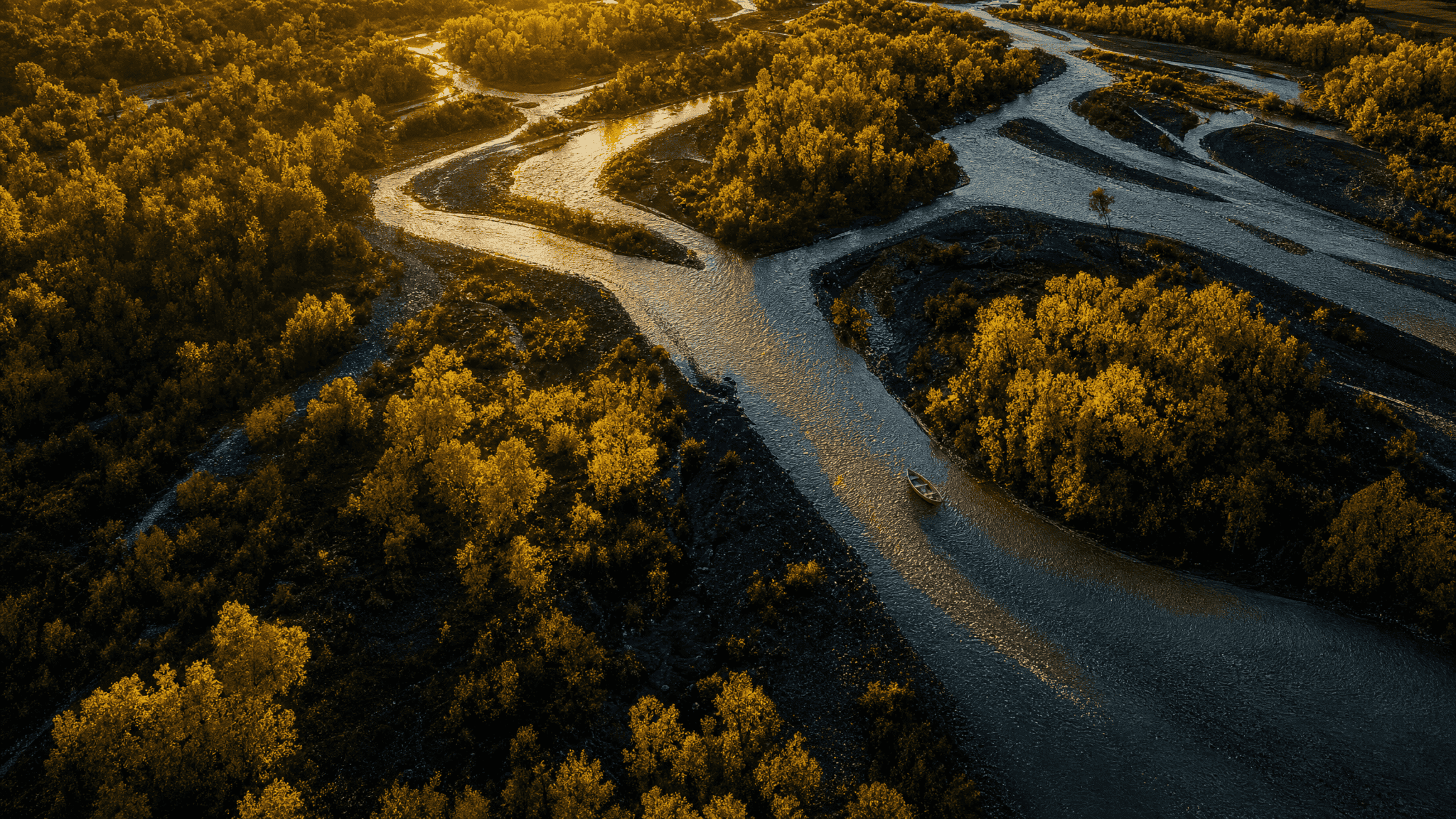
The Method · 6 of 6. I don’t think you need every article in this series. You need the habit of asking a better question and testing one thing at a time.
Conservation isn’t a costume I put on for the last paragraph. It sits right next to wind and access when I’m figuring out where to go, and what to say about it afterward. Location privacy works the same way. I’ll describe how water works. I won’t hand out the living room.
What I won’t publish
No exact private coordinates, and nothing that describes sensitive spawning or staging water tightly enough for a post to crowd it. Somebody else’s honey hole doesn’t get dressed up as a “public tip” either. I won’t use generated pictures pretending to be a catch — I’ve seen enough of those to know how fast they spread — and there are no hidden sponsorships.
Named public waters are fair game when they’re already public and the description stays useful without turning into a pin drop. The check I run on a piece before it goes anywhere is whether the paragraph I just wrote could be typed into a map and dropped on the water. If it could, that sentence gets cut before the regulation citation ever would, and I go find another way to make the same point.
What conservation looks like on a regular day
Mostly it’s boring. I check the regulation for the stretch I’m actually standing on, not the one I remember from last season. Fish go back still looking like fish. When the rules or the season say to stay off redds and beds, I stay off them.
The rest is chores. Clean the trailer bunks so you’re not hauling weeds and hitchhikers to the next ramp, and pack out the line pile — yours and whatever you find. Landowners and other anglers are part of the water too, not scenery you’re fishing around.
If the regulations booklet reads like a tax form the first time you open it, you’re not missing something everybody else gets. Find the section for the water you’re on and start there.
Access is shared, and it’s fragile
A muddy hole at a gate, a truck parked across a ramp, a cut fence, a drone over somebody’s private dock — access usually doesn’t vanish all at once. It goes one of those at a time. Part of the method, to me, is leaving a place able to take the next person. That next person might be me in October.
What this doesn’t prove
Handling fish carefully doesn’t make me morally taller than the guy down the bank who’s doing it differently. It makes the fish and the access more likely to still be there next time, and that’s reason enough.
What I’d actually do next: read the privacy boundary I try to hold to. Then either walk through the water-type frames or write one short field note that tests a single thing on water you already have permission to fish.
That’s all six pieces. There’s no graduation. You just have a cleaner way to start the next hour.


