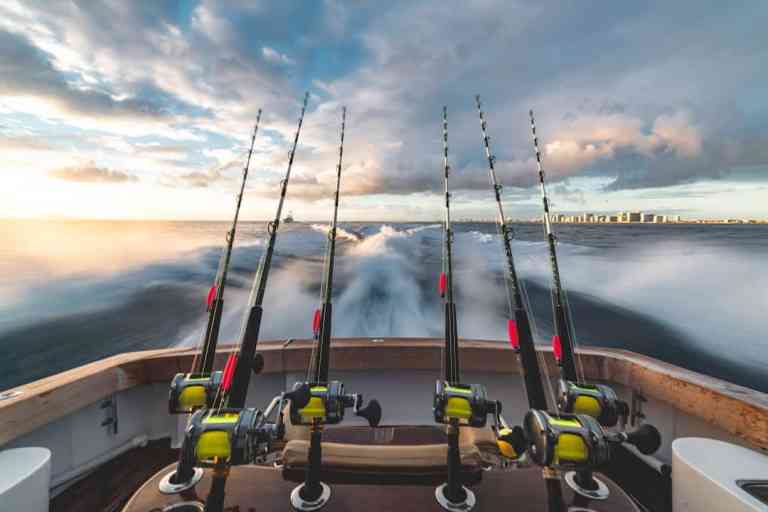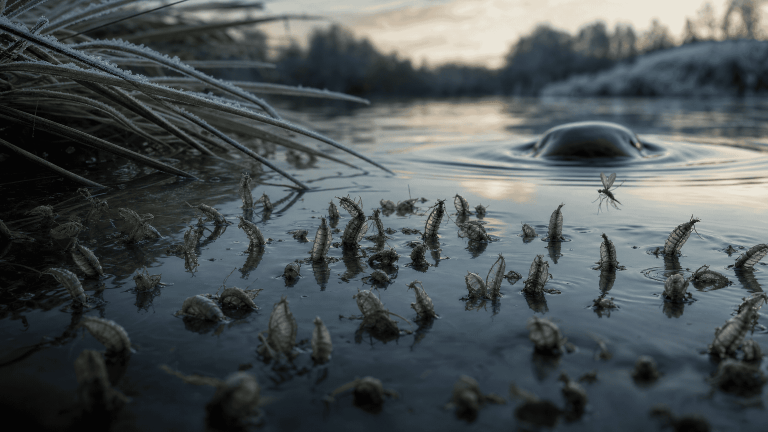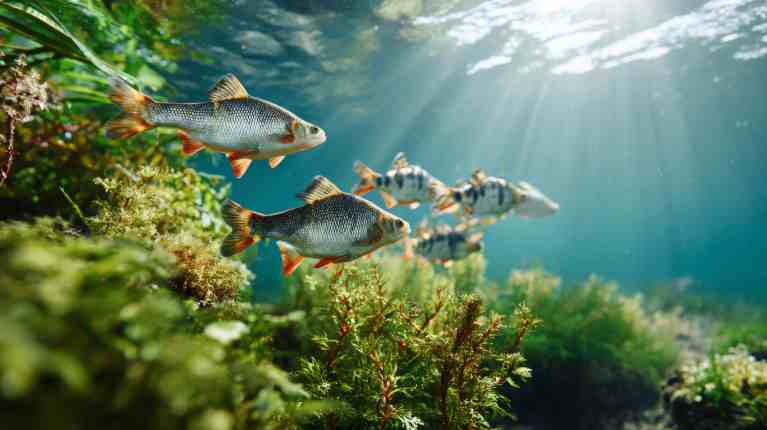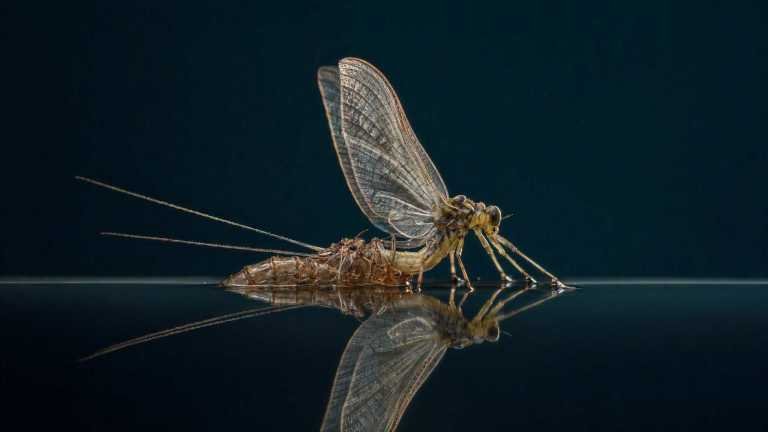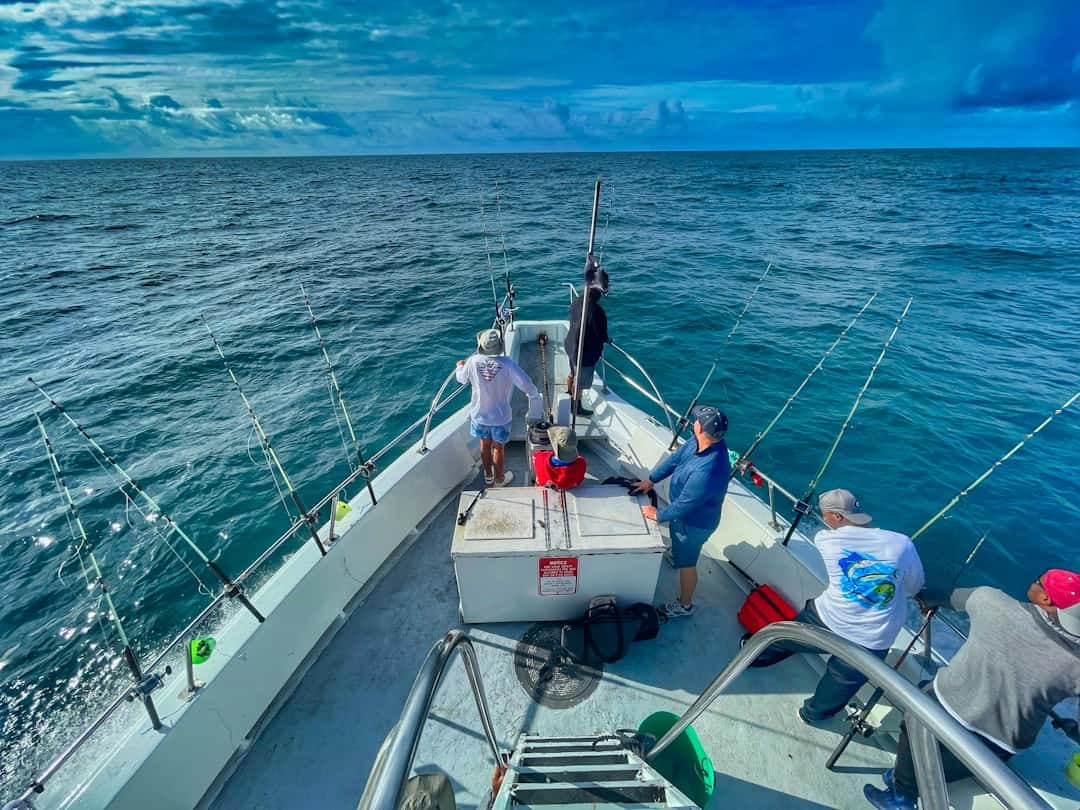
A chum slick is a scent trail you’re drawing on moving water, and moving water has never once cared where you meant the trail to go. That’s what makes dumping ground-up fish over the side more of a skill than it looks like from the dock.
Position the boat before you drop anything
The slick drifts down-current or down-wind from wherever it goes in, so set up up-current or up-wind of the reef, wreck or drop-off you actually want to fish. Get that backwards and you get to watch a bucket of very expensive smell float away from the structure. It’s supposed to be the most common chumming mistake, and it’s an easy one to see coming once somebody points it out.
A steady drip beats sporadic dumps
A thin, consistent stream — a mesh bag hanging over the side and slowly thawing, or a ladle of slurry every few minutes — builds a longer, more continuous scent trail than a big dump now and then. Fish following a broken trail can lose it. Fish on a steady one generally don’t. I’d believe that part without seeing it, because it’s the same reason a consistent drift beats yanking a lure through in fits and starts.
Oily fish make a stronger slick than lean fish
Menhaden, herring, sardines and other oily baitfish carry scent farther through the water column than leaner species, and that’s why they’re the standard base for ground chum — it isn’t just habit. Mix in fish oil, or run a slow drip bag alongside, and the trail gets longer and stronger than ground chum makes on its own.
Chunks and ground chum do different jobs
Ground chum makes a diffuse cloud. Cut chunks sink at their own rates and leave their own little trails on the way down. Run a steady ground stream and toss in bigger chunks every so often, and you cover more of the water column — a broad scent trail for fish to follow, plus actual pieces of food to key on once they get there.
The hook bait should be the best thing in the water
Cut your hook bait from the same species as the chum and let it drift back into the slick naturally, with no extra weight when you’re fishing a surface slick. It should be impossible to tell apart from the free food around it. A fish that’s been picking through chum for several minutes knows exactly what that food looks like, and an odd, mismatched bait stands out at precisely the wrong moment.
Worth saying plainly: I’ve been offshore, but I’ve never been the one running the slick, so a lot of this comes from how people who do it describe it. The hook-bait part I trust anyway. It’s the same reasoning behind matching a fly to what’s actually in the water instead of whatever happens to be in your box.
Check the rules for your water
Chumming is prohibited or restricted in some areas, especially near inlets, beaches and protected zones, and the rules vary a lot from place to place. Before you chum, check with the state fish and wildlife agency, and for federal waters, with NOAA Fisheries or the sanctuary office. A slick is a delivery system, so current and regulation matter as much as what goes in the bucket, and Saltwater & Coastal Fishing puts the method back into the water and the zone it has to work in.
Depth matters as much as the chum itself
A bag hanging right at the surface pulls fish shallow. Sinking chum — weighted with sand, or dropped from a controlled dispenser — can take the trail down to where structure fish like snapper and grouper actually hold. Match the chum depth to the fish you’re after, not to whatever depth is easiest to deploy from. It sounds obvious, and it’s still probably the step that gets skipped most.
The first time you set one up, it can feel like a lot of work for a smell with no promise attached. Before you decide it isn’t working, watch which way the slick actually runs off the stern. If it’s heading anywhere other than the structure, you’ve found your problem, and it’s a fixable one.
FIELD OBJECT
This one should leave the page.
The article is the long version. These are the pieces worth carrying into the next trip.
The 30-second version
Dumping ground fish over the side sounds like the easy job on the boat, right up until the slick drifts away from the reef you set up on. Boat position and a steady drip decide most of it.
What to watch
- Position the boat before you drop anything
- A steady drip beats sporadic dumps
- Oily fish make a stronger slick than lean fish
- Chunks and ground chum do different jobs
Field card
- Position the boat before you drop anything
- A steady drip beats sporadic dumps
- Oily fish make a stronger slick than lean fish
- Chunks and ground chum do different jobs
- The hook bait should be the best thing in the water
RIGHT TOOL, NEXT
Species & Presentation
Carry the species behavior and presentation question into a narrower water-to-fish-to-presentation handoff.