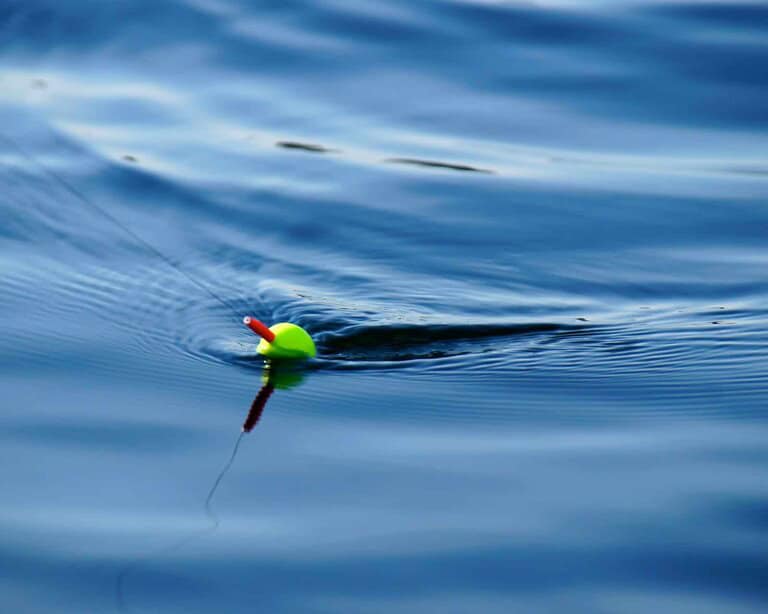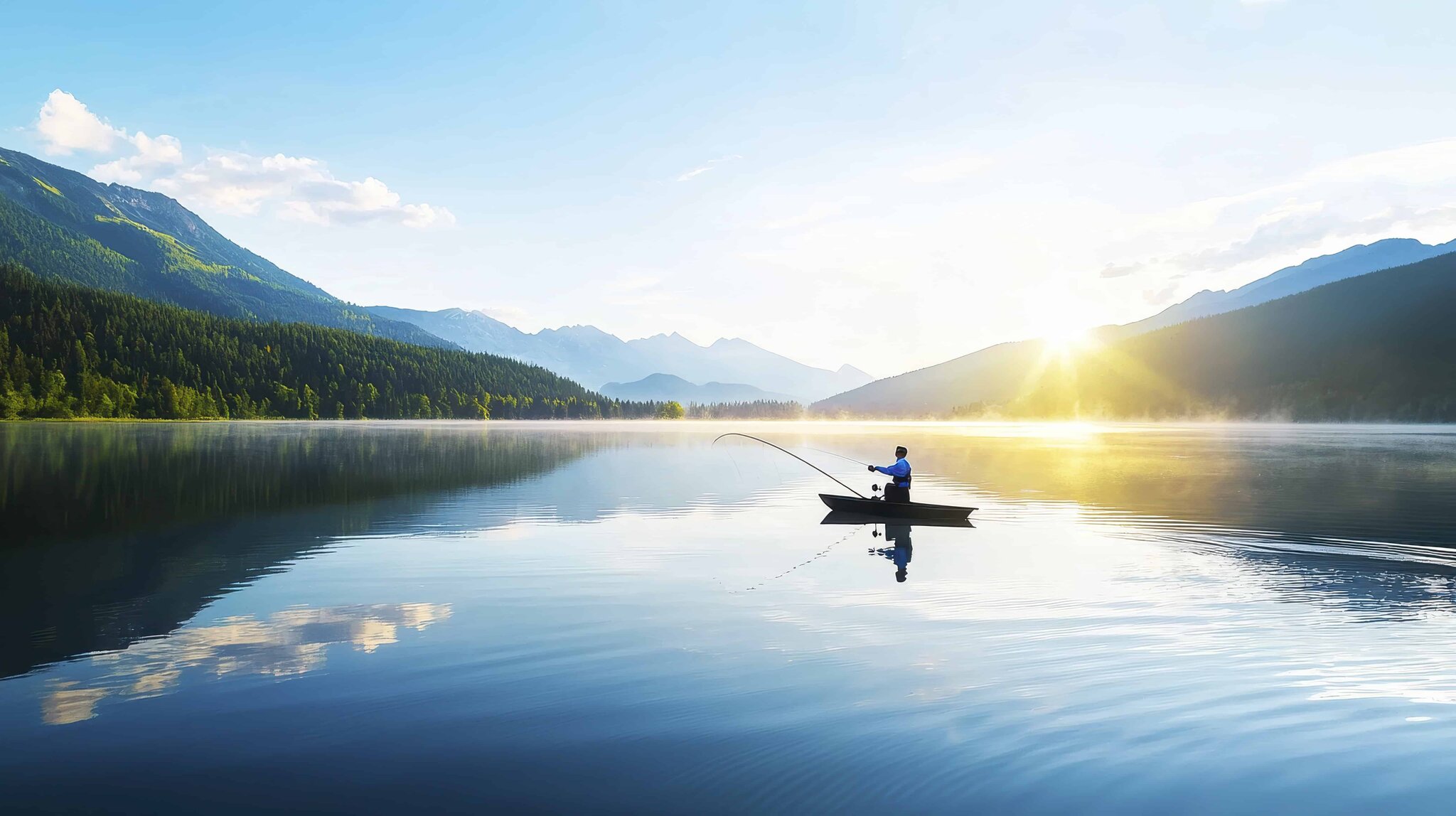
You get back to the truck after six hours with one fish, and the math looks bad.
Depends what you were counting. Some of the days that finally explain a lake look exactly like that on paper.
A slow day takes away the easy feedback. When fish are biting, almost any reasonable choice feels right. When nothing happens for an hour at a time, every decision gets loud — how deep you fished, whether the lure stayed clean, what the wind did, whether the one bite came off something you could find again or was pure luck.
So the tally worth keeping on the drive home isn’t the fish. It’s what got clearer.
Don’t let the one fish rewrite the morning
Memory gets generous the second a fish is in the net.
Suddenly the spot it came from looks obvious, the lure color seems important, and the weather “finally lined up.” The five hours before it turn into a blur of casting that apparently didn’t matter.
Write it down as the day goes, not afterward: rough time and place, depth, clarity, the wind, what you were throwing, what you changed. Nobody needs every cast. You need enough to lay the quiet hours next to the one that worked and see what was actually different.
Otherwise the fish edits your memory for you, and it’s a flattering editor, not an honest one.
No bites, or no real presentation?
A blank stretch doesn’t tell you much if the lure spent half of it wearing weeds.
Before you decide fish turned something down, make sure it was actually fishing — getting to the depth you wanted, tracking straight, touching bottom or cover when you expected it to. Wind and current can put enough bow in the line to change the retrieve without ever telling you.
Clean casts that catch nothing count as evidence. Messy ones mostly count as a note to fix the setup.
The one fish needs context
When the bite finally comes, don’t celebrate your way past the details.
Where was the fish? What was the lure doing right before — crossing a drop, coming off the weeds, ticking rock, pausing, sliding into shade? Had you just moved, changed your angle to the bank, or shortened up?
Then make the next several casts as close to that one as you can. If it happens again, you’re onto something. If it doesn’t, the fish was a clue, not a pattern yet.
Slow days show where the time went
When fish are active, a sloppy route can still produce enough action to hide the problem.
On a slow day it’s easier to see the long runs between spots that are basically the same, the constant lure changes, the pile of casts at featureless water. Be honest about how much of the day was deliberate testing and how much was hoping the next spot would just feel different.
Speed turns a bad plan into a bad plan you get through sooner.
Compare water, not only lures
If the morning’s slow, pick two or three pieces of water that are actually different — shallow against deep, windblown against protected, rock against weeds, the obvious public point against a quieter bit of structure down the shore.
Fish them with one presentation that works reasonably well in all of them before you rebuild the whole tackle setup. You might find out fish are missing from one kind of water entirely, which is a much bigger answer than “they didn’t like that lure.”
Watch the weather change, not the weather label
“Post-front,” “cloudy,” and “hot” are labels. The changes during the day are what you can actually use.
Wind that starts or dies, clouds cutting the glare, rain staining an inflow, the sun sliding shade onto a bank. Surface temperature and water level count too, where you can check them safely, and so does boat traffic showing up and then clearing out.
If the lone fish came right after one of those, write down the change and the time. Whether it repeats is next trip’s problem.
The stuff that isn’t fish
Baitfish, bugs, crayfish, weed on the hook, what the bottom feels like, follows, even hanging up on the same snag three times — it all goes on the map.
A day without many fish can still show you where the weed edge is, which point has hard bottom, where the current seam begins, or which bank goes muddy in a crosswind. That’s the part that shortens the search next time.
When to quit
Six slow hours aren’t automatically better than three thoughtful ones.
If conditions turn unsafe, if you can’t handle fish well anymore, if the group’s worn out, or if you’re just repeating the same failed plan and learning nothing new, leave. Sticking it out only helps while it’s still teaching you something or giving you a real shot.
Nobody’s handing out credit at the truck for the extra three hours.
One sentence for next time
Skip the dramatic summary.
Instead of “they were impossible,” write something like: “The only fish came off the outside weed edge after the wind picked up. Next trip, fish that edge against the protected side before changing lures.”
That gives the next trip a starting question instead of a mood.
A day can work without looking impressive
Fishing stories lean toward big numbers and big fish. Learning usually looks a lot quieter.
The one fish might have told you that you’d been fishing too shallow all morning. It might have come after you changed your angle, not your color. Or the most useful thing you found all day was that a spot you liked had lost most of its weeds and isn’t worth half a morning anymore.
A day like this hits harder when you don’t have many good ones banked yet to set it against, and it’s easy to take it personally. Stack up a few seasons of notes, though, and one fish with a page of reasons attached starts looking like a pretty normal way for a lake to begin making sense.