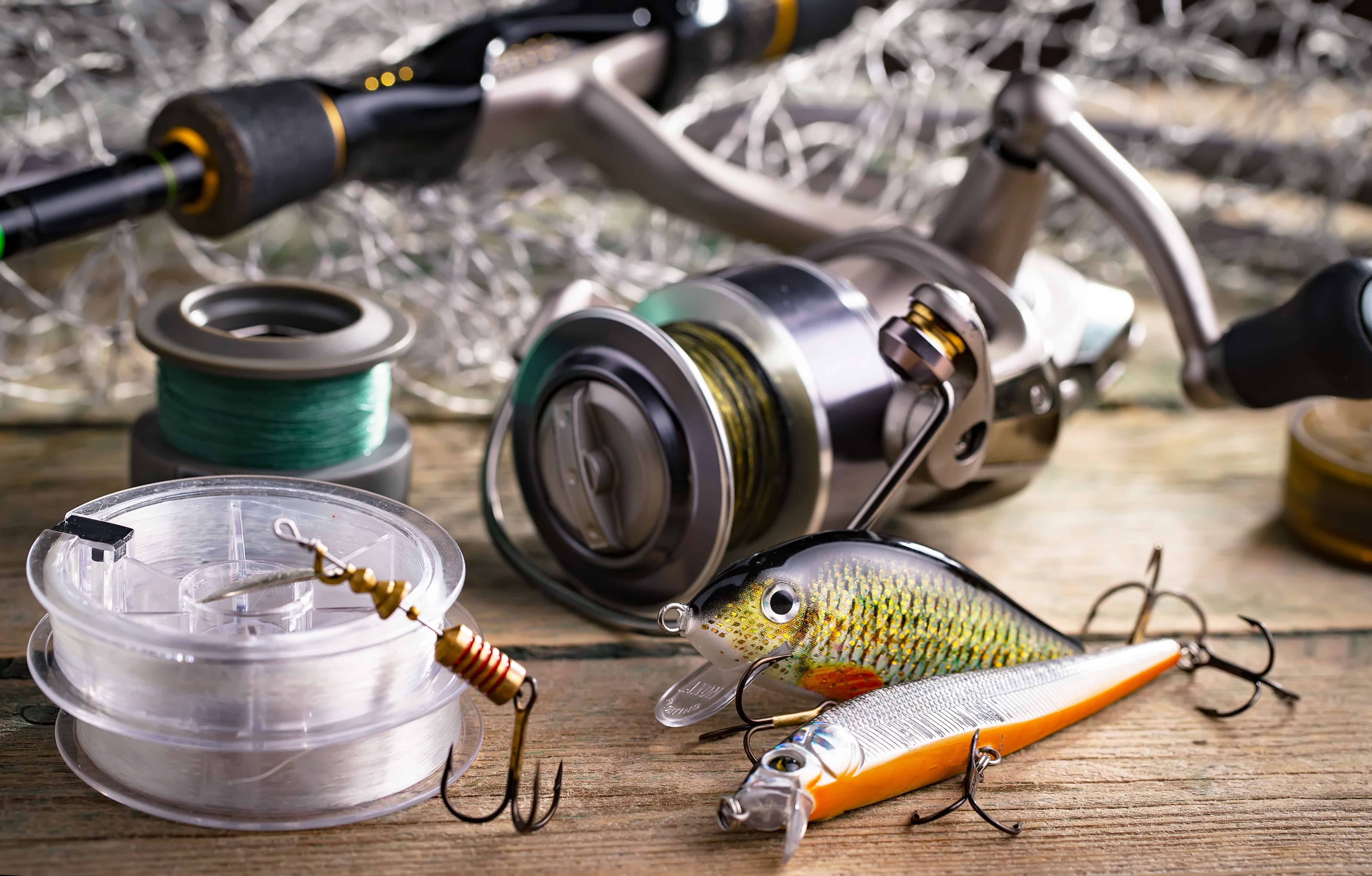
A gritty reel, a lure that won’t track straight, a rod that won’t load — and the suspect is always whatever got bought most recently. That’s a fair place to start looking. It’s a bad place to stop, because gear that’s actually broken and gear that’s just in the wrong company feel almost identical from the bank.
SYSTEM PLATE · DIAGNOSIS
A part in the wrong company feels almost exactly like a broken part.
So before it goes back, gets replaced, or gets written off, figure out which one you’ve got.
What the gear was asked to do
Nothing can be judged without that. A light spinning setup can be great with small jigs in open water and miserable dragging a deep crankbait through current — same rod, same reel, two completely different verdicts. A compact reel can hold plenty of line for a pond and be honestly too small for long casts all day with thick line.
Count the whole rig, too, not just the number printed on the lure package. Hooks, trailers, sinkers, floats, snaps, bait and soft plastics that have soaked up water all add weight. And some lures pull a lot harder in the water than their weight says they should.
Before I blame anything, I want to know what I’m actually throwing, how deep and fast I’m fishing it and through what, and what happens if a fish eats — how much control I’ll need, and where I’m going to land it.
Five things that all feel the same
It really is defective
A crack, a loose guide insert, a bent frame, a drag that binds, a warped lure body, a missing part, a seam coming apart. Test it under a normal load with the right setup around it. If the problem stays with the item, quit using it once more use could damage something or make the fishing unsafe. That part isn’t a judgment call.
Take clear photos, write down the exact model and size, and follow the seller’s or manufacturer’s current process.
It has a limit
Something can work exactly as designed and still be wrong for you. A reel can be smooth and too heavy for a light rod. A rod can cast beautifully and not have the backbone for heavy hooks near cover, and a lure can run true at normal speed and roll over the second you burn it.
That’s a narrow tool, not a broken one. Use it for what it’s good at, or pass it along and get something built for the job you keep asking it to do.
The setup is off
An overfilled spinning spool throws loops and makes a perfectly good reel feel like a lemon. A leader knot banging through the guides shortens every cast. A loose reel seat feels exactly like a bad frame, and a drag cranked near solid turns a small weakness into a snapped line and a lost fish.
Strip it back to a simple starting point — spool fill, line lay, drag, knots, lure weight, hardware — and change one thing before you run the same job again.
It needs maintenance
Line gets rough, coiled or nicked long before it finally lets go. Rollers collect grit, split rings bend, lure eyes get knocked crooked, and a rod guide can be cracked badly enough to cut line while looking totally normal from a few feet away.
Clean it, look at it, tighten what’s supposed to be tight, and replace worn line and damaged hardware. Maintenance brings good equipment back. It won’t make a cracked blank or a broken frame trustworthy, and neither will hoping.
The parts don’t match
Every piece is good and the whole thing is bad. A stiff rod, no-stretch line, a heavy hook and a tight drag all pour their force into one knot. Thick line buys you abrasion resistance and costs you casting distance, or holds a small lure too high in the water. Oversized snaps and split rings quietly kill the action of a light lure. This is the one that looks most like a bad product and almost never is, which is why auditing the setup link by link usually settles it faster than reading one more review.
Rebuild around the job. The Tackle Link Analyst walks the rod, reel, line, leader and lure with you, which tends to help more than replacing whichever piece cost the most.
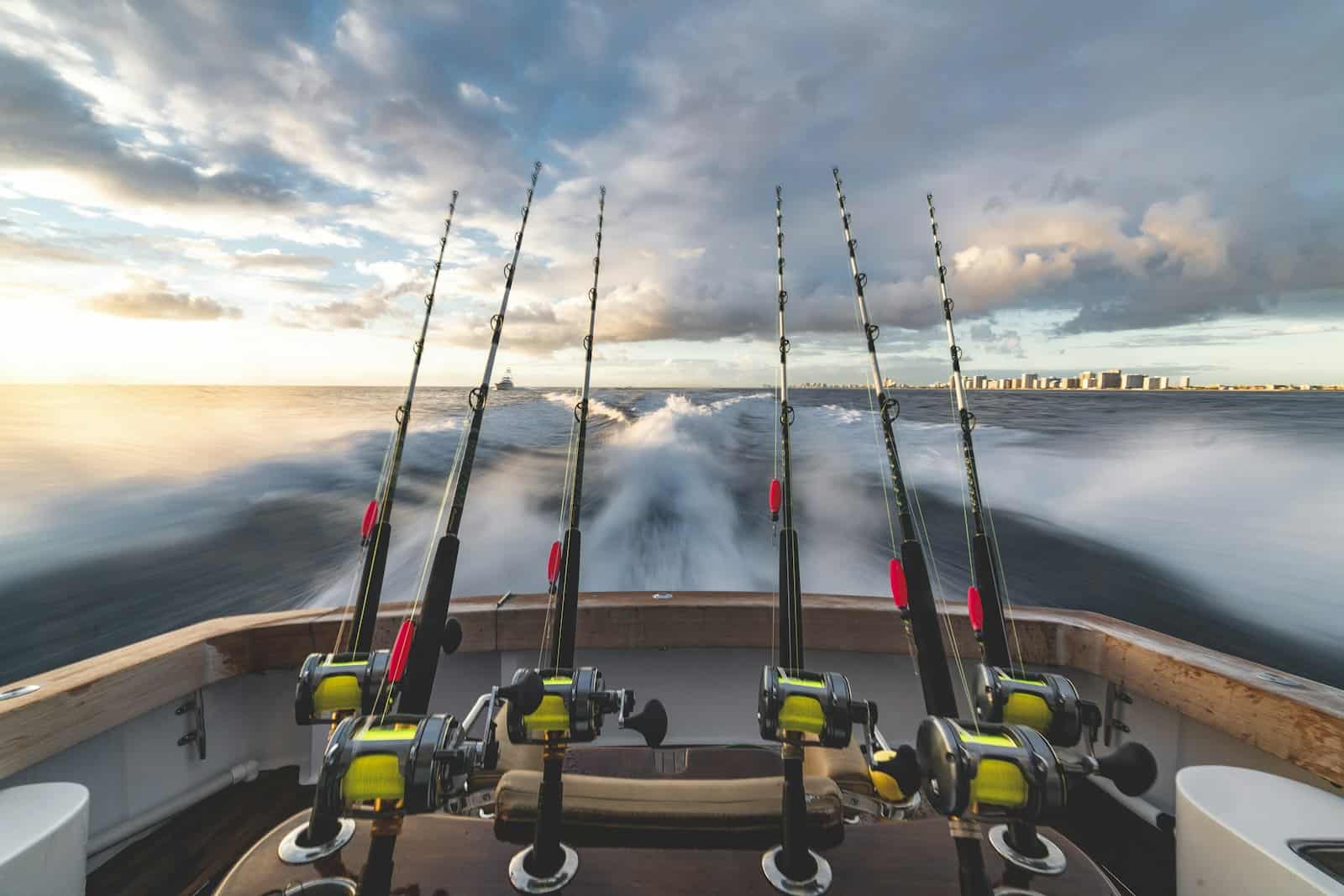
Gritty reel
Take the heavy lure off and check the line path, spool, roller and guides. Still grinding or binding under a light, normal load? Then it needs service or replacing. Feels fine until you add twisted line, a lure that pulls hard, or a damaged guide? Then the reel is catching somebody else’s problem, not causing its own.
Lure rolling on its side
Look for a bent eye, a damaged blade, a fouled hook, a warped body, or a weight that’s come loose. Then pull off the oversized hardware or the bulky trailer and slow the retrieve down. If the roll follows the lure under normal conditions, the lure’s damaged. If it vanishes after one setup change, it was being overpowered the whole time.
The smallest fair test
Change the rod, reel, line, leader, lure and casting angle all at once and you might fix it. You’ll just never know what fixed it, which means you get to do this whole thing again next month.
Start with the most likely cause and change only that — fresh, properly filled line on the same reel, say, or a smaller snap on the same lure, or a lighter rig on the same rod. Then fish the same basic job and see what happened.
Stop testing when the gear is cracked, badly bent, binding, cutting line, shedding parts, or getting less safe with every try. One more cast won’t tell you anything worth that.
Specs, warranties, and not taking it apart
Sizes and ratings aren’t consistent between brands. A 2500 reel from one company may not match a 2500 from another, and rod power and action wander the same way. Check the current info for the exact model, size and generation you own, not the one that shared its name three years ago.
Warranty rules vary too. Keep the receipt, the model info, photos, and a plain description of what happened. And don’t take it apart to make your case stronger — that turns a clear problem into a pile of loose parts and a much shorter warranty conversation.
Not sure the fault is really the product’s? Bring the whole setup in, rod, reel and line together, and describe what it does. That conversation goes a lot easier than it feels like it will while you’re working up to it, and sometimes somebody behind the counter spots the problem in about ten seconds.
Say what you actually found
Broken, limited, overdue for maintenance, set up wrong, uncomfortable for you specifically, or just wrong for the rest of the rig. Those lead different places.
Most of them don’t end with a purchase. Fresh line, a smaller snap, a corrected drag, less weight in the pack, a lure the rod can actually throw. And sometimes it really is a bad product — that happens, warranties exist for exactly that, and a model number and a photo will make the case a lot better than a strong opinion.
Featured image credit: Karsten Winegeart.
FIELD OBJECT
This one should leave the page.
The article is the long version. These are the pieces worth carrying into the next trip.
The 30-second version
Whatever you bought last gets blamed first, but from the bank a real defect feels a lot like a bad match or line that needed replacing. Sort out which one it is before anything goes back in the box.
What to watch
- What the gear was asked to do
- Five things that all feel the same
- It really is defective
- It has a limit
Field card
- What the gear was asked to do
- Five things that all feel the same
- It really is defective
- It has a limit
- The setup is off
RIGHT TOOL, NEXT
Tackle Link Analyst
Follow the load path and find the part of the setup that actually limits the rest.



You must be logged in to post a comment.