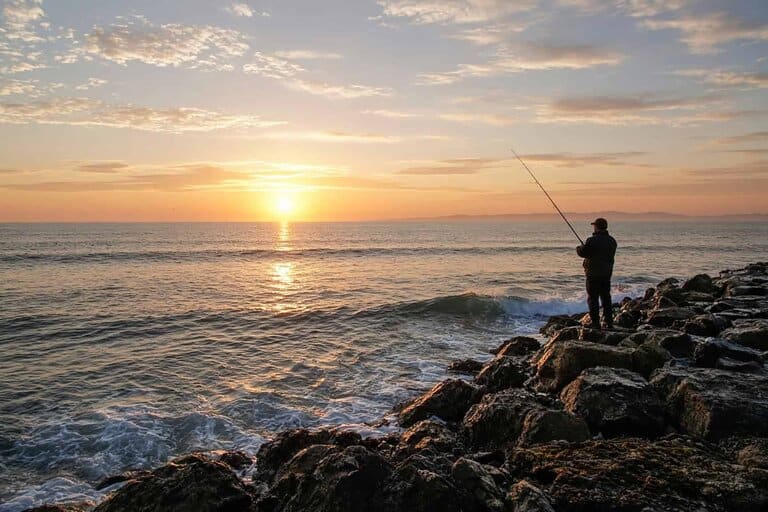
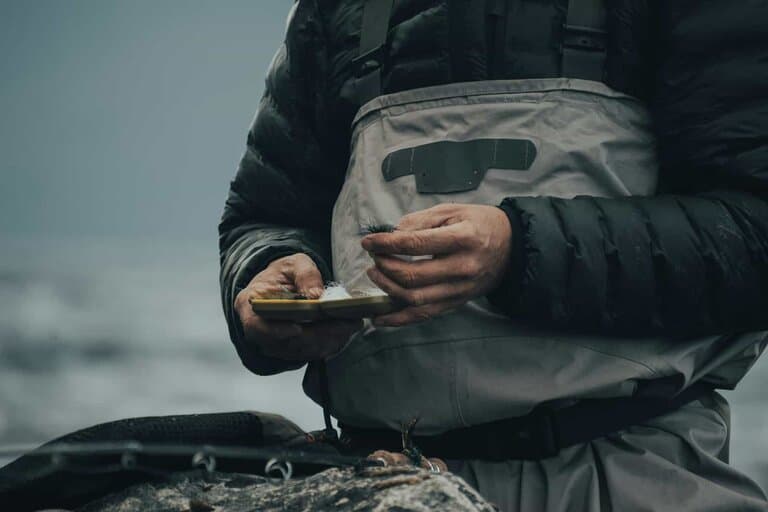
No hatchery truck backs down to the West Branch Delaware. Brown, rainbow and brook trout reportedly spawn and hold there on their own, in a river most people would assume needs a stocking program just to keep up with the pressure on it. The brookies belong here. The browns and rainbows were brought in, and the river turned out good enough that they built a wild population anyway.
“Every fish is wild” is the kind of line that gets passed around until nobody remembers who checked it, so I hold it a little loosely. What makes it believable is the mechanism, and that part holds up.
A drinking-water dam with a side hustle
The West Branch flows out of Cannonsville Reservoir, which exists to give New York City something to drink. Cold, clear water released from the reservoir keeps the river livable for trout right through summer, and the West Branch reportedly gets more of those releases than its sister the East Branch, which is why it’s supposed to be the better bet when the weather turns hot.
The freestone streams around it in the Catskills run warm and skinny by August — same as freestone water does back home. Cannonsville keeps this one in business straight through the worst of it. Nobody built that dam for trout. A city needed tap water, and one of the best trout fisheries on the East Coast came along for the ride, which is about my favorite kind of accident.
Where the rules change
Below Cannonsville Dam it’s catch-and-release, artificial lures only, down to the Route 17 bridge at Deposit. Below that, standard New York trout regulations take over. Those boundaries get adjusted, so the current New York DEC regulations are the ones to plan around.
From Hale Eddy Bridge down to Junction Pool at Hancock, where the West Branch meets the East Branch, is reportedly some of the best water on the river, and it draws the heaviest crowds in prime season for exactly that reason. The smaller tributaries are said to hold wild brook trout and a lot less company.
The hatch calendar is the reputation
Black and brown stoneflies and Hendricksons open the season in April. May and June bring sulphurs, black caddis, and green and brown drakes. Late summer swings back to sulphurs, plus tricos and flying ants. The upper Delaware system gets called some of the best dry fly fishing in the East, and a hatch calendar that long, held up by cold water, is a big part of why.
I haven’t fished the Delaware, so I can’t tell you which of those bugs actually decides a given week there. A list like that also looks like homework when your fly box has six patterns in it. You don’t need all of them. You need whatever is on the water that afternoon, and flipping a few rocks and watching what comes off will get you closer than the calendar will.
Cannonsville can change its mind by lunch
Release rates out of Cannonsville can change quickly and by a lot. The Delaware River Master coordinates those releases across the whole system, so that’s where the current number lives. Wading that feels easy on a low-release morning can turn dangerous by afternoon if the dam opens up, and tailwaters don’t send a warning upstream first. Look up the release rate before you step in, every trip. If the water starts coming up while you’re standing in it, get out first and look it up later.
Worth the drive, from what I can tell
Field Sense Navigator carries the West Branch as a named public water, with current access and conditions for the morning of the drive. If I ever get out that way, I’d check it right after the release number, and well before anybody talks me into Junction Pool in the middle of prime season.